
Teeth Whitening in Del Rey
Many people notice their teeth becoming darker over time, even when they brush and floss consistently. Teeth whitening in Del Rey offers a way to address discoloration caused by coffee, tea, red wine, tobacco, aging enamel, and other common factors that affect the appearance of your smile. However, not every stain responds the same way, which is why professional guidance can make a meaningful difference.
At Westside Aesthetic Dentistry, Dr. Kaitie Beetner evaluates more than just tooth color. She considers enamel health, existing crowns or veneers, tooth sensitivity, and your long-term cosmetic goals before recommending a whitening approach. As a Kois-trained dentist, Dr. Beetner follows a comprehensive, evidence-based philosophy that helps patients make informed decisions about their dental care rather than relying on one-size-fits-all solutions.
Whether you want a subtle refresh or a noticeably brighter smile, professional teeth whitening can help you achieve results that look natural and complement your overall appearance. To learn more about your options for teeth whitening near Del Rey, contact Westside Aesthetic Dentistry today at (424) 216-9669.
Safe Teeth Whitening in Del Rey for Patients With Sensitive Teeth
Many people assume sensitive teeth automatically rule out professional teeth whitening in Del Rey. At Westside Aesthetic Dentistry, teeth whitening in Del Rey is approached with careful planning so patients can pursue a brighter smile while protecting their comfort. Sensitivity often signals the need for a more personalized treatment plan rather than avoiding whitening altogether. Understanding the cause of sensitivity before treatment begins can help prevent unnecessary discomfort and support better cosmetic results.
At Westside Aesthetic Dentistry, whitening recommendations begin with a close evaluation of your oral health. Dr. Kaitie Beetner considers factors such as enamel thickness, gum recession, existing restorations, previous whitening experiences, and the type of discoloration affecting your smile. This process helps determine whether professional whitening is appropriate now or whether another treatment should come first.
Tooth sensitivity is not a condition with a single cause. Some patients experience sensitivity because enamel has gradually worn down over time. Others develop sensitivity due to gum recession, exposed root surfaces, cracked teeth, grinding habits, or untreated decay. Since whitening agents temporarily penetrate the tooth structure to break apart stain molecules, identifying these underlying issues becomes an important first step.
Many patients searching for safe teeth whitening near Del Rey have already tried whitening strips or whitening toothpaste without success. In some cases, those products caused discomfort because they addressed discoloration without addressing the reason the sensitivity existed in the first place. A professional evaluation at Westside Aesthetic Dentistry helps separate cosmetic concerns from oral health concerns so treatment can move forward safely.
Understanding the Difference Between Temporary and Chronic Sensitivity
Not all sensitivity behaves the same way. Temporary sensitivity may occur after consuming cold beverages or acidic foods and often resolves quickly. Chronic sensitivity tends to linger and may indicate a deeper issue affecting the tooth structure or surrounding tissues.
Understanding this distinction matters because whitening can affect each situation differently. Patients with occasional sensitivity may tolerate whitening well with minor adjustments. Patients with ongoing discomfort often benefit from additional preventive care before beginning cosmetic treatment.
How Sensitivity Patterns Influence Whitening Recommendations
The timing and severity of sensitivity provide valuable information. For example, discomfort triggered by cold temperatures may suggest exposed dentin, while pain during chewing could indicate a crack or structural concern. These details help determine whether whitening should proceed immediately or whether treatment should focus on resolving the underlying issue first.
By evaluating these patterns, Dr. Beetner can recommend a whitening strategy that aligns with your oral health rather than relying on a one-size-fits-all approach. This level of customization often leads to a more comfortable experience and more predictable results.
Why Enamel Thickness Matters During Teeth Whitening
Enamel serves as the protective outer layer of each tooth. Although enamel is remarkably strong, it can gradually thin due to aging, acidic foods, aggressive brushing habits, or years of normal wear. As enamel becomes thinner, the darker dentin underneath becomes more visible, making teeth appear more yellow.
Patients often assume whitening alone will solve this issue. However, thinner enamel can also increase sensitivity during whitening treatment. Evaluating enamel health helps determine the safest whitening method and the appropriate treatment timeline.
The Connection Between Enamel Wear and Tooth Discoloration
Many people are surprised to learn that yellow teeth do not always indicate poor oral hygiene. In fact, enamel thinning is one of the most common reasons teeth appear darker with age. Even patients who brush and floss consistently may notice increasing discoloration over time.
Professional teeth whitening in Del Rey can often improve these concerns, but treatment should account for enamel condition. A customized approach at Westside Aesthetic Dentistry helps brighten the smile while minimizing unnecessary irritation.
Healthy gums create a protective barrier around the teeth. When gums recede, root surfaces become exposed. Unlike enamel-covered portions of the tooth, exposed roots are more vulnerable to sensitivity and can react differently to whitening products.
Patients frequently focus on tooth color while overlooking gum health. However, evaluating the gums before whitening can significantly improve comfort and reduce the likelihood of irritation during treatment.
Why Over-the-Counter Whitening Products Can Irritate Gums
Store-bought whitening strips and generic trays are designed to fit a wide range of smiles. Unfortunately, very few smiles fit those products perfectly. When whitening gel extends beyond the tooth surface, it can contact delicate gum tissue and irritate.
This issue becomes even more noticeable for patients who already have gum recession or sensitivity. Professional whitening recommendations take gum contours and smile anatomy into account, helping reduce unnecessary exposure to whitening agents.
Customized Whitening Plans Reduce Unnecessary Exposure
A personalized whitening plan focuses treatment where it belongs. Instead of exposing surrounding tissues to excess whitening gel, customized recommendations help target stained tooth surfaces more effectively.
This approach often improves comfort while supporting more consistent cosmetic outcomes. Patients benefit from a treatment plan designed specifically for their smile rather than a generic product intended for mass use.
Many consumers assume stronger whitening products automatically produce better results. In reality, whitening success depends on balancing effectiveness with comfort. Using a concentration that is too aggressive can increase sensitivity without necessarily improving the outcome.
Professional whitening recommendations consider stain severity, enamel condition, previous whitening history, and patient comfort levels. This allows treatment to progress at a pace that supports both cosmetic improvement and oral health.
Different Types of Stains Respond Differently to Whitening
Surface stains caused by coffee, tea, red wine, and tobacco often respond differently from discoloration caused by aging, trauma, or certain medications. Understanding the source of discoloration helps determine realistic expectations before treatment begins.
For example, a patient with years of coffee staining may respond differently from someone whose discoloration developed after dental trauma. Identifying the stain type helps guide treatment recommendations and prevents unrealistic expectations.
Why Whitening Results Vary From Patient to Patient
No two smiles share the same starting point. Tooth structure, enamel thickness, stain depth, age, and existing dental work all influence whitening outcomes. This explains why one person may achieve dramatic improvement while another experiences more subtle changes.
A consultation at Westside Aesthetic Dentistry helps establish realistic goals based on your unique circumstances. Patients often appreciate knowing what to expect before beginning treatment rather than relying on marketing claims found on product packaging.
The schedule used during whitening treatment can significantly affect the patient experience. Applying whitening products too frequently may increase sensitivity, while inconsistent use may limit results. Finding the right balance helps support both comfort and effectiveness.
Patients often underestimate the importance of timing. However, spacing treatments appropriately allows teeth to recover between whitening sessions and reduces the likelihood of prolonged discomfort.
Why More Whitening Is Not Always Better
Some individuals continue whitening long after reaching their desired shade because they assume additional treatments will produce even brighter results. Unfortunately, excessive whitening can increase sensitivity without providing meaningful cosmetic improvement.
Professional guidance helps patients recognize when they have achieved an appropriate result. This prevents unnecessary treatment and supports long-term oral health.
Recognizing Signs That Teeth Need a Break
Increased sensitivity, gum irritation, or lingering discomfort may indicate that whitening should pause temporarily. Paying attention to these signals helps prevent minor issues from becoming larger concerns.
Patients who understand these warning signs often enjoy a more comfortable whitening experience because they avoid pushing treatment beyond what their teeth can comfortably tolerate.
One of the most overlooked aspects of cosmetic whitening involves existing restorations. Crowns, veneers, bonding, and tooth-colored fillings do not respond to whitening agents the same way natural teeth do. As a result, whitening can sometimes create noticeable shade differences if restorations are located in visible areas.
Before beginning teeth whitening in Del Rey, it is important to evaluate how existing dental work may affect the final appearance of your smile. This planning helps avoid unexpected cosmetic mismatches.
Why Crowns and Veneers Do Not Whiten Like Natural Teeth
Whitening products work by breaking apart stain molecules within natural tooth structure. Since crowns and veneers are made from restorative materials rather than natural enamel, they do not respond to whitening agents.
Patients with visible restorations often benefit from discussing long-term cosmetic goals before whitening begins. This allows treatment recommendations to account for both natural teeth and existing dental work.
Creating a More Uniform Smile Appearance
Sometimes whitening serves as the first step in a broader cosmetic treatment plan. By evaluating restorations beforehand, Dr. Beetner can help patients understand how whitening may affect overall smile harmony.
This comprehensive approach supports more predictable cosmetic outcomes and helps patients make informed decisions about future aesthetic dentistry treatments.
Although many patients qualify for professional whitening, there are situations where postponing treatment is the better choice. Active cavities, untreated gum disease, cracked teeth, and significant sensitivity should typically be addressed before cosmetic whitening begins.
Taking time to resolve these concerns often improves both comfort and whitening outcomes. Patients frequently achieve better long-term results when oral health issues are treated first.
Dental Pain Should Never Be Ignored Before Whitening
Persistent tooth pain deserves attention regardless of cosmetic goals. Whitening cannot correct decay, fractures, infections, or structural damage. In some situations, whitening may temporarily intensify symptoms associated with these conditions.
A thorough examination helps identify the source of discomfort and ensures treatment decisions support overall oral health rather than masking underlying problems.
Addressing Oral Health Concerns Before Cosmetic Treatment
Patients often feel eager to improve the appearance of their smile. However, resolving dental concerns first creates a healthier foundation for cosmetic care. Once those issues are addressed, whitening can proceed with greater confidence and predictability.
This patient-centered approach helps protect both comfort and long-term dental health.
A brighter smile should never come at the expense of comfort. Patients with sensitive teeth often achieve successful whitening results when treatment begins with a careful evaluation and realistic expectations. Understanding enamel health, gum condition, stain type, and existing dental work allows for a more thoughtful whitening experience.
Westside Aesthetic Dentistry takes a personalized approach to cosmetic dental care. Whether you have experienced sensitivity in the past or are considering professional teeth whitening in Del Rey for the first time, Westside Aesthetic Dentistry can help you understand your options and determine the safest path toward a brighter, healthier-looking smile.
How Long Do Teeth Whitening Results in Del Rey Usually Last
Teeth whitening results can last for months or even longer, but the exact timeline depends on several factors, including your diet, oral hygiene habits, enamel condition, and long-term maintenance. Patients who regularly consume coffee, tea, red wine, or other dark-colored beverages often notice stains returning more quickly. On the other hand, patients who maintain healthy dental habits and schedule routine cleanings can often enjoy a brighter smile for a longer period.
At Westside Aesthetic Dentistry, Dr. Kaitie Beetner helps patients understand how to maximize the longevity of their teeth whitening results in Del Rey. By identifying lifestyle factors and creating a personalized maintenance plan, patients can enjoy a whiter smile with greater confidence.
Professional whitening can dramatically improve the appearance of stained teeth, but it does not permanently prevent future discoloration. Instead, whitening removes existing stains and brightens natural tooth structure. What happens after treatment often determines how long those results remain visible.
Many patients seek teeth whitening in Del Rey before weddings, professional events, vacations, family photos, or other important occasions. While whitening can create impressive results, maintaining those results requires attention to daily habits and ongoing dental care.
Coffee, Tea, and Wine Can Shorten Whitening Results
Dark beverages are among the most common causes of post-whitening discoloration. Coffee, black tea, red wine, cola, and similar drinks contain pigments that can gradually attach to enamel and dull a bright smile over time.
Fortunately, patients do not need to eliminate these beverages. Drinking water after consuming stain-causing drinks, limiting prolonged sipping, and practicing good oral hygiene can help preserve the results of teeth whitening in Del Rey for a longer period.
Daily Stain Habits Matter More Than One Drink
A single cup of coffee is unlikely to significantly affect your whitening results. However, repeated exposure throughout the day can gradually contribute to discoloration. Patients who sip coffee for hours, drink tea throughout the afternoon, or frequently consume dark beverages often experience faster stain accumulation.
Dr. Kaitie Beetner works with patients at Westside Aesthetic Dentistry to identify habits that may affect whitening longevity. Small adjustments often make a meaningful difference without requiring major lifestyle changes.
Tobacco Use Can Darken Teeth After Whitening
Smoking and other tobacco products can quickly stain teeth after whitening treatment. These stains often develop gradually and become more noticeable over time. In addition to affecting tooth color, tobacco use can negatively impact gum health and overall smile aesthetics.
Patients who use tobacco can still benefit from professional whitening, but they should understand that maintenance may require more frequent attention. Westside Aesthetic Dentistry helps patients set realistic expectations and develop strategies to protect their investment in a brighter smile.
Professional Cleanings Help Control Surface Stains
Routine dental cleanings play an important role in maintaining whitening results. Professional cleanings remove plaque, tartar, and surface stains that cannot be eliminated through brushing alone. They also allow Dr. Beetner to monitor oral health and identify concerns before they become larger problems.
For many patients, regular cleanings are one of the most effective ways to extend the benefits of professional teeth whitening near Del Rey while supporting overall oral health.
Daily oral hygiene habits directly influence how long whitening results last. Plaque buildup can trap stain-producing particles against the teeth, causing discoloration to return more quickly. Consistent brushing and flossing help keep teeth cleaner and brighter between dental visits.
Patients who maintain strong oral hygiene routines often enjoy longer-lasting whitening results. These habits also contribute to healthier gums and a more attractive overall smile.
Brushing Technique Can Affect Whitening Longevity
Many people assume that brushing harder leads to cleaner teeth. In reality, aggressive brushing can wear down enamel and irritate gum tissue. As enamel becomes thinner, the darker dentin beneath may become more visible, making teeth appear less bright.
A gentle but effective brushing technique helps protect enamel while maintaining whitening results. Dr. Kaitie Beetner can recommend oral hygiene practices that support both cosmetic and long-term dental health.
Whitening Toothpaste Should Be Used Carefully
Whitening toothpaste can help remove minor surface stains, but it does not produce the same results as professional whitening treatment. Some products contain abrasive ingredients that may increase sensitivity or contribute to enamel wear when used excessively.
Patients considering whitening toothpaste after treatment should discuss product options with their dentist. Choosing the right products can help maintain brightness while protecting tooth structure.
Flossing Helps Reduce Stains Between Teeth
Plaque and stain-producing particles often accumulate between teeth where toothbrush bristles cannot easily reach. These areas may appear darker over time, especially after whitening treatment brightens the visible surfaces of the teeth.
Regular flossing helps remove debris and plaque from these hard-to-reach spaces. As a result, patients often maintain a more uniform and polished appearance following teeth whitening in Del Rey.
Water Intake Can Help Limit Stain Contact
Water provides a simple yet effective way to support whitening maintenance. Drinking water after meals and beverages helps rinse away pigments, acids, and food particles before they have an opportunity to settle on tooth surfaces.
Patients who frequently consume coffee, tea, or wine may benefit from alternating those beverages with water. This habit can help preserve whitening results while supporting overall oral health.
Touch-up treatments can help patients maintain a consistently bright smile over time. The ideal schedule varies based on lifestyle habits, enamel condition, sensitivity levels, and cosmetic goals.
At Westside Aesthetic Dentistry, Dr. Kaitie Beetner develops personalized recommendations based on each patient's unique needs. This individualized approach helps patients maintain their results without overusing whitening products.
Teeth Whitening Touch Ups Should Fit Your Smile
Not every patient requires the same whitening maintenance schedule. Some individuals may benefit from occasional touch-ups before special events, while others prefer a more structured approach throughout the year.
The goal is to preserve a bright smile while protecting enamel and minimizing sensitivity. A customized maintenance plan often produces the most predictable and comfortable long-term results.
Over-Whitening Can Cause Unwanted Sensitivity
Some patients mistakenly believe that frequent whitening will continuously improve tooth color. In reality, excessive whitening can increase tooth sensitivity and irritate gum tissue without providing additional cosmetic benefits.
Professional guidance helps patients avoid unnecessary treatments. At Westside Aesthetic Dentistry, Dr. Beetner helps patients determine when touch-ups are appropriate and when it is better to wait.
Big Events May Change Your Whitening Timeline
Many patients schedule teeth whitening in Del Rey before weddings, graduations, vacations, job interviews, or family gatherings. Planning treatment allows time for optimal whitening results while minimizing concerns about temporary sensitivity.
Scheduling a consultation early also allows Dr. Beetner to evaluate your smile and recommend the most appropriate whitening approach based on your goals and timeline.
Maintenance Works Best With a Clear Plan
Successful whitening maintenance is rarely accidental. Patients who understand when to schedule touch-ups, which habits contribute to staining, and how to care for their teeth often enjoy longer-lasting results.
Westside Aesthetic Dentistry helps patients create realistic maintenance strategies that fit their lifestyles. With proper planning, teeth whitening in Del Rey can remain an effective part of a comprehensive smile care routine.
Long-lasting whitening results depend on a combination of professional treatment, healthy habits, and ongoing maintenance. Factors such as coffee consumption, tobacco use, oral hygiene, and touch-up timing all influence how long your smile stays bright.
At Westside Aesthetic Dentistry, Dr. Kaitie Beetner helps patients achieve and maintain beautiful whitening results through personalized care and guidance. If you are considering teeth whitening in Del Rey or want to protect your current results, our team can help you develop a plan that supports both your cosmetic goals and long-term oral health.
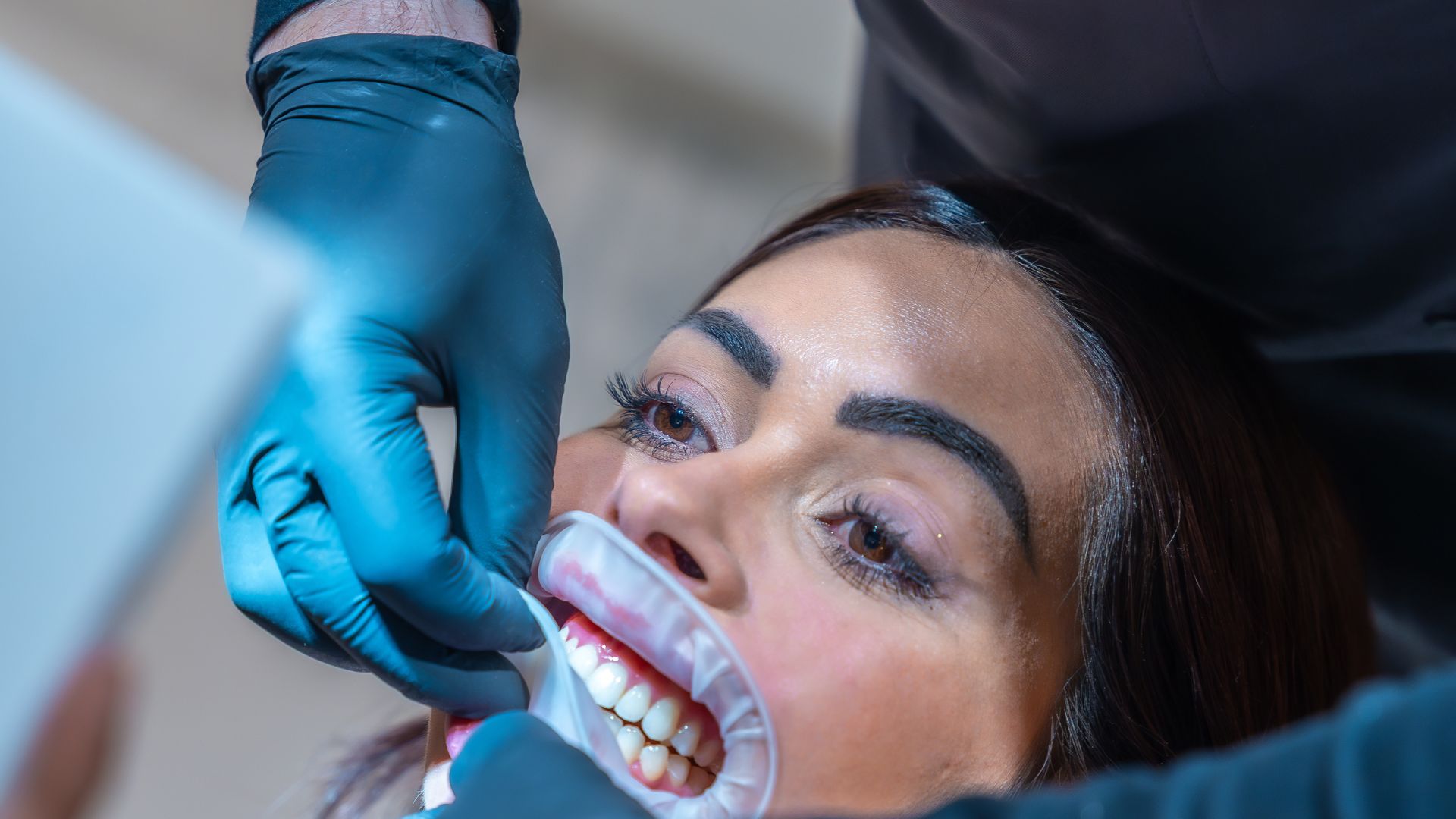
Schedule Teeth Whitening in Del Rey With Westside Aesthetic Dentistry - Call for An Appointment Today
A brighter smile starts with understanding your teeth, not guessing with products that may not fit your needs. At Westside Aesthetic Dentistry, Dr. Kaitie Beetner takes a thoughtful approach to teeth whitening in Del Rey by considering your enamel, sensitivity, restorations, stain type, and cosmetic goals before recommending treatment.
Whether you want to refresh your smile before an important event or feel more confident every day, professional whitening can help you make a visible change while protecting your comfort. Our Mar Vista dental office serves patients from Del Rey, Playa Vista, and the Westside with personalized cosmetic care in a calm, patient-centered setting. If you are ready to learn whether teeth whitening in Del Rey is right for your smile, contact Westside Aesthetic Dentistry today. Call (424) 216-9669 or contact us to schedule your visit.