A Cleaner, Healthier Foundation for Your Smile

What Dental Hygiene in Playa Vista Helps Prevent

Dental Hygiene in Playa Vista

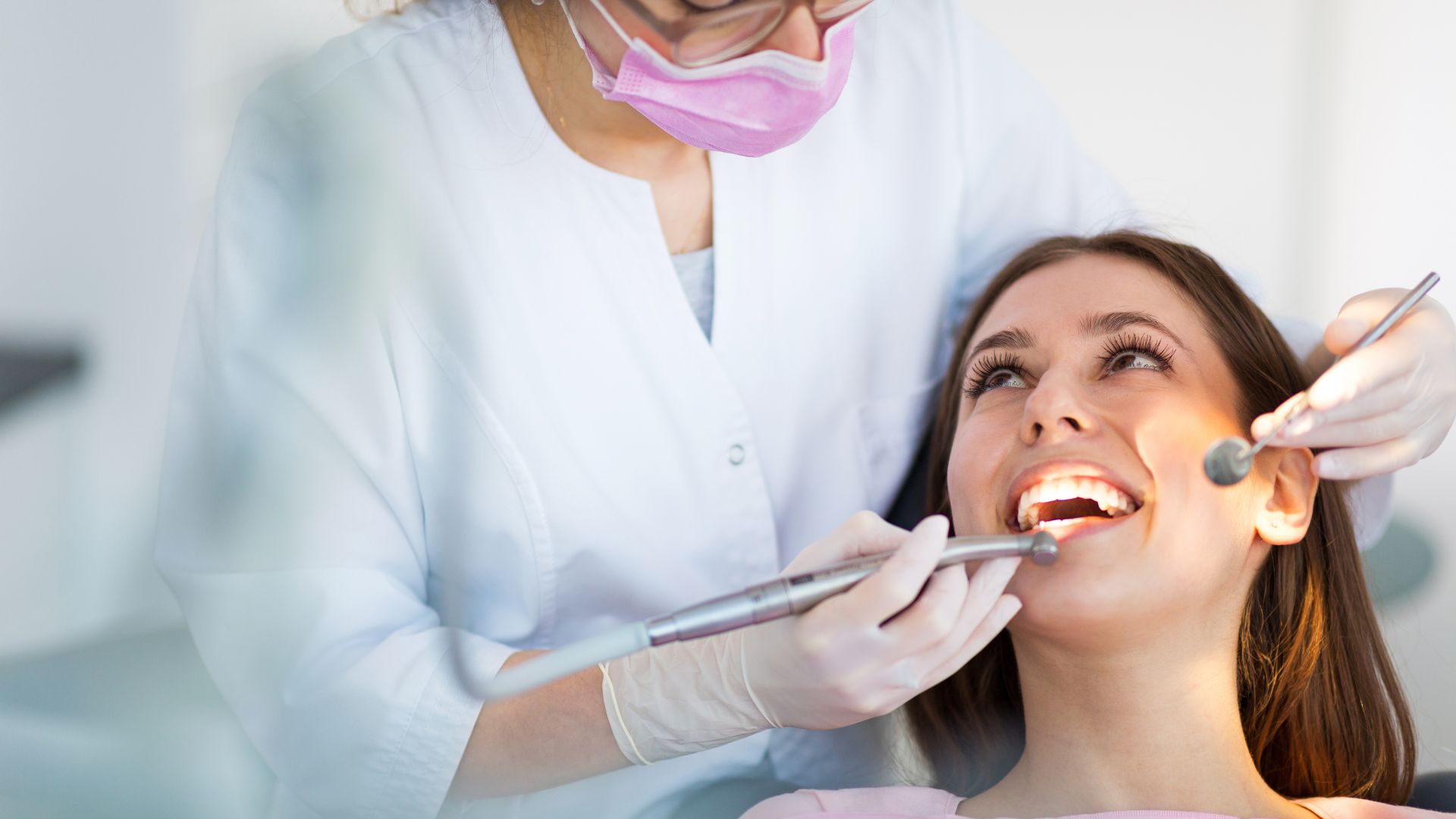
Clean teeth can change the way your mouth feels after meals, during conversations, and throughout everyday life in general. Dental hygiene in Playa Vista gives patients a professional way to reduce buildup, protect gum tissue, and understand the small habits that influence long-term oral health. Instead of treating cleanings as a quick polish, this visit looks at plaque patterns, gum response, breath concerns, enamel texture, and areas that may need more consistent support at home. The result is a more informed hygiene routine that feels realistic, personal, and connected to overall wellness.

Some patients schedule hygiene visits because their teeth feel rough, their gums bleed, or their breath does not stay fresh as long as they expect. Others simply want a healthier routine that supports a brighter smile, more comfortable gums, and better confidence between dental appointments. Dr. Kaitie Beetner’s Kois-trained perspective brings added depth to prevention by connecting hygiene, tooth stability, bite function, and patient education in a way that feels thoughtful rather than rushed. Call Westside Aesthetic Dentistry today at (424) 216-9669 to schedule an appointment for your dental hygiene in Playa Vista.

What Dental Hygiene in Playa Vista Helps Prevent Over Time

Dental hygiene in Playa Vista helps protect the parts of your mouth that are easy to overlook until discomfort, bleeding, or buildup start changing daily comfort. Cleanings and hygiene visits focus on the patterns that influence gum health, enamel strength, breath freshness, and the way your teeth feel between appointments. At Westside Aesthetic Dentistry, hygiene care is approached as a personalized part of long-term wellness rather than a rushed cleaning. Instead of only removing plaque, this type of care gives patients a better understanding of where bacteria collect and why certain areas need more attention. A well-planned hygiene routine can make prevention feel less like guesswork and more like a practical part of overall wellness.

Dental concerns rarely appear without warning, although the earliest signs can be subtle enough to miss at home. Gum irritation, tartar buildup, enamel weakening, and persistent breath changes may develop gradually while the smile still looks healthy in the mirror. Dental hygiene in Playa Vista supports earlier awareness by helping patients understand what is forming, what can be improved, and what deserves follow-up care. This gives each visit a stronger purpose than simply leaving with polished teeth.

Plaque Buildup Can Lead To More Dental Problems

Plaque forms every day as bacteria collect on teeth, especially near the gumline, between teeth, and around areas that are harder to clean consistently. When plaque stays in place, acids can weaken enamel while bacteria irritate gum tissue and contribute to inflammation. Patients may not notice the earliest buildup until teeth feel rough, gums feel tender, or breath changes become harder to manage. A hygiene visit can identify the areas where plaque collects most often and explain how brushing, flossing, and professional cleanings work together. Better plaque control protects daily comfort and confidence.

Why Plaque Is Easy To Miss

Plaque can feel almost invisible when it first forms, which makes it difficult to judge by appearance alone. Some areas stay harder to clean because tooth shape, spacing, restorations, or brushing angles affect access. Professional evaluation helps patients understand the exact places where buildup needs more attention.

How Cleaner Surfaces Support Oral Health

Cleaner tooth surfaces make it harder for bacteria to remain undisturbed along the enamel and gum tissue. This can reduce irritation, improve breath freshness, and make daily brushing feel more effective. Consistent hygiene care helps the mouth feel smoother and easier to maintain.

Tartar Removal Helps Protect Gum Tissue

Tartar develops when plaque hardens on the teeth and can no longer be removed with a toothbrush or floss. This hardened buildup often forms along the gumline, where it can make tissue more irritated, swollen, or likely to bleed during daily care. Patients searching for teeth cleaning or gum health support may not realize tartar can continue affecting the gums even when brushing habits improve. Professional dental hygiene in Playa Vista can remove hardened buildup and create a healthier surface for home care. Removing tartar helps gums respond more comfortably.

Hardened Buildup Needs Professional Cleaning

Once plaque turns into tartar, home tools cannot remove it safely or completely. Dental instruments are designed to clean hardened deposits without damaging healthy tooth structure. This professional step can make daily hygiene efforts more effective afterward.

Gum Comfort Improves With Less Irritation

Gums often feel calmer when tartar and bacteria are removed from areas near the tissue. Reduced irritation can make brushing and flossing feel less tender over time. Healthier gum tissue also supports a cleaner, fresher feeling throughout the day.

Enamel Protection Starts With Better Hygiene

Enamel protects each tooth from daily chewing forces, temperature changes, acids, and bacteria. When plaque remains on the teeth, bacterial acids can weaken enamel and create early areas of mineral loss before a cavity becomes visible. Hygiene visits can help patients understand how diet, dry mouth, brushing technique, fluoride exposure, and buildup patterns affect enamel strength. This is especially important for patients who want a healthy smile that also looks naturally bright and well cared for. Strong enamel helps teeth stay comfortable longer.

Early Enamel Changes Can Be Quiet

Enamel weakening does not always cause pain right away. Some patients may only notice dullness, roughness, sensitivity, or changes around areas where food collects. Identifying these changes earlier can help guide better prevention before repair becomes necessary.

Daily Habits Affect Tooth Strength

Frequent snacking, acidic drinks, inconsistent flossing, and aggressive brushing can all influence enamel health. A hygiene visit can connect these habits with what your dentist or hygienist sees in the mouth. Practical adjustments can help protect tooth structure between appointments.

Fresher Breath Begins With Healthier Bacteria Control

Breath concerns can come from bacteria that collect on the tongue, between teeth, around gum tissue, or near older dental work. Mouthwash may temporarily improve freshness, but it cannot remove tartar, correct plaque patterns, or diagnose gum inflammation that contributes to recurring odor. Hygiene visits can help patients understand whether breath changes relate to buildup, dry mouth, gum irritation, food trapping, or home-care technique. Dental hygiene in Playa Vista offers a more complete path for patients who want fresher breath without relying only on temporary products. Better bacteria control supports lasting freshness.

Mouthwash Cannot Replace Professional Hygiene

Mouthwash may reduce odor for a short time, but it does not remove hardened deposits or clean below irritated gum edges. Persistent breath changes usually need a closer look at bacterial patterns and tissue health. Professional care can address causes that rinses cannot reach.

Freshness Reflects More Than Mint Flavor

A truly fresh-feeling mouth depends on clean teeth, healthier gums, tongue care, hydration, and consistent plaque control. When those factors work together, breath can feel cleaner throughout the day. Hygiene care helps patients build freshness from better oral health.

Why Professional Teeth Cleanings Reach More Than Brushing

Why Professional Teeth Cleanings Reach More Than Brushing Alone

Professional cleanings reach the areas that daily brushing can miss, especially near the gumline, between tight teeth, and around spaces where buildup tends to return. Dental hygiene in Playa Vista gives patients a more complete way to remove deposits, refresh the mouth, and understand why certain areas feel harder to keep clean. Brushing and flossing remain essential, yet home care cannot remove hardened tartar once it bonds to the tooth surface. A focused cleaning can make the mouth feel smoother, fresher, and easier to maintain.

A professional hygiene visit also gives patients feedback that is difficult to get from home routines alone. Your hygienist can identify brushing pressure, missed areas, gum response, stain patterns, and the type of buildup forming around specific teeth. Dental hygiene in Playa Vista becomes more valuable when patients leave knowing what changed, what improved, and what daily habits may help the results last longer. That level of education supports a cleaner smile and a more confident routine between appointments.

Hard-To-Reach Areas Need Professional Attention

Some areas collect plaque even when patients brush and floss with real effort. Back molars, crowded teeth, tight contacts, gumline curves, and spaces around restorations can make cleaning more difficult without professional tools. A hygiene visit can remove buildup from these spots while showing patients where home care may need a different angle or technique. This matters for wellness-focused patients who want prevention to feel specific rather than generic. Better access creates a cleaner foundation for oral health.

Tight Spaces Can Hold Hidden Buildup

Plaque can collect between teeth where toothbrush bristles cannot fully reach. Flossing helps, but tight contacts or uneven spacing may still leave certain areas vulnerable. Professional cleaning helps remove what daily routines may leave behind.

Molars Require Extra Support

Back teeth have grooves, curves, and surfaces that are harder to reach consistently. Food particles and plaque can remain around these areas longer than patients realize. Careful cleaning helps protect the chewing surfaces and gumline comfort.

Tartar Cannot Be Removed At Home

Tartar forms when plaque hardens and attaches firmly to tooth surfaces. Once buildup reaches that stage, brushing harder will not remove it and may irritate gum tissue instead. Professional instruments are designed to remove tartar safely while protecting enamel and surrounding tissue. Patients who want a polished, healthy-feeling smile often notice how different their mouth feels after hardened deposits are removed. Clean teeth should feel smooth without aggressive brushing.

Brushing Harder Is Not The Answer

Aggressive brushing can wear enamel and irritate gum tissue without removing tartar. Patients may believe extra pressure means better cleaning, but technique usually matters more than force. A hygiene visit can help correct habits before damage develops.

Safe Removal Protects Tooth Surfaces

Professional cleaning tools are used with precision to remove hardened deposits from enamel. This matters because tartar can stay attached in places that home tools cannot reach safely. Proper removal supports healthier gums and a smoother tooth surface.

Polishing Helps Teeth Feel Cleaner And Smoother

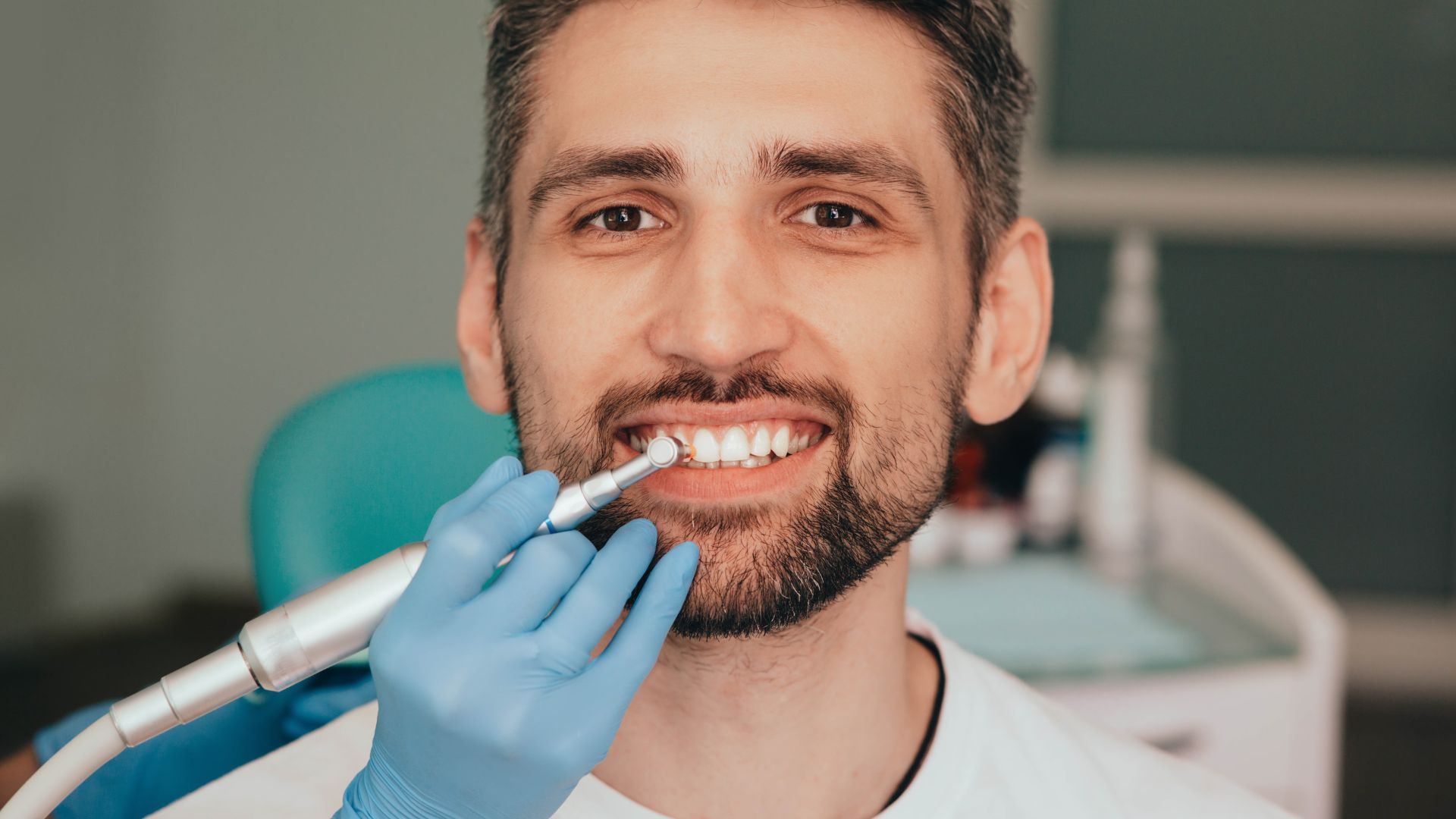
Polishing can remove surface stains and leftover texture that makes teeth feel rough after buildup has been removed. Smooth tooth surfaces can feel more comfortable against the tongue and may make daily brushing feel more effective. Patients who drink coffee, tea, or other stain-producing beverages may appreciate how polishing contributes to a fresher, cleaner appearance. This part of the cleaning is not only cosmetic because smoother surfaces can feel easier to maintain. A polished smile can feel naturally refreshed.

Surface Stain Can Dull A Smile

Everyday habits can leave stains on enamel even when teeth are healthy. Coffee, tea, certain foods, and buildup can make the smile look less bright than expected. Professional polishing can help refresh the surface without changing the natural tooth structure.

Texture Changes Affect Daily Cleanliness

Rough areas can make teeth feel less clean soon after brushing. Smoother surfaces may help patients notice when buildup returns and where extra attention is needed. This creates better awareness during home care.

Hygienist Feedback Makes Home Care More Effective

A cleaning visit should leave patients with more than a fresher mouth. Personalized feedback can show where plaque returns, which areas bleed easily, and how daily technique could become more effective. Patients may learn that a small change in flossing angle, brush placement, or product choice makes home care feel easier. This guidance fits patients who want dental care to feel educational, practical, and supportive of long-term wellness. Better instruction makes prevention easier to repeat.

Technique Matters More Than Effort

Many patients brush consistently but still miss the same areas because their technique needs adjustment. A hygienist can demonstrate small changes that improve access near the gumline and between teeth. Specific instructions make daily care feel more useful.

Better Routines Feel Easier To Maintain

Home care works best when it fits the patient’s mouth, schedule, and comfort level. Recommendations may include flossing tools, electric brushing guidance, tongue care, or sensitivity-friendly products. Practical routines are easier to keep consistent over time.

Booked Your Appointment?

Find information below to help make your visit smooth and easy.

Getting Here

Be sure to visit the parking page to find free street parking around the office.

Paperwork

We ask that you please complete your New Patient forms before you arrive via our Patient Portal.

Questions?

Feel free to reach out to us — we’re happy to help! You can call, text or email us anytime.

How Gum Health Affects Breath Comfort And Long-Term Dental Stability

How Gum Health Affects Breath Comfort And Long-Term Oral Stability

Healthy gums create the foundation for a mouth that feels cleaner, fresher, and more comfortable throughout the day. Gum tissue helps protect the roots of the teeth, support tooth stability, and reduce the bacterial irritation that can affect breath. Dental hygiene in Playa Vista gives patients a focused way to understand gum changes before tenderness, bleeding, or persistent odor becomes harder to manage. This type of care fits patients who want their smile to feel healthy, polished, and supported by thoughtful prevention.

Gum health also connects directly to how confident someone feels during meals, conversations, and daily routines. When bacteria collect near the gumline, the tissue can become inflamed, and that irritation may influence breath, comfort, and the way teeth feel during brushing or flossing. Dental hygiene in Playa Vista can help identify buildup patterns, gumline sensitivity, pocket depth changes, and hygiene habits that may need adjustment. A healthier gum environment supports a cleaner smile and steadier long-term oral health.

Healthy Gums Help Teeth Feel More Secure

Healthy gums fit closely around the teeth and help protect the structures that keep each tooth stable. When gum tissue stays calm, brushing and flossing usually feel more comfortable, and the mouth can feel cleaner for longer after a hygiene visit. Patients may not notice early gum changes right away, especially when inflammation develops slowly near areas that are harder to clean. A hygiene appointment can show where gum tissue looks irritated, where buildup collects, and where daily routines may need more precision. Strong gum support helps teeth feel steadier every day.

Gum Tissue Protects More Than Appearance

Gums do more than frame the smile because they help shield sensitive root surfaces and deeper support structures. When tissue becomes inflamed, the mouth may feel tender even before major symptoms appear. Earlier hygiene support can help patients maintain comfort before irritation becomes more noticeable.

Stability Depends On Consistent Gum Care

Tooth stability depends on healthy gum tissue, clean root surfaces, and reduced bacterial irritation. Routine hygiene visits help monitor these details before small changes affect daily comfort. Consistent care gives the gums a healthier environment.

Bleeding Gums Can Signal Deeper Irritation

Bleeding during brushing or flossing should not feel normal, even when it happens only occasionally. This symptom can come from plaque buildup, tartar, brushing technique, flossing changes, hormonal shifts, or inflammation that needs professional attention. Patients often wait to see whether bleeding improves, but persistent bleeding can suggest that bacteria are staying near the gumline longer than they should. Dental hygiene in Playa Vista can help determine whether the tissue needs a deeper cleaning approach, better home-care technique, or closer monitoring. Bleeding gums deserve a calm and timely evaluation.

Brushing Pressure May Not Be The Cause

Some patients assume bleeding happens because brushing feels too firm, but buildup near the gumline may create the irritation. Softer brushing alone may not solve the problem when tartar remains attached to the teeth. Professional cleaning can address the source more directly.

Early Changes Can Improve With Support

Gum irritation may respond well when patients receive the right cleaning and home-care adjustments. A hygienist can explain which areas need more attention without making care feel overwhelming. Early support can make daily cleaning feel easier.

Bad Breath May Start Below The Gumline

Persistent bad breath can feel frustrating when mints, rinses, and more frequent brushing only create short-term freshness. Bacteria can collect around the gumline, beneath irritated tissue edges, between teeth, or near dental work where food debris becomes trapped. Gum-related breath concerns may also appear with bleeding, tenderness, buildup, or a coated feeling that returns quickly after brushing. A hygiene visit can help identify whether odor is coming from gum inflammation, tartar, dry mouth, tongue buildup, or missed areas between teeth. Lasting freshness starts with healthier bacteria control.

Rinses Cannot Remove Hidden Buildup

Mouthwash can temporarily improve flavor and reduce odor, but it cannot remove tartar from the teeth. Hidden buildup near the gums can continue feeding bacteria even when breath products seem to help briefly. Professional hygiene care reaches the source more effectively.

Fresher Breath Needs Healthier Tissue

Breath often improves when gum tissue becomes less irritated and bacterial buildup decreases. Clean gumline areas make brushing and flossing feel more productive between appointments. Healthy tissue supports freshness in a more lasting way.

Gum Care Supports A Cleaner, Healthier Smile

A cleaner smile depends on more than polished enamel because gum health affects how fresh, smooth, and comfortable the entire mouth feels. When gums remain healthy, teeth can look more defined, breath can feel fresher, and daily hygiene can feel easier to maintain. Gum care also helps patients understand where plaque returns quickly and which habits may support better results between visits. This makes hygiene feel more personal, especially for patients who value wellness and want their smile to reflect consistent care. Healthy gums help the whole smile feel brighter.

Daily Habits Shape Gum Comfort

Small daily choices can influence how gums respond between appointments. Flossing angle, brushing technique, hydration, diet, and product selection can all affect tissue comfort. Better habits help professional cleaning results last longer.

A Cleaner Smile Feels More Confident

Patients often feel more comfortable speaking, smiling, and eating when the mouth feels fresh and healthy. Gum care supports that feeling by reducing irritation and improving daily cleanliness. A healthier foundation makes confidence feel more natural.

Signs Your Teeth And Gums May Need A Oral Hygiene Visit

Signs Your Teeth And Gums May Need A Hygiene Visit

Changes in your mouth can appear quietly before discomfort becomes obvious. Dental hygiene in Playa Vista gives patients a way to address buildup, gum irritation, breath changes, and texture concerns before those issues begin affecting daily confidence. Small signs like rough teeth, bleeding gums, or lingering sensitivity can point to areas that brushing alone cannot fully manage. A hygiene visit helps connect what you feel at home with what is actually happening around the teeth and gums.

Many patients try new toothpaste, mouthwash, or flossing tools before realizing the issue needs professional attention. A dental hygienist can identify tartar, gumline inflammation, dry mouth patterns, plaque retention, and areas that need more personalized home-care support. Dental hygiene in Playa Vista can make those answers feel practical instead of overwhelming. Better timing helps patients protect a cleaner, smoother, more comfortable smile.

Rough Tooth Surfaces That Return After Brushing

Teeth that feel rough shortly after brushing may have plaque, tartar, or stains collecting in areas that daily care cannot fully reach. This texture often develops behind the lower front teeth, near the gumline, around crowded spaces, or beside restorations where buildup can settle more easily. Patients may notice the tongue returning to the same spot during the day, which can make the mouth feel less fresh than expected. A hygiene visit can remove hardened buildup and explain why certain surfaces collect deposits faster than others. Smooth teeth make daily care feel more effective.

Buildup Often Forms In Predictable Areas

Tartar commonly gathers where saliva minerals meet plaque near the lower front teeth and upper molars. Crowded teeth, tight contacts, and older dental work can also create spaces that collect buildup faster. Identifying these patterns helps patients clean with better precision between visits.

Smooth Surfaces Support Better Home Care

Clean, polished tooth surfaces make it easier to feel when buildup starts returning. A smoother surface can also make brushing and flossing feel more productive. Professional cleaning gives patients a better foundation for daily hygiene.

Bleeding Gums During Normal Flossing

Bleeding gums can signal irritation from plaque, tartar, or bacteria collecting along the gumline. Even when bleeding appears only during flossing, repeated bleeding usually means the tissue needs attention rather than avoidance. Some patients stop cleaning tender areas because they worry that flossing caused the problem, yet skipping areas can allow more buildup to remain. A hygiene visit can determine whether the gums need professional cleaning, technique changes, or closer monitoring. Healthy gums should not bleed during routine care.

Tender Tissue Can Change Daily Habits

Gum tenderness may cause patients to brush lightly, skip flossing, or avoid certain areas completely. Those changes can allow plaque to stay longer, which may keep the tissue irritated. Professional support can make home care feel more comfortable again.

Technique Can Reduce Gumline Irritation

Flossing angle, pressure, and movement can affect how the tissue responds. A hygienist can show small adjustments that clean effectively without unnecessary irritation. Better technique helps patients protect gum comfort every day.

Breath That Loses Freshness Too Quickly

Breath that changes soon after brushing can feel frustrating, especially when mints or rinses only help briefly. The cause may involve bacteria around the gums, tongue coating, dry mouth, trapped food, or buildup between teeth. Recurring odor usually needs more than flavor-based products because the source often sits in areas that home care cannot fully clean. A hygiene appointment can identify where bacteria collect and how daily routines may need adjustment. Lasting freshness starts with healthier oral conditions.

Hidden Areas Can Hold Odor-Causing Bacteria

Food particles and bacteria can remain between teeth, below irritated gum edges, or around dental work. These spaces may not feel obvious during brushing because buildup develops gradually. Professional cleaning can reach places that daily tools may miss.

Moisture Levels Affect Breath Comfort

Dry mouth can allow bacteria and food debris to stay longer inside the mouth. Medication, hydration, mouth breathing, stress, and daily habits may all influence moisture levels. Understanding those factors can help patients maintain fresher breath.

Sensitivity Near The Gumline

Sensitivity near the gumline can make cold drinks, brushing, or certain foods feel uncomfortable. This feeling may come from gum recession, enamel wear, exposed root surfaces, plaque accumulation, or brushing pressure that has become too aggressive. Patients sometimes change products several times without knowing which factor is actually causing the symptom. A hygiene visit can help separate gum-related concerns from tooth-structure concerns and guide the next step. Accurate answers make sensitivity easier to manage.

Gumline Changes Need Gentle Evaluation

The gumline can become sensitive when tissue shifts or enamel thins near the root area. Abrasive products and forceful brushing may worsen discomfort instead of improving it. Professional evaluation helps identify care that protects both tissue and tooth structure.

Specific Causes Need Specific Solutions

Sensitivity care works best when recommendations match the actual source. Some patients may need fluoride support, technique changes, desensitizing products, or closer gum monitoring. Targeted guidance helps patients avoid unnecessary trial and error.

Stains And Dullness That Make Teeth Feel Less Clean

Surface stains can develop from coffee, tea, wine, colorful foods, and plaque that holds pigment against enamel. Dullness does not always mean teeth are unhealthy, but it can make a clean smile feel less polished than patients prefer. Hygiene visits can remove many surface stains while also checking whether discoloration connects to buildup, enamel texture, or older dental work. This matters for patients who want a smile that feels fresh, natural, and well-maintained without jumping straight into cosmetic treatment. A cleaner surface can restore everyday confidence.

Surface Stain Can Hide Hygiene Patterns

Stain can collect more heavily where plaque remains longer, or the tooth texture feels rougher. Those patterns may reveal areas where brushing angles or flossing routines need adjustment. Professional cleaning helps separate cosmetic staining from hygiene-related buildup.

A Refreshed Smile Starts With Clean Enamel

Clean enamel reflects light more evenly and often feels smoother against the tongue. Removing surface buildup can make the smile feel brighter without changing natural tooth color. Hygiene care supports a healthier foundation for appearance.

How Westside Aesthetic Dentistry Approaches Oral Hygiene in Playa Vista

How Westside Aesthetic Dentistry Approaches Dental Hygiene in Playa Vista

Westside Aesthetic Dentistry approaches dental hygiene in Playa Vista as a personalized wellness visit that should leave patients feeling informed, refreshed, and more connected to their oral health. Hygiene care is not treated as a quick polish because plaque patterns, gum response, enamel texture, breath quality, and daily habits all tell a larger story. Dr. Kaitie Beetner’s Kois-trained background adds a broader perspective to prevention by considering how cleanings, bite forces, tooth stability, and long-term comfort work together. Patients receive care that feels attentive, modern, and centered on understanding rather than pressure.

Dental hygiene in Playa Vista should help patients feel more confident about what is happening inside their mouth between appointments. The practice uses a calm pace, thoughtful explanations, and quality-focused care to make hygiene visits feel less routine and more useful. Patients who care about wellness, aesthetics, and long-term health can expect a visit that respects both comfort and prevention. Westside Aesthetic Dentistry builds hygiene care around education, trust, and a healthier everyday smile.

Hygiene Visits Built Around Patient Education

A hygiene visit should give patients more than clean teeth because education can change how oral health feels between appointments. Westside Aesthetic Dentistry uses each appointment to explain where buildup forms, how gum tissue is responding, and which habits may need small adjustments. Patients can ask questions about bleeding, roughness, sensitivity, breath changes, or areas that never seem to feel completely clean. This kind of conversation makes hygiene care feel more personal because the information connects directly to what someone notices at home. Better education turns prevention into something patients can actually use.

What Visual Explanations Can Make Easier

Visual explanations can make hygiene findings easier to understand because patients can connect the conversation with what is happening in their own mouth. Photos, scans, and chairside discussion may help clarify areas of buildup, irritation, wear, or staining. When information feels visible and specific, daily care becomes less confusing.

Why Understanding Supports Better Daily Care

Patients are more likely to maintain routines when they understand the reason behind each recommendation. A small change in flossing angle, brush placement, or product choice can feel more meaningful when it connects to a visible concern. Education makes prevention feel practical instead of vague.

Kois-Trained Prevention With A Broader Health Perspective

Dr. Beetner’s Kois-trained perspective brings added depth to hygiene care by looking beyond surface cleanliness alone. Prevention can involve gum health, tooth structure, bite pressure, restoration edges, enamel wear, and the way daily habits influence long-term stability. This matters for patients who want care that respects the connection between oral health, comfort, and overall well-being. A hygiene visit can reveal small patterns that deserve attention before they affect function or confidence. Thoughtful prevention looks at the whole mouth together.

How Bite Function Connects With Hygiene

Bite forces can influence where teeth wear, where gums feel stressed, and where buildup may collect around restorations or uneven surfaces. A hygiene visit may reveal patterns that suggest clenching, grinding, or pressure on certain teeth. Understanding those forces can help patients see why prevention involves more than brushing alone.

Why Stability Matters Beyond Clean Teeth

Clean teeth matter, but long-term oral health also depends on stable gums, protected enamel, and balanced function. When those pieces work together, patients can feel more comfortable chewing, speaking, and smiling. Stability gives hygiene care a deeper purpose.

Comfortable Cleanings That Respect Patient Sensitivity

Hygiene care should feel calm enough for patients who have sensitivity, gum tenderness, dental anxiety, or past experiences that made cleanings feel uncomfortable. Westside Aesthetic Dentistry takes a patient-centered approach that respects pacing, communication, and the need for explanations before treatment begins. Patients should feel able to speak up if an area feels tender or if a pause would make the visit easier. A more comfortable appointment can help people stay consistent with preventive care instead of postponing visits until symptoms become harder to manage. Comfort can shape long-term health habits.

Why Gentle Pacing Changes The Experience

Gentle pacing gives patients more control during a hygiene visit, especially when gums feel tender or teeth feel sensitive. A slower approach can make the appointment feel less overwhelming and more collaborative. Patients can relax more easily when care does not feel rushed.

How Comfort Helps Patients Stay Consistent

People are more likely to return for routine hygiene care when cleanings feel respectful and manageable. Consistent visits help prevent buildup, gum irritation, and avoidable discomfort from progressing between appointments. Comfortable dentistry makes prevention easier to keep.

Modern Tools That Make Hygiene More Personalized

Modern dental tools can make hygiene visits more precise, visual, and tailored to the patient’s actual needs. Intraoral scanning and clinical photography can help document gumline changes, tooth texture, wear patterns, and areas where buildup tends to return. These details give patients a stronger understanding of how their mouth changes over time. Instead of relying only on memory or general advice, the practice can use information from each visit to support more personalized prevention. Technology makes hygiene care feel more connected.

How Detailed Records Guide Better Prevention

Detailed records help the dental team compare changes in gum tissue, enamel surfaces, restorations, and areas of recurring buildup. These comparisons can show whether home-care adjustments are working or whether certain areas need added support. Better records make preventive recommendations more specific.

Why Personalized Care Supports Long-Term Results

Personalized hygiene care considers tooth shape, gum response, sensitivity, restorations, habits, and patient goals. This approach helps recommendations feel realistic rather than generic. Long-term results improve when care reflects the person receiving it.

Quality-Focused Hygiene For A Healthier Smile

A quality-focused hygiene experience pays attention to the details that influence how clean, comfortable, and supported the mouth feels after the visit. Westside Aesthetic Dentistry does not cut corners on supplies, materials, or care standards because those choices affect the patient experience and the quality of the final result. That mindset matters even during preventive visits because comfort, precision, polish, and education all shape how patients feel when they leave. Patients who value health and aesthetics deserve hygiene care that treats prevention as an important part of their overall smile. Better standards create a more reassuring visit.

Why Materials And Methods Still Matter

The tools, products, and methods used during a hygiene visit can influence comfort, cleanliness, and how polished the teeth feel afterward. Careful technique can support sensitive areas while still removing buildup effectively. Quality becomes noticeable when the visit feels both thorough and comfortable.

How Better Standards Shape Patient Trust

Trust grows when patients can feel that no part of the visit is treated as an afterthought. Thoughtful hygiene care shows respect for comfort, health, appearance, and long-term prevention. Patients can feel more confident returning for ongoing care.

Begin your care experience

Schedule a Visit for Dental Hygiene in Playa Vista With Westside Aesthetic Dentistry Today

A refreshed smile can make everyday moments feel more comfortable. Dental hygiene in Playa Vista gives you a meaningful way to protect the small details that influence comfort, confidence, and long-term oral wellness. Westside Aesthetic Dentistry brings a thoughtful approach to hygiene care so each visit feels useful rather than just routine. Your smile deserves preventive care that feels personal, thorough, and easy to understand.

Your next hygiene visit can help you learn where buildup forms, how your gums are responding, and what daily habits may keep your mouth feeling healthier between cleanings. Dental hygiene in Playa Vista is also an opportunity to support the kind of natural, well-maintained smile that fits your health and aesthetic goals. Westside Aesthetic Dentistry welcomes patients who want modern care delivered with warmth, patience, and attention to detail. Call Westside Aesthetic Dentistry at (424) 216-9669 or visit our contact page to schedule your dental hygiene visit today.

Westside Aesthetic Dentistry

Contact Us

Click below to schedule an appointment with us.

Book an Appointment