
Teeth Whitening for Coffee Stains in Playa Vista
Teeth whitening for coffee stains in Playa Vista helps patients address the kind of discoloration that builds from repeated exposure, especially when pigments settle into enamel texture over time. Westside Aesthetic Dentistry evaluates where coffee stains collect, how the enamel reflects light, and whether sensitivity or older dental work may affect whitening results. This type of planning helps treatment target visible discoloration without guessing at the best approach.
You should not have to choose between enjoying coffee and understanding how to keep your smile brighter. Teeth whitening for coffee stains in Playa Vista can improve common coffee-related discoloration when natural enamel is healthy enough for whitening, and the shade goal stays realistic. Dr. Kaitie Beetner explains how coffee pigments behave, which areas may brighten well, and what aftercare steps can help slow new staining after treatment. Patients receive practical recommendations that fit real routines instead of unrealistic advice that feels impossible to maintain. Call Westside Aesthetic Dentistry at (424) 216-9669 to schedule a teeth whitening visit for coffee stains today.
Why Coffee Stained Teeth Need Professional Whitening Planning
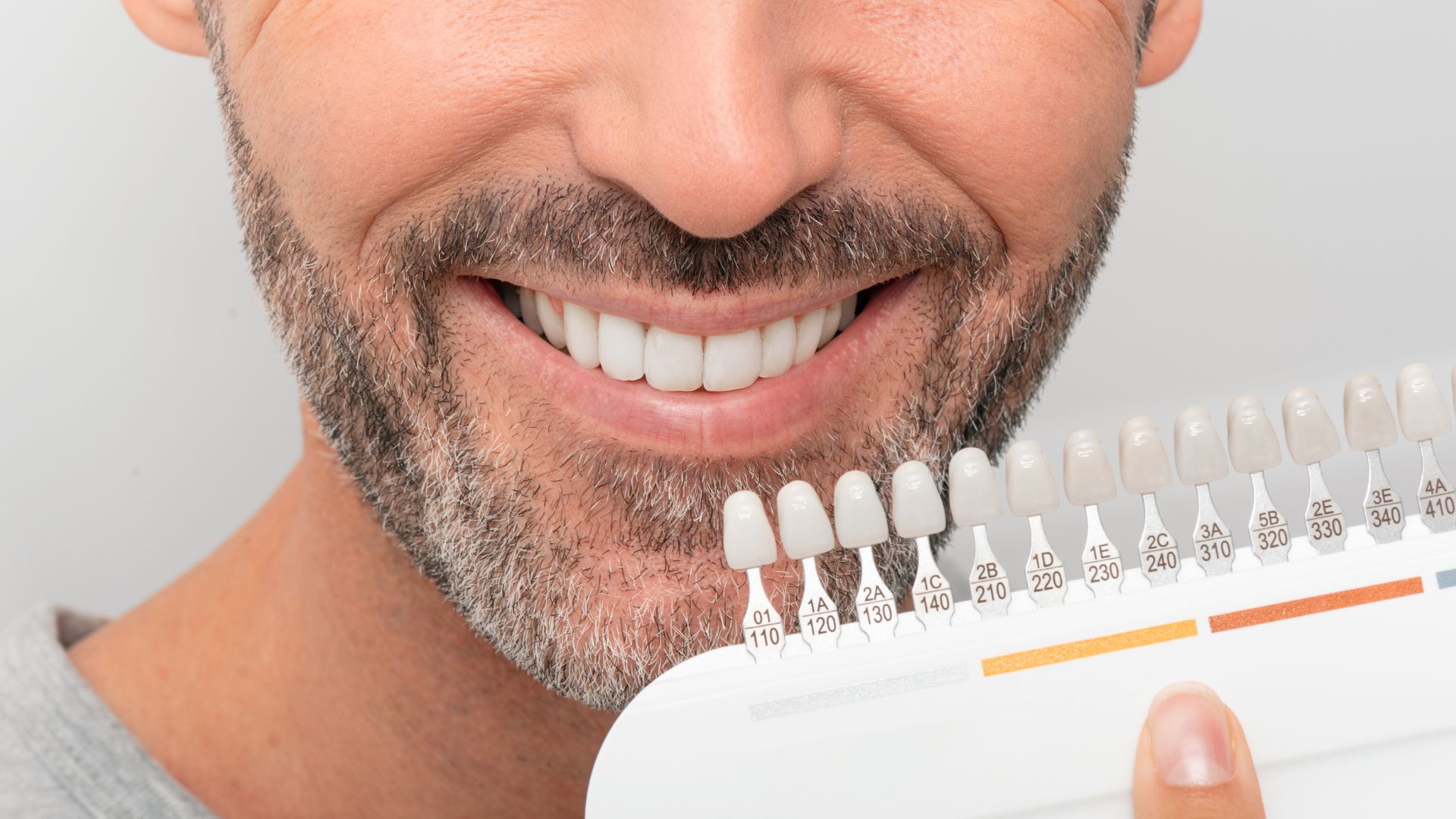
Teeth whitening for coffee stains in Playa Vista should begin with an evaluation of where the coffee pigment sits on the enamel. Coffee can darken the edges of front teeth, settle between teeth, and make small surface textures look more noticeable under bright lighting. A professional whitening plan helps identify which stained areas may respond well and which areas may need cleaning, polishing, or a different cosmetic approach first. Westside Aesthetic Dentistry evaluates coffee staining with attention to enamel condition, sensitivity history, visible dental work, and the patient’s preferred shade goal. That kind of planning helps whitening target the actual stain pattern rather than treating every tooth the same way.
Coffee stains can look simple from a distance, but the details become more important once whitening begins. Some discoloration sits close to the enamel surface, while other warmth may come from aging enamel, older bonding, exposed root areas, or natural tooth color beneath the surface. Teeth whitening for coffee stains works best when those differences are explained before treatment starts. Patients can then understand why certain teeth may brighten faster, why some areas may remain warmer, and how daily coffee habits may affect maintenance. Better planning makes the whitening process feel more practical and predictable.
Coffee pigment often collects in the areas patients notice most, especially along front teeth that show during speech, smiling, and video calls. The stain may look heavier near textured enamel, tight spaces between teeth, or edges where light reflects unevenly. These zones can make the smile appear dull even when the teeth feel smooth after brushing. Professional evaluation helps identify whether the discoloration comes from surface stain, deeper color, or buildup that needs attention before whitening. Teeth whitening becomes more targeted when the most visible stain zones are reviewed first.
Front Tooth Edges Can Darken From Coffee
Front tooth edges can show coffee discoloration because they catch light during conversation and photos. Small changes in color along these edges may make the smile look less crisp. Evaluating these areas first helps whitening focus on the details patients actually see.
Tight Spaces Can Hold Coffee Stain
Coffee pigment can settle between teeth where brushing may not reach as consistently. These narrow spaces can look darker because stain and shadow appear together. A professional review helps determine whether whitening, cleaning, or both should address those areas.
Enamel is not perfectly flat, and small surface variations can influence how coffee stain collects over time. Teeth with tiny grooves, rough patches, worn edges, or exposed texture may hold pigment more stubbornly than smoother enamel. Whitening may still improve the color, although textured areas can respond differently across the smile. A dentist can explain how enamel texture may affect the pace and evenness of the result. Understanding the enamel surface helps patients avoid unrealistic expectations.
Rougher Enamel Can Trap Coffee Pigment
Rougher enamel gives coffee pigment more places to settle during repeated daily exposure. This can make certain teeth look darker even when the overall smile remains healthy. Professional planning helps determine whether polishing or whitening should come first.
Worn Edges May Look Less Even
Worn edges can reflect light differently than thicker, smoother enamel. After whitening, these areas may still appear slightly warmer or more translucent. Evaluating wear before treatment helps create a more realistic shade plan.
Bonding, fillings, crowns, and veneers do not brighten the same way natural enamel does. Coffee stains around older dental work can make color differences more noticeable before or after whitening. If natural teeth brighten but restorations stay the same shade, the smile may look less even than expected. A dentist can identify visible dental work before whitening so patients understand whether future replacement may be needed for better blending. This step prevents avoidable surprises after treatment.
Bonding May Look Warmer After Whitening
Bonding keeps the shade it had when originally placed. Once nearby enamel brightens, older bonding may appear more yellow or dull. Planning ahead helps patients understand whether bonding updates may improve the final result.
Crowns And Veneers Need Shade Review
Crowns and veneers do not respond to whitening materials. Coffee stains on nearby enamel can brighten while porcelain remains unchanged. Reviewing these restorations before treatment helps protect overall smile harmony.
Coffee drinkers may already notice sensitivity if enamel wear, gum recession, or exposed root areas are present. Whitening can feel different for each patient, especially when the teeth react to cold drinks or past whitening products. A professional consultation allows comfort concerns to shape product selection, timing, and aftercare recommendations. Teeth whitening for coffee stains should support brightness without ignoring how the teeth already feel. Comfort planning makes the whitening experience more controlled.
Gumline Sensitivity Needs Early Discussion
Gumline sensitivity can appear when root surfaces become exposed or enamel thins near the tissue. These areas may react more strongly during whitening if they are not identified first. Discussing sensitivity early helps treatment feel more manageable.
Previous Whitening Reactions Matter
Past whitening sensitivity can reveal how the teeth may respond again. Product strength, treatment timing, and preparation steps may need adjustment. Reviewing previous reactions helps patients avoid repeating an uncomfortable experience.
Daily Coffee Habits And Long Term Whitening Maintenance
Coffee stains return through repeated contact, not only through the number of cups someone drinks each day. Teeth whitening for coffee stains in Playa Vista can brighten enamel, but the result lasts longer when patients understand how sipping time, drink temperature, enamel texture, and cleaning habits affect new pigment buildup. A cup finished with breakfast gives coffee less time on the teeth than a drink carried through meetings, errands, or a long commute. Cold brew, espresso drinks, and hot coffee can each contact the front teeth differently depending on how someone drinks them. Maintenance becomes more realistic when the plan addresses the patient’s actual coffee routine.
A useful whitening plan should preserve brightness without asking patients to give up a daily habit they genuinely enjoy. Teeth whitening for coffee stains works best when aftercare focuses on practical habits that fit mornings, work schedules, travel days, and social plans. Rinsing with water after coffee, avoiding hours of slow sipping, and keeping plaque from collecting between teeth can reduce visible stain return. A dentist can also recommend cleaning intervals and touch-up timing based on how quickly coffee pigment returns. Long-term whitening success depends on habits patients can repeat.
Coffee contact time can influence how quickly new stains appear after whitening because enamel receives more pigment exposure during extended sipping. A patient who drinks one cup during breakfast may create less repeated contact than someone who nurses coffee through an entire morning. The front teeth usually show this exposure first because liquid passes across them during every sip. Shortening contact time can help preserve brightness without removing coffee from the routine completely. Smaller timing changes can protect whitening results meaningfully.
Slow Sipping Can Increase Stain Exposure
Slow sipping keeps coffee moving across enamel many times during the morning. This repeated exposure can darken front teeth faster than patients expect. Finishing coffee within a shorter window may reduce stain buildup.
Water Rinsing Helps Clear Coffee Residue
Water rinsing helps move leftover coffee pigment away from enamel surfaces. This habit works especially well when brushing is not convenient. A quick rinse can make maintenance easier during busy days.
Morning coffee timing can affect whitening maintenance because enamel may be exposed to pigment before the mouth feels fully clean. Some patients drink coffee before brushing, while others brush first and sip immediately afterward. Whitening aftercare should account for sensitivity, acidity, and gumline comfort so the routine does not create irritation. Brushing aggressively right after coffee may feel uncomfortable for patients with sensitive teeth or exposed root areas. Better timing protects both shade and comfort.
Brushing Timing Should Respect Tooth Sensitivity
Brushing timing matters when coffee acidity and whitening sensitivity overlap. Patients may need guidance on rinsing, brushing, and product use after coffee. A gentler routine can protect enamel comfort after whitening.
Clean Enamel Resists Coffee Buildup Better
Plaque can hold coffee pigment and make teeth look dull sooner. Consistent brushing and flossing reduce buildup between teeth and near the gumline. Cleaner enamel helps whitening results stay brighter between visits.
Cream, milk, syrups, and sweeteners can change how coffee contacts the teeth during a normal routine. Lighter coffee may look less staining, but coffee pigment still reaches enamel with repeated daily exposure. Sweetened drinks can leave more residue on the teeth, especially when patients sip slowly or skip water afterward. That residue can make the smile feel less clean and give pigment more surface buildup to cling to. Maintenance advice should address the whole drink, not coffee color alone.
Lighter Coffee Still Contacts Enamel Pigment
Cream changes the color of coffee, but it does not remove staining potential. Repeated exposure can still warm the shade of visible enamel. Patients should maintain aftercare habits with any coffee style.
Sweet Coffee Drinks Can Leave Residue
Sweet coffee drinks can leave a film that collects along teeth. That residue may make surface stains look heavier between cleanings. Reducing lingering buildup helps the smile stay cleaner after whitening.
Coffee stain maintenance works best when professional cleanings and whitening touch-ups follow the patient’s real staining pattern. Some patients hold their brighter shade for months with steady home care, while daily coffee drinkers may notice warmth returning sooner. A dentist can compare current shade with the post-whitening result and recommend care before discoloration becomes more obvious. Teeth whitening should include a maintenance plan instead of treating whitening as a one-time event. Ongoing shade review keeps the smile from slowly dulling again.
Professional Cleanings Clear Coffee Stain Buildup
Professional cleanings can remove buildup that makes coffee stains appear darker. Clean enamel also helps the dentist judge true shade changes more accurately. Regular visits separate surface buildup from deeper tooth color.
Touch Ups Should Match Coffee Exposure
Whitening touch-ups should reflect how often coffee stains return. Patients with heavier coffee exposure may need a different schedule than occasional drinkers. Personalized timing keeps maintenance practical and more predictable.
How Westside Aesthetic Dentistry Helps Coffee Drinkers Maintain A Brighter Smile
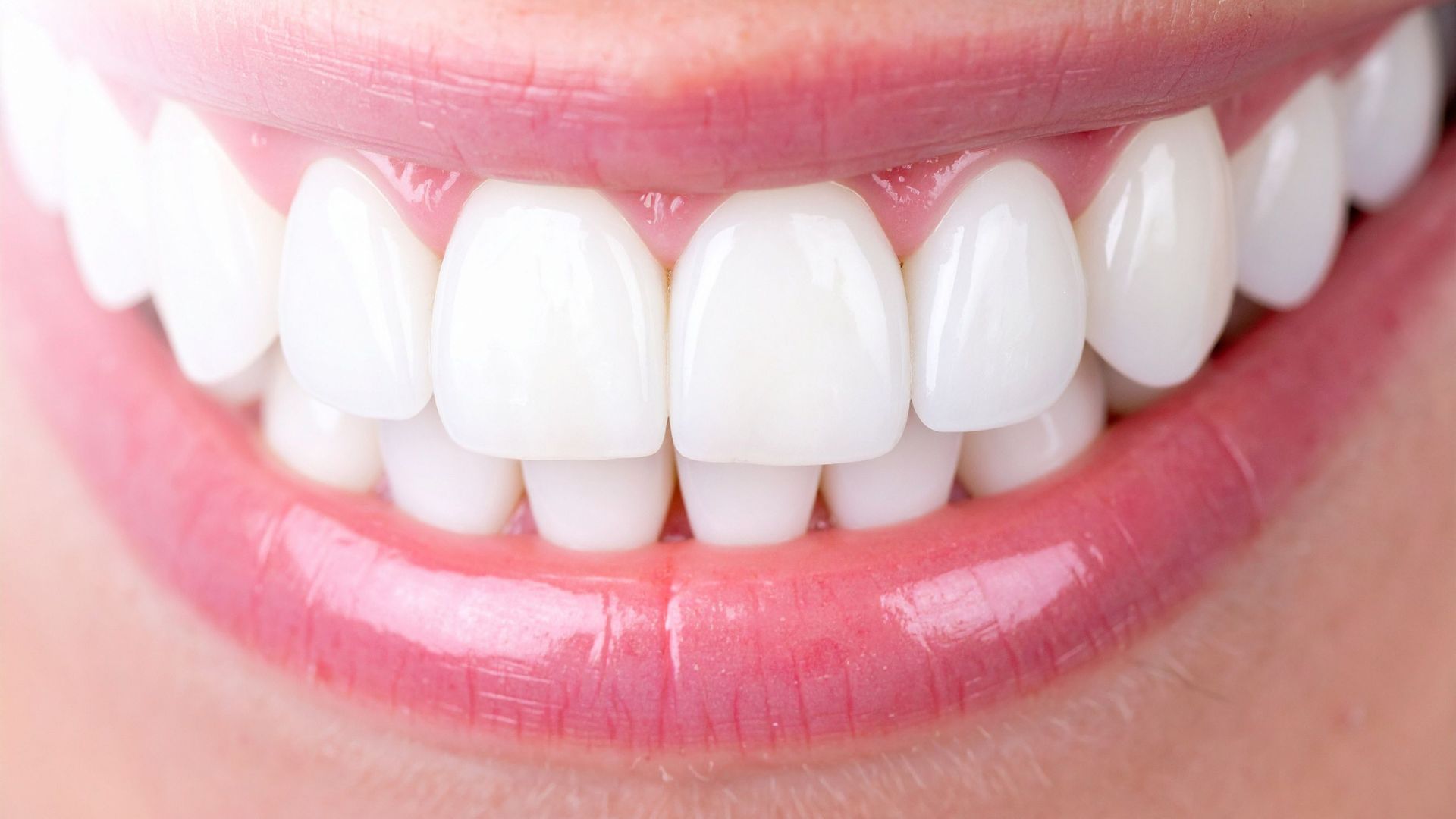
Westside Aesthetic Dentistry helps coffee drinkers maintain whitening results by building care recommendations around the way staining actually returns after treatment. Dr. Kaitie Beetner looks at visible front tooth shade, gumline stain, plaque-prone areas, sensitivity concerns, and the patient’s normal coffee routine before giving maintenance guidance. Teeth whitening for coffee stains in Playa Vista becomes more useful when patients leave with specific habits they can repeat, not vague instructions to avoid everything dark. That approach may include timing guidance, home care recommendations, professional cleaning intervals, and future shade reviews when coffee color starts returning. Maintenance works better when it respects real life.
Dr. Beetner also considers how premium materials, clinical photography, and patient education can make whitening maintenance more precise. Photos may help patients see where coffee stain returns first, especially between teeth, along textured enamel, or near older bonding. Teeth whitening for coffee stains in Playa Vista should not end with the appointment because coffee exposure continues through mornings, workdays, commutes, and social routines. The goal is to help patients understand how their shade changes over time and when a touch-up may make sense. A practical plan keeps brightness from fading unnoticed.
Coffee stain tracking helps patients understand where discoloration returns first after whitening. Some patients notice warmth along the front teeth, while others see darker color near the gumline or between teeth. Dr. Beetner can compare shade changes over time instead of waiting until the smile looks noticeably dull again. This makes maintenance easier because small changes can be addressed before staining becomes heavier. Shade tracking gives coffee drinkers a clearer maintenance rhythm.
Front Tooth Shade Changes Need Follow-Up
Front teeth usually reveal coffee stain return before less visible teeth. These teeth show during photos, video calls, and natural conversation. Follow-up shade review helps patients notice early color changes accurately.
Gumline Stain Can Return Unevenly
Coffee stain near the gumline can return faster when plaque collects along the tooth border. This area may look darker even when the rest of the enamel remains bright. Targeted maintenance helps prevent uneven color from drawing attention.
Personalized home care gives coffee drinkers a realistic way to protect whitening results without abandoning their routine. Dr. Beetner may recommend specific brushing habits, flossing attention, rinse timing, or comfort-focused products based on the patient’s enamel and sensitivity history. This matters because generic whitening advice often ignores how someone actually drinks coffee during a busy week. Patients can maintain results more consistently when the plan feels practical and specific. Better home care helps coffee stains return more slowly.
Rinse Timing Can Reduce Coffee Residue
Rinsing after coffee helps move pigment away from enamel before it settles longer. This step can fit naturally into workdays, travel, or morning routines. Simple timing changes can support a brighter post-whitening shade.
Flossing Helps Control Between-Tooth Stain
Coffee pigment can collect where teeth touch and brushing reaches less consistently. Flossing helps reduce buildup that makes those narrow spaces look darker. Cleaning between teeth supports a more even whitening result.
Premium whitening guidance includes knowing when to maintain results at home and when professional touch-ups may be more appropriate. Westside Aesthetic Dentistry does not treat whitening as a one-time cosmetic fix because coffee habits can change tooth shade gradually. Dr. Beetner can help patients understand whether dullness comes from new surface stain, buildup, or deeper tooth color that needs a different discussion. This prevents patients from overusing whitening products without knowing what is actually changing. Thoughtful touch-up planning protects comfort and shade stability.
Touch Ups Should Avoid Over Whitening
Too many whitening attempts can increase sensitivity without improving the smile meaningfully. Touch-up timing should reflect actual shade change, not anxiety about every small difference. Professional guidance helps patients avoid unnecessary whitening cycles.
Product Choices Should Match Sensitivity Risk
Some patients need whitening products selected with extra attention to sensitivity. Enamel wear, gum recession, and prior reactions can all influence comfort. Matching products to tooth response makes maintenance safer and calmer.
Clinical photography can make long-term whitening maintenance more objective because patients can compare shade changes under consistent conditions. Bathroom lighting, car mirrors, phone flashes, and outdoor sunlight can all make coffee stains look different. Dr. Beetner can use images to help patients see whether brightness has changed, where stain is returning, and whether maintenance timing makes sense. This visual record can make follow-up decisions more specific than memory alone. Photos help coffee drinkers monitor results with confidence.
Lighting Differences Can Distort Tooth Shade
Tooth color can appear warmer, brighter, or duller depending on the lighting source. Patients may worry about shade changes that are partly caused by reflections or shadows. Consistent photography gives a more dependable comparison point.
Visual Reviews Make Maintenance More Precise
Visual reviews help patients see exactly where coffee stains return. This makes recommendations feel easier to understand and follow. Better visibility turns maintenance into a more informed process.
Schedule Teeth Whitening For Coffee Stains in Playa Vista
Teeth whitening for coffee stains in Playa Vista gives you a professional way to separate surface pigment from deeper teeth shade concerns before choosing treatment. Westside Aesthetic Dentistry helps patients understand how enamel texture, daily coffee timing, and sensitivity history can affect whitening results. Dr. Kaitie Beetner uses that information to create a teeth whitening plan that fits your teeth and your routine.
A brighter smile should not depend on confusing store-bought products or unrealistic advice about giving up coffee completely. Teeth whitening for coffee stains in Playa Vista may help your smile look cleaner while giving you practical aftercare for new stain buildup. Call Westside Aesthetic Dentistry at (424) 216-9669 or visit our contact page to speak with our dentist and learn how we can help with teeth whitening for coffee stains in Playa Vista.