
Dental Implants in Playa Vista
A missing tooth can change how you chew, speak, smile, and feel in photos. If you are searching for Dental Implants in Playa Vista, you are probably looking for a replacement tooth that feels stable, looks natural, and supports your long-term oral health. Westside Aesthetic Dentistry helps patients understand whether implant-based restoration may be the right fit for their smile, bite, and daily comfort.
Dental implants can replace missing teeth with support that sits below the gumline and connects to a custom restoration above it. For many patients, that restoration may be an implant crown, an implant-supported bridge, or an implant-retained prosthesis. The right option depends on your bone health, gum health, bite, goals, and the number of teeth you need to replace.
Westside Aesthetic Dentistry brings a patient-centered approach to restorative care in Playa Vista. Dr. Kaitie Beetner focuses on clear education, thoughtful planning, and dentistry that respects both health and aesthetics. If you are ready to talk through your options, call Westside Aesthetic Dentistry at (424) 216-9669 today.
Why Patients Choose Dental Implants in Playa Vista for Missing Teeth
People usually start thinking about dental implants when a missing tooth begins affecting normal life. You may avoid chewing on one side, hide your smile in photos, or notice that food gets trapped around the gap. Some patients feel fine at first, then realize the missing tooth changes how their bite feels over time.
Westside Aesthetic Dentistry helps patients in Playa Vista look at tooth replacement through both a health and aesthetic lens. The goal is to understand what your mouth needs, what you want your smile to look like, and whether an implant-based option makes sense for your long-term comfort. Dental implants may help restore a stable biting surface while supporting a replacement tooth that looks more like part of your natural smile.
A missing tooth can make everyday moments feel more complicated than they should. You may chew carefully during dinner, skip crunchy foods, or feel a small hesitation before laughing in a group photo. If the missing tooth sits near the front of your mouth, even one gap can affect how you speak or how comfortable you feel when meeting new people.
The surrounding teeth may also start taking on more pressure. Your bite depends on balance, and a missing tooth can change how force moves through your mouth. Over time, that can make nearby teeth work harder than they should during chewing.
For patients near Playa Vista, Marina del Rey, Culver City, Mar Vista, and Del Rey, the decision to replace a missing tooth often comes down to quality of life. You want to eat comfortably, speak clearly, and smile without thinking about the gap first. That is exactly why this page should speak to both function and appearance, because both matter.
A dental implant is designed to support a restoration from below the gumline. Once restored, the visible part of the treatment is usually a crown, bridge, or prosthesis shaped to work with your smile. This can help create a more stable replacement than a removable option for patients who qualify.
The natural-looking part matters. A replacement tooth should not look bulky, flat, too bright, or out of place next to nearby teeth. Shade, shape, gumline position, and bite contact all affect whether the final restoration looks and feels right.
Westside Aesthetic Dentistry’s aesthetic approach fits this type of planning well. Patients who care about appearance often want a result that looks clean and natural, not artificial. That means implant planning should consider how the tooth functions, how it photographs, and how it fits with the rest of the smile.
Dental implants connect closely to general dentistry because a missing tooth does not exist in isolation. Your gums, bone, bite, hygiene habits, neighboring teeth, and overall oral health all affect the final plan. A thoughtful evaluation looks at the full mouth before focusing on the missing tooth alone.
This is especially important when the missing tooth has been gone for a while. A patient may come in asking for one implant, but the dentist may need to evaluate spacing, gum health, bone support, and how the opposing tooth bites into that area. In some cases, the treatment plan may require coordinated care before the implant restoration can move forward.
At Westside Aesthetic Dentistry, Dental Implants in Playa Vista belong within a broader general dentistry plan. The practice can help patients understand how implant restoration may fit with hygiene, restorative dentistry, cosmetic goals, and long-term oral wellness. That bigger picture matters when you want a replacement tooth that supports your smile instead of creating new problems.
How a Playa Vista Dental Implant Dentist Evaluates Your Smile
A good dental implant plan starts with more than the empty space in your smile. Your dentist needs to understand why the tooth is missing, how long it has been gone, how your gums look, how your bite comes together, and what kind of restoration would fit your daily life. That kind of evaluation helps prevent rushed treatment decisions.
Westside Aesthetic Dentistry takes this planning seriously because dental implants affect both function and appearance. A patient replacing a back molar may care most about chewing strength. A patient replacing a visible front tooth may care about gum shape, tooth color, and how the restoration looks when they speak or smile.
A dental implant consultation usually starts with a conversation about your goals and dental history. You may explain when the tooth was removed, whether you had infection or trauma in the area, and what problems the gap causes now. The dentist may also ask about your health history, medications, smoking, grinding, and prior dental work.
The clinical exam helps connect those details to what is happening in your mouth. Your dentist may evaluate the missing tooth area, nearby teeth, gum tissue, bite pressure, and oral hygiene. If the implant itself needs surgical placement by a specialist, Westside Aesthetic Dentistry can help you understand the restorative plan and what coordination may be needed.
You should leave the consultation with a clearer sense of the next step. Sometimes that means moving forward with implant restoration planning. Other times, it means treating gum inflammation, reviewing bone support, or gathering more diagnostic information first.
How Bone Health and Gum Health Affect Dental Implant Planning
Dental implants need enough healthy support to stay stable. Bone quality, bone volume, and gum health all affect whether implant treatment can move forward. If the area has lost bone after an extraction or long-term tooth loss, the dentist may need to discuss whether additional evaluation or grafting could be necessary.
Gum health matters too. Inflamed or infected gum tissue can create problems around natural teeth and implant-supported restorations. A patient with bleeding gums, tartar buildup, or untreated periodontal issues may need hygiene or gum care before the implant plan moves ahead.
Westside Aesthetic Dentistry can evaluate these factors during the planning phase. This protects the final result because the goal is not simply to fill a space. The goal is to build a healthier foundation for a replacement tooth that feels stable and looks right.
Why Bite Function Matters Before Replacing a Missing Tooth
Your bite decides how force moves through your teeth when you chew, clench, or grind. If one area takes too much pressure, a new implant crown may feel uncomfortable or wear unevenly. That is why bite evaluation should happen before the final restoration is made.
A patient may not realize they grind at night until the dentist sees worn enamel, chipped edges, or sore jaw muscles. Another patient may have shifted teeth that changed the available space for an implant crown. These details can affect the shape, height, and contact points of the final restoration.
At Westside Aesthetic Dentistry, bite function matters because implant dentistry should support the whole mouth. A replacement tooth should not feel like a foreign object. It should work with the surrounding teeth so chewing feels balanced and comfortable.
How Teeth Grinding Can Affect Implant Treatment Planning
Teeth grinding can place heavy force on natural teeth and implant restorations. If you grind or clench often, your dentist may need to account for that pressure before completing the implant crown. This may affect crown material, bite design, or whether a nightguard should be discussed.
Grinding can also create soreness in the jaw, worn teeth, and cracked restorations. A patient may come in for a missing tooth and discover that bite stress plays a bigger role than expected. Catching that early gives the dentist a better chance to protect the restoration.
Westside Aesthetic Dentistry can review signs of grinding during the consultation. This helps patients understand how daily habits and nighttime force may affect long-term implant care.
Some dental implant plans involve both a restorative dentist and a surgical specialist. The specialist may place the implant in the jaw, while the restorative dentist designs and places the visible restoration once healing allows. This team approach can help patients receive care that fits each stage of treatment.
A referral may make sense when the case involves bone loss, multiple missing teeth, a front tooth in a highly visible area, or a history of gum disease. It may also matter when a patient has medical conditions that require careful planning. The dentist should explain why a referral is needed and how each provider fits into the process.
Westside Aesthetic Dentistry can help patients stay clear on the restorative side of the plan. That means understanding what the final tooth should look like, how it should function, and what steps need to happen before the implant crown or prosthesis is completed.
What Dental Implant Options Can Replace One Tooth or Multiple Teeth
Dental implant treatment is not the same for every patient. One person may need a single implant crown after losing a molar. Another person may need a more involved plan because several teeth are missing or a removable denture no longer feels secure.
Westside Aesthetic Dentistry helps patients in Playa Vista understand which restorative option may fit their mouth, goals, and timeline. The right plan depends on how many teeth are missing, where they are located, how much support the jaw has, and how the final restoration needs to function during chewing.
A single tooth dental implant may help replace one missing tooth without relying on nearby teeth for support. This can be helpful when the teeth beside the gap are healthy and do not need crowns. Instead of reshaping those teeth for a traditional bridge, the implant supports the replacement tooth in the missing space.
For example, a patient may lose a lower molar after a deep crack or failed root canal. If the surrounding teeth remain strong, an implant crown may provide a stable way to restore chewing in that area. The dentist still needs to evaluate the gum tissue, bone support, bite pressure, and spacing before recommending treatment.
Westside Aesthetic Dentistry can walk patients through what a single tooth implant restoration may involve. The practice focuses on how the final crown should look, feel, and function with the rest of the mouth. That matters because one replacement tooth can affect the way the entire bite comes together.
How an Implant Crown Replaces One Missing Tooth
An implant crown is the visible tooth-shaped restoration attached to the implant system. The implant body sits below the gumline, the abutment connects the implant to the crown, and the crown restores the chewing surface above the gums. Each part has a different purpose.
The crown needs to match the available space and the surrounding bite. If it sits too high, it may feel sore when you chew. If it looks too wide, too flat, or too bright, it may draw attention instead of blending with your smile.
Westside Aesthetic Dentistry pays close attention to restorative details because implant crowns affect both comfort and appearance. A back tooth crown needs strength for chewing. A front tooth crown needs careful shape and shade planning so it looks natural when you speak and smile.
Why Adjacent Teeth Matter During Tooth Replacement Planning
The teeth next to a missing tooth help guide the final implant restoration. Their position, shape, health, and spacing can affect whether an implant crown has enough room. If nearby teeth shifted after tooth loss, the dentist may need to discuss how that shift affects the plan.
Adjacent teeth also matter because they share bite forces with the replacement tooth. A crown that does not fit well with the teeth beside it can trap food, feel bulky, or place stress in the wrong area. These issues are easier to address during planning than after the final restoration is complete.
At Westside Aesthetic Dentistry, the evaluation includes more than the gap itself. The dentist looks at the surrounding teeth to understand how the replacement tooth can fit into the smile naturally. That approach helps the final result feel more connected to the rest of your mouth.
When several teeth are missing, implant treatment may involve more than one possible path. Some patients may need separate implant crowns. Others may be candidates for an implant-supported bridge or an implant-retained prosthesis. The right option depends on the location of the missing teeth, the condition of the mouth, and the amount of support available.
A patient missing three teeth in a row may not need one implant for every missing tooth. In certain cases, an implant-supported bridge may restore the space with fewer implant posts than individual crowns. Another patient who struggles with a loose lower denture may need a different conversation about stability and chewing comfort.
Westside Aesthetic Dentistry helps patients understand these choices in plain language. You should know what each option is designed to do, what it may require, and why one plan may fit your mouth better than another.
How Implant-Supported Bridges May Replace Several Missing Teeth
An implant-supported bridge may replace multiple missing teeth in one section of the mouth. Instead of relying on natural teeth as anchors, the bridge uses implants for support. This can help restore chewing function when several teeth are missing together.
This option may make sense when the missing teeth sit next to each other, and the surrounding conditions support implant placement. The dentist still needs to evaluate the bite, gum health, bone support, and the space available for the bridge. A bridge that looks good but does not fit the bite correctly can create discomfort.
Westside Aesthetic Dentistry can help plan the visible restorative part of this process. The final bridge should look balanced, feel comfortable, and allow the patient to chew with more confidence. The planning should also consider hygiene access so the patient can keep the area clean.
How Implant Retained Prostheses May Improve Denture Stability
An implant-retained prosthesis may help some denture wearers who want better stability. Traditional removable dentures can shift during eating or speaking, especially when the fit changes over time. Implant retention may help the prosthesis feel more secure for the right candidate.
This type of treatment requires careful evaluation. The dentist needs to understand bone support, gum health, bite force, and how the current denture affects daily life. A patient who avoids apples, steak, sandwiches, or public meals because of denture movement may have very different goals than someone replacing one back tooth.
Westside Aesthetic Dentistry includes implant-retained prostheses within its restorative service mix. For patients near Playa Vista, this can open a useful conversation about comfort, function, and confidence. The next step starts with an evaluation, not a one-size-fits-all recommendation.
Call Westside Aesthetic Dentistry for Dental Implants in Playa Vista
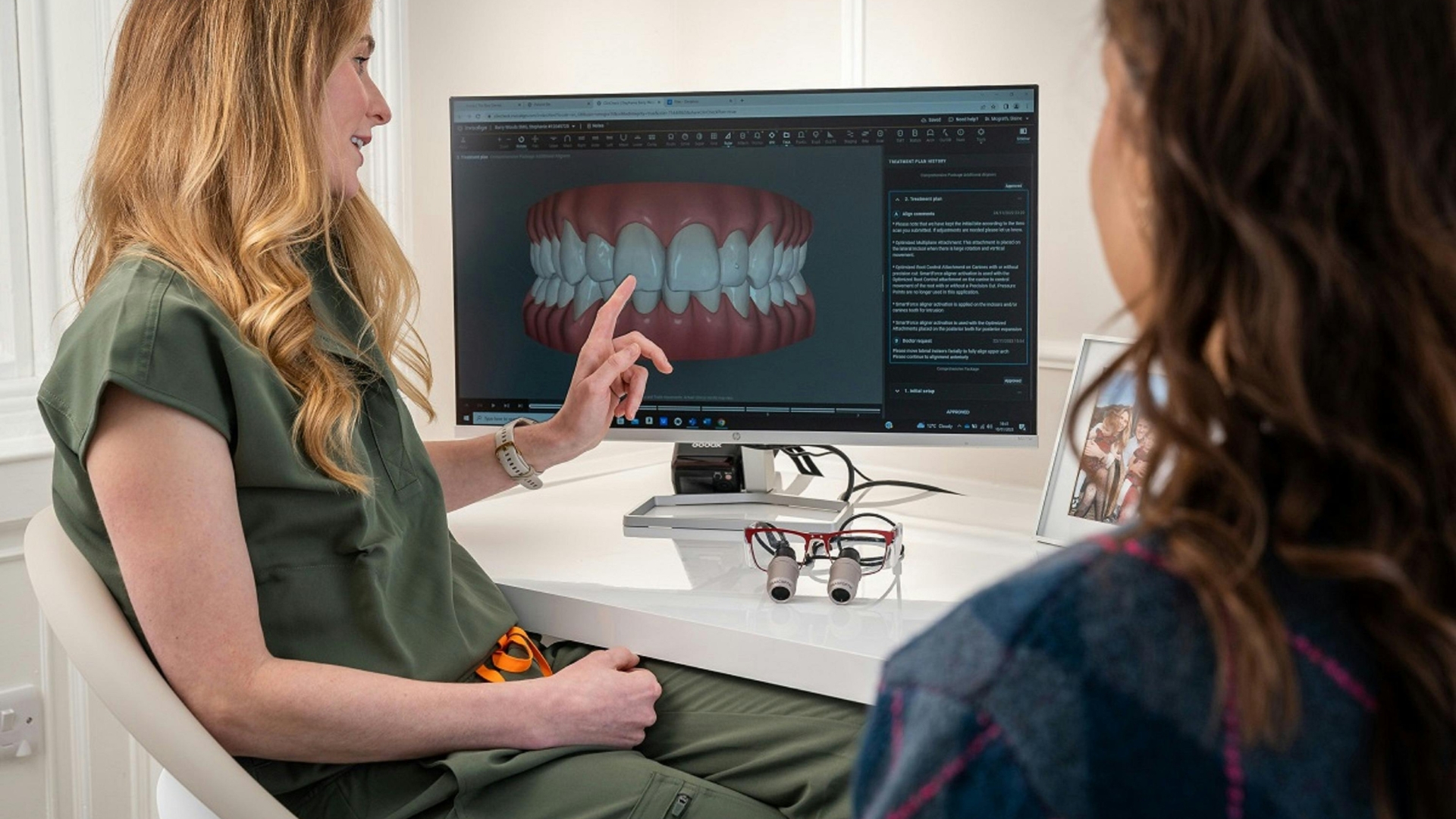
A missing tooth can affect more than your smile. It can change how you chew, how your bite feels, and how comfortable you feel speaking or laughing around other people. If you are considering Dental Implants in Playa Vista, Westside Aesthetic Dentistry can help you understand whether an implant-based restoration may fit your mouth, your health, and your goals.
Dr. Kaitie Beetner takes time to explain your options in clear terms so you can make a confident decision about your care. You should know what the process may involve, what factors can affect candidacy, and how an implant crown or implant-retained restoration may support your smile. Good dentistry should feel thoughtful, not rushed.
Westside Aesthetic Dentistry helps patients in Playa Vista, Marina del Rey, Culver City, Mar Vista, Del Rey, and nearby West Los Angeles communities replace missing teeth with care that considers function, comfort, and appearance. Whether you need to replace one tooth or want to talk through a more involved restorative plan, the first step is a focused evaluation.
If you are ready to discuss dental implants, contact Westside Aesthetic Dentistry through our contact page or call (424) 216-9669 today to schedule your visit.