
Dental Bonding for Gaps in Playa Vista
Dental bonding for gaps in Playa Vista is often best for small spaces that make the front teeth look uneven, narrow, or slightly separated. The goal is not to make every tooth bigger, but to add composite resin with enough restraint that the teeth still match your face, lip shape, bite, and natural smile line.
At Westside Aesthetic Dentistry, Dr. Kaitie Beetner looks at more than the visible gap. Tooth width matters. So does enamel health, gum shape, bite pressure, shade matching, and whether the spacing may keep moving. For some Playa Vista patients, bonding can close a small space beautifully. For others, clear aligners, whitening, or porcelain veneers may create a better long-term result. If a small gap keeps catching your eye in photos or close-up conversations, get a cosmetic opinion before choosing a more aggressive treatment. Call Westside Aesthetic Dentistry at (424) 216-9669.
Is Dental Bonding for Gaps in Playa Vista Right for Your Smile
At Westside Aesthetic Dentistry, many patients ask whether dental bonding for gaps in Playa Vista can close spaces between teeth without more extensive cosmetic treatment. While dental bonding for gaps in Playa Vista can be an excellent solution, the success of treatment depends on factors that are not always visible at first glance. Dr. Kaitie Beetner and the team at Westside Aesthetic Dentistry evaluate tooth proportions, bite function, enamel quality, gum architecture, and the cause of the spacing before recommending treatment.
A small gap caused by naturally narrow teeth presents a very different situation from a gap that formed because teeth shifted over time. Before recommending cosmetic bonding, Dr. Kaitie Beetner evaluates how the teeth relate to one another within the entire smile. This approach helps prevent situations where closing a gap creates teeth that appear unnaturally wide or disrupt the balance of the smile.
Patients often seek dental bonding for gaps in Playa Vista treatment because they want a more polished appearance without extensive dental work. Composite bonding can be an excellent option when used appropriately. However, determining candidacy requires more than measuring the space itself. The surrounding anatomy and long-term stability of the result deserve equal attention.
Not every gap requires orthodontics or porcelain veneers. In many cases, small spaces between front teeth can be improved through careful reshaping with composite resin. The key is understanding whether the teeth have enough visual room to accept additional width while still looking natural.
A common example involves patients whose lateral incisors appear slightly undersized compared to their central incisors. In these situations, bonding can improve tooth proportions while simultaneously reducing visible spacing. The result often appears more harmonious because the treatment addresses both shape and spacing concerns at the same time.
When evaluating dental bonding for gaps in Playa Vista at Westside Aesthetic Dentistry, tooth symmetry becomes particularly important. The human eye naturally notices inconsistencies in the front teeth. Even minor differences in width, contour, or edge shape can affect how balanced a smile appears. Therefore, successful bonding requires artistic planning in addition to technical precision.
When Tooth Proportions Support Cosmetic Bonding
Some gaps exist because the teeth themselves are smaller than average. This condition, sometimes called a tooth size discrepancy, often responds well to cosmetic bonding because the treatment restores more ideal proportions rather than simply filling space.
For example, a patient may have a two-millimeter gap between the front teeth while both teeth appear slightly narrow. Adding composite resin can improve the width and close the space simultaneously. Because the teeth were undersized to begin with, the final result often appears completely natural.
Conversely, if the teeth already have ideal dimensions, adding material solely to eliminate a gap may create an overly broad appearance. In those situations, another treatment approach may provide a more attractive outcome.
How Smile Design Influences Gap Closure Results
Closing a gap involves more than placing resin between two teeth. Every adjustment affects the overall smile design. The width of each tooth influences how light reflects across the smile, how the teeth appear in photographs, and how the smile complements facial features.
Dentists who do dental bonding for gaps in Playa Vista often evaluate width-to-length ratios when planning cosmetic bonding. Teeth that become too wide can appear flat or square. Teeth that remain too narrow may leave the smile looking incomplete. Careful planning helps create a result that blends naturally with neighboring teeth rather than drawing attention to the restoration itself.
Composite bonding relies on strong enamel for predictable adhesion. While modern bonding materials are highly effective, they perform best when attached to healthy tooth structure. For this reason, enamel quality plays a significant role in determining whether bonding is appropriate.
Patients with untreated decay, significant enamel erosion, or extensive existing restorations may require additional treatment before cosmetic bonding becomes a viable option. Addressing these concerns first helps improve both durability and aesthetics.
Gum health also contributes to the final appearance. Even beautifully shaped bonding can look uneven if inflammation, recession, or asymmetrical gum contours are present. Therefore, evaluating the gums is an essential part of treatment planning at Westside Aesthetic Dentistry.
Why Dark Triangles Require Special Evaluation
Many patients describe a gap near the gumline that remains visible even when the teeth touch closer together toward the biting edge. These spaces are commonly known as dark triangles. Unlike traditional gaps, dark triangles often involve both tooth shape and gum anatomy.
A dark triangle may develop after orthodontic treatment, gum recession, natural aging, or changes in bone support. Because the issue extends beyond simple spacing, treatment requires careful consideration. Adding too much composite resin can create bulky contours that trap plaque and make flossing difficult.
Instead, the dentist must balance aesthetics with long-term oral health. The goal is to improve appearance while preserving proper cleaning access and healthy gum tissue.
Gum Contours Affect Cosmetic Outcomes
The shape of the gumline frames every smile. Even subtle differences in gum height can influence how symmetrical the teeth appear. As a result, evaluating gum contours helps determine whether bonding alone can achieve the desired result.
Some patients benefit from minor reshaping of tooth contours through bonding. Others may require a different approach if gum architecture contributes significantly to the appearance of the gap. Understanding this distinction helps prevent unrealistic expectations and supports better treatment decisions.
One of the most overlooked factors in cosmetic dentistry is bite force. A bonded area may look excellent on the day of treatment, yet excessive pressure can shorten its lifespan if underlying bite issues remain unaddressed.
Every time you chew, speak, or clench your teeth, forces travel through the front teeth. If those forces concentrate directly on the bonded area, the composite material may experience increased wear or become more susceptible to chipping.
This does not automatically eliminate bonding as an option. Instead, it highlights the importance of evaluating bite mechanics before treatment begins.
How Grinding and Clenching Influence Composite Bonding
Patients who grind their teeth often place significantly greater stress on restorations than individuals with a relaxed bite. Nighttime grinding can occur without symptoms, which means many people remain unaware of the habit until signs of wear appear.
Flattened tooth edges, enamel fractures, jaw soreness, and sensitivity may indicate excessive bite forces. During a cosmetic consultation at Westside Aesthetic Dentistry, these findings help determine whether protective measures should accompany treatment.
In some situations, a custom nightguard may help preserve cosmetic bonding by reducing stress on the restored teeth during sleep.
Front Teeth Guide Everyday Jaw Movement
Front teeth play an important role in directing jaw movement. They help guide the lower jaw during speaking, chewing, and side-to-side motions. Because of this function, even small changes to tooth shape can influence how the bite feels.
When planning dental bonding for gaps in Playa Vista, Dr. Kaitie Beetner carefully evaluates these movements. At Westside Aesthetic Dentistry, the objective is not simply to close a space. The objective is to create a result that feels comfortable, functions properly, and integrates naturally into the existing bite.
Patients often arrive with a specific treatment in mind because they have seen photographs online or heard about bonding from friends. While composite bonding offers many advantages, the most appropriate treatment depends on the underlying cause of the spacing.
For example, a gap caused by naturally narrow teeth may respond beautifully to bonding. A gap caused by active tooth movement may continue to reopen unless the movement itself is addressed. Understanding this distinction helps patients make informed decisions about their smile.
When Dental Bonding May Be the Preferred Option
Bonding often appeals to patients seeking a conservative cosmetic solution. The procedure typically preserves natural tooth structure and can improve spacing, shape, and symmetry without extensive preparation.
Patients who want to refine minor imperfections frequently appreciate the flexibility of composite resin. Small adjustments can often create meaningful aesthetic improvements while maintaining a natural appearance. For many patients considering dental bonding for gaps in Playa Vista, this conservative approach is one of the treatment's greatest advantages.
Situations Where Another Treatment May Make More Sense
Not every spacing concern should be treated with bonding alone. Larger gaps, significant tooth rotation, bite discrepancies, and ongoing tooth movement may require a different approach. In some cases, clear aligners can reposition teeth before cosmetic enhancements are considered.
Porcelain veneers may also be discussed when multiple cosmetic concerns exist simultaneously, such as discoloration, shape irregularities, and spacing issues. The most effective treatment plan depends on the condition of the teeth, the desired outcome, and the long-term stability of the result.
By evaluating the cause of the gap rather than focusing solely on the visible space, Dr. Kaitie Beetner and the team at Westside Aesthetic Dentistry help patients choose a treatment path that supports both aesthetics and lasting oral health.
Can Dental Bonding Close Gaps Between Teeth Without Braces
Many patients want to close a small space between teeth, also called a diastema, without months of orthodontic treatment. In the right situation, dental bonding can help by changing the shape of the teeth rather than moving their position. The dentist adds composite resin to the teeth beside the space, then shapes and polishes the material so the gap appears smaller or fully closed.
At Westside Aesthetic Dentistry, this decision starts with the cause of the tooth gap. A narrow tooth, uneven edge, or small proportion issue may respond well to bonding. However, a spacing problem caused by tooth movement may need a different plan. That distinction matters because dental bonding for gaps in Playa Vista should improve appearance without ignoring the reason the space exists.
The best candidates often have teeth that already sit in a healthy position but look slightly undersized, uneven, or separated. For example, bonding may work well when the front teeth have a small space because the teeth are naturally narrow. In that case, resin can improve shape and close the gap at the same time. If the teeth are crowded, rotated, or shifting, braces or clear aligners may create a better foundation before any cosmetic work begins.
Some gaps exist because the teeth are slightly too narrow for the space they occupy. In those cases, braces may move the teeth, but they may not solve the proportion issue. Bonding can often address the visual concern by adding carefully shaped composite resin to the sides of the teeth.
This approach works well when the teeth already sit in a healthy position. For example, a patient may have straight front teeth with a small center gap that makes the smile look unfinished. If the tooth width supports it, Dr. Kaitie Beetner can use composite bonding to soften the space and create a more balanced look.
Tooth Width Matters Before Closing Gaps
A gap should not be closed by making teeth look too wide. That is where cosmetic planning makes a major difference. The dentist must evaluate how each tooth relates to the teeth beside it, the lips, and the full smile line.
When tooth proportions support treatment, bonding can look natural and conservative. When the space is too large, bonding alone may create a heavy or squared-off appearance. Westside Aesthetic Dentistry reviews these details before recommending dental bonding for gaps in Playa Vista.
Braces and clear aligners treat spacing by moving teeth through the bone. That can help when a gap exists because teeth shifted, rotated, or never aligned properly. Orthodontic movement may also improve bite function when the teeth do not meet evenly.
Bonding works differently. It does not move teeth. Instead, it changes the size or contour of the teeth around the space. For patients with minor cosmetic gaps and stable alignment, that may offer a shorter and more conservative path.
Tooth Movement Can Reopen Spaces
Some spaces come back after previous orthodontic treatment because the teeth continue to drift. If a patient closes that type of gap with bonding only, the underlying movement may continue. That can affect the long-term appearance of the restoration.
Dr. Kaitie Beetner evaluates whether the gap appears stable before recommending cosmetic bonding. If the teeth are still shifting, the better answer may involve aligners, retainers, or another stability plan before composite resin enters the conversation.
A small gap between the front teeth can affect the entire smile. People often notice it in photos, during video calls, or when speaking at close range. Because the front teeth sit at the center of the smile, even a minor change can alter the overall appearance.
Dental bonding can be a strong choice when the gap is small and the teeth have enough room for added resin. The treatment can improve symmetry without changing every tooth. This makes it appealing for patients who want a focused cosmetic improvement rather than a larger makeover.
The Center Gap Draws the Most Attention
A space between the two upper front teeth often becomes the first thing patients see in the mirror. Closing that gap requires balance on both sides. If one tooth receives too much material, the smile can look uneven.
Westside Aesthetic Dentistry plans these changes with symmetry in mind. The goal is to improve the space while keeping the two front teeth visually balanced. That level of planning supports better cosmetic results and a more natural smile.
Speech and Bite Still Need Review
Front teeth affect more than appearance. They help guide speech sounds and protect the bite during certain jaw movements. If bonding changes the edges or thickness of the teeth too much, the patient may notice a difference.
A careful exam helps prevent that problem. Before recommending bonding, the dentist can review how the teeth meet, how the jaw moves, and where pressure lands. This step helps protect both comfort and cosmetic value.
Many patients search for ways to close a tooth gap without braces because they want a faster option. Bonding may offer that advantage when the issue is cosmetic rather than structural. Since the treatment reshapes teeth instead of moving them, the timeline can often feel more direct.
Still, speed should never become the only goal. A fast treatment that ignores tooth proportion, gum shape, or bite pressure can create problems later. Westside Aesthetic Dentistry focuses on choosing the right treatment, not simply the quickest one.
Conservative Care Can Still Create Change
Patients often assume cosmetic dentistry must involve major tooth changes. Bonding can be different. In many cases, the dentist can preserve natural tooth structure while improving small gaps, uneven edges, or minor shape concerns.
That conservative approach fits patients who want their smile to look polished but still familiar. With proper planning, dental bonding for gaps in Playa Vista can refine the smile without making it look artificial.
The Best Option Depends on the Cause
A small gap caused by tooth shape may respond well to bonding. A gap caused by alignment may need orthodontic care. A gap combined with discoloration, worn edges, or larger cosmetic concerns may lead to a discussion about veneers.
The right answer depends on the exam. Dr. Kaitie Beetner helps patients compare bonding, aligners, veneers, and other cosmetic options with a clear explanation of tradeoffs, maintenance requirements, and expected results. That conversation helps patients choose treatment based on their goals rather than assumptions.
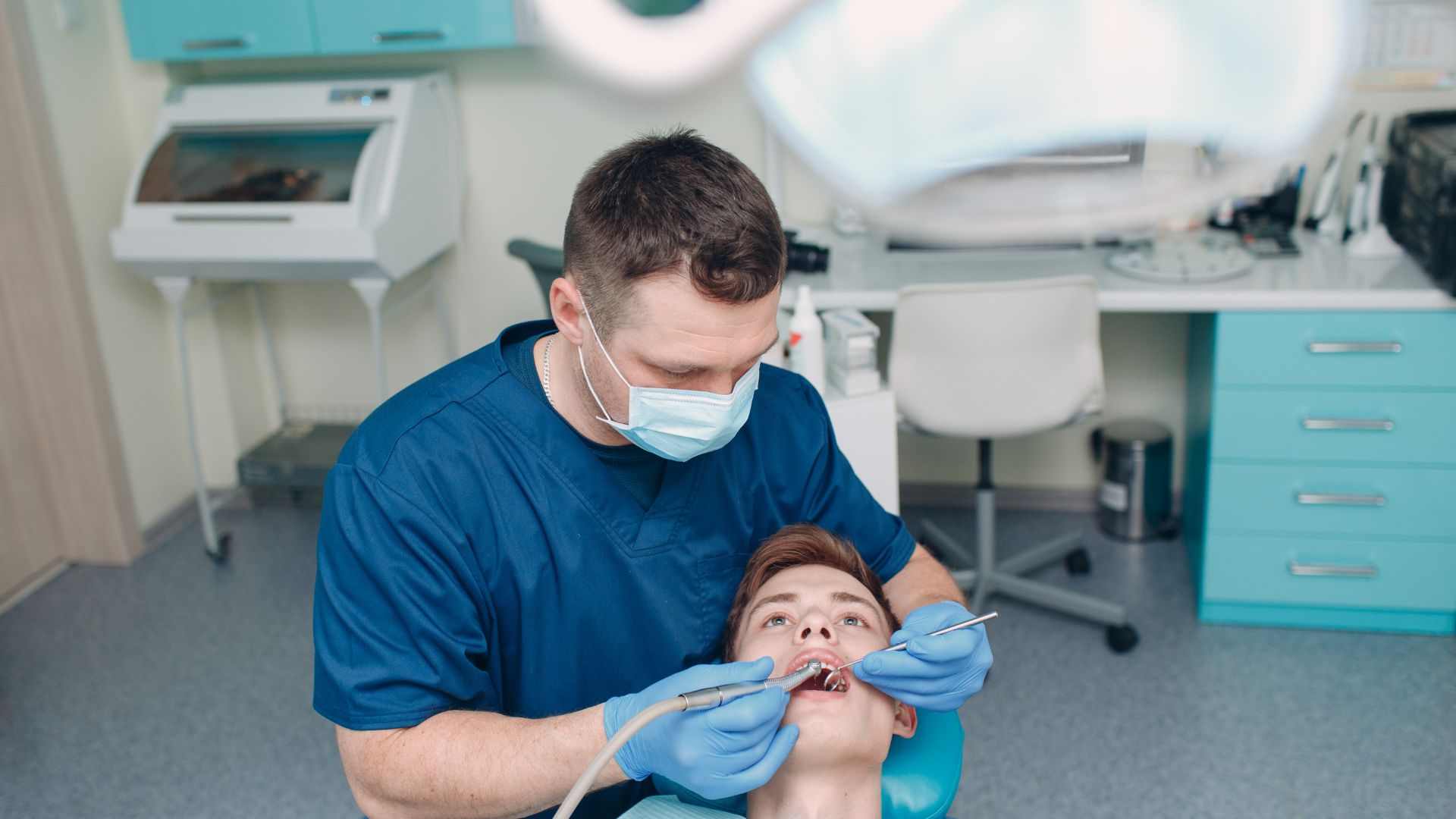
Schedule a Consultation for Dental Bonding for Gaps in Playa Vista
A small gap can change how you feel about your smile, especially when it sits near the front teeth. At Westside Aesthetic Dentistry, Dr. Kaitie Beetner can evaluate the spacing, tooth shape, enamel, bite, and cosmetic goals before recommending dental bonding for gaps in Playa Vista.
If bonding fits your smile, the goal is simple. Close the space in a way that looks natural, feels comfortable, and supports long-term oral health. If another option makes more sense, you will get a clear explanation before making a decision.
To learn whether cosmetic bonding is right for your smile, call Westside Aesthetic Dentistry at (424) 216-9669 or contact us at the office today.