
Preventive Dentistry in Playa Vista
Prevention works best when dental care catches the hidden changes patients cannot see at home. Preventive dentistry in Playa Vista gives patients a practical way to monitor enamel, gum health, bite pressure, buildup, and early signs of tooth damage before discomfort takes over. At Westside Aesthetic Dentistry, each visit is designed to make your oral health easier to understand, with clear explanations that help you make informed decisions about your care. The purpose is to keep healthy teeth stronger for longer while making daily oral care feel clearer and more manageable.
Small findings during a preventive visit can influence better choices before a tooth needs a larger repair. Preventive dentistry in Playa Vista may include cleanings, exams, imaging, gum measurements, hygiene coaching, bite observations, and guidance around habits that affect long-term dental health. Dr. Kaitie Beetner’s Kois-trained approach adds depth by considering tooth structure, gum stability, bite forces, and how oral health supports the full smile. Call Westside Aesthetic Dentistry at (424) 216-9669 to schedule preventive dentistry in Playa Vista today.
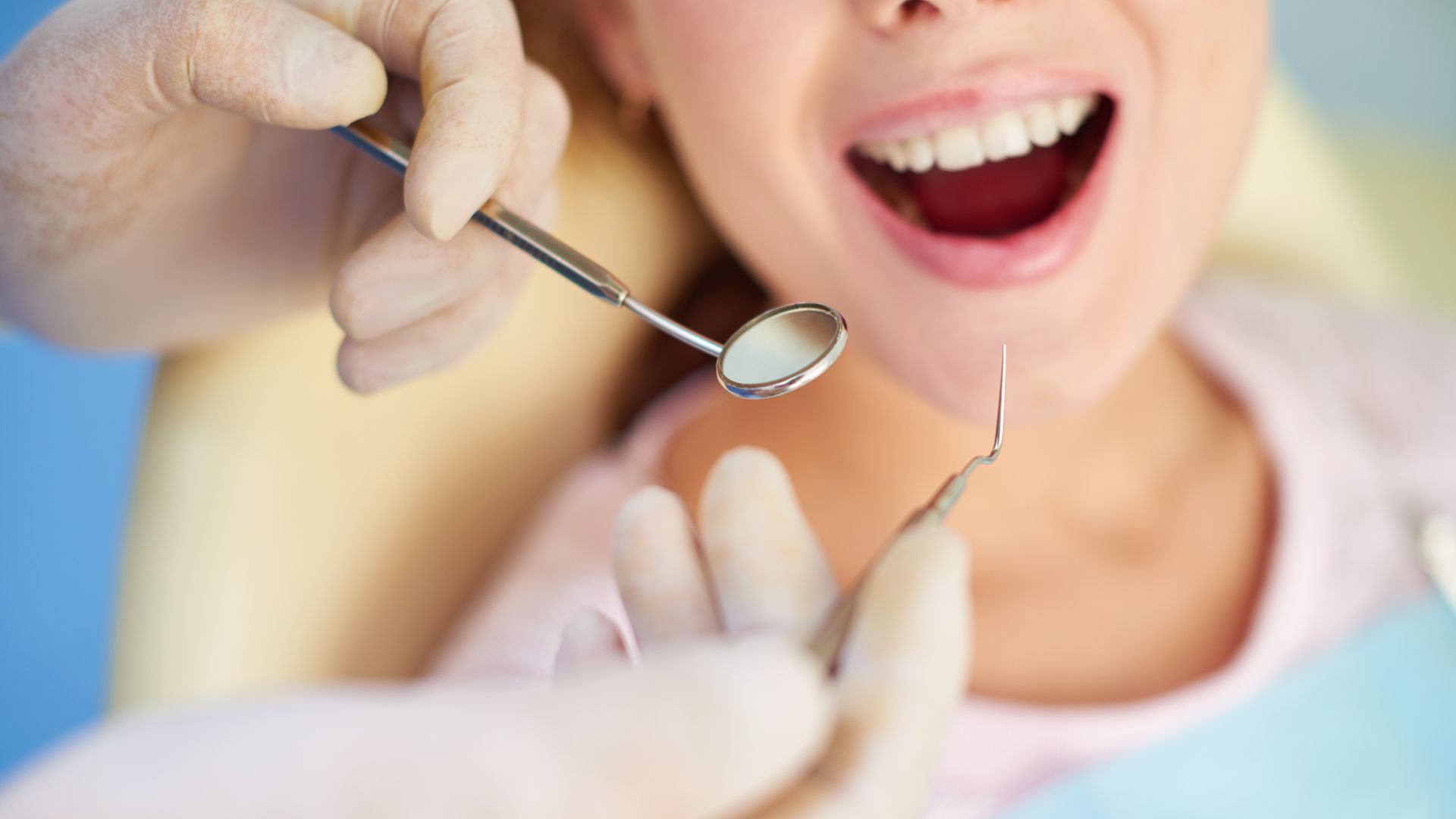
How Preventive Dentistry in Playa Vista Helps Preserve Natural Teeth
Preventive dentistry in Playa Vista helps patients protect the teeth they already have before decay, gum inflammation, enamel wear, or bite strain creates larger concerns. Instead of waiting for discomfort, preventive care looks for early changes that may still be easier to manage with cleanings, monitoring, home-care adjustments, or conservative treatment. This approach can help patients avoid unnecessary tooth loss, larger restorations, and dental problems that disrupt daily comfort. Preserving natural teeth begins with understanding what is changing early. Westside Aesthetic Dentistry works to preserve your teeth and prevent any dental health problems from occurring.
A strong preventive plan also supports the health of gums, enamel, restorations, and the bite. Preventive dentistry in Playa Vista may include professional cleanings, exams, imaging, gum measurements, cavity checks, bite observations, and practical hygiene guidance. These visits help patients stay informed about areas that need more attention between appointments. When patients understand their own patterns, prevention becomes more useful and easier to maintain.
Enamel is the outer layer that protects teeth from bacteria, acids, and daily chewing forces. Once enamel weakens, cavities can form in grooves, between teeth, or near the gumline before symptoms appear. Preventive visits can identify early enamel changes and help patients adjust brushing, flossing, fluoride use, nutrition habits, or cleaning frequency. These steps may reduce the chance that a small weak spot becomes a cavity requiring treatment. Strong enamel gives teeth better long-term protection.
Early Enamel Changes Need Careful Monitoring
Small enamel changes may not hurt, but they can show where bacteria or acids are beginning to affect the tooth. Monitoring these areas helps determine whether improved hygiene, fluoride support, or conservative treatment may be needed. Careful tracking helps protect tooth structure before damage spreads deeper.
Daily Habits Influence Enamel Strength
Brushing technique, snack frequency, acidic drinks, and plaque control can all affect enamel over time. Patients who understand these patterns can make practical changes before cavities develop. Better daily habits help enamel stay stronger between visits.
Healthy gums help hold teeth comfortably in place and protect the foundation around each tooth. Gum inflammation can begin quietly with bleeding, tenderness, swelling, or deeper pocketing before patients notice major discomfort. Preventive care can measure gum health, remove buildup, and identify areas where bacteria may be affecting the tissue. This matters because untreated gum problems can eventually threaten tooth stability. Strong gums help natural teeth stay healthier.
Bleeding Gums Should Be Evaluated Early
Bleeding during brushing or flossing can suggest inflammation that needs attention. Even mild bleeding may point to plaque buildup, brushing challenges, or gum tissue irritation. Early evaluation helps patients protect gum health before problems become harder to reverse.
Cleanings Reduce Harmful Buildup
Professional cleanings remove plaque and tartar that home care cannot always reach. Buildup along the gumline can contribute to inflammation, pocketing, and long-term tissue changes. Regular cleanings help maintain a healthier foundation for natural teeth.
Teeth can lose structure when grinding, clenching, or uneven bite pressure places repeated stress on enamel. Patients may notice flattened edges, small chips, sensitivity, jaw tightness, or restorations that wear faster than expected. Preventive dentistry can include bite observations that help identify these patterns before the damage becomes more advanced. Addressing tooth stress early can protect enamel, fillings, crowns, and the comfort of the bite. Less strain helps teeth last longer.
Wear Patterns Can Reveal Hidden Pressure
Flattened edges, tiny fractures, or polished enamel spots may show that teeth are under repeated force. These signs can appear before patients feel pain or realize clenching is happening. Identifying pressure patterns helps guide protection before more structure is lost.
Nighttime Grinding Needs Early Discussion
Grinding during sleep can damage teeth without the patient noticing the habit. Morning jaw fatigue, tooth tenderness, or worn enamel may provide important clues. Early discussion can help determine whether protective options should be considered.
Fillings, crowns, bridges, bonding, and other dental work need regular evaluation to stay protective. Edges can wear, margins can open, materials can chip, and bacteria can collect near older restorations if changes go unnoticed. Preventive visits allow the dentist to check whether existing dental work still seals properly and supports the tooth. This helps patients avoid hidden decay or larger replacement needs later. Restoration review protects previous dental investments.
Filling And Crown Edges Can Change
Restoration edges may become rough, stained, or less sealed over time. These changes can allow plaque to collect where the tooth and material meet. Checking those margins helps catch problems before decay spreads underneath.
Maintenance Helps Dental Work Last
Dental work usually lasts longer when patients keep regular exams and cleanings. The dentist can monitor fit, bite pressure, material wear, and hygiene around each restoration. Consistent maintenance helps restorations remain more dependable.
Why Early Dental Monitoring Changes Treatment Decisions
Early dental monitoring can change the treatment conversation because small findings are usually easier to manage than advanced damage. Preventive dentistry in Playa Vista can help identify enamel changes, gum inflammation, bite wear, older restoration concerns, and hygiene challenges before they become painful or harder to treat conservatively. When these details are tracked over time, patients can understand whether an area is stable, improving, or starting to need treatment. This makes dental decisions feel more informed instead of reactive.
Monitoring also helps patients avoid assuming that every finding needs immediate treatment. Some areas may need better home care, closer follow-up, professional cleaning, fluoride support, or habit changes before a restoration becomes necessary. Preventive dentistry in Playa Vista gives patients a clearer way to understand risk without feeling rushed into larger dental work. Better information can help treatment stay conservative when appropriate.
Small cavities may begin quietly in grooves, between teeth, or near older restorations before patients feel sensitivity during daily routines. Early monitoring can show whether a weak area is still limited to enamel or beginning to spread into deeper tooth structure. This matters because a smaller cavity may be repaired with a more conservative filling before larger parts of the tooth become involved. Patients who wait for pain may need more complicated treatment than they expected. Earlier detection can preserve more natural tooth structure.
Dental Imaging Can Reveal Hidden Decay Between Teeth
Dental imaging can show cavities between teeth or beneath older restorations where visual exams cannot always see clearly. These findings may explain why a tooth needs attention even when it feels normal during chewing, brushing, and drinking. Seeing hidden decay early helps patients understand the timing behind conservative treatment.
Tooth Symptoms Often Appear After Damage Spreads
Pain usually develops after decay has moved deeper into sensitive tooth layers. A tooth can lose structure before discomfort becomes obvious during meals, brushing, or cold drinks. Early monitoring helps patients act before symptoms control the decision.
Gum measurements help show whether inflammation, pocketing, or tissue changes are developing around the teeth. These numbers can reveal patterns that patients may not notice from brushing, flossing, or looking in the mirror. A small change in gum depth may suggest that bacteria, buildup, or home-care challenges need more attention before the foundation weakens. Tracking those measurements over time helps patients understand whether gum health is improving or becoming more vulnerable. Consistent monitoring supports healthier tooth foundations.
Pocket Depths Show Where Bacteria Can Collect
Pocket measurements help identify areas where gum tissue may be pulling away from the tooth. Deeper pockets can create spaces where bacteria collect and become harder to clean effectively at home. Monitoring pocket depth helps guide cleanings, home care, and follow-up timing.
Bleeding Points Can Identify Active Gum Inflammation
Bleeding during measurement can suggest inflammation around specific teeth or gumline areas. These areas may need improved brushing, flossing technique, or more targeted professional cleaning. Tracking bleeding helps patients see whether gum care is working.
Bite wear can show signs of grinding, clenching, or uneven pressure before patients realize those habits are affecting their teeth. Flattened edges, small chips, polished enamel, recurring sensitivity, or changes in older restorations may point to repeated force during sleep, stress, or concentration. Monitoring these signs helps patients understand why tooth structure may be changing even without obvious pain. Early awareness can guide protective steps before more enamel is lost or restorations become damaged. Wear patterns can reveal hidden stress.
Front Tooth Edges Can Show Pressure Damage
Front tooth edges may flatten, chip, or thin when repeated pressure affects enamel over time. These changes can appear gradually and may be easy to miss without comparison during preventive exams. Evaluating edge wear helps identify clenching or grinding concerns earlier.
Jaw Symptoms Can Support Bite Wear Findings
Morning tightness, temple pressure, chewing fatigue, or jaw soreness may connect with bite wear patterns. These symptoms can help explain why certain teeth show repeated stress during sleep or concentration. Combining tooth findings with comfort symptoms improves treatment planning.
Older fillings, crowns, bonding, and bridges can show early signs of wear before they fail completely. A dentist may notice rough margins, small cracks, staining around edges, bite changes, or areas where plaque collects more easily around the restoration. Monitoring those restorations can help determine whether they need repair, replacement, polishing, closer cleaning, or continued observation. This can prevent sudden discomfort or larger damage beneath older dental work. Earlier review helps protect previous treatment.
Restoration Margins Can Open With Age And Pressure
The edge between a restoration and tooth can change from wear, age, or bite pressure. When that margin opens, bacteria may collect and create decay beneath the material. Monitoring margins helps catch problems before the tooth becomes more compromised.
Replacement Timing Should Protect Healthy Tooth Structure
Not every older restoration needs immediate replacement when a minor concern appears. Some areas can be watched, polished, repaired, or cleaned more carefully depending on risk. Thoughtful timing helps avoid unnecessary treatment while protecting the tooth.
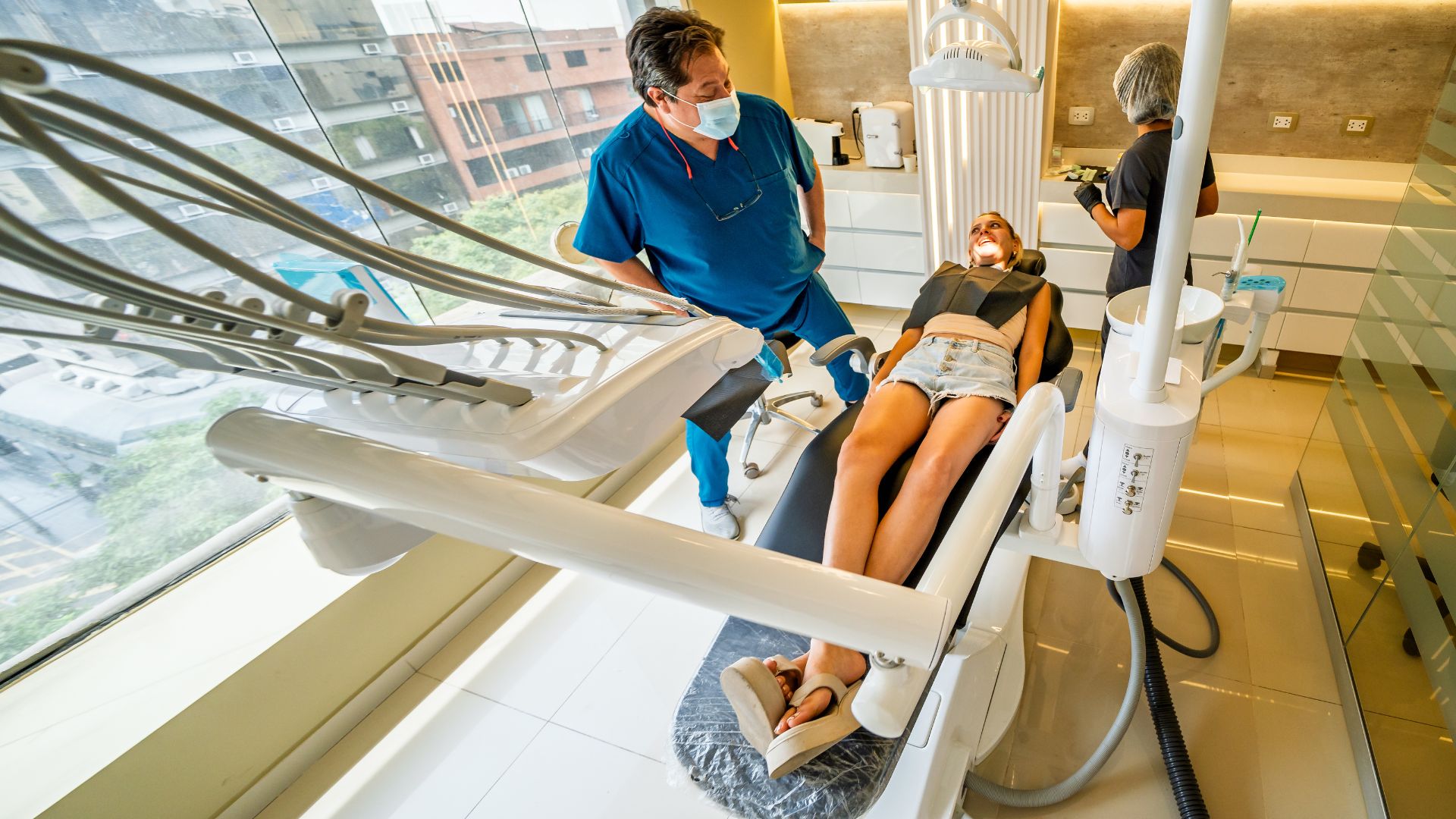
How Westside Aesthetic Dentistry Approaches Preventive Dental Care
Westside Aesthetic Dentistry approaches preventive dentistry in Playa Vista as a way to help patients understand their oral health before small concerns become larger treatment needs. Dr. Kaitie Beetner’s Kois-trained approach supports prevention that looks at tooth structure, gum stability, bite forces, enamel wear, and existing dental work together. The practice uses patient education, modern diagnostics, clinical observation, and clear explanations so patients can see why certain areas need attention. This makes preventive care feel more useful than a routine cleaning alone.
Preventive dentistry in Playa Vista should help patients feel informed, comfortable, and more confident about maintaining their teeth between visits. Westside Aesthetic Dentistry does not treat prevention as a rushed checklist because early findings can affect future comfort, treatment timing, and long-term smile health. Patients receive guidance that connects daily habits, professional cleanings, gum measurements, cavity risk, and bite patterns in a practical way. The goal is to make prevention feel personal, understandable, and easier to maintain.
Dr. Beetner’s Kois-trained perspective helps preventive visits look beyond plaque removal and basic cavity checks. Tooth wear, bite pressure, gum condition, enamel strength, restoration margins, and patient comfort can all influence how teeth hold up over time. This broader view can help patients understand why prevention should include health monitoring, functional evaluation, and practical guidance for daily habits. When early patterns are recognized, patients can make better choices before discomfort, cracks, sensitivity, or larger restorative needs develop. Long-term stability begins with more complete prevention.
Bite Wear And Enamel Changes During Preventive Exams
Bite wear and enamel changes can reveal pressure patterns that patients may not feel during daily life yet. Flattened edges, small chips, polished enamel, or recurring sensitivity may suggest clenching, grinding, or uneven bite force. Identifying these signs during preventive care helps protect natural tooth structure earlier.
Early Planning For Teeth Under Repeated Pressure
Teeth under repeated pressure may need monitoring, bite discussion, habit awareness, or protective recommendations. These steps can reduce the chance of worn enamel, cracked restorations, or avoidable sensitivity over time. Early planning helps prevention protect the smile more effectively.
Gum health is an important part of preventive care because tissue changes can develop before major symptoms appear. Westside Aesthetic Dentistry evaluates gum inflammation, bleeding points, pocket measurements, buildup patterns, and areas that may need more focused home care. This helps patients understand where brushing or flossing may need adjustment instead of leaving them with vague instructions. The visit becomes more educational because each recommendation connects to what is actually happening around the teeth and gums. Better gum guidance supports healthier tooth foundations.
Pocket Depths And Bleeding Around Specific Teeth
Pocket measurements can show where bacteria may be collecting below the gumline. Bleeding during evaluation can also reveal areas where inflammation is still active despite regular brushing. Tracking these findings helps patients understand whether gum health is improving or needs closer attention.
Personalized Cleaning Techniques For Gumline Buildup
Home care should match the patient’s actual buildup patterns and gum needs. Some areas may require flossing adjustments, different brushing angles, or professional cleaning intervals that better fit the risk. Personalized guidance makes daily prevention more effective.
Modern diagnostics can help patients understand preventive findings with more clarity. Clinical photos, imaging, and detailed exams can show enamel changes, early decay, restoration edges, gum concerns, or wear patterns that are difficult to notice at home. These tools make recommendations easier to understand because patients can connect advice to visible or measurable details. Prevention becomes less abstract when patients can see what their dentist is monitoring and why the finding matters. Clear information supports better decisions.
Imaging For Decay Between Teeth And Restorations
Dental imaging can reveal decay between teeth or beneath older restorations before symptoms begin. These areas may not be visible during a standard mirror check at home or even a basic visual exam. Finding them early can help patients choose smaller, more conservative treatment when needed.
Visual Findings For Enamel Wear And Filling Margins
Visual findings can help patients understand why a specific area needs attention. Seeing buildup, enamel wear, filling edges, or restoration changes makes preventive recommendations feel more concrete. Better understanding helps patients stay more engaged in their care.
Existing fillings, crowns, bonding, bridges, and other restorations need preventive review because materials and tooth structure can change over time. Westside Aesthetic Dentistry checks restoration margins, bite pressure, surface wear, plaque retention, and areas where bacteria may collect near older dental work. This matters because a restoration can look acceptable from the outside while still developing small gaps, rough edges, or early breakdown. Monitoring previous treatment helps patients protect what has already been repaired instead of waiting for discomfort or visible damage. Consistent review helps dental work remain more dependable.
Checking Filling Edges, Crown Margins, And Bridge Areas
Restoration edges can wear, stain, open, or collect plaque as time passes. Fillings, crowns, and bridges each have areas where fit, cleaning access, and bite pressure need periodic evaluation. Checking those details helps identify small concerns before they threaten the tooth underneath.
Protecting Older Restorations From Hidden Decay
Decay can develop around older dental work when bacteria collect near margins or rough areas. Patients may not feel pain while damage begins beneath a restoration. Preventive review helps protect repaired teeth from hidden problems.
Preventive dentistry should feel comfortable, informative, and manageable for patients with different dental histories. Westside Aesthetic Dentistry takes time to explain findings, answer questions, and make recommendations without making the visit feel rushed or impersonal. Patients can discuss sensitivity, gum tenderness, jaw tension, home-care challenges, or anxiety during the appointment. This helps preventive care feel more supportive because the conversation includes both clinical findings and the patient’s actual experience. Comfort makes consistency easier.
Sensitivity And Gum Tenderness During Cleanings
Sensitivity and gum tenderness can affect how patients experience preventive appointments. These concerns may come from recession, enamel wear, inflammation, exposed root surfaces, or prior dental work. Discussing them helps the team adjust care while still protecting oral health.
Explaining Follow-Up Treatment After Preventive Findings
Patients should understand why any follow-up treatment is being recommended after a preventive visit. The explanation should connect findings to tooth structure, gum health, comfort, or long-term risk. Clear reasoning helps patients feel respected and informed.
Book a Preventive Dentistry Visit With Westside Aesthetic Dentistry Today
Small dental changes are easier to manage when they are found before they disrupt your comfort. Preventive dentistry in Playa Vista helps monitor enamel, gums, bite pressure, restorations, and daily habits so your care can stay practical and informed. Westside Aesthetic Dentistry gives patients clear guidance without turning prevention into a rushed checklist. Your visit can help you understand what is stable, what needs attention, and what can be protected with better support.
Staying ahead of dental problems can make future care feel simpler and less stressful. Preventive dentistry in Playa Vista may help reduce avoidable cavities, gum inflammation, enamel wear, restoration problems, and bite-related damage. Westside Aesthetic Dentistry provides thoughtful preventive care for patients who value long-term wellness, comfort, and natural smile health. Call Westside Aesthetic Dentistry at (424) 216-9669 or visit our contact page to schedule your preventive visit today.