
Botox Treatment for Jaw Comfort and Facial Balance

Benefits Of Dental Botox in Playa Vista For Facial Harmony

Dental Botox in Playa Vista

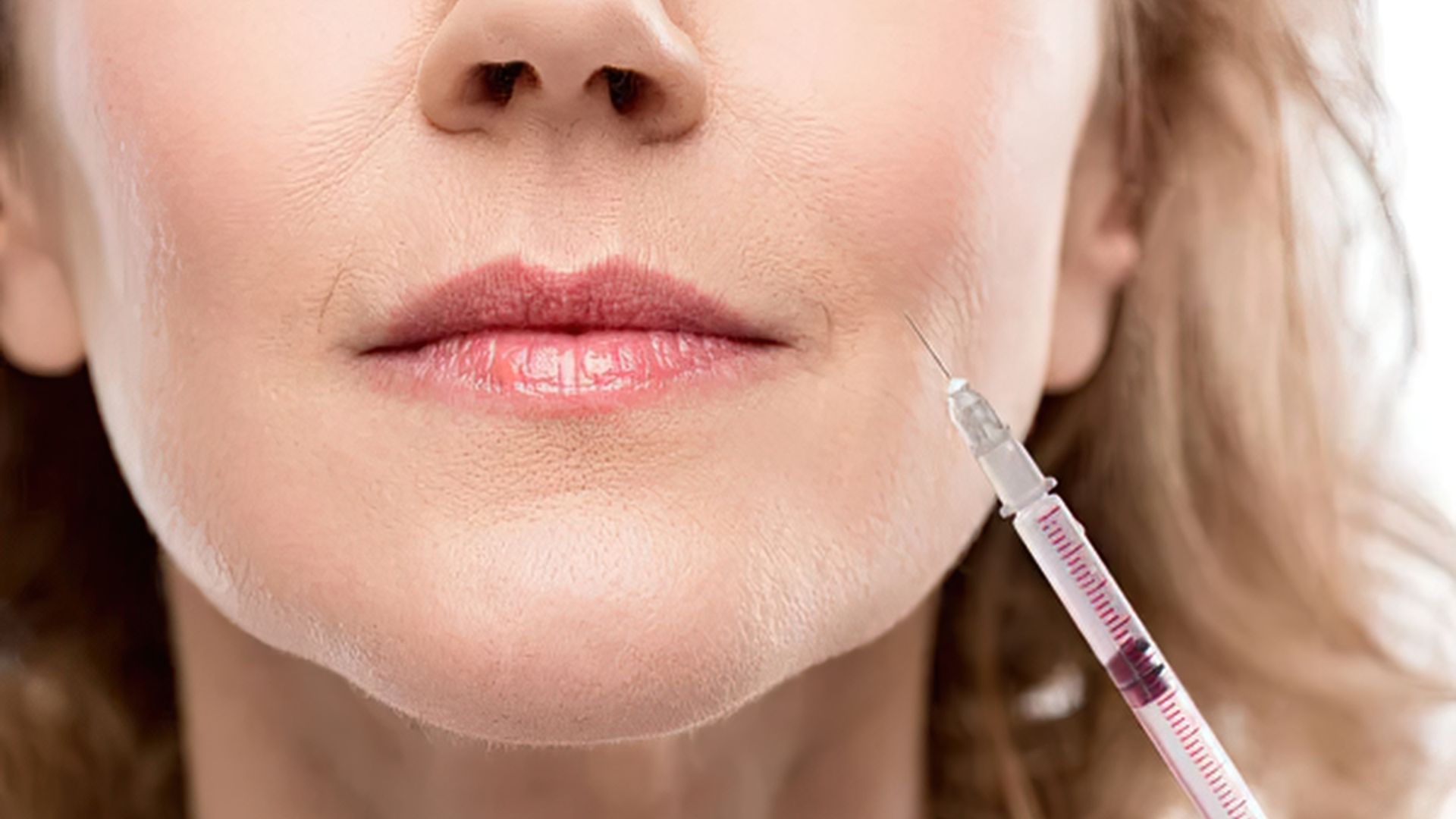
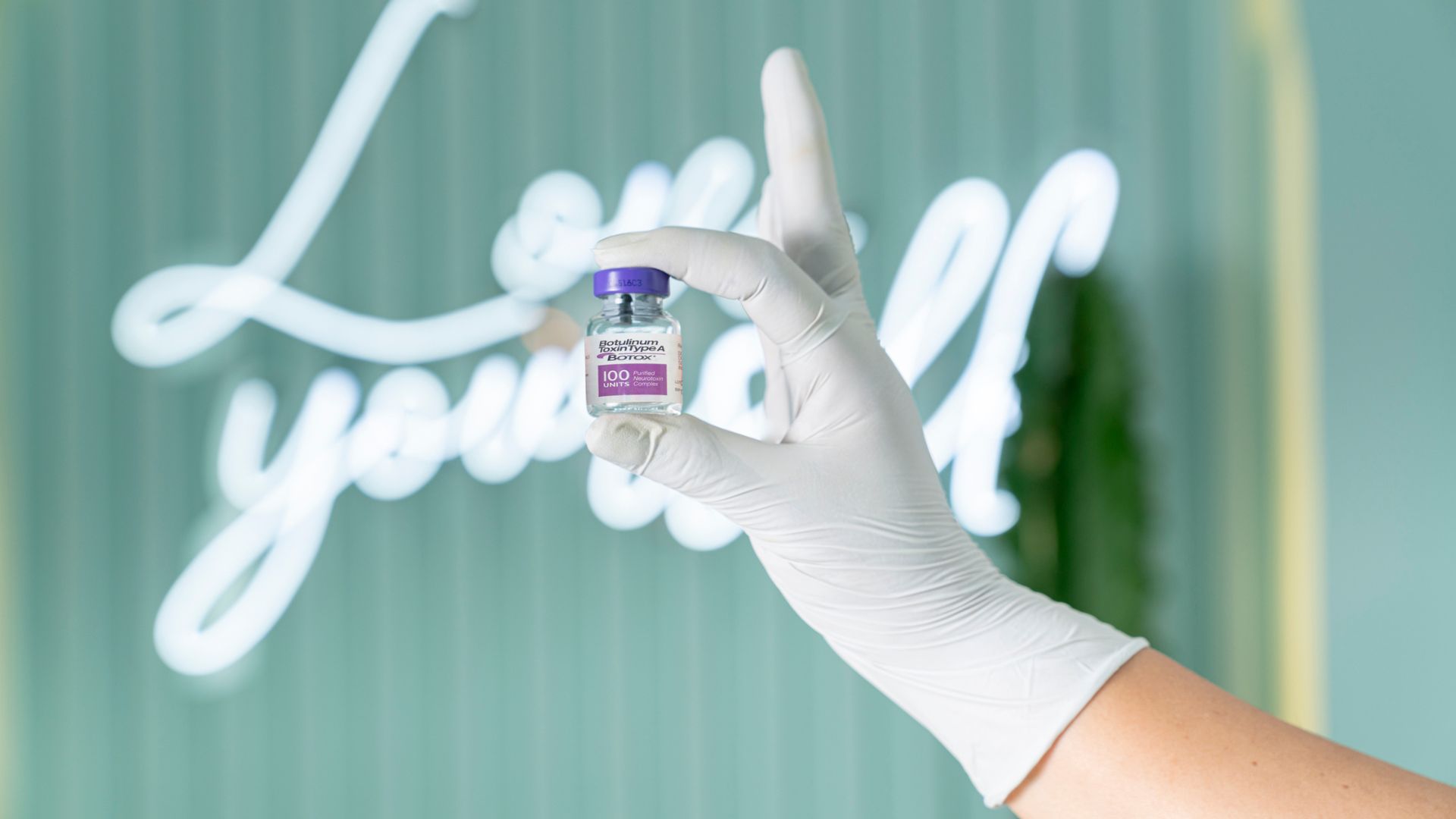
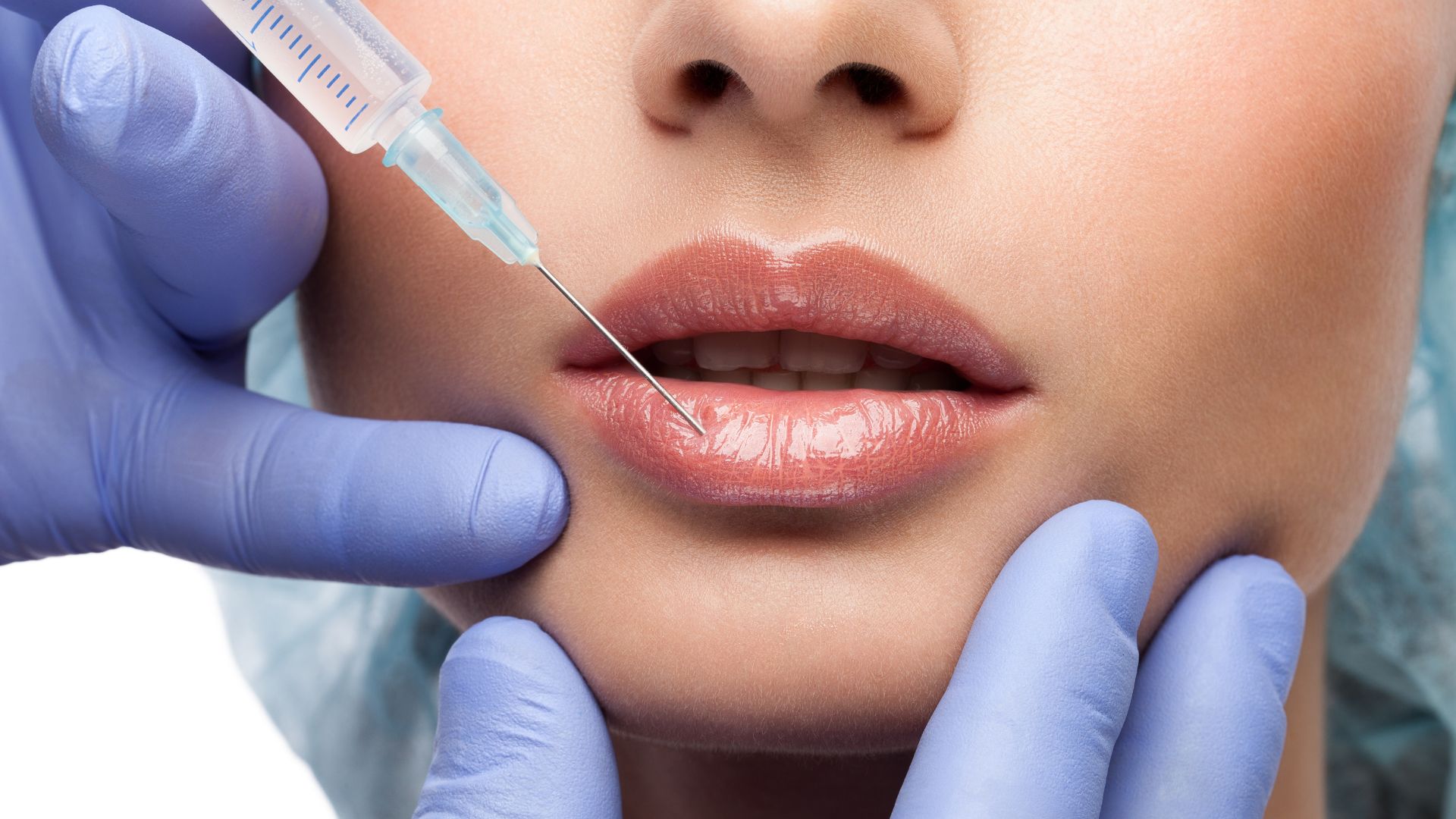
Jaw tension and facial strain can affect how comfortable your smile feels throughout the day. Dental Botox in Playa Vista offers a precise way to address overactive facial and jaw muscles while still keeping your appearance natural. At Westside Aesthetic Dentistry, treatment conversations focus on comfort, facial harmony, muscle activity, and the kind of result that supports your wellbeing without looking overdone. This approach helps patients explore Botox through a dental lens, where function, aesthetics, and oral health are all important.

The concern may show up as morning jaw tightness, facial muscle fatigue, pressure near the temples, or a lower-face shape that feels heavier than expected. Dental Botox in Playa Vista can be considered when muscle activity begins influencing comfort, facial balance, or the way the bite feels during daily life. Dr. Kaitie Beetner’s Kois-trained background brings a thoughtful understanding of how jaw movement, facial muscles, and dental function work together. Call Westside Aesthetic Dentistry today at (424) 216-9669 to schedule dental Botox in Playa Vista.

Benefits Of Dental Botox in Playa Vista For Smile And Facial Harmony

Dental Botox in Playa Vista can support patients who want the lower face, smile, and jaw to look more relaxed without making their features appear overly treated. Overactive facial and jaw muscles can influence expression, facial width, smile softness, and the way tension shows around the mouth. At Westside Aesthetic Dentistry, treatment is planned around facial harmony, jaw comfort, and natural-looking movement rather than a frozen or overtreated appearance. For patients who care about wellness and aesthetics together, Botox can offer a measured way to address muscle activity that affects both comfort and appearance. A thoughtful approach keeps the goal centered on balance, natural movement, and a refreshed facial impression.

Dental Botox in Playa Vista can also help patients think differently about smile aesthetics because the teeth are only one part of facial harmony. A tense jawline, tight facial muscles, or heavy lower-face appearance can change how relaxed the smile looks during conversation, photos, and everyday expressions. When treatment planning considers muscle activity, facial proportions, and dental function together, the result can feel more connected to the patient’s full appearance. This makes Botox feel less like a separate cosmetic treatment and more like part of a refined smile and facial wellness plan.

Facial Muscle Balance Can Soften Smile Tension

A smile can look different when the muscles around the jaw and lower face stay overactive during rest, conversation, or expression. Patients may notice that their face looks tighter than they feel, especially when jaw tension affects the cheeks, mouth corners, or lower facial shape. Dental Botox in Playa Vista can help address the influence of specific muscles when overactivity affects facial harmony. The goal is not to remove expression, but to soften unnecessary tension so the smile can appear more relaxed. Balanced muscle activity can make the face look calmer.

Tension Can Change Facial Expression

Jaw and facial tension can make the lower face appear firmer, wider, or more strained than expected. This may happen gradually when clenching or muscle overuse becomes part of daily life. Relaxing targeted muscles can help the face look less tense while preserving natural expression.

Softer Movement Supports Natural Results

Natural-looking Botox depends on subtle changes rather than dramatic restriction. The best result allows the smile and lower face to move comfortably while reducing excessive muscle activity. Patients often want refinement that still feels like themselves.

Lower Face Harmony Starts With Jaw Muscle Activity

The masseter muscles can influence lower-face shape because these muscles sit along the sides of the jaw and help with chewing force. When they become enlarged or overactive, the jawline may look broader or heavier than the patient prefers. This can affect facial proportions even when the teeth, lips, and smile already look healthy. Dental Botox in Playa Vista may help reduce the visual impact of overactive jaw muscles when treatment fits the patient’s anatomy and goals. Jaw muscle balance can support softer facial contours.

Masseter Muscles Shape The Jawline

Strong or overused masseter muscles can add fullness near the back of the lower face. Some patients notice this most in photos, side angles, or when the jaw feels tight after clenching. A dental perspective can evaluate whether muscle activity may be contributing to that appearance.

Facial Proportions Guide Treatment Planning

Botox planning should consider the whole face rather than one muscle alone. Jawline width, cheek structure, smile movement, and bite habits can all affect the final impression. Personalized planning helps results look more balanced and intentional.

Smile Confidence Can Improve With Less Strain

Patients may feel more comfortable smiling when the lower face feels relaxed and facial tension appears less noticeable. A strained jaw or tight expression can make a smile look guarded, even when the patient feels happy or confident inside. Botox may support a softer appearance by reducing muscle activity that pulls attention toward tension rather than expression. This can be especially meaningful for patients who care about subtle aesthetic refinement rather than obvious cosmetic change. Less strain can make smiling feel more natural.

Everyday Expression Can Feel Different

Facial tension can affect how patients look during work conversations, social moments, photos, and relaxed expressions. Small changes in muscle activity may influence how open, rested, or balanced the face appears. Thoughtful treatment planning keeps those everyday expressions in mind.

Confidence Grows From Subtle Refinement

Many patients want changes that others notice as freshness rather than treatment. Subtle Botox planning can support a smoother lower-face impression without changing identity. Refined results often feel more comfortable and believable.

Wellness And Aesthetics Can Work Together

Dental Botox can appeal to patients who want care that respects comfort, facial balance, and overall well-being at the same time. Muscle overactivity may create visible strain while also contributing to jaw fatigue, tightness, or a heavy feeling in the lower face. A dental setting can connect these concerns through an understanding of bite function, oral habits, and facial muscle behavior. Dental Botox in Playa Vista can feel especially aligned with patients who want aesthetic care grounded in health-aware planning. Beauty and comfort can support one another.

Muscle Activity Affects More Than Appearance

Jaw muscles influence chewing, clenching patterns, facial shape, and the way the lower face rests. When those muscles remain overactive, patients may notice both visual and physical changes. Understanding that connection can make treatment feel more purposeful.

Integrated Care Creates Better Context

Botox decisions should account for dental function, facial movement, patient comfort, and aesthetic preferences. This broader view helps avoid one-dimensional treatment planning. Patients benefit when cosmetic care considers the whole person.

How Dental Botox in Playa Vista Helps With Jaw Clenching And Muscle Tension

How Dental Botox Helps With Jaw Clenching And Muscle Tension

Jaw clenching can happen during stressful workdays, focused screen time, workouts, sleep, or moments when the body holds tension without much awareness. Over time, repeated muscle contraction can make the jaw feel tired, sore, heavy, or difficult to fully relax. Dental Botox in Playa Vista may help reduce excessive activity in targeted jaw muscles when clenching patterns contribute to daily discomfort. This approach focuses on calming muscle overuse rather than changing the natural way the face moves.

Muscle tension around the jaw can also affect the temples, cheeks, bite, and morning comfort after a night of grinding or clenching. Patients may notice headaches, facial tightness, tooth pressure, or a dull ache that becomes more noticeable during the day. Dental Botox in Playa Vista can be part of a broader conversation about muscle behavior, bite forces, and habits that may strain the lower face. A more relaxed jaw can make everyday comfort feel easier to maintain.

Jaw Clenching Can Overwork Facial Muscles

Clenching places repeated force on the muscles that help the jaw close, especially when the habit continues during sleep or stressful routines. The masseter and nearby facial muscles may become fatigued when they stay active longer than necessary. Patients may feel soreness near the jawline, pressure in the cheeks, or tightness that returns even after stretching. Botox can help reduce the strength of overactive contractions when the concern comes from muscle overuse. Less muscle strain can support calmer jaw movement.

Muscle Overuse Can Build Slowly

Jaw muscle overuse does not always feel obvious at first because tension can become part of the daily routine. Some patients only notice the problem when soreness, fatigue, or facial tightness becomes harder to ignore. Recognizing the pattern early can make treatment planning more useful.

Relief Begins With Identifying Patterns

Clenching patterns can show up during sleep, concentration, stress, or certain bite habits. A focused evaluation can help connect symptoms with muscle activity instead of guessing. Better awareness gives treatment a stronger purpose.

Morning Jaw Tightness May Signal Nighttime Clenching

Morning tightness can suggest that the jaw muscles stayed active while the body was supposed to rest. Patients may wake with cheek soreness, temple pressure, tooth tenderness, or a feeling that the jaw needs time to loosen. These symptoms can be especially frustrating because the habit may happen while the patient is asleep and unaware. Dental Botox in Playa Vista may help reduce muscle intensity when nighttime clenching contributes to discomfort. Rest should not begin with facial fatigue.

Sleep Habits Can Affect Jaw Comfort

Nighttime clenching can place sustained pressure on teeth, muscles, and jaw joints. The effects may feel strongest in the morning because the muscles worked while the rest of the body rested. A treatment plan can account for both symptoms and sleep-related patterns.

Morning Symptoms Deserve Attention

Waking with jaw tightness may point to repeated muscle activity overnight. Tooth tenderness, cheek fatigue, and temple discomfort can also appear alongside clenching. An earlier evaluation can help prevent the pattern from feeling normal.

Muscle Tension Can Contribute To Facial Fatigue

Facial fatigue can make the lower face feel heavy, tense, or overworked, especially after chewing, talking, or concentrating for long periods. Patients may describe the sensation as pressure near the jawline or a tired feeling in the cheeks. Botox can help soften excessive muscle activity when the jaw muscles remain more active than they need to be. This can support a more comfortable resting state for patients who carry tension in the lower face. Less fatigue can make daily expression feel easier.

Facial Tightness Can Affect Daily Comfort

Tight jaw muscles can influence how the face feels during meals, conversations, and long workdays. The discomfort may not always feel sharp, but it can create ongoing awareness of the lower face. Addressing muscle tension can make comfort feel more consistent.

Relaxed Muscles Can Feel More Natural

The goal is not to weaken expression or make the face feel unfamiliar. Treatment should help overactive muscles settle into a calmer pattern while preserving normal movement. Subtle relaxation can support a more comfortable daily rhythm.

Clenching Can Place Pressure On Teeth

Jaw clenching not only affects muscles, but repeated force can also place pressure on teeth, dental work, and the bite. Patients may notice tooth tenderness, worn enamel, cracked restorations, or sensitivity that seems connected to stress or sleep habits. While Botox does not repair damaged teeth, it may help reduce the muscle force that contributes to ongoing strain. This makes it important to evaluate both the muscles and the teeth when clenching becomes a concern. A calmer jaw can help protect the smile.

Bite Force Can Create Dental Strain

Repeated clenching can overload certain teeth more than others, especially when the bite does not distribute pressure evenly. Over time, that strain may contribute to wear, tenderness, or small fractures. A dental evaluation can show how muscle activity may be affecting the teeth.

Protection Requires A Broader View

Clenching care may involve Botox, bite evaluation, nightguard discussion, restorative planning, or habit awareness. The right approach depends on the patient’s symptoms, tooth condition, and muscle patterns. Combining information helps treatment feel more complete.

Booked Your Appointment?

Find information below to help make your visit smooth and easy.

Getting Here

Be sure to visit the parking page to find free street parking around the office.

Paperwork

We ask that you please complete your New Patient forms before you arrive via our Patient Portal.

Questions?

Feel free to reach out to us — we’re happy to help! You can call, text or email us anytime.

How Dental Botox Can Help With TMJ Related Jaw Discomfort

How Dental Botox May Help With TMJ-Related Jaw Discomfort

TMJ-related discomfort can feel different from person to person, which is why the source of jaw pain should be evaluated before treatment begins. Some patients notice clicking, tightness, soreness near the ears, temple pressure, or fatigue after chewing for longer periods. Dental Botox in Playa Vista may help when overactive jaw muscles contribute to tension around the temporomandibular joints. The goal is to reduce unnecessary muscle intensity so the jaw can feel less strained during daily function.

Jaw discomfort can also be connected with clenching, grinding, bite pressure, stress, posture, and muscle patterns that develop gradually over time. Botox does not replace a full dental evaluation, but it may be considered when muscle activity plays a meaningful role in the symptoms. Dental Botox in Playa Vista can fit into a larger plan that looks at comfort, jaw movement, tooth wear, and overall function. A thoughtful approach helps patients understand whether muscle relaxation may support better day-to-day comfort.

TMJ Symptoms Can Come From Muscle Strain

TMJ-related discomfort may begin when the muscles around the jaw work harder than necessary during chewing, clenching, or resting in a certain posture. The temporomandibular joints can feel irritated when nearby muscles stay tight or overloaded for long periods. Patients may feel soreness near the jaw hinge, tension through the cheeks, or pressure that travels toward the temples. Botox may help reduce excessive contraction when muscle strain contributes to the discomfort. Less strain can make jaw movement feel easier.

Muscle Tension Can Affect Joint Comfort

Tight jaw muscles can place extra demand on the joints that guide opening and closing. That added demand may contribute to soreness, fatigue, or a feeling that the jaw does not relax fully. Reducing muscle intensity can help the jaw feel less burdened.

Joint Symptoms Need Careful Evaluation

Jaw clicking, soreness, and tightness can have different causes. A dental evaluation can help identify whether muscles, bite forces, habits, or joint mechanics are involved. Better understanding helps treatment feel more precise.

Chewing Fatigue Can Disrupt Daily Comfort

Chewing should not leave the jaw feeling tired, heavy, or sore after normal meals. Patients with muscle-related jaw discomfort may notice fatigue after eating firmer foods, talking for long periods, or clenching during stressful moments. Dental Botox in Playa Vista may support patients whose jaw muscles remain overactive and make everyday function feel harder than it should. A treatment plan should consider when fatigue appears and which muscles seem most involved. Daily meals should feel comfortable.

Food Choices May Change Quietly

Some patients avoid chewy, crunchy, or firm foods without realizing that jaw fatigue has influenced those choices. This gradual shift can make discomfort feel normal until it becomes more limiting. Recognizing the pattern helps guide more useful treatment planning.

Comfort Improves When Patterns Are Identified

Chewing fatigue often becomes easier to address when the triggers are understood. A patient may notice symptoms after certain meals, long conversations, or stressful workdays. These details help shape a more personalized plan.

Temple Pressure May Connect With Jaw Activity

Temple pressure can sometimes relate to jaw muscle activity because clenching and grinding involve muscles that connect across the side of the face. Patients may describe the feeling as tightness, heaviness, or a headache-like sensation that becomes stronger after stress or sleep. Botox may help when overactive jaw muscles contribute to this repeated pressure pattern. This connection can be easy to miss when the discomfort feels more like a head or facial issue than a dental concern. Jaw muscles can influence more areas than expected.

Facial Muscles Work Together

Jaw, cheek, and temple muscles can interact during clenching, chewing, and facial expression. When one area stays overactive, nearby muscles may feel tense or fatigued as well. Understanding that relationship helps explain symptoms more clearly.

Pressure Patterns Can Reveal Muscle Overuse

Temple pressure that appears with jaw tightness may suggest repeated muscle activity. Morning discomfort, stress-related tension, or soreness after chewing can provide useful clues. Tracking these patterns can support better treatment decisions.

Jaw Movement Should Feel Less Restricted

Restricted jaw movement can make yawning, chewing, speaking, or opening the mouth feel uncomfortable. Muscle tightness may contribute to this limitation when the jaw does not feel relaxed enough to move smoothly. Dental Botox in Playa Vista may be considered when targeted muscle relaxation could support more comfortable movement. A dental evaluation can also check whether bite issues, joint mechanics, or tooth-related factors contribute to the restriction. Better movement can make daily functions feel easier.

Limited Opening Can Affect Routine Activities

A tight jaw can make simple activities feel more noticeable than they should. Eating, speaking, laughing, and dental visits may feel harder when the opening feels restricted. Addressing muscle tension may support a more comfortable range of motion.

Movement Goals Should Stay Realistic

Botox can help reduce muscle overactivity, but every jaw concern needs an appropriate diagnosis. Some symptoms may require additional dental care, oral appliances, imaging, or referral when joint involvement appears more complex. Realistic planning helps patients understand each next step.

What Patients Should Know Before Choosing Dental Botox Option

What Patients Should Know Before Choosing Dental Botox

Dental Botox works best when patients understand that treatment is based on muscle activity, facial anatomy, comfort goals, and realistic expectations. Dental Botox in Playa Vista should begin with a conversation about symptoms, aesthetic preferences, clenching patterns, jaw movement, and any previous treatment experiences. This helps determine whether Botox may support the concern or whether another dental solution should be considered first. A thoughtful evaluation protects patients from choosing treatment for the wrong reason or expecting results that Botox is not designed to provide.

Timing also matters because Botox does not create an immediate final result on the day of treatment. Patients may notice gradual changes as the targeted muscles respond, and results can vary based on dosage, muscle strength, metabolism, and treatment goals. Dental Botox in Playa Vista can feel more predictable when patients know what to expect before scheduling, including onset timing, maintenance needs, and possible follow-up planning. Clear expectations make the process feel calmer and more informed.

Candidacy Depends On Muscle Activity

Botox candidacy depends on whether overactive muscles are contributing to the patient’s concern. A person with clenching-related jaw tension may need a different plan than someone seeking lower-face refinement or TMJ-related comfort support. The dentist evaluates muscle size, tenderness, movement patterns, bite forces, and patient goals before recommending treatment. This step matters because Botox should target the right muscles for the right reason. Better candidacy planning leads to more appropriate treatment.

Muscle Evaluation Guides Treatment Choices

A muscle evaluation helps identify which areas may be overactive, tender, enlarged, or working harder than needed. This may include checking the masseter muscles, facial movement, bite patterns, and areas where discomfort appears. A more specific evaluation helps avoid overly broad treatment planning.

The Right Candidate Needs The Right Goal

Dental Botox should match a specific concern rather than a vague desire for change. Patients may want less jaw tension, a softer lower-face shape, or support for clenching-related discomfort. Clear goals help the provider choose a more thoughtful treatment path.

Results Develop Gradually Over Time

Botox results do not appear fully right after the appointment because the muscles need time to respond. Patients may begin noticing changes within days, although the final effect often becomes clearer after the product has settled. This gradual process can feel reassuring for patients who prefer subtle improvement instead of an abrupt change. It also gives the provider a better way to assess whether the response fits the treatment plan. Gradual change supports natural-looking results.

Onset Timing Should Be Understood

Patients should understand that Botox works progressively rather than instantly. Early changes may feel subtle before the muscle response becomes more noticeable. Knowing this timeline can reduce unnecessary concern after treatment.

Patience Supports Better Expectations

Waiting for the full effect helps patients judge results more accurately. Checking too early can lead to confusion about whether treatment worked. A realistic timeline makes the experience easier to trust.

Maintenance Needs Vary By Patient’s Goals and Lifestyle

Dental Botox is not permanent, which means patients should understand that results require maintenance if the benefits are worth continuing. How long results last can vary based on muscle strength, treatment area, dosage, metabolism, clenching habits, and personal response. Some patients may need a different maintenance rhythm than others because jaw muscles can behave differently from smaller facial muscles. A follow-up plan can help patients decide when treatment still feels useful. Maintenance should fit the person’s goals and lifestyle.

Stronger Muscles May Need Monitoring

Larger or more active jaw muscles may respond differently than smaller facial muscles. Patients with significant clenching habits may need closer monitoring during the first treatment cycle. Follow-up conversations can help refine future recommendations.

Consistency Can Improve Planning

Consistent treatment history gives the provider more information about response, comfort, and timing. This helps future visits feel more personalized rather than based on guesswork. Better records support better long-term planning.

Daily Habits Can Influence Treatment Planning

Daily routines can influence how jaw muscles behave before and after Botox treatment. Stress patterns, sleep position, workout intensity, chewing habits, caffeine use, and nighttime clenching may all affect how much muscle activity patients experience. A provider may ask about these habits because they can shape dosage decisions, maintenance timing, and expectations for comfort changes. Understanding daily triggers helps patients see Botox as part of a larger plan rather than a stand-alone fix. Better context makes treatment planning feel more complete.

Lifestyle Patterns Can Affect Muscle Tension

Jaw tension can increase during stressful work periods, intense concentration, or physically demanding routines. Chewing gum, clenching during exercise, or holding the jaw tightly during sleep can also contribute to overuse. Identifying these patterns helps the treatment plan reflect real daily behavior.

Awareness Can Support Better Results

Botox may calm targeted muscle activity, but awareness of daily triggers still matters. Patients who understand when tension builds can make small adjustments that support comfort. Better awareness helps results feel more useful between visits.

Side Effects And Safety Deserve Discussion

Patients should understand possible side effects before choosing Botox, even when treatment is performed conservatively. Temporary tenderness, bruising, asymmetry, chewing fatigue, or changes in muscle feel can happen depending on the area treated. A dental setting can support safer planning by evaluating function, bite, facial movement, and treatment goals before injections begin. This conversation helps patients feel prepared instead of surprised by normal post-treatment changes. Safety starts with informed decision-making.

Conservative Dosing Can Protect Natural Movement

Conservative dosing helps reduce the chance of results that feel heavy, uneven, or overly restricted. The goal is usually to calm overactive muscles while preserving natural expression and function. A measured approach can support a more comfortable outcome.

Follow-Up Helps Refine Future Treatment

A follow-up visit can show how the muscles responded and whether adjustments may improve future results. Patient feedback about comfort, chewing, appearance, and symptom changes can guide the next plan. Treatment becomes more precise when the response is reviewed carefully.

How Westside Aesthetic Dentistry Approaches Dental Botox in Playa Vista

How Westside Aesthetic Dentistry Approaches Dental Botox in Playa Vista

Westside Aesthetic Dentistry approaches dental Botox in Playa Vista with a focus on facial balance, jaw comfort, and results that still feel natural in everyday expression. Treatment planning begins with a thoughtful discussion about muscle activity, clenching habits, facial movement, aesthetic goals, and any discomfort affecting daily life. Dr. Kaitie Beetner’s Kois-trained perspective brings added depth to how jaw function, bite forces, and lower-face muscles are evaluated together. Patients receive recommendations that feel measured, educational, and aligned with both comfort and appearance.

Dental Botox in Playa Vista should never feel like a rushed cosmetic decision or a one-size-fits-all treatment. Westside Aesthetic Dentistry considers the patient’s facial anatomy, dental function, sensitivity to change, and long-term goals before recommending where Botox may fit. This helps patients understand why certain muscles may be treated, what changes may feel realistic, and how results may support a more relaxed facial appearance. The experience is designed to feel calm, precise, and centered on informed choice.

Dentist-led Botox Planning With A Functional Perspective

A dentist-led approach can bring valuable context to Botox treatment because the jaw muscles do more than shape the lower face. These muscles influence chewing, clenching, bite pressure, tooth wear, and the way facial tension develops over time. Westside Aesthetic Dentistry evaluates Botox through that broader lens, so treatment supports both visible balance and daily comfort. This perspective can be especially helpful for patients who want aesthetic refinement without ignoring the dental patterns behind muscle overuse. Function and appearance deserve to be evaluated together.

Jaw Function Shapes Treatment Decisions

Jaw movement, bite pressure, and muscle strength can influence where Botox may be useful. A treatment plan should consider how the jaw works during rest, chewing, clenching, and expression. This context helps make recommendations more specific and purposeful.

Dental Insight Adds Important Context

Dental evaluation can reveal tooth wear, tenderness, bite strain, or clenching patterns connected to muscle activity. These details may affect dosage, placement, and follow-up planning. Better context helps treatment feel more connected to patient needs.

Natural Results That Preserve Facial Expression

Botox should soften unnecessary muscle tension without making the face look stiff, heavy, or unfamiliar. Westside Aesthetic Dentistry focuses on natural-looking outcomes that respect each patient’s features, expression, and comfort with subtle change. Patients who want dental Botox often value refinement that looks polished without drawing attention to the treatment itself. A conservative plan can help the lower face feel more relaxed while still allowing normal movement during conversation and smiling. Natural expression remains central to the treatment goal.

Subtle Changes Can Look More Refined

Small adjustments can make facial tension appear softer without changing the overall character of the face. This matters for patients who want others to notice ease rather than obvious treatment. Refinement should feel balanced, not dramatic.

Movement Should Still Feel Familiar

Patients should still recognize their normal expressions after treatment. Preserving natural movement helps the face feel comfortable during smiling, speaking, and daily interaction. The best results support confidence without looking overdone.

Education Before Treatment Builds Confidence

Patients deserve to understand how Botox works before deciding whether treatment feels right. Westside Aesthetic Dentistry explains muscle targeting, expected timing, possible sensations, maintenance needs, and the difference between functional and aesthetic goals. This conversation helps patients connect their symptoms or appearance concerns with the treatment plan being recommended. Education also makes the process feel less intimidating for people considering Botox for the first time. Informed patients can make choices with greater confidence.

Clear Explanations Reduce Uncertainty

Botox can feel unfamiliar when patients do not know how muscle relaxation develops over time. Explaining the process helps patients understand why results are gradual and why follow-up may matter. Better explanations make the experience feel more approachable.

Questions Should Guide The Visit

A thoughtful consultation leaves room for concerns about comfort, appearance, timing, and maintenance. Patient questions can reveal what outcome matters most and what changes may feel too dramatic. A collaborative conversation supports better treatment decisions.

Treatment Plans Based On Facial Anatomy

Every face has different muscle patterns, jaw structure, smile movement, and aesthetic proportions. Westside Aesthetic Dentistry uses those details to plan dental Botox in Playa Vista in a way that fits the patient rather than relying on a generic injection pattern. This matters because the same treatment approach can look or feel different from one person to another. Personal planning helps protect facial harmony while targeting the muscles that truly need attention. Anatomy should guide every Botox decision.

Muscle Patterns Differ Between Patients

Some patients have stronger masseter activity, while others show more tension near the temples or lower face. Facial proportions, bite habits, and expression patterns can influence the treatment plan. A personalized evaluation helps determine where Botox may be most useful.

Personalized Placement Supports Better Balance

Injection placement affects comfort, symmetry, movement, and overall appearance. A thoughtful plan can reduce the chance of results that feel uneven or unnatural. Precision helps treatment feel more refined.

Comfort Centered Care Throughout The Experience

The treatment experience should feel calm, respectful, and easy to understand from consultation through follow-up. Westside Aesthetic Dentistry prioritizes patient comfort by explaining each step, discussing expectations, and approaching treatment with measured care. Patients can share concerns about sensitivity, nervousness, prior Botox experiences, or uncertainty about aesthetic changes before treatment begins. This pace helps dental Botox in Playa Vista feel more approachable for patients who want both expertise and reassurance. Comfort supports a better overall experience.

A Calm Visit Helps Patients Feel Prepared

Patients often feel more comfortable when the provider explains what will happen before treatment begins. Knowing the plan, timing, and expected sensations can reduce anxiety around injections. A steady pace makes the visit feel more manageable.

Follow-Up Supports Better Long-Term Planning

Follow-up gives patients a chance to discuss comfort, appearance, muscle response, and maintenance timing. This feedback helps refine future visits if ongoing treatment remains useful. Long-term planning improves when each response is carefully reviewed.

Begin your care experience

Book a Dental Botox Appointment With Westside Aesthetic Dentistry Today

Facial tension can become part of your normal routine before you realize how much it affects comfort, expression, and jaw ease. Dental Botox in Playa Vista offers a thoughtful option for patients who want to address overactive muscles while keeping results subtle and natural. Westside Aesthetic Dentistry takes time to evaluate muscle patterns, facial movement, bite forces, and aesthetic preferences before recommending treatment.

Choosing Botox in a dental setting can feel reassuring when the conversation includes both facial aesthetics and oral function. Dental Botox in Playa Vista may support patients who want help with jaw tension, clenching patterns, lower-face strain, or a softer appearance without feeling overtreated. Westside Aesthetic Dentistry brings a warm and educational approach to each step so treatment feels measured instead of rushed. Call Westside Aesthetic Dentistry at (424) 216-9669 or visit our contact page to schedule your appointment today.

Westside Aesthetic Dentistry

Contact Us

Click below to schedule an appointment with us.

Book an Appointment