
Dental Bridges in Playa Vista
A missing tooth can make the space around it feel more noticeable during everyday life. Dental bridges in Playa Vista offer a fixed way to replace that space without relying on a removable appliance. At Westside Aesthetic Dentistry, dental bridge conversations focus on how the replacement tooth should look, how the supporting teeth should function, and how the full smile can feel balanced again. The goal is to restore continuity in the smile while protecting comfort, stability, and natural appearance.
Every bridge should be planned around more than closing a visible gap. Chewing pressure, neighboring tooth strength, bite alignment, material quality, and shade matching all influence how the final restoration feels over time. Dr. Kaitie Beetner’s Kois-trained approach supports careful planning for patients who want restorative care that still respects aesthetics and long-term oral health. Call Westside Aesthetic Dentistry at (424) 216-9669 or visit our contact page to schedule dental bridges in Playa Vista today.
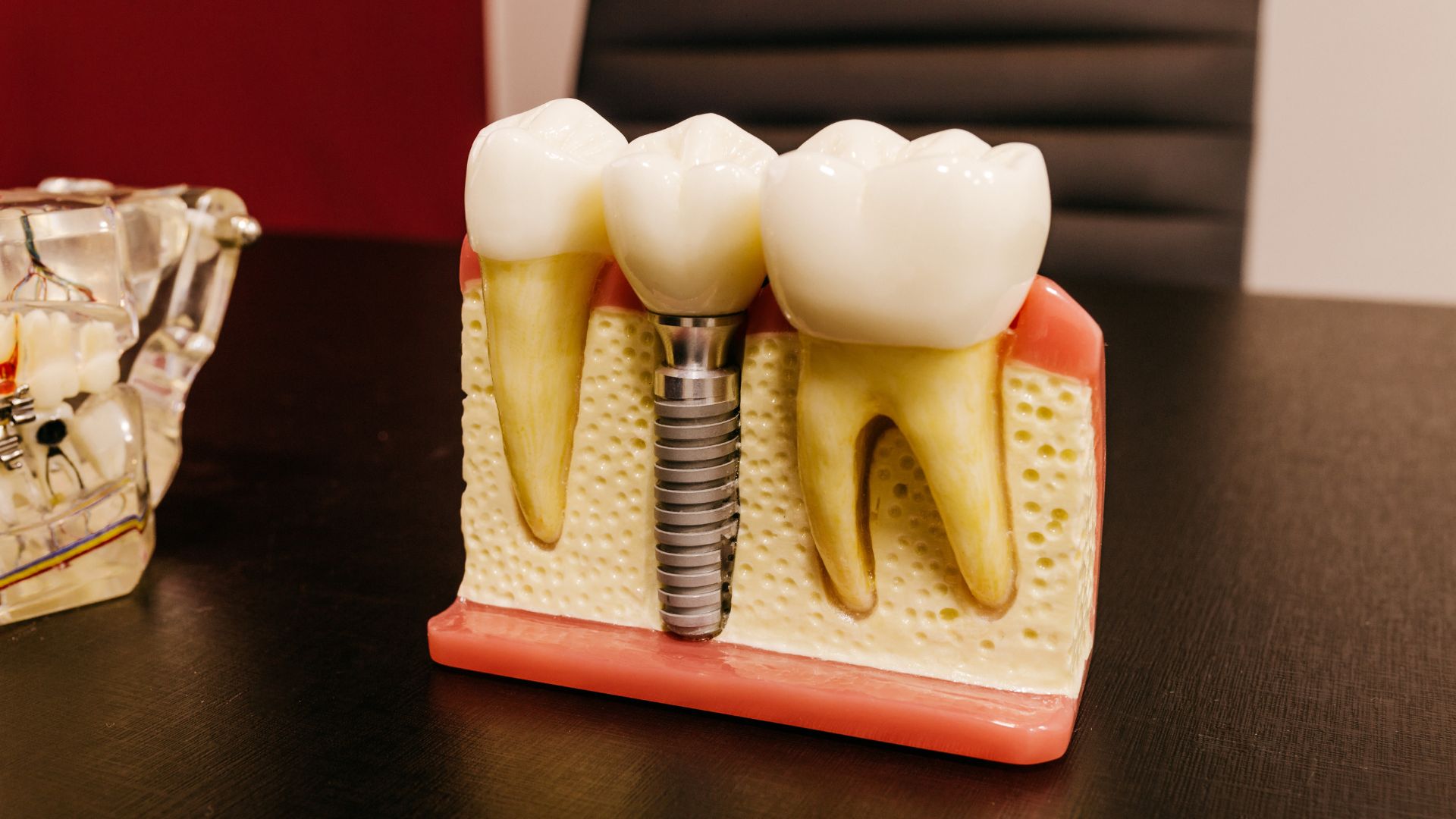
How Dental Bridges Replace Missing Teeth Without Removable Dentures
Dental bridges in Playa Vista can replace a missing tooth with a fixed restoration that stays in place during eating, speaking, and daily routines. A bridge uses support from neighboring teeth or other planned support structures to hold the replacement tooth in the gap. This can make the missing area feel more stable than a removable appliance, especially for patients who want a tooth replacement that does not need to come in and out. The goal is to restore the missing tooth space in a way that feels secure, natural, and easier to live with. Westside Aesthetic Dentistry is here for all of your dental needs.
A fixed bridge can also help patients avoid the daily inconvenience of removing, cleaning, or adjusting a partial denture. Dental bridges in Playa Vista may be considered when the surrounding teeth can support the restoration and the patient wants a non-removable solution for a visible or functional gap. The design should account for chewing pressure, smile appearance, tooth shape, and how the replacement fits between neighboring teeth. A well-planned bridge can help the smile feel more complete again.
A dental bridge can fill a missing tooth gap with a replacement tooth that is secured as part of a fixed restoration. This helps restore the visible space while also improving how the teeth contact food during chewing. Patients who dislike the idea of removing an appliance may appreciate that a bridge stays in place once treatment is complete. The replacement tooth should be shaped and shaded to blend with the surrounding smile instead of looking separate from nearby teeth. Fixed replacement can make the gap feel less noticeable during daily life.
A Bridge Stays In Place During Daily Life
A dental bridge is designed to remain fixed while patients eat, speak, smile, and clean their teeth. This can feel more convenient than a removable option that needs separate handling, storage, or adjustment during the day. A stable restoration helps the missing tooth area feel more natural and easier to trust.
Fixed Support Can Feel More Secure
A fixed bridge can reduce the movement some patients associate with removable appliances. That added stability can make chewing, speaking, and smiling feel more comfortable during ordinary routines. Secure support helps patients trust the replacement tooth throughout the day.
Losing a tooth can change how chewing pressure moves across the mouth, especially when patients begin avoiding the gap without noticing. Patients may start favoring one side, avoiding certain foods, or feeling that meals require more effort than before. A dental bridge can help restore contact in the missing area so the bite has more support during chewing. Planning should consider how the replacement tooth handles pressure and how nearby teeth share the load. Better chewing support can make meals feel easier and more balanced.
Missing Teeth Can Shift Chewing Habits
A tooth gap may cause patients to chew differently without realizing the change is happening. Over time, that shift can place extra pressure on other teeth or create discomfort during normal meals. Restoring the missing space can help chewing feel more balanced and less one-sided.
Bridge Design Should Support Function
A bridge should be shaped to support normal chewing without feeling bulky, unstable, or distracting. Bite contact, contour, material choice, and tooth position all affect daily comfort after placement. Functional design helps the bridge feel integrated with the rest of the mouth.
A visible tooth gap can affect how comfortably patients smile, speak, laugh, or appear in close conversations. A dental bridge can replace the missing tooth with a fixed restoration that blends into the smile line. This can be especially helpful when the gap appears near the front or side teeth that show during natural expression. The replacement should be planned around color, shape, proportion, gumline appearance, and the neighboring teeth for a natural result. A complete smile can feel easier to show.
Smile Gaps Can Affect Confidence
A missing tooth may draw attention when someone laughs, speaks, smiles, or appears in photos. Even when the gap does not cause pain, it can change how freely the patient shows their teeth. Replacing the space can support a more confident expression during everyday interactions.
A Natural Replacement Needs Detail
A bridge should match nearby teeth in shade, contour, surface texture, and overall proportion. Small differences in shape, brightness, or size can affect how natural the replacement looks. Careful detail helps the replacement tooth blend quietly into the smile.
A bridge depends on surrounding support, so the health and strength of nearby teeth matter during planning. The dentist evaluates tooth structure, gum health, bite pressure, existing restorations, and spacing before recommending this option. If the neighboring teeth are strong enough, they can help hold the bridge securely in place during chewing and daily use. This evaluation protects both the replacement tooth and the teeth that support it. Strong support makes bridge treatment more dependable over time.
Supporting Teeth Need Careful Evaluation
Teeth next to the gap must be healthy enough to support the bridge comfortably and predictably. Large fillings, cracks, gum concerns, bite pressure, or older restorations can affect whether a bridge is appropriate. A careful exam helps determine if support is reliable before treatment begins.
Healthy Support Protects The Bridge
A bridge performs better when the supporting teeth and surrounding gums remain stable over time. Daily cleaning and regular dental visits help protect those foundation teeth from decay, inflammation, or excess pressure. Healthy support helps the bridge last more comfortably and reliably.
Why Dental Bridge Design Matters For Bite Comfort And Natural Smile Balance
Dental bridges in Playa Vista need careful design because a bridge has to replace a missing tooth while also working with the teeth that support it. The restoration should help restore chewing contact, protect neighboring teeth from excess strain, and blend naturally with the surrounding smile. A bridge that is shaped too bulky, contacts too heavily, or does not match nearby teeth can feel noticeable during meals, speech, or daily cleaning. Careful bridge planning helps the replacement tooth feel stable, comfortable, and visually connected to the rest of the mouth.
A well-designed bridge also depends on the relationship between the replacement tooth, the supporting teeth, the gumline, and the patient’s bite. Shade, contour, material strength, cleaning access, and pressure distribution all influence how the bridge feels after placement. Dental bridges in Playa Vista can be more successful when function and aesthetics are planned together from the beginning. The best bridge should restore the missing space without making the restoration feel obvious.
A dental bridge should meet the opposing teeth in a way that feels even, stable, and comfortable during normal chewing. If one part of the bridge receives too much pressure, the restoration may feel sore, high, or difficult to trust during meals. The supporting teeth also need balanced contact because those teeth help carry the force placed on the bridge. Bite evaluation helps the dentist shape the restoration so chewing feels more predictable and less distracting after placement. A better bite fit can make the bridge feel natural faster.
Heavy Bite Contact Can Strain Supporting Teeth
Heavy contact on a bridge can place extra force on the teeth holding the restoration. That pressure may create tenderness, wear, or stress around the supporting teeth if it is not corrected early. Careful adjustment helps the bridge share chewing pressure more evenly during daily function.
Balanced Chewing Helps Bridges Last Longer
A bridge performs better when chewing pressure does not overload one area. Even force distribution can protect the restoration, supporting teeth, and opposing teeth during daily use. Balanced chewing makes the bridge feel more dependable over time.
The replacement tooth in a bridge should match the size, shape, and contour of the teeth beside it as closely as possible. A tooth that looks too wide, too long, too flat, or too rounded can make the bridge stand out even when the shade is close. Shape also affects how the lips, tongue, and food move around the restoration during speaking and chewing. A thoughtful design considers the patient’s smile line, gum shape, tooth proportions, and natural expression before the bridge is finalized. Better tooth shape helps the bridge blend more quietly.
Proportion Helps The Bridge Look Natural
Tooth proportion affects whether the replacement tooth looks connected to the full smile. The bridge should follow the visual pattern of nearby teeth instead of looking like a separate piece. Careful proportion planning helps the final result look more lifelike and balanced.
Contour Affects Speech And Cleaning
Bridge contour influences how the tongue feels around the restoration during speech. It can also affect how easily patients clean around the bridge and supporting teeth. Smooth, well-shaped contours make daily care easier and more comfortable.
Shade matching matters because a bridge should not look brighter, darker, flatter, or more opaque than surrounding teeth. Natural teeth have subtle differences in translucency, brightness, and color depth, especially near the edges and gumline. The dentist should compare nearby teeth carefully before selecting the bridge shade, material, and surface finish. This is especially important when the missing tooth space appears during smiling, speaking, or laughing. Accurate shade matching helps the bridge look more natural.
Natural Teeth Are Not One Flat Color
Real enamel reflects light differently across the tooth surface during everyday expression. The edge, center, and gumline area may each show slightly different brightness or translucency. Matching those details helps the bridge avoid an artificial or overly uniform appearance.
Color Planning Protects Smile Confidence
A visible bridge should blend well enough that patients do not think about it when speaking or smiling. Even a small shade mismatch can draw attention in photos, bright lighting, or close conversation. Thoughtful color planning supports a more confident result.
Bridge material affects how the restoration handles chewing forces, reflects light, and feels inside the mouth over time. A back-tooth bridge may need added strength because molars handle heavier pressure during meals. A bridge in a visible area may need greater attention to translucency, shade depth, surface polish, and edge blending. The right material should fit the tooth location, bite demands, smile goals, and long-term comfort needs. Strong bridge materials can still look refined.
Tooth Location Should Guide Material Choice
Different areas of the mouth place different demands on a bridge. Back teeth usually need stronger material support, while visible teeth require closer cosmetic detail. Matching material choice to location helps balance durability, comfort, and appearance.
Quality Materials Support Daily Confidence
A bridge should feel smooth, stable, and natural during everyday use. Material strength, polish, fit, and shade stability all affect how the restoration performs over time. Better materials help the bridge feel more reliable and lifelike.
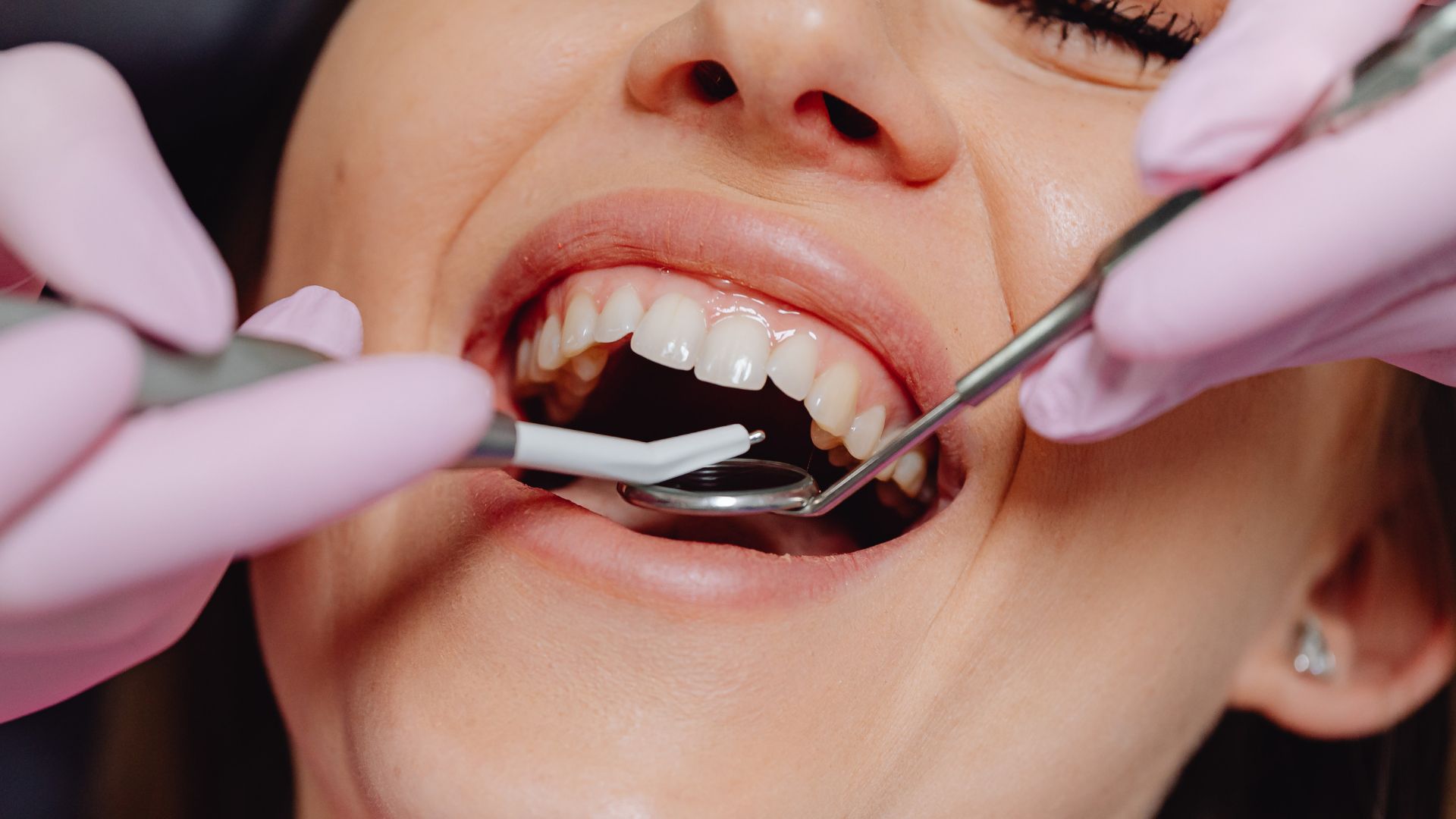
Why Playa Vista Residents Trust Westside Aesthetic Dentistry With Dental Bridges
Westside Aesthetic Dentistry approaches dental bridges in Playa Vista with careful attention to comfort, chewing function, replacement tooth design, and how the restoration should blend into the full smile. Dr. Kaitie Beetner’s Kois-trained approach supports bridge planning that considers supporting teeth, bite pressure, gum health, material quality, and long-term stability together. The practice uses clinical photography, intraoral scanning, and clear explanations so patients can understand why a bridge may be recommended and how it should function. This creates a more informed experience for patients who want restorative dentistry that still respects aesthetics.
Dental bridges in Playa Vista should feel secure, natural, and thoughtfully designed from the beginning. Westside Aesthetic Dentistry does not cut corners on supplies or materials because fit, shade, strength, polish, and contour all affect the final result. Patients receive recommendations that explain how the bridge will replace the missing tooth, protect the supporting teeth, and restore chewing comfort. The goal is a bridge that feels dependable during daily life and looks connected to the surrounding smile.
Dr. Beetner’s Kois-trained background helps guide bridge treatment with a broader view of how teeth, gums, bite forces, and restorations work together. A bridge depends on neighboring teeth for support, which means their strength, gum stability, and existing restorations need careful evaluation before treatment begins. This planning can help identify whether large fillings, cracks, bite strain, or gum concerns could affect how well the bridge performs over time. A bridge should restore the missing tooth space without creating unnecessary stress on the teeth that hold it. Strong planning helps the final restoration feel more dependable.
Evaluating Anchor Teeth Before Bridge Placement
The teeth beside the missing space must be strong enough to support the bridge during chewing, speaking, and daily function. Large fillings, cracks, gum inflammation, or heavy bite pressure can change whether those teeth are ready for bridge treatment. Reviewing these details helps protect both the bridge and the supporting teeth underneath.
Gum And Tooth Stability Around The Bridge
A bridge can only perform well when the supporting teeth and surrounding gums remain healthy. Gum inflammation, decay risk, and weakened tooth structure can affect comfort, cleaning access, and long-term reliability. Careful planning helps the bridge feel secure during daily use.
Modern dental technology can make bridge planning easier to understand before treatment begins. Intraoral scanning can show tooth shape, spacing, bite relationships, and the gap being restored with more detail. Clinical photography may also help patients see visible concerns involving old dental work, gumline shape, or tooth proportions near the missing space. These tools make the treatment conversation more visual, specific, and easier to follow. Better information helps patients feel more confident about the plan.
Mapping The Missing Tooth Space Digitally
Digital scans can help patients see the missing tooth area and surrounding structures from a more detailed perspective. This can clarify how the replacement tooth should fit between neighboring teeth and how much space the bridge must restore. Seeing the space helps the recommendation feel more understandable.
Visual Records For Bite And Shape Planning
Images and scans can make bridge design feel less abstract by showing tooth shape, spacing, gumline needs, and bite relationships. Patients can better understand how the bridge should fit before treatment begins. Clear visuals make restorative choices easier to trust.
Material quality matters because a bridge must handle daily chewing while still blending with nearby teeth. Westside Aesthetic Dentistry treats materials as part of the final work product because shade, translucency, strength, polish, and fit all influence the patient’s result. A bridge should not look flat, bulky, mismatched, or separate from the surrounding smile. The material should be chosen around tooth location, bite forces, cosmetic needs, and long-term comfort. Better materials help the bridge look more lifelike.
Matching Bridge Shade Contour And Surface Texture
A bridge should match nearby teeth in color, contour, size, polish, and surface character. Even a strong restoration can look distracting if the shade or shape feels disconnected from the surrounding smile. Careful matching helps the bridge blend naturally during smiling and speaking.
Balancing Bridge Strength With Lifelike Detail
Bridge materials need durability, but they should also support a natural appearance. The right material can balance chewing strength with lifelike shade, polish, and translucency. Quality choices help the restoration feel both strong and beautiful.
Bridge treatment should feel organized, respectful, and clear from the first conversation through final placement. Westside Aesthetic Dentistry takes time to explain preparation, temporary protection, final fit, bite adjustment, and home care expectations. The bridge should feel smooth, stable, and comfortable during chewing, speaking, and brushing. Patients should have space to ask questions and share comfort concerns during each stage. A thoughtful process makes treatment feel easier to navigate.
Protecting Prepared Teeth With A Temporary Bridge
A temporary bridge helps protect the prepared teeth while the final restoration is being made. Patients should understand how to chew, clean, and protect the temporary bridge between visits. Clear instructions help reduce avoidable discomfort during the treatment process.
Adjusting Bite Contact On The Final Bridge
The final bridge should feel stable when biting, speaking, and cleaning around the restoration. Bite adjustments and careful finishing can help the bridge work comfortably with nearby teeth. A precise fit helps the restoration feel integrated.
Schedule a Dental Bridges in Playa Vista Appointment With Westside Aesthetic Dentistry
A tooth gap can make everyday tasks like chewing feel uneven before it ever becomes a cosmetic concern. Dental bridges in Playa Vista can help restore chewing support, close a visible gap, and create a fixed replacement that feels easier to rely on each day. Westside Aesthetic Dentistry plans each bridge around support teeth, bite contact, material quality, and natural-looking detail. The result should feel secure enough for daily function and refined enough to belong in your smile.
Bridge treatment works best when the replacement tooth, supporting teeth, and surrounding gums are planned together. Dental bridges in Playa Vista may be a strong option when you want a non-removable solution that restores comfort without sacrificing appearance. Westside Aesthetic Dentistry provides careful restorative care for patients who want strength, clarity, and aesthetic detail in one treatment plan. Call Westside Aesthetic Dentistry at (424) 216-9669 or visit our contact page to schedule your dental bridge visit today.