
Dental Fillings in Playa Vista
A small cavity can create a larger problem when decay continues removing healthy tooth structure. Dental fillings in Playa Vista can repair affected areas before the tooth becomes more sensitive, weakened, or difficult to restore with a smaller treatment. At Westside Aesthetic Dentistry, filling recommendations are explained clearly so patients understand where decay is present, what needs to be removed, and how the repair should protect the tooth. The goal is to preserve as much natural structure as possible while restoring comfort, strength, and a clean appearance.
Not every cavity causes obvious pain, which makes early evaluation especially important. A filling may be recommended when decay, minor fracture lines, worn enamel, or an older filling leaves part of the tooth vulnerable. Dr. Kaitie Beetner’s Kois-trained approach supports careful planning around tooth structure, bite forces, material quality, and long-term comfort. Call Westside Aesthetic Dentistry at (424) 216-9669 to schedule an appointment in Playa Vista today.
How Dental Fillings in Playa Vista Repair Cavities Before Damage Spreads
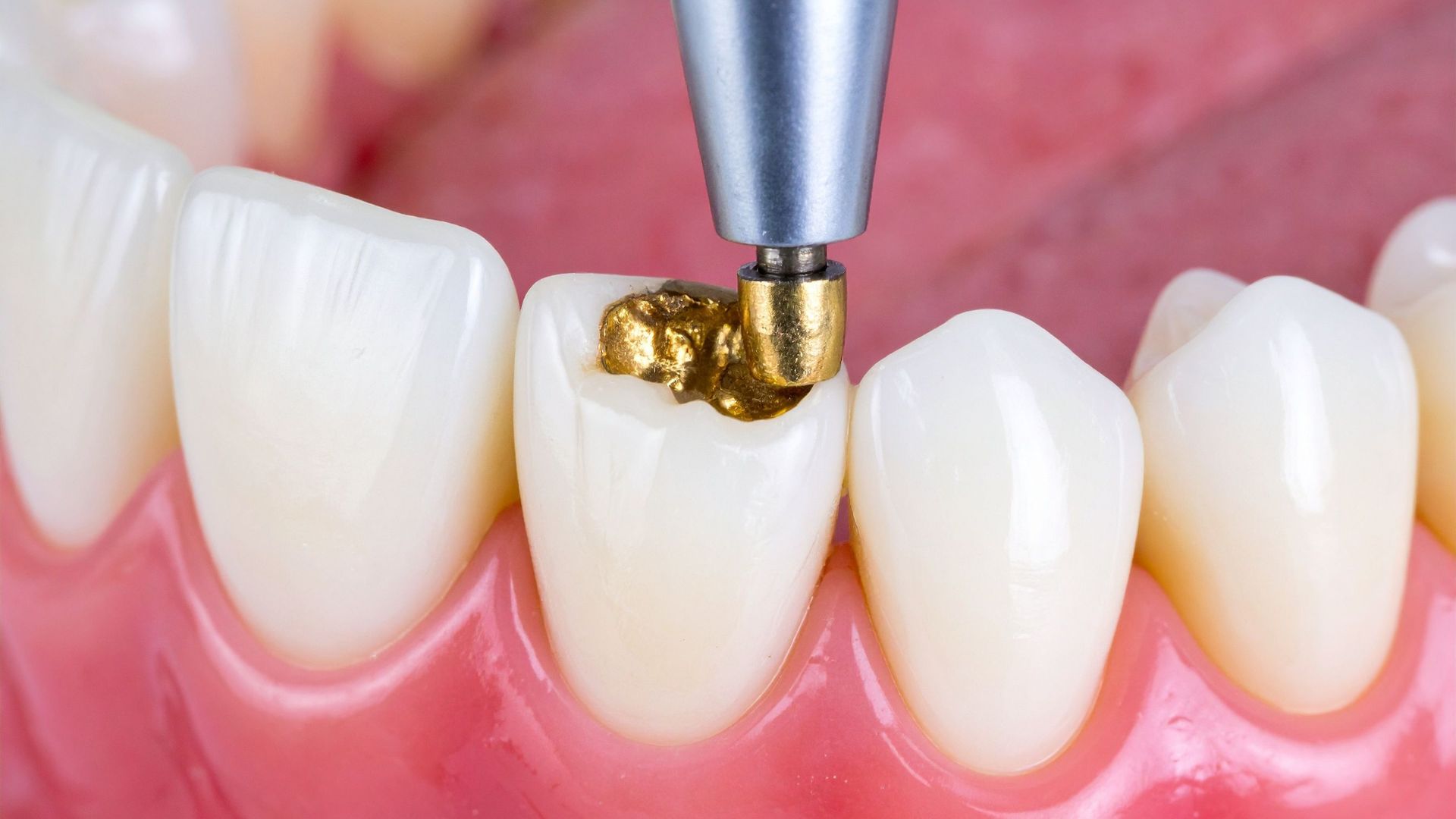
Dental fillings in Playa Vista at Westside Aesthetic Dentistry can repair tooth decay while the damaged area is still small enough for a conservative restoration. A filling removes the softened or decayed part of the tooth, then rebuilds the area with material designed to restore shape, comfort, and chewing support. This helps stop decay from spreading deeper into the tooth where sensitivity, infection risk, or larger treatment needs may develop. Early repair can preserve more natural tooth structure and make treatment feel more manageable.
A cavity does not always hurt when it first begins, which is why dental exams and imaging can be important. Dental fillings in Playa Vista may be recommended when decay appears between teeth, along grooves, near old fillings, or in areas that are difficult to clean. The goal is to repair the affected tooth before the problem weakens more enamel or reaches sensitive inner layers. A well-planned filling can help the tooth feel smoother, stronger, and easier to protect.
A cavity begins when bacteria weaken enamel and create an area that can no longer repair itself through normal home care. Once decay passes through the outer enamel, it can move into softer dentin where damage may spread more quickly and become harder to repair conservatively. Patients may not feel symptoms right away, even when the tooth is already losing structure beneath the surface. A filling can remove the affected area and seal the tooth before the damage becomes more complex. Earlier treatment helps preserve more healthy tooth structure.
Decay Can Grow Without Obvious Pain
Many cavities develop quietly before sensitivity, pressure, or discomfort appears during meals. This can make patients assume the tooth is healthy until the damaged area becomes larger or reaches deeper layers. Routine exams help identify decay before symptoms become harder to ignore or treatment needs become more involved.
Smaller Repairs Preserve More Tooth Structure
A smaller filling usually means less tooth structure needs to be removed during treatment. Preserving healthy enamel and dentin can help the tooth remain stronger during chewing, brushing, and normal daily use. Conservative repair protects both comfort and long-term function.
A tooth-colored filling can restore the area damaged by decay while helping the repair blend with nearby enamel. Shape matters because grooves, edges, and chewing surfaces guide how food moves across the tooth during meals. A filling should not feel rough, bulky, uneven, or distracting after treatment is complete. Careful shaping helps the repaired tooth look, feel, and function more naturally within the bite. A well-contoured filling supports both comfort and appearance.
Surface Shape Affects Daily Chewing
The chewing surface of a tooth has grooves and contours that help guide bite function. If a filling is shaped poorly, food movement, bite contact, and chewing comfort may feel different from the surrounding teeth. Careful contouring helps the restoration work with the natural tooth instead of feeling like a separate repair.
Color Matching Helps The Repair Blend
A tooth-colored filling should match surrounding enamel as closely as possible. Shade, polish, surface texture, and finishing all affect how visible the repair appears when smiling or speaking. Better matching helps the filling blend into the tooth more naturally.
A filling should feel comfortable when the patient bites, chews, and closes the teeth together. If the restoration sits too high, the repaired tooth may feel sore, tender, or sensitive after treatment. Even a small bite imbalance can place extra pressure on the filling, surrounding enamel, or opposing teeth. Adjusting the filling carefully helps the tooth settle into normal function without unnecessary strain. A comfortable bite makes the repair easier to trust.
High Spots Can Cause Tooth Tenderness
A filling that contacts too heavily may create pressure during chewing or when the teeth close together. Patients may feel soreness when biting down or notice that one tooth seems to touch before the others. Bite adjustment can help reduce unnecessary stress on the restored tooth and surrounding bite.
Final Polish Helps Daily Comfort
A smooth filling surface should feel comfortable against the tongue and nearby teeth after treatment. Polish also helps reduce rough areas that can collect stain, plaque, or food particles around the restoration. Careful finishing makes the filling feel more natural during daily routines.
What Patients Should Know Before Getting A Dental Filling
Getting a filling should feel straightforward when patients understand what the visit is meant to accomplish. Dental fillings in Playa Vista are used to remove damaged tooth structure, seal the repaired area, and restore a surface that can handle daily chewing. The dentist may evaluate tooth sensitivity, cavity depth, old filling edges, bite contact, and how much healthy enamel remains before treatment begins. This helps patients understand why a filling is recommended and what the repair should protect.
A filling visit can also involve choices about material, shade, comfort, and what the tooth may feel like afterward. Some patients feel temporary sensitivity after treatment, especially when the cavity was deeper or the tooth was already irritated. Dental fillings in Playa Vista should be planned so the final repair feels smooth, stable, and easy to maintain. Knowing what to expect can make treatment feel calmer and more predictable.
The right filling material depends on where the cavity appears, how much pressure the tooth handles, and how visible the repair will be when the patient smiles or speaks. Back teeth often need material that can tolerate heavier chewing forces, while visible teeth may need closer attention to shade, polish, and surface texture. A tooth-colored filling can help the repair blend with surrounding enamel when appearance matters, especially in areas that show during daily expression. Material choice should support both durability and appearance, rather than treating one as more important than the other. Better material planning helps the filling feel more appropriate for the tooth.
Chewing Pressure Affects Filling Selection
Teeth in different areas of the mouth handle different levels of pressure during meals, clenching, and normal daily function. A filling on a molar may need more strength than a small repair on a front tooth because the chewing load is different. Evaluating chewing pressure helps the dentist choose a material that fits the tooth’s daily role more accurately.
Visible Fillings Need Careful Shade Matching
A visible filling should blend with nearby enamel as naturally as possible during smiling, laughing, and speaking. Shade, translucency, polish, and contour can all affect whether the repair stands out after treatment. Careful matching helps the filling look cleaner, smoother, and less noticeable.
Patients often want to know what the filling appointment will feel like before treatment begins, especially if they have had sensitivity or difficult dental experiences in the past. Local anesthetic may be used to keep the tooth comfortable while decay is removed and the restoration is placed. The dental team can also explain each step before starting, which helps patients feel more prepared during the visit. Comfort-focused care matters because anxiety can make even small treatment feel more stressful than expected. A calmer appointment can make the repair easier to complete.
Local Anesthetic Helps Reduce Sensitivity
Numbing helps protect comfort while the damaged portion of the tooth is cleaned and repaired. Patients may feel pressure, vibration, water, or movement during treatment, but sharp discomfort should not be part of the experience. Explaining these normal sensations beforehand can make the visit feel more manageable and less uncertain.
Communication Helps Patients Feel In Control
Patients should feel comfortable speaking up if they need a pause, feel unexpected sensitivity, or want clarification during the visit. Clear communication during the appointment helps the team adjust the pace when needed. This makes the experience feel more respectful, patient-centered, and easier to navigate.
Some teeth feel mildly sensitive after a filling, especially when decay was deeper or the tooth was irritated before treatment. Sensitivity may appear with cold drinks, chewing pressure, brushing near the repaired area, or contact with sweet foods. The dentist may explain what is expected, what should improve, and when lingering symptoms deserve follow-up. Understanding this difference helps patients avoid unnecessary worry while still paying attention to their comfort. Post-filling sensitivity should be monitored thoughtfully.
Deeper Cavities Can Feel Reactive
A deeper cavity may leave the tooth more sensitive after repair because the inner layers were closer to the affected area. This does not always mean something is wrong, but the symptoms should gradually improve as the tooth settles. Monitoring the tooth helps determine whether additional evaluation, bite adjustment, or further treatment may be needed.
Lingering Pain Needs Follow-Up
Sensitivity that becomes stronger, lasts too long, or affects chewing should be checked rather than ignored. A bite adjustment, nerve evaluation, or additional treatment may be needed in some cases. Follow-up care helps protect the repaired tooth and keeps discomfort from becoming harder to manage.
A new filling needs daily care to protect the repaired tooth and the surrounding enamel from future decay. Brushing, flossing, regular dental visits, and careful attention to roughness or sensitivity can help the restoration remain healthy. Patients should also avoid ignoring changes such as food catching, sharp edges, bite discomfort, or floss tearing around the filling after treatment. These signs may mean the filling needs adjustment or closer evaluation before the concern becomes more irritating. Good home care helps the repair last longer.
Flossing Helps Protect Filling Edges
Flossing around a filling helps remove plaque where the tooth and restoration meet. This edge can be vulnerable if bacteria collect along the margin and remain there between dental visits. Consistent cleaning helps reduce the chance of new decay forming around the repaired area.
Rough Edges Should Be Evaluated
A filling should feel smooth against the tongue, neighboring teeth, and floss after treatment. Roughness, catching floss, or sharp edges can make cleaning harder and cause irritation during daily routines. Checking those concerns early helps keep the restoration comfortable and easier to maintain.

Why Patients Choose Westside Aesthetic Dentistry For Dental Fillings
Westside Aesthetic Dentistry approaches dental fillings in Playa Vista with careful attention to tooth preservation, comfort, and natural-looking repair. Dr. Kaitie Beetner’s Kois-trained approach supports filling treatment that considers cavity depth, enamel strength, bite contact, material selection, and long-term tooth stability together. The practice uses clear explanations and modern diagnostic tools so patients can understand where decay is present and why a filling may be recommended. This makes treatment feel more informed, precise, and focused on protecting as much healthy tooth structure as possible.
Dental fillings in Playa Vista should feel smooth, comfortable, and well matched to the surrounding tooth after treatment is complete. Westside Aesthetic Dentistry does not cut corners on supplies or materials because filling quality affects fit, seal, polish, shade, and everyday comfort. Patients receive recommendations that explain how the filling will repair the damaged area, protect the remaining tooth, and support daily chewing. The goal is a restoration that feels dependable without drawing attention inside the smile.
Dr. Beetner’s Kois-trained perspective helps guide filling treatment with a focus on preserving healthy enamel whenever possible. A small cavity, worn filling edge, or weakened groove should be evaluated in relation to the full tooth, not treated as an isolated surface problem. This planning can help determine whether a filling is appropriate or whether the tooth needs a different level of support. Conservative repair helps protect tooth strength while addressing the damaged area. Stronger decisions begin with better diagnosis.
Evaluating Cavity Depth Before Filling Placement
Cavity depth affects how much tooth structure must be removed before the filling is placed. A shallow cavity may need a smaller repair, while deeper decay can require more careful planning around sensitivity and long-term protection. Understanding cavity depth helps patients know what the filling is meant to preserve.
Preserving Healthy Enamel During Treatment
Healthy enamel should be protected when the damaged portion of the tooth is repaired. Removing only the affected structure can help the tooth remain stronger after treatment. Conservative preparation supports a more durable and comfortable filling.
Material quality matters because a filling should restore the tooth without looking obvious or feeling rough. Westside Aesthetic Dentistry uses filling materials with attention to shade, polish, contour, and how the repaired area blends with surrounding enamel. This matters for both visible teeth and chewing surfaces because the restoration should feel smooth during daily use. A well-matched filling can repair damage while keeping the tooth’s natural appearance. Better materials help the restoration feel more seamless.
Matching Filling Shade To Nearby Enamel
A tooth-colored filling should match the surrounding enamel as closely as possible. Shade selection, translucency, and polish can affect how visible the repair appears when speaking or smiling. Careful matching helps the filling blend naturally with the tooth.
Surface Polish Helps Prevent Roughness
A filling should feel smooth against the tongue, floss, and neighboring teeth after placement. Rough areas can collect stain, plaque, or food particles more easily over time. Careful polishing helps the restoration feel cleaner and more comfortable.
A filling must fit the bite properly so the repaired tooth does not feel high, sore, or overly sensitive after treatment. Westside Aesthetic Dentistry checks how the upper and lower teeth meet because even a small high spot can create pressure during chewing. Bite comfort matters especially when the filling sits on a molar or another tooth that handles daily force. Adjusting the restoration carefully helps the tooth return to normal function. A comfortable bite makes the filling easier to trust.
Checking High Spots After Placement
A high filling can make one tooth touch before the others during chewing. This uneven contact may cause soreness, tenderness, or a strange pressure sensation after treatment. Checking bite contact helps reduce unnecessary strain on the repaired tooth.
Smoother Function Supports Tooth Protection
A properly adjusted filling should work comfortably during meals and daily routines. Balanced contact helps protect the restoration, surrounding enamel, and opposing tooth from excess pressure. Smoother function helps the repair feel more natural.
Patients should understand how to care for a filling after treatment is complete. Westside Aesthetic Dentistry explains brushing, flossing, sensitivity monitoring, and signs that a filling may need adjustment or review. This guidance matters because the edge where filling material meets tooth structure needs consistent cleaning to stay protected. Patients also benefit from knowing when roughness, food catching, or lingering discomfort should be checked. Long-term care helps the restoration stay healthier.
Cleaning Along Filling Margins
The margin around a filling can collect plaque if brushing and flossing are inconsistent. Bacteria near that edge may increase the risk of new decay around the restored area. Careful cleaning helps protect both the filling and tooth.
Monitoring Sensitivity After The Visit
Mild sensitivity can happen after a filling, especially when decay was deeper. Symptoms should gradually improve rather than become stronger or disrupt chewing. Tracking sensitivity helps patients know when follow-up care may be needed.
Reach Out to Westside Aesthetic Dentistry Today to Book With Our Dentist
Cavities are easier to treat when the repair stays straightforward and clear. Dental fillings in Playa Vista can remove the damaged area, seal the tooth, and restore a smoother chewing surface before decay creates larger concerns. Westside Aesthetic Dentistry looks closely at cavity depth, enamel strength, filling fit, and bite contact so the tooth receives the right level of support. The finished repair should feel clean, comfortable, and naturally blended.
Getting a filling should not feel confusing or excessive when the problem is still manageable. Dental fillings in Playa Vista may be appropriate for small cavities, worn filling edges, minor chips, or areas where bacteria have started weakening the tooth. Westside Aesthetic Dentistry helps patients understand what is being repaired, why timing matters, and how to care for the restoration afterward. Call Westside Aesthetic Dentistry at (424) 216-9669 or visit our contact page to schedule your dental filling visit today.