
Jaw Development and Airway Evaluation in Playa Vista
Most people think about their teeth when they visit a dentist. Far fewer realize that jaw development, breathing patterns, sleep quality, facial balance, and oral health often influence one another every single day. As research continues to reveal the connection between airway function and overall wellness, more patients are looking beyond traditional dental care and seeking answers that address the bigger picture.
Dr. Kaitie Beetner is passionate about creating personalized treatment experiences that prioritize both health and aesthetics. She dedicates more than 75 hours annually to continuing education and continually expands her knowledge to provide thoughtful, patient-centered care. Rather than taking a one-size-fits-all approach, she spends time listening to patients, understanding their concerns, and developing individualized recommendations that support their goals.
If you are interested in learning more about Jaw Development and Airway Evaluation in Playa Vista, call (424) 216-9669 today to schedule your consultation with Westside Aesthetic Dentistry.
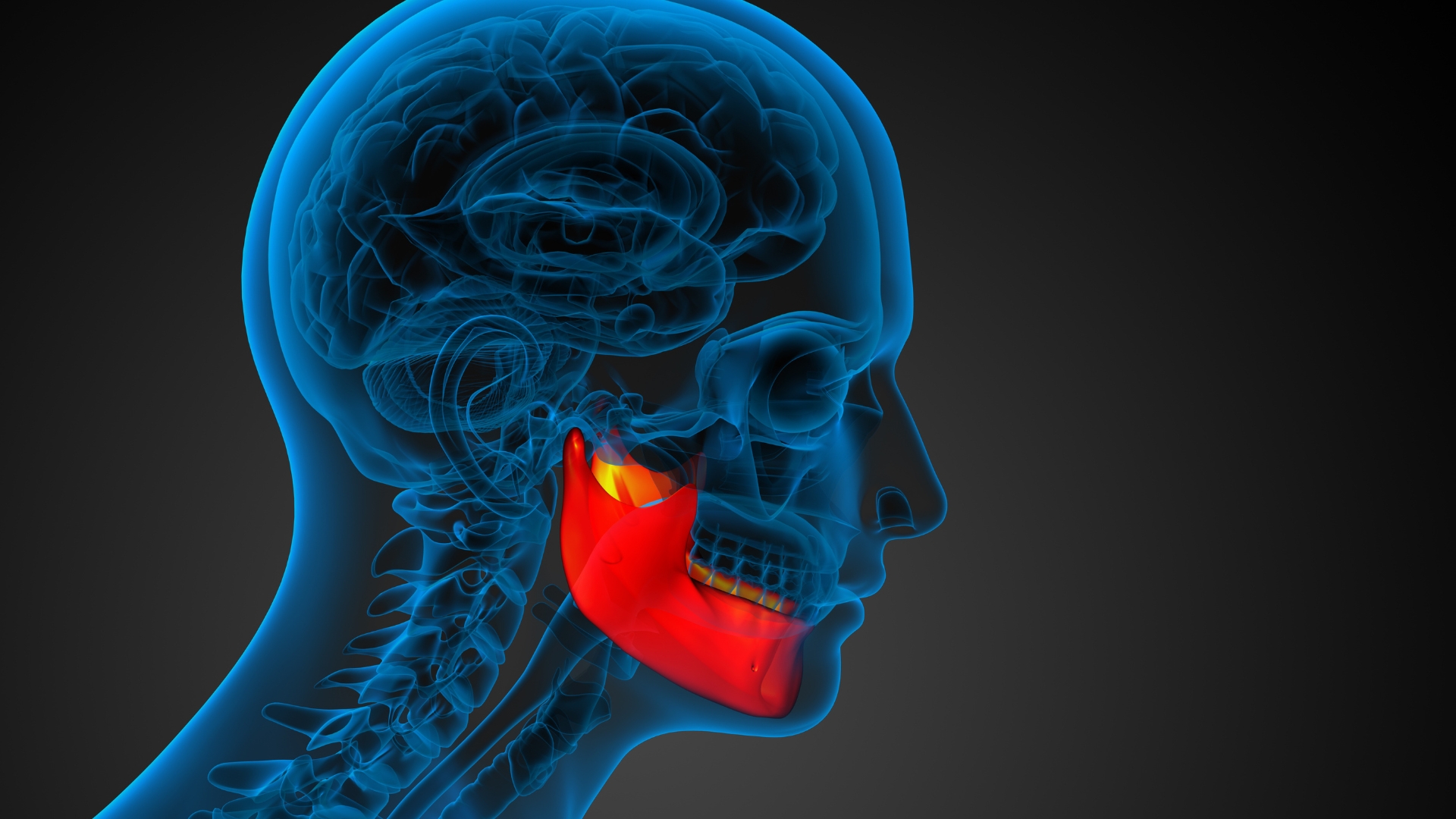
Jaw Development and Airway Evaluation in Playa Vista for Better Sleep
Quality sleep supports nearly every aspect of daily life. It influences energy levels, mental clarity, physical recovery, mood regulation, athletic performance, and overall wellness. Yet many people focus exclusively on sleep habits while overlooking the physical structures that help make healthy breathing possible during sleep. Jaw Development and Airway Evaluation in Playa Vista provides a deeper look at how jaw growth, oral anatomy, tongue posture, dental arch development, and airway function may influence the quality of rest a person experiences each night. Rather than viewing sleep concerns as an isolated issue, we examine the broader relationship between breathing, oral function, and facial development.
Many patients spend years searching for answers regarding chronic fatigue, restless sleep, morning jaw soreness, or persistent teeth grinding. Often, these concerns seem unrelated. However, a comprehensive evaluation may reveal that they share common contributing factors involving airway health and jaw structure.
The size, shape, and position of the jaws can influence how comfortably air moves through the upper airway during sleep. When the airway has less available space, the body may work harder to maintain consistent airflow throughout the night.
Many adults have never considered how jaw development may affect sleep quality. Instead, they assume poor sleep results exclusively from stress, work demands, or lifestyle factors. While those elements certainly matter, structural factors deserve attention as well.
Individuals with narrow dental arches, crowded teeth, retruded jaw positioning, or compromised tongue posture may experience functional patterns that affect breathing efficiency. As a result, they may wake feeling exhausted despite spending sufficient hours in bed.
Why Airway Space Matters During Sleep
During waking hours, muscles throughout the airway help maintain openness and support healthy breathing. During sleep, however, those muscles naturally relax.
This relaxation can make existing airway limitations more noticeable. Even small restrictions may contribute to breathing challenges that repeatedly interrupt normal sleep cycles throughout the night.
For this reason, airway evaluations often focus on understanding available airway space, oral posture habits, and structural relationships within the mouth and facial complex. These observations help create a more complete understanding of how anatomy may influence sleep quality.
Airflow Patterns Can Affect Sleep Efficiency
Healthy sleep depends upon consistent airflow. When breathing becomes less efficient, the body may repeatedly shift sleep stages in an attempt to maintain oxygen delivery and airway stability.
These disruptions often occur without the patient fully realizing they happened. Consequently, someone may believe they slept through the night while still experiencing fatigue, reduced focus, and diminished recovery the following day.
At our office, we help patients better understand how breathing patterns may influence their overall wellness. Through thoughtful conversations and comprehensive assessments, we identify potential areas that deserve closer attention.
Why Structural Evaluations Offer Valuable Insight
Structural evaluations provide information that symptom-based conversations alone cannot reveal. By examining oral anatomy, facial development patterns, bite relationships, and airway considerations together, we can develop a broader picture of patient health.
This whole-health perspective aligns with the philosophy of Westside Aesthetic Dentistry, where personalized treatment planning and airway-focused conversations play an important role in patient care.
Why Teeth Grinding May Relate to Airway Function
Many patients associate teeth grinding exclusively with stress. While emotional stress can certainly contribute to clenching and grinding, airway concerns may also play a role.
In some cases, the body responds to breathing challenges by activating muscles around the jaw. Over time, this activity may contribute to worn teeth, muscular discomfort, headaches, and increased tension around the face and jaw joints.
Patients often discover this connection only after years of managing symptoms individually. Therefore, exploring airway health may provide additional context regarding persistent grinding habits.
Understanding the Relationship Between Clenching and Breathing
The body constantly works to protect airflow. During sleep, certain muscular responses may occur when breathing becomes less efficient.
These responses can sometimes involve jaw positioning and muscle activation. Consequently, some individuals experience nighttime clenching patterns that coincide with breathing disturbances.
A comprehensive airway evaluation helps identify whether oral structures, jaw relationships, and breathing patterns deserve further consideration.
Common Dental Clues Associated With Sleep Concerns
Several oral health findings may encourage a closer look at airway function. These observations do not establish a diagnosis. However, they can support a more informed discussion.
Examples may include tooth wear, scalloped tongue borders, chronic dry mouth, narrow arches, crowded teeth, jaw soreness, and recurring muscle tension. When these findings appear together, they may suggest the value of additional evaluation.
Airway-focused dentistry continues to gain attention because it examines oral health through a broader functional lens. Rather than concentrating solely on teeth and gums, this approach considers how oral structures contribute to breathing, sleep quality, and overall wellness.
Patients increasingly seek healthcare providers who understand these relationships. They want answers that connect symptoms, function, and lifestyle rather than treating each concern independently.
How Breathing Patterns Affect Daily Wellness
Breathing influences every system in the body. Consequently, breathing efficiency during sleep can impact daytime performance in meaningful ways.
Patients frequently report concerns involving brain fog, reduced productivity, poor workout recovery, irritability, difficulty concentrating, and persistent fatigue. While many factors may contribute, breathing quality deserves consideration.
Jaw Development and Airway Evaluation in Playa Vista helps patients better understand whether structural patterns may influence these experiences.
Why Sleep Quality Extends Beyond Feeling Rested
Many people evaluate sleep quality based solely on hours spent sleeping. However, sleep quality involves much more than duration.
The body must progress through healthy sleep cycles while maintaining efficient breathing patterns. Therefore, someone can spend eight hours in bed and still experience poor restorative sleep if airflow remains compromised.
This distinction often helps patients understand why they continue struggling despite making positive lifestyle changes.
Supporting Wellness Through Comprehensive Evaluation
Wellness-oriented dentistry focuses on understanding the bigger picture. We recognize that oral health affects much more than appearance alone.
By evaluating breathing patterns, jaw function, facial development, oral posture, and airway health together, we help patients gain meaningful insight into factors that may affect daily wellness.
Why Oral Posture Influences Airway Health
Oral posture refers to how the tongue, lips, and surrounding muscles naturally rest throughout the day and night. These patterns can influence facial development, airway support, and functional breathing habits.
Many people never receive education regarding proper oral posture. As a result, dysfunctional habits may persist for years without recognition.
Evaluating these patterns allows us to identify opportunities for greater awareness and more informed healthcare decisions.
The Role of Tongue Position in Airway Function
The tongue occupies significant space within the oral cavity. Therefore, tongue posture can influence how surrounding structures develop and function.
When tongue posture supports healthy oral development, it may contribute to balanced function. Conversely, dysfunctional patterns may affect breathing habits, jaw development, and oral stability over time.
Because these relationships are complex, comprehensive evaluations often provide valuable clarity.
How Mouth Breathing Can Affect Sleep Quality
Chronic mouth breathing may contribute to dry mouth, altered oral posture, increased fatigue, and disrupted sleep patterns. Many adults continue mouth breathing habits that originated years earlier.
For this reason, discussions regarding mouth breathing often form an important component of Jaw Development and Airway Evaluation in Playa Vista. Understanding these habits allows patients to better appreciate how breathing patterns influence overall wellness.
Jaw development continues to influence health well into adulthood. Although growth slows after adolescence, the structures created during development continue affecting breathing, oral function, and comfort throughout life.
Some adults only begin exploring airway evaluations after years of frustration with unexplained symptoms. Others pursue evaluations proactively because they value preventive wellness and comprehensive care.
Why Adults Benefit From Airway Evaluations
Airway evaluations are not limited to children. Adults frequently benefit from learning more about how oral structures and breathing patterns interact.
Patients often appreciate the opportunity to better understand connections between jaw tension, sleep quality, oral health, facial development, and overall wellness. This knowledge helps support more informed decisions moving forward.
Looking Beyond Symptoms Alone
Many healthcare conversations focus on symptom management. While symptom relief remains important, understanding underlying contributors often creates additional opportunities for meaningful improvement.
Therefore, we encourage patients to view airway evaluations as educational experiences. These conversations frequently reveal insights that patients had never previously considered.
Creating Personalized Conversations About Airway Health
No two patients share identical anatomy, habits, goals, or concerns. Therefore, every airway evaluation should remain personalized and patient-centered.
We take time to listen carefully, review concerns thoroughly, and explain findings clearly. This approach reflects our commitment to individualized care, patient education, and wellness-focused dentistry.
The Connection Between Sleep Quality and Jaw Development in Playa Vista
Many people think of sleep and dental health as two completely separate topics. However, the relationship between jaw development and sleep quality often runs much deeper than most patients realize. The way the jaws develop can influence breathing patterns, tongue posture, airway space, and oral function. Together, these factors may affect how well the body rests and recovers each night.
At Westside Aesthetic Dentistry, we frequently speak with patients who have spent years focusing on symptoms without understanding potential structural influences. They may experience poor sleep, daytime fatigue, jaw tension, teeth grinding, or chronic mouth breathing. While every situation is unique, comprehensive airway and jaw evaluations often help uncover patterns that deserve closer attention.
For wellness-minded adults, understanding these connections provides valuable insight into overall health. Rather than viewing sleep concerns through a narrow lens, we encourage patients to consider how breathing, facial development, and oral anatomy may work together to influence sleep quality and daily well-being.
Jaw development affects more than facial appearance. It also plays a role in how the tongue rests, how the teeth fit together, and how much space exists within the upper airway.
When jaw growth supports balanced oral function, breathing often becomes more efficient during sleep. Conversely, developmental patterns that reduce available airway space may contribute to challenges that affect restorative rest.
Many adults never receive a detailed evaluation of these relationships. As a result, they may overlook structural factors that have been present for decades. Jaw Development and Airway Evaluation in Playa Vista helps patients gain a clearer understanding of how oral anatomy may influence sleep quality.
The Relationship Between Dental Arch Development and Airflow
The dental arches serve as the foundation for tooth positioning, tongue posture, and oral function. Their shape and width can influence how comfortably surrounding structures operate.
When arches develop with limited space, crowding and restricted tongue positioning may occur. Consequently, the tongue may struggle to maintain an ideal resting posture, which can influence nighttime breathing patterns.
Patients often focus on crowded teeth from a cosmetic perspective. However, arch development may also affect functional concerns involving breathing and sleep.
Why Arch Width Matters During Sleep
A properly developed arch creates room for efficient oral function. This space supports natural tongue positioning and coordinated muscle activity throughout the mouth.
When arch width becomes limited, surrounding structures may need to compensate. Over time, these compensations can contribute to breathing inefficiencies that become more noticeable during sleep.
How Crowding May Reflect Developmental Patterns
Crowded teeth frequently develop because insufficient space exists within the dental arches. Although crowding does not automatically indicate airway concerns, it may provide useful information about overall jaw development.
By evaluating crowding alongside airway considerations, oral posture, and facial growth patterns, we gain a more complete understanding of how these factors interact.
How Jaw Position May Affect Sleep Comfort
Jaw positioning influences how oral structures relate to one another. Even subtle differences in jaw relationships can affect comfort, function, and breathing dynamics.
Some patients experience chronic jaw fatigue, facial tension, or difficulty finding a comfortable sleeping position. In certain cases, jaw structure may contribute to those experiences.
Understanding jaw position helps create a more complete picture of oral health and airway function. This information allows patients to make informed decisions regarding future care.
Why Structural Balance Supports Better Rest
The body functions most efficiently when structures work together harmoniously. Balanced jaw relationships can support comfortable muscle function and coordinated breathing patterns.
When imbalances exist, the body may work harder to maintain stability. Consequently, some individuals experience symptoms that affect both sleep quality and daily comfort.
Understanding Functional Jaw Relationships
Jaw function involves much more than opening and closing the mouth. The muscles, joints, teeth, tongue, and airway all interact throughout the day and night.
Evaluating these relationships helps identify patterns that may influence sleep quality, jaw comfort, and oral function. This broader perspective supports a more personalized patient experience.
Airway health remains one of the most important components of restorative sleep. Without efficient airflow, the body may struggle to maintain healthy sleep cycles throughout the night.
For this reason, airway evaluations have become increasingly valuable for patients seeking answers beyond traditional dental concerns. Understanding airway function often helps explain symptoms that previously seemed unrelated.
At Westside Aesthetic Dentistry, airway conversations form an important part of our whole-health approach to care. Our goal is to help patients understand how breathing patterns may influence their overall wellness.
How Airway Restrictions Can Affect Sleep Quality
Restricted airflow may cause the body to repeatedly adjust throughout the night. These adjustments can interfere with restorative sleep even when the individual remains unaware of them.
As a result, some patients wake feeling tired despite spending adequate time in bed. Others experience difficulty concentrating, reduced energy, or increased irritability throughout the day.
Because symptoms vary widely, comprehensive evaluations often provide valuable clarity.
Why Restorative Sleep Requires Efficient Breathing
The body performs critical recovery processes during sleep. These processes depend upon consistent oxygen delivery and stable breathing patterns.
When breathing becomes less efficient, sleep quality may suffer. Consequently, patients may notice reduced recovery after exercise, decreased productivity, or ongoing fatigue.
Common Signs That May Suggest Airway Concerns
Several signs may encourage patients to pursue airway evaluation. These signs can include chronic mouth breathing, restless sleep, frequent waking, teeth grinding, dry mouth, and persistent fatigue.
Although these symptoms can have multiple causes, evaluating airway health may provide meaningful insight. Therefore, many patients appreciate the opportunity to explore these relationships more thoroughly.
How Oral Posture Influences Sleep and Breathing
Oral posture affects how the tongue, lips, and surrounding muscles function throughout the day and night. These habits can influence airway support and breathing efficiency over time.
Many patients have never discussed oral posture during a dental visit. Yet these patterns often provide valuable information regarding jaw development and airway health.
Understanding oral posture helps patients become more aware of habits that may influence sleep quality and overall wellness.
The Importance of Healthy Tongue Posture
The tongue occupies a significant amount of space within the oral cavity. Its resting position can influence oral function, airway support, and muscular balance.
Healthy tongue posture supports efficient function throughout the mouth. Therefore, evaluating tongue position often forms an important part of comprehensive airway assessments.
Why Mouth Breathing Deserves Attention
Mouth breathing may seem harmless at first glance. However, chronic mouth breathing can affect oral moisture levels, sleep quality, facial development patterns, and overall comfort.
For this reason, many airway-focused evaluations include discussions regarding breathing habits. Greater awareness often helps patients better understand how everyday behaviors may influence their health.
Patients today increasingly seek healthcare solutions that address root causes rather than isolated symptoms. They want to understand why certain patterns occur and how those patterns may affect overall wellness.
Jaw Development and Airway Evaluation in Playa Vista offers an opportunity to explore these questions through a comprehensive and patient-centered approach. Rather than focusing solely on teeth, we examine how breathing, oral function, facial development, and sleep quality work together.
This philosophy reflects the personalized care model that defines Westside Aesthetic Dentistry. We believe patients deserve thoughtful conversations, individualized attention, and a deeper understanding of how their oral health connects to the rest of their lives.
Why Wellness-Focused Adults Pursue Airway Evaluations
Many adults actively invest in fitness, nutrition, recovery, and preventive healthcare. As a result, they often become interested in understanding how sleep quality affects performance and overall well-being.
Airway evaluations fit naturally into this broader wellness mindset. Patients appreciate learning how oral anatomy and breathing patterns may influence the quality of their rest and recovery.
Looking Beyond Traditional Dental Concerns
Traditional dental visits often focus on cavities, gum health, and restorative needs. While these topics remain important, many patients also want to understand how oral structures influence overall health.
By expanding the conversation to include airway function and jaw development, we help patients gain a more complete perspective.
Supporting Better Health Through Education
Education empowers patients to make informed healthcare decisions. Therefore, we prioritize clear communication and personalized guidance throughout every evaluation.
When patients understand the connection between sleep quality and jaw development, they often feel more confident about their next steps. That confidence helps create a more meaningful and rewarding healthcare experience.
Schedule Your Jaw Development and Airway Evaluation in Playa Vista Today
Breathing well, sleeping comfortably, and maintaining healthy oral function all play important roles in overall wellness. When concerns involving jaw development, airway health, mouth breathing, teeth grinding, sleep quality, or jaw tension begin affecting your daily life, a comprehensive evaluation can provide valuable insight. Understanding how these factors work together often helps patients make more informed decisions about their health while gaining a clearer picture of the structural patterns that may influence their comfort and well-being.
At Westside Aesthetic Dentistry, we believe exceptional dental care should look beyond individual symptoms and focus on the whole person. Our team takes the time to listen carefully, answer questions thoroughly, and create personalized recommendations that align with your goals. Guided by our commitment to helping patients achieve healthy, beautiful smiles while supporting overall wellness, we provide a welcoming environment where education, comfort, and individualized care come first. This patient-centered philosophy reflects our dedication to improving both oral health and quality of life through thoughtful dentistry.
If you are interested in learning more about Jaw Development and Airway Evaluation in Playa Vista, we invite you to take the next step. Whether you have concerns about breathing patterns, sleep quality, facial development, oral posture, or airway function, our team is here to help. Call (424) 216-9669 today to schedule your consultation with Westside Aesthetic Dentistry and discover how a personalized airway and jaw development evaluation can support your health, comfort, and wellness goals.