
Dental Bonding for Chipped Teeth in Playa Vista
Dental bonding for chipped teeth in Playa Vista can work well when a small chip affects the visible edge of a tooth, but the tooth still has enough healthy structure to support composite resin. At Westside Aesthetic Dentistry, Dr. Kaitie Beetner looks at more than the chip itself. She considers tooth shape, enamel color, bite pressure, smile symmetry, and how the repaired tooth will look in everyday light.
A tiny front tooth chip can seem minor until it catches your tongue, reflects differently in photos, or makes one tooth look shorter than the next. Bonding can smooth the sharp edge, rebuild lost shape, and blend the repair into the surrounding enamel. For patients near Runway Playa Vista, Concert Park, Loyola Marymount University, and West LA, this makes composite bonding a practical option for cosmetic improvement without moving straight to porcelain veneers.
The right repair depends on the size of the chip, your bite, your habits, and the level of finish you want. Dr. Beetner’s Kois training supports a more thoughtful approach to cosmetic dentistry, especially when function and appearance both matter. To talk through dental bonding for chipped teeth in Playa Vista, call Westside Aesthetic Dentistry at (424) 216-9669.
Dental Bonding for Chipped Teeth in Playa Vista for Front Tooth Damage
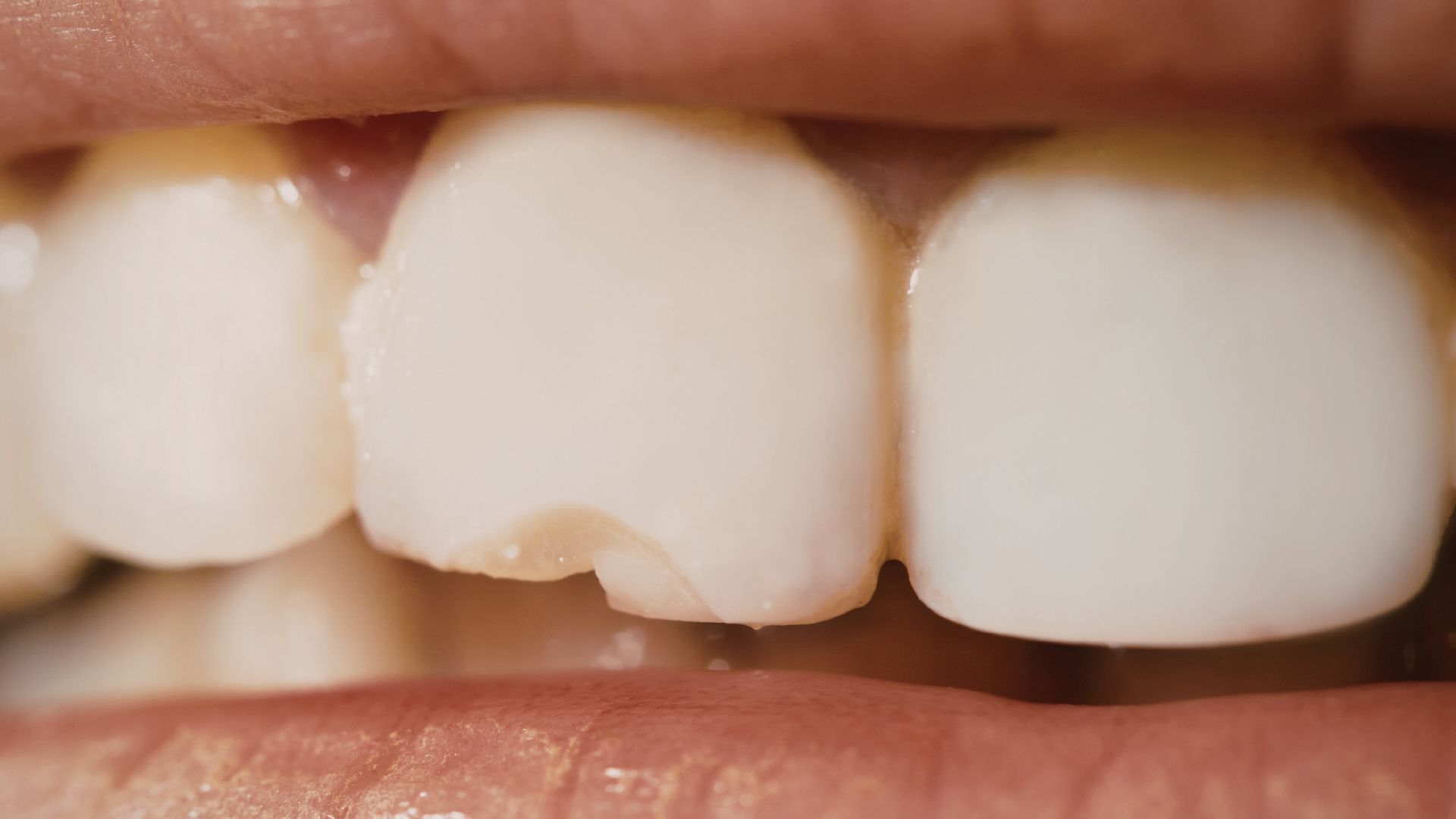
At Westside Aesthetic Dentistry, dental bonding for chipped teeth in Playa Vista provides a conservative solution for restoring front teeth that have been damaged by everyday wear, accidents, or minor trauma. A chipped front tooth rarely affects appearance alone. Even a small fracture along the edge of a front tooth can change how light reflects across your smile, create an uneven appearance between neighboring teeth, and alter the way your teeth come together when you bite. Many patients who visit Westside Aesthetic Dentistry first notice the issue in photographs or video calls, while others become aware of it because their tongue repeatedly catches on a rough edge.
Dental bonding for chipped teeth in Playa Vista offers a conservative way to restore lost enamel and improve smile aesthetics without removing significant healthy tooth structure. Using advanced composite resin materials, Dr. Kaitie Beetner can rebuild the damaged area. Because every chip presents differently, treatment begins with a careful evaluation of the tooth, surrounding enamel, bite relationship, and cosmetic goals at Westside Aesthetic Dentistry.
Not every chipped tooth requires a veneer or crown. In many situations, composite bonding provides an effective solution that restores appearance while maintaining the integrity of the natural tooth.
Patients often seek treatment after biting into hard foods, experiencing minor sports injuries, or noticing gradual wear along the edges of their front teeth. When the damage remains limited to the enamel or involves only a small portion of the tooth structure, bonding may provide an excellent balance between aesthetics and conservation. At Westside Aesthetic Dentistry, treatment recommendations are based on the condition of the tooth rather than a one-size-fits-all approach.
Small Chips Near the Smile Line
The most common location for a visible chip is the incisal edge, which is the biting edge of a front tooth. Even when the missing portion measures only a few millimeters, the difference can become surprisingly noticeable because front teeth play such a prominent role in facial appearance.
A small chip may create asymmetry between the central incisors or make one tooth appear shorter than the adjacent tooth. Composite bonding allows Dr. Beetner to recreate the original contours of the tooth while blending the restoration into the surrounding enamel. The goal is not simply to fill the damaged area but to restore harmony across the entire smile.
Why Tiny Chips Often Look Larger Than They Are
Many patients assume a small chip should not affect their appearance very much. However, front teeth interact with light differently from other teeth. When a portion of the enamel edge disappears, shadows can form along the damaged area, making the defect appear larger than its actual size.
Additionally, the human eye naturally notices irregularities in symmetry. A minor chip on one front tooth can draw attention because it disrupts the balance between the left and right sides of the smile. Restoring that symmetry often creates a dramatic cosmetic improvement even when only a small amount of composite material is required.
Rough Edges That Catch Your Tongue
Some patients schedule an appointment because the tooth feels different rather than because it looks different. A chipped edge can create a sharp surface that repeatedly irritates the tongue or inner lip throughout the day.
Composite bonding smooths these irregular surfaces while restoring the natural contour of the tooth. As a result, patients often experience immediate improvement in comfort after treatment. The repaired tooth feels more natural during speaking, eating, and everyday activities.
Why Sharp Enamel Edges Should Not Be Ignored
A rough edge may seem like a minor inconvenience, yet it can contribute to additional wear over time. Sharp enamel can become more vulnerable to further chipping, especially when exposed to repeated biting forces.
Addressing the damage early often allows for a simpler repair. In many cases, a small bonding procedure can prevent the need for more extensive restorative treatment later.
Successful cosmetic bonding depends on much more than placing composite resin onto a tooth. The planning process plays a significant role in determining whether the final result appears natural or obvious.
Dr. Beetner evaluates the shape of the damaged tooth, the translucency of the enamel, the surrounding smile architecture, and the patient's bite dynamics. Her Kois training emphasizes evidence-based treatment planning that considers both aesthetics and long-term function. This detailed approach is one reason many patients choose Westside Aesthetic Dentistry for cosmetic dental care.
Shade Matching for Visible Teeth
Front teeth contain subtle variations in color that many people never notice until a restoration is placed. Natural enamel often includes areas of translucency, brightness, and depth that change depending on lighting conditions.
Creating a seamless repair requires careful shade selection and layering techniques. Rather than relying on a single color, modern composite bonding may involve multiple shades to mimic the appearance of natural enamel. This approach helps the restoration blend into the surrounding tooth structure instead of standing out.
Why Composite Layering Matters
Natural teeth are not one solid color. The enamel near the edge of a front tooth often appears more translucent than the center of the tooth. Likewise, deeper layers may contain warmer tones that contribute to a lifelike appearance.
By strategically layering composite materials, Dr. Beetner can recreate these characteristics and produce a restoration that looks more natural from different viewing angles. This level of detail becomes especially important when repairing highly visible front teeth.
Bite Pressure Before Composite Bonding
One of the most overlooked factors in cosmetic dentistry involves how the teeth function together. A beautifully bonded tooth may experience premature wear if excessive force concentrates on the repaired area.
Before treatment, Dr. Beetner evaluates how the upper and lower teeth contact each other during normal function. This assessment helps identify areas where excessive pressure could compromise the longevity of the restoration.
Many Playa Vista residents seek cosmetic improvements that fit comfortably into their schedules while preserving healthy tooth structure. Composite bonding often appeals to patients who want noticeable results without committing to more extensive restorative procedures.
Unlike treatments that require significant enamel reduction, bonding typically allows the dentist to add material directly to the tooth. This conservative approach aligns well with patients who prioritize both aesthetics and long-term dental health. Patients searching for dental bonding for chipped teeth in Playa Vista often appreciate having a treatment option that focuses on preserving what is healthy while improving what is damaged.
Preserving Healthy Enamel Whenever Possible
Natural enamel cannot regenerate once removed. For that reason, preserving healthy tooth structure remains an important consideration when evaluating cosmetic treatment options.
When a chip is relatively small, bonding often provides an opportunity to restore appearance while maintaining the integrity of the underlying tooth. Many patients appreciate having a treatment option that focuses on enhancement rather than aggressive alteration.
Dental bonding continues to be one of the most versatile treatments for repairing chipped front teeth. It can restore shape, improve symmetry, smooth rough edges, and enhance confidence without extensive treatment.
For patients seeking dental bonding for chipped teeth in Playa Vista, the key is selecting a dentist who evaluates both appearance and function before recommending treatment. By considering bite forces, enamel characteristics, smile design, and long-term durability, Dr. Kaitie Beetner creates repairs that look natural and support lasting oral health. Westside Aesthetic Dentistry is committed to helping patients achieve results that complement their smile while preserving healthy tooth structure whenever possible.
How Long Does Composite Bonding Last on a Chipped Tooth
Composite bonding on a chipped tooth can last several years, and many patients enjoy longer results when the repair stays small, the bite stays balanced, and the tooth receives consistent care. The exact timeline depends on where the chip sits, how much pressure the tooth absorbs, and whether the patient grinds, clenches, strains, or bites hard objects.
At Westside Aesthetic Dentistry, Dr. Kaitie Beetner does not treat bonding lifespan as a guess. She studies the tooth before treatment, then explains what may help the repair last longer. Patients considering dental bonding for chipped teeth in Playa Vista should expect a conversation about the chip, the bite, the material, and the habits that affect the final result.
A bonded chipped tooth may last longer when:
- The chip is small and surrounded by healthy enamel
- The bonded area does not take heavy biting pressure
- The patient does not grind or clench heavily
- The composite shade matches the smile before whitening changes occur
- The patient avoids chewing ice, pens, fingernails, and hard candy
- The patient keeps up with cleanings and routine dental exams
The biggest factor is usually force. If the repaired edge hits another tooth every time you bite, the composite may wear faster. If the repair sits in a lower-pressure area and the patient protects it well, bonding can offer strong cosmetic value with a conservative approach.
Several factors influence how long composite bonding lasts. The amount of pressure placed on the repaired tooth often plays the biggest role. Teeth that experience less force during chewing and speaking generally place less stress on the bonded area.
Daily habits also matter. Diet, oral hygiene, nighttime grinding, and exposure to staining foods and beverages can all affect the appearance and longevity of the restoration. At Westside Aesthetic Dentistry, treatment planning focuses on both cosmetic results and long-term function.
Chip Size and Tooth Location
Smaller chips often provide healthier enamel for bonding. As a result, the composite material can attach more predictably and blend more naturally with the surrounding tooth structure.
The location of the chip also affects durability. A repair near the biting edge of a front tooth may experience greater force than a chip located on a less active surface. Therefore, dental bonding for chipped teeth in Playa Vista should always include an evaluation of bite function before treatment begins.
Grinding and Daily Bite Force
Grinding and clenching place repeated pressure on bonded teeth. Over time, these forces can increase wear and raise the risk of damage to the restoration.
Dr. Kaitie Beetner looks for signs of excessive bite force before placing bonding. At Westside Aesthetic Dentistry, identifying these concerns early helps patients protect their investment and reduce future complications.
Why Night Guards May Help
A custom night guard can help reduce stress on bonded teeth during sleep. By creating a protective barrier between the upper and lower teeth, it limits the effects of grinding and clenching.
This added protection can help preserve both the composite material and the surrounding enamel. For many patients, a night guard supports the long-term success of cosmetic bonding treatment.
Composite resin can absorb stains over time. Coffee, tea, red wine, and other dark beverages may gradually affect the appearance of bonded teeth.
Unlike natural enamel, composite material does not respond to whitening treatments in the same way. Because of this, Dr. Beetner carefully considers shade selection before treatment. This planning helps create a more consistent and attractive result.
Whitening Before Chipped Tooth Bonding
Many patients choose to whiten their teeth before bonding treatment. This approach allows the composite material to match the brighter shade of the surrounding teeth.
If whitening occurs after bonding, the natural teeth may lighten while the bonded area remains unchanged. Consequently, the restoration may become more noticeable over time.
Home Care for Composite Bonding
Consistent home care helps maintain the appearance and condition of bonded teeth. Patients should brush twice daily, floss regularly, and avoid habits that place unnecessary stress on the restoration.
Routine dental visits also play an important role. At Westside Aesthetic Dentistry, regular examinations allow Dr. Kaitie Beetner to monitor the bonded area and identify early signs of wear before they become larger concerns.
Habits That Can Damage Bonding
Certain habits can shorten the lifespan of composite bonding. Chewing ice, biting fingernails, using teeth to open packages, and chewing on pens can all increase the risk of damage.
Patients who receive dental bonding for chipped teeth in Playa Vista should treat the restoration with the same care they would give their natural teeth. Small changes in daily habits often help preserve results for longer periods.
Composite bonding works well for many minor chips and cosmetic concerns. However, larger fractures or structurally weakened teeth may require a different solution.
At Westside Aesthetic Dentistry, Dr. Beetner helps patients understand when bonding remains appropriate and when another treatment may provide better long-term protection.
Bonding Compared With Veneers
Bonding typically preserves more natural tooth structure than porcelain veneers. It can often repair small chips and cosmetic imperfections without extensive preparation.
Veneers may become a better option when patients want broader changes to tooth shape, color, or overall smile design. They can also provide greater durability for certain cosmetic goals.
Bonding Compared With Crowns
Crowns cover a larger portion of the tooth and provide additional structural support. Dentists often recommend crowns when significant tooth structure has been lost.
For a minor chip, a crown may be more treatment than necessary. However, for a weakened tooth, it may offer stronger long-term protection than composite bonding alone.
Successful bonding begins with a thorough diagnosis. Understanding why the tooth chipped, how the bite functions, and what the patient hopes to achieve helps guide treatment decisions.
At Westside Aesthetic Dentistry, Dr. Kaitie Beetner takes time to explain available options and expected outcomes. This process helps patients make informed decisions about dental bonding for chipped teeth in Playa Vista and other cosmetic treatments.
Why Premium Materials Matter
The quality of composite resin affects both appearance and performance. Higher-quality materials often polish more smoothly, resist wear more effectively, and blend more naturally with surrounding enamel.
Technique also plays a major role. Proper layering, shaping, curing, and polishing help create a restoration that looks seamless and functions comfortably.
Choosing a Thoughtful Playa Vista Dentist
Patients throughout Playa Vista often want cosmetic dentistry that balances efficiency with attention to detail. A successful bonding procedure requires careful planning rather than a rushed approach.
Dr. Kaitie Beetner combines advanced training with a comprehensive evaluation process at Westside Aesthetic Dentistry. By considering both esthetics and function, she helps patients achieve dental bonding for chipped teeth in Playa Vista that looks natural and supports long-term oral health.
Schedule Dental Bonding for Chipped Teeth in Playa Vista - Call Today
A chipped tooth should not keep pulling attention away from your smile. At Westside Aesthetic Dentistry, Dr. Kaitie Beetner can evaluate the tooth, explain whether bonding makes sense, and help you understand what affects the lifespan of your repair.
If you want dental bonding for chipped teeth in Playa Vista that looks natural and feels comfortable, schedule a visit with Westside Aesthetic Dentistry. Call (424) 216-9669 or contact us to book your appointment today.