
Gum Disease Treatment in Playa Vista
Gum disease can begin with small signs that feel easy to ignore, including bleeding while brushing, tenderness near certain teeth, or breath that does not stay fresh for long. Gum disease treatment in Playa Vista focuses on the bacteria, inflammation, and pocketing that can affect the tissue supporting the teeth. At Westside Aesthetic Dentistry, patients are shown what the gum measurements, bleeding areas, and buildup patterns mean before treatment recommendations are made. Patients can better understand what needs attention before inflammation becomes harder to manage.
Periodontal problems can progress quietly when tartar and bacteria remain below the gumline. Gum disease treatment in Playa Vista may include periodontal evaluation, deep cleaning, maintenance visits, home-care guidance, and ongoing monitoring based on the severity of the concern. Dr. Kaitie Beetner’s Kois-trained approach adds careful attention to gum stability, tooth support, bite forces, and the way periodontal health affects the full smile. Call Westside Aesthetic Dentistry at (424) 216-9669 to schedule gum disease treatment in Playa Vista today.
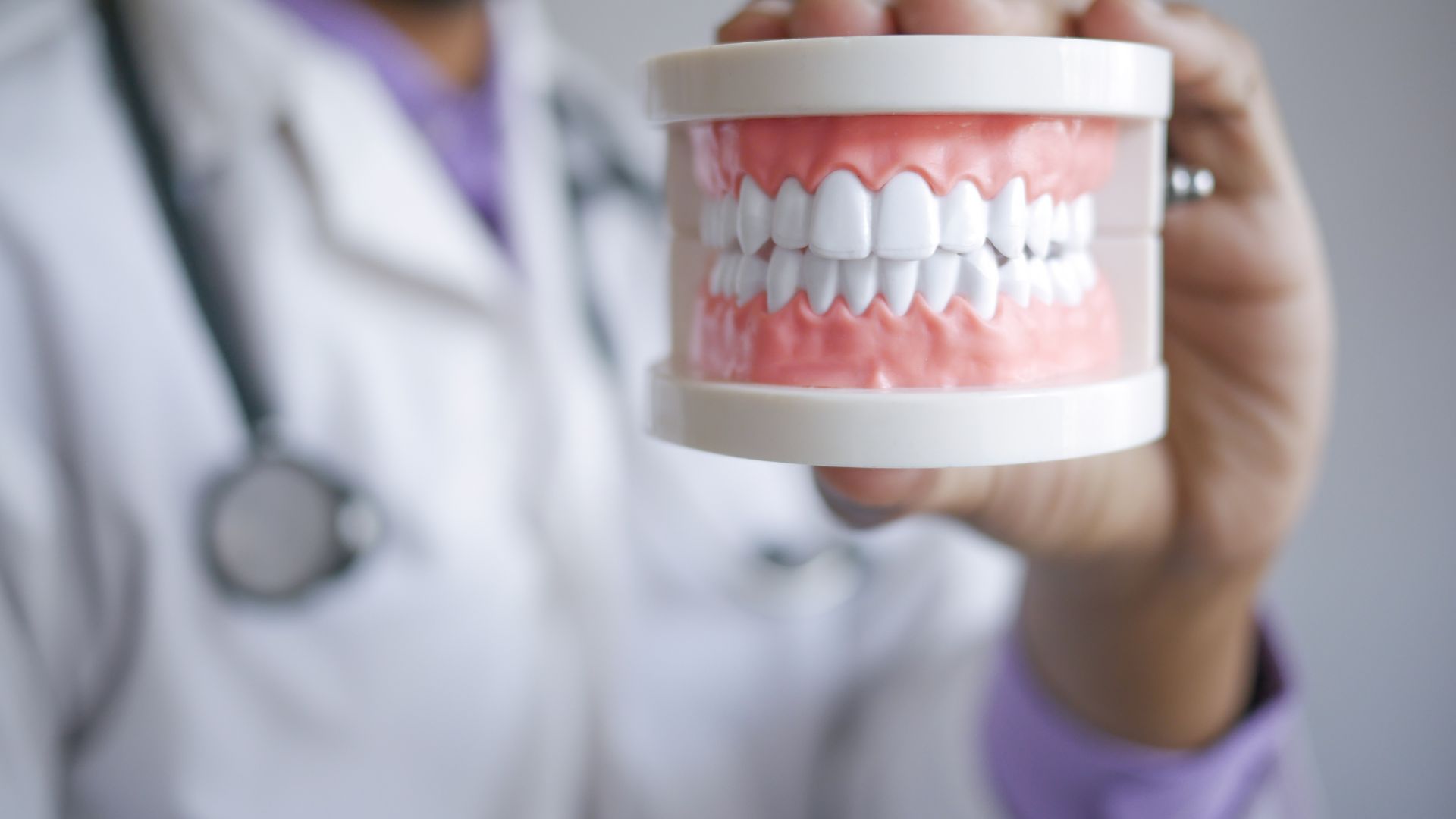
How Gum Disease Treatment in Playa Vista Helps Control Gum Inflammation
Gum disease treatment in Playa Vista at Westside Aesthetic Dentistry focuses on reducing the bacterial irritation that keeps gum tissue swollen, tender, and prone to bleeding. Plaque and tartar can collect around and below the gumline, creating an environment where inflammation continues even when patients brush regularly at home. As the tissue becomes more reactive, deeper pockets may develop and make those areas harder to clean effectively. Treatment is designed to remove the source of irritation so the gums have a better opportunity to stabilize and become healthier over time.
Inflammation is usually not limited to a single symptom because bleeding, tenderness, swelling, persistent bad breath, and tissue changes can all be connected to the same underlying bacterial buildup. Gum disease treatment in Playa Vista may include periodontal measurements, deep cleaning, maintenance visits, and home-care guidance based on the severity of the condition. These findings help determine where inflammation is active and which areas need more focused care. Controlling inflammation early can make future periodontal maintenance easier and more predictable.
Bleeding gums are one of the most common signs that bacteria and plaque are affecting the tissue around the teeth. While some patients assume they are brushing too aggressively, repeated bleeding often points to inflammation that deserves closer evaluation. Bacteria near the gumline can keep the tissue irritated until the buildup is removed and daily cleaning becomes more effective. Identifying the cause of bleeding helps create a more targeted treatment plan. Gum tissue should not bleed consistently during normal home care.
Bleeding Can Occur Before Pain Develops
Many patients notice bleeding long before they experience significant discomfort. This can allow gum disease to progress quietly while the tissue remains inflamed beneath the surface. Early evaluation helps identify the cause before deeper periodontal concerns develop.
Persistent Bleeding Deserves Professional Evaluation
Occasional irritation may happen, but repeated bleeding should not be ignored. Consistent symptoms can suggest that bacteria are affecting the tissue around specific teeth. Professional evaluation helps determine the appropriate next step.
Bacteria thrive in plaque and tartar deposits that remain attached to the teeth and root surfaces. These deposits create a constant source of irritation that can prevent gum tissue from returning to a healthier state. As bacterial accumulation increases, the gums may become more swollen, reactive, and difficult to maintain with home care alone. Removing those deposits helps reduce the conditions that allow inflammation to continue. Cleaner surfaces support a healthier periodontal environment.
Plaque Creates A Favorable Environment For Bacteria
Plaque contains bacteria that release byproducts capable of irritating surrounding tissue. When plaque remains in place for extended periods, inflammation can become more difficult to control. Regular removal helps reduce bacterial activity around the gums.
Tartar Makes Home Care Less Effective
Once plaque hardens into tartar, brushing and flossing cannot remove it completely. The rough surface created by tartar can also attract additional bacterial buildup. Professional treatment helps eliminate those harder deposits.
Inflamed gums may swell around the teeth and create areas that feel more sensitive during brushing or flossing. This sensitivity sometimes causes patients to avoid cleaning certain spots thoroughly, which can allow additional plaque accumulation. The combination of swelling and bacterial buildup can make inflammation more difficult to manage without treatment. Addressing the source of irritation helps the tissue become easier to maintain. Healthier gums support more effective daily hygiene.
Swelling Can Change The Shape Of The Gumline
Inflamed tissue may appear puffier or more rounded than healthy gum tissue. These changes can create additional places where plaque collects near the teeth. Monitoring tissue shape helps evaluate periodontal health.
Sensitive Areas May Need More Targeted Care
Certain teeth may show more inflammation because plaque accumulates differently in those locations. Targeted recommendations can help patients clean sensitive areas more comfortably. Better access helps improve daily plaque control.
Bad breath does not always come from food choices or temporary dryness. Bacteria associated with gum disease can produce odors that remain even after brushing and mouth rinsing. When plaque and tartar stay below the gumline, the source of the odor may continue until the bacterial deposits are addressed more thoroughly. Treating the underlying inflammation can improve oral freshness while supporting healthier tissue. Breath concerns sometimes provide an important clue about gum health.
Bacteria Below The Gumline Can Affect Breath
Areas beneath the gums can hold bacterial deposits that are difficult to remove with routine home care. These bacteria may contribute to persistent odor throughout the day. Treating the source can improve overall oral freshness.
Healthier Gums Support A Cleaner Oral Environment
Reducing inflammation helps create conditions that are less favorable for bacterial accumulation. This can contribute to fresher breath and more comfortable tissue. Healthier gums support better overall oral health.
Why Periodontal Care Matters For Tooth Support And Long-Term Stability
Gum disease can affect more than the visible gumline when inflammation begins changing the support around the teeth. Gum disease treatment in Playa Vista helps evaluate pocket depth, gum recession, bone support, bite pressure, and areas where bacteria may be weakening the foundation. When periodontal concerns remain untreated, teeth may become more sensitive, less stable, harder to clean, or more vulnerable to shifting over time. Periodontal care is meant to protect the structures that keep natural teeth healthier and more secure during daily function.
Long-term stability depends on controlling inflammation and maintaining healthier tissue after treatment begins. Gum disease treatment in Playa Vista may involve deep cleaning, periodontal maintenance, home-care changes, and follow-up measurements to track how the gums respond. These steps help patients understand whether pocket depths, bleeding points, and buildup patterns are improving or need closer attention. Protecting tooth support can make future dental care more predictable, more conservative, and easier to manage.
Deep periodontal pockets can create spaces where bacteria collect below the gumline and stay difficult to remove with daily home care. These pockets may develop when inflammation causes gum tissue to pull away from the tooth surface and create more room for plaque and tartar to remain trapped. As the pocket deepens, bacteria can stay close to the root and continue irritating the tissue that helps support the tooth. Measuring pocket depth helps show whether gum disease is affecting the surrounding foundation instead of only the surface tissue. Shallower, healthier pockets are easier to maintain between visits.
Pocket Depths Show Support Changes
Pocket measurements help show where gum tissue no longer fits tightly around the tooth. Deeper readings can indicate areas where bacteria and inflammation are affecting periodontal stability and long-term tooth support. Tracking these numbers helps guide treatment decisions, maintenance timing, and home-care recommendations more accurately.
Smaller Pockets Are Easier To Clean
Shallower pockets give patients better access during brushing, flossing, and daily plaque removal. When pocket depths improve, home care can become more effective because fewer bacteria remain trapped beneath the gumline. Easier cleaning helps support healthier gum maintenance and better long-term stability.
Gum recession can expose root surfaces that were not designed to handle the same daily conditions as enamel. Exposed roots may feel sensitive during brushing, cold drinks, sweet foods, or certain cleaning techniques. Recession can also create areas where plaque collects more easily near the gumline, especially when tissue changes leave uneven contours around the teeth. Periodontal care can help identify whether inflammation, brushing habits, bite pressure, or buildup may be contributing to the tissue change. Managing the cause helps protect vulnerable root surfaces from further irritation.
Exposed Roots Can Feel Sensitive
Root surfaces are softer and more reactive than enamel when gum tissue no longer covers them. When recession develops, these areas may feel tender during brushing, temperature changes, or certain foods. Evaluating sensitivity helps determine what support the gumline and exposed surfaces may need.
Recession Can Affect Tooth Protection
Gum tissue helps shield root surfaces and support the tooth foundation during daily function. Recession can leave areas more vulnerable to plaque accumulation, sensitivity, and additional gumline irritation over time. Stabilizing the gumline helps protect long-term tooth health and daily comfort.
Healthy bone support helps keep teeth stable during chewing, speaking, brushing, and everyday function. Gum disease can affect the structures around the teeth when inflammation remains active long enough to reach deeper supporting areas. Patients may not feel bone changes in the early stages, which makes periodontal evaluation important when pocketing, bleeding, or gum recession is present. Treatment and maintenance can help reduce bacterial irritation while monitoring the foundation that keeps teeth secure. Stable support helps preserve natural teeth for longer.
Bone Changes May Develop Quietly
Bone loss can progress without obvious pain during the early stages of gum disease. Patients may only notice changes after teeth feel loose, spaces begin shifting, or chewing feels different. Periodontal monitoring helps identify risk before instability becomes more noticeable or difficult to manage.
Tooth Stability Requires Ongoing Maintenance
Teeth depend on healthy gums, bone support, and controlled inflammation to remain stable. Periodontal maintenance helps reduce buildup that can threaten those supporting structures between regular visits. Ongoing care helps protect tooth stability and preserve natural teeth.
Bite pressure may influence how teeth feel when gum support has already been weakened by inflammation or bone changes. Clenching, grinding, or uneven force can place additional stress on teeth affected by periodontal concerns, especially when certain teeth absorb more pressure than others. A gum disease treatment plan may consider bite patterns when tooth mobility, wear, tenderness, or discomfort appears alongside gum inflammation. Addressing pressure does not replace periodontal care, but it can support a more complete plan for protecting vulnerable teeth. Less strain helps compromised teeth feel more protected during daily use.
Heavy Forces Can Stress Weakened Support
Teeth with reduced periodontal support may respond differently to chewing pressure, grinding, or clenching habits. Heavy bite forces can contribute to tenderness, mobility, or discomfort in areas that are already vulnerable. Evaluating pressure patterns helps protect teeth during gum disease treatment and maintenance.
Bite Review Adds Important Context
Bite evaluation can help explain why certain teeth feel sore, shift slightly, or show mobility. This context may guide recommendations for monitoring, protective appliances, bite adjustments, or additional support when appropriate. A complete view helps periodontal care feel more precise and useful.
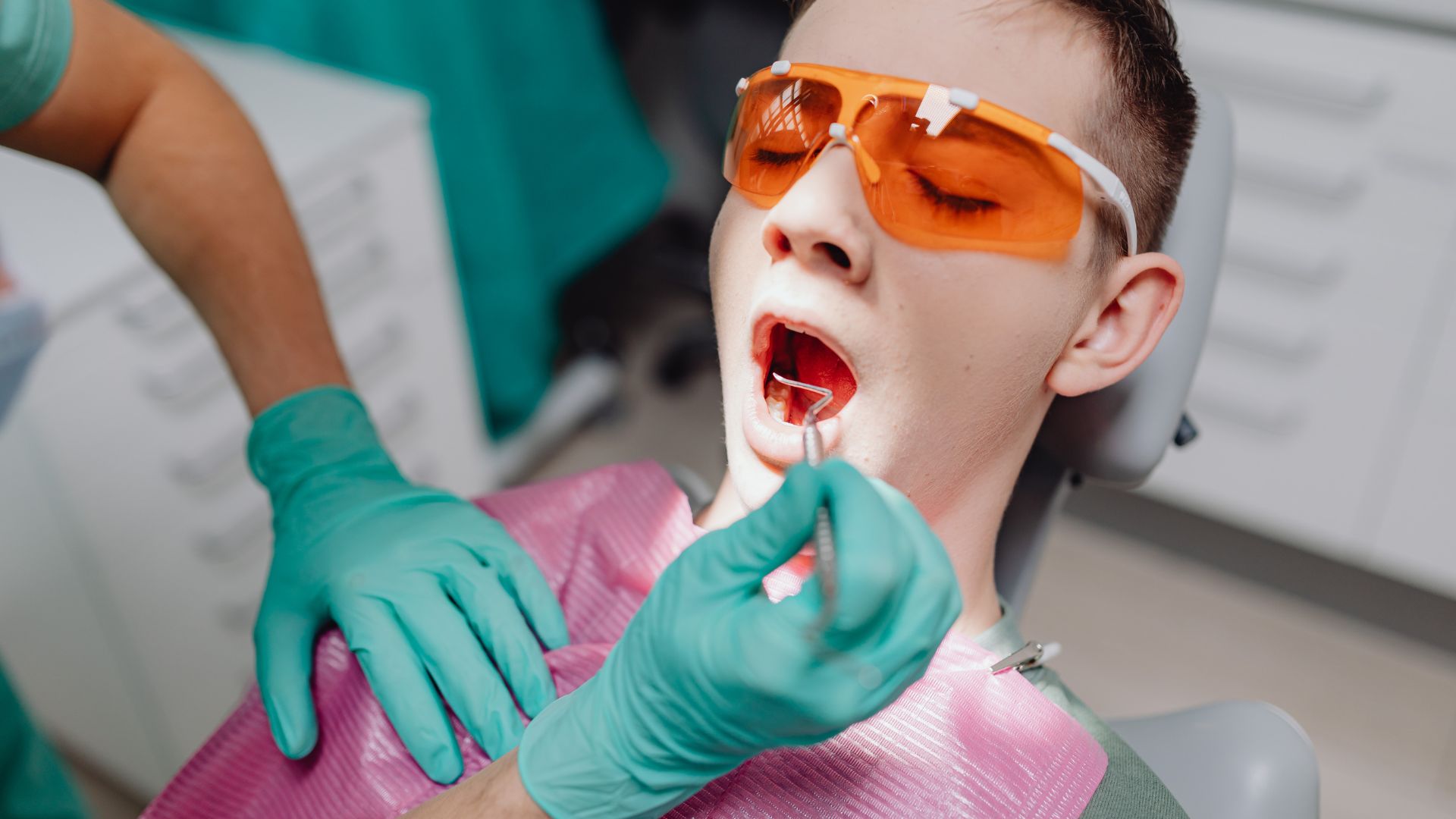
How Westside Aesthetic Dentistry Approaches Gum Disease Treatment
Westside Aesthetic Dentistry approaches gum disease treatment in Playa Vista by first identifying which tissues are inflamed, which pockets are deeper, and which areas are collecting bacteria below the gumline. Dr. Kaitie Beetner’s Kois-trained approach brings attention to the relationship between gum stability, tooth support, bite pressure, and long-term oral health. The practice explains periodontal findings in clear terms so patients understand what is happening before treatment begins. This helps gum care feel less mysterious and more connected to protecting natural teeth.
Gum disease treatment in Playa Vista should be specific to the patient’s measurements, symptoms, buildup patterns, and comfort level. Westside Aesthetic Dentistry may recommend deep cleaning, maintenance visits, home-care changes, or closer monitoring depending on the condition of the gums. Patients receive guidance that explains why certain areas need treatment and how follow-up care can help maintain improvement. The goal is healthier gum tissue, stronger tooth support, and a clearer plan for long-term stability.
A gum disease appointment should begin with findings that patients can clearly understand before treatment is recommended. Pocket depths, bleeding points, gum recession, tartar location, tissue tenderness, and bone-support concerns can all show where inflammation is active. Westside Aesthetic Dentistry connects those findings to the recommended treatment instead of presenting care as a vague next step. This helps patients understand why certain gum areas need more focused attention and why routine cleaning may not be enough. Clear findings make treatment decisions easier and more personal.
Pocket Depths And Bleeding Around Specific Teeth
Pocket measurements show where gum tissue has pulled farther from the tooth surface and created deeper spaces for bacteria. Bleeding during evaluation can also identify specific areas where tissue remains inflamed despite daily brushing and flossing. These findings help determine where periodontal treatment should be focused during gum disease care.
Tartar Deposits Hidden Beneath The Gumline
Tartar below the gumline can keep tissue irritated even when teeth look clean above the surface. Identifying its location helps explain why routine cleaning may not reach the source of inflammation. This gives patients a clearer reason for deeper periodontal care.
Deep cleaning should be planned according to the areas where bacteria are affecting gum support and daily comfort. Westside Aesthetic Dentistry looks at which pockets need scaling and root planing, how sensitive the tissue feels, and whether treatment should be completed in sections. This planning helps make care more comfortable while still addressing the deeper buildup that contributes to inflammation, bleeding, and tenderness. Patients can better understand how treatment supports tissue healing after deposits are removed from below the gumline. Careful planning helps gum therapy feel more manageable.
Scaling For Buildup Inside Periodontal Pockets
Scaling removes plaque and tartar from deeper areas that home care cannot safely reach. These deposits can continue irritating gum tissue when they remain attached to tooth or root surfaces. Removing them helps create a cleaner environment around the teeth and below the gumline.
Root Surface Smoothing After Deep Deposit Removal
Root planing smooths affected root surfaces after deeper buildup is removed from periodontal pockets. Smoother surfaces may reduce areas where bacteria can remain attached below the gumline after treatment. Cleaner roots can support better periodontal maintenance and healthier tissue response.
Gum disease treatment does not end once the initial cleaning is complete because treated areas need consistent maintenance to stay healthier. Westside Aesthetic Dentistry gives patients guidance for maintaining treated areas through brushing technique, flossing access, interdental tools, and follow-up visit timing. This matters because periodontal pockets can become inflamed again when bacteria return below the gumline and remain difficult to clean at home. Patients need practical instructions that match the areas where gum disease was active, rather than broad advice that does not address their specific risk. Better maintenance helps treatment results last longer.
Cleaning Tools For Deeper Gumline Spaces
Some treated areas may need tools beyond standard brushing and flossing because deeper spaces can remain difficult to access. Interdental brushes, floss threaders, water flossers, or adjusted cleaning angles may help reach specific spaces more effectively. Matching tools to pocketed areas improves daily plaque control and supports periodontal stability.
Follow-Up Measurements After Gum Disease Treatment
Follow-up visits help measure whether treated gum areas are improving after scaling, root planing, or maintenance care. Pocket depths, bleeding, sensitivity, buildup patterns, and home-care access can be reviewed over time. Tracking response helps guide future periodontal maintenance and keeps treatment more precise.
Patients often feel more comfortable when periodontal treatment is explained clearly before it starts. Westside Aesthetic Dentistry discusses numbing, cleaning depth, expected sensations, aftercare, and follow-up needs so patients know what to expect during gum disease care. The visit can be adjusted around sensitivity, anxiety, pocket depth, inflammation level, and the amount of treatment needed. This type of communication helps patients feel more prepared and less overwhelmed by periodontal treatment. Comfort and clarity make treatment easier to follow through.
Numbing For Tender Or Inflamed Gum Tissue
Inflamed gum tissue can feel tender during deeper cleaning because bacteria and tartar have irritated the area. Local anesthetic may be used when treatment areas need added comfort, better control, and a calmer patient experience. Discussing numbness beforehand helps patients feel more prepared for scaling and root planing.
Aftercare Instructions For Gum Healing At Home
Patients should know how to care for treated gum areas after the visit. Gentle cleaning, recommended tools, sensitivity guidance, and follow-up timing can all support healing. Clear aftercare helps patients protect their gums at home between periodontal visits.
Reach Out to Westside Aesthetic Dentistry Today for Gum Disease Treatment Help
Bleeding, tenderness, and deeper gum pockets deserve attention before they begin affecting the support around your teeth. Gum disease treatment in Playa Vista can address the bacteria, tartar, and inflammation that routine home care cannot fully control. Westside Aesthetic Dentistry helps patients understand periodontal findings clearly, from pocket measurements to follow-up maintenance needs. Your care should feel focused on healthier gums, steadier tooth support, and long-term comfort.
Gum disease treatment in Playa Vista may include deep cleaning, maintenance visits, improved home-care tools, and monitoring for tissue response over time. Westside Aesthetic Dentistry provides thoughtful gum care for patients who want clarity, comfort, and a stronger foundation for their smile. Call Westside Aesthetic Dentistry at (424) 216-9669 or visit our contact page to schedule your gum disease treatment visit today.