
Veneer Replacement in Playa Vista
Veneer replacement in Playa Vista is rarely about color alone. Older veneers can look flat under natural light, collect stains near the edges, feel thick at the gums, or stop blending with the teeth beside them. For patients near West Jefferson Boulevard, Runway Playa Vista, and Silicon Beach, and around the area, Westside Aesthetic Dentistry approaches dental veneer replacement as both a cosmetic and dental health decision.
A worn veneer may signal a deeper issue. The bonding may have weakened. The gumline may have shifted. The bite may place too much pressure on one edge. Dr. Kaitie Beetner evaluates those details before designing replacement porcelain veneers, because a better smile starts with the teeth, gums, and bite working together.
If your veneers look dated, chipped, too white, too opaque, or out of balance with your face, you deserve more than a quick redo. You deserve a plan that explains what is happening and what can safely improve it. Call Westside Aesthetic Dentistry at (424) 216-9669 to schedule a veneer replacement consultation.
How Veneer Replacement in Playa Vista Can Fix Worn or Outdated Dental Work
At Westside Aesthetic Dentistry, many patients are surprised to learn that veneer replacement in Playa Vista is not only for veneers that have cracked or fallen off. Cosmetic dentistry has evolved significantly, and older veneers often reflect techniques, materials, and design trends that no longer produce the most natural-looking results. A smile that once looked attractive may now appear bulky, opaque, uneven, or disconnected from the surrounding facial features. Through veneer replacement, Westside Aesthetic Dentistry helps patients achieve a more refined appearance while also addressing underlying dental concerns that may have developed over time.
Veneer replacement in Playa Vista often involves much more than removing old porcelain and bonding new restorations. The process begins with understanding why the existing veneers no longer meet the patient's goals. In some cases, the concern is cosmetic. In others, the veneers may be hiding bite problems, gum recession, worn enamel, or aging dental work that should be evaluated before treatment begins. At Westside Aesthetic Dentistry, every recommendation is based on a comprehensive assessment designed to support both aesthetics and long-term oral health.
A veneer that looked natural ten or fifteen years ago may no longer blend with the rest of your smile today. Teeth naturally change over time. Gum tissue can shift, facial contours evolve, and neighboring teeth may darken or wear differently from the veneers. As a result, older restorations can begin to stand out rather than blend in.
Many patients seeking veneer replacement in Playa Vista notice concerns in photographs before they notice them in the mirror. The veneers may appear brighter than surrounding teeth under certain lighting conditions. In other situations, the restorations may look flat because they lack the translucency and depth found in modern porcelain materials. These subtle differences often become more noticeable during conversations, video meetings, and social interactions.
Why Older Veneer Materials Can Look Different Today
Dental ceramics have advanced considerably over the years. Earlier veneer materials often emphasized brightness and uniformity. While those characteristics were once desirable, modern cosmetic dentistry focuses on creating natural light reflection, depth, and variation that mimic healthy enamel.
Current porcelain systems allow dentists to customize translucency, texture, and color layering with greater precision. As a result, replacement veneers can often achieve a more realistic appearance than restorations placed many years ago. Patients frequently describe the difference as looking refreshed rather than obviously enhanced.
Modern Smile Design Focuses on Facial Harmony
Today's smile design process considers much more than tooth color. Dentists evaluate facial proportions, lip movement, gum display, tooth shape, and smile width before recommending replacement veneers.
For example, a patient may believe their veneers are too dark when the real issue is that the teeth appear too square for their facial structure. Another patient may dislike the appearance of their smile because the veneers are too long relative to their lip position. Addressing these details can dramatically improve the final result without creating an artificial appearance.
Stained Edges Around Old Veneers
One of the most common reasons patients pursue veneer replacement in Playa Vista involves discoloration near the edges of existing veneers. These dark lines often develop gradually and may become visible near the gumline or where the veneer meets natural tooth structure.
The discoloration can occur for several reasons. Bonding materials may age over time. Tiny gaps can develop along veneer margins. Gum recession may expose areas that were previously hidden. Regardless of the cause, these stains typically cannot be removed through whitening treatments because the issue exists beneath or around the restoration itself.
Margin Integrity Matters During Veneer Replacement
When evaluating stained veneer edges, Dr. Beetner examines more than the visible discoloration. The condition of the underlying tooth structure plays an important role in determining the appropriate treatment approach.
If decay, leakage, or weakened bonding exists beneath the veneer, replacing the restoration without addressing those concerns can lead to future complications. At Westside Aesthetic Dentistry, careful assessment helps ensure that new veneers are placed on a healthy foundation rather than covering unresolved problems.
A small chip may seem like a minor cosmetic issue, yet it often provides valuable information about how the teeth function. Veneers rarely fracture without a reason. Bite pressure, nighttime grinding, clenching habits, and uneven tooth contact frequently contribute to damage over time.
Patients are sometimes surprised to learn that replacing a chipped veneer involves evaluating the entire bite rather than focusing solely on the damaged tooth. Understanding why the veneer failed helps reduce the likelihood of similar problems affecting the replacement restoration.
How Bite Forces Affect Veneer Longevity
Every time you chew, speak, or clench your teeth, force travels through the dental structures. When those forces are distributed evenly, veneers can perform well for many years. However, concentrated pressure on specific teeth can increase the risk of fractures, wear, and bonding failures.
Clinical research has found that veneer replacement is most commonly associated with factors such as fracture, debonding, marginal defects, and other complications that develop over time. Evaluating bite forces before replacement can help identify issues that may affect the longevity of new veneers.
A patient who repeatedly chips the same veneer may have an underlying bite imbalance that requires correction. Identifying these patterns before replacement allows for a more predictable and durable outcome.
Nighttime Grinding Can Damage Cosmetic Dental Work
Many individuals grind their teeth while sleeping without realizing it. Over time, this habit can place significant stress on veneers and natural teeth alike.
Signs of grinding may include flattened tooth edges, jaw soreness, headaches, or recurring veneer fractures. When these symptoms are present, treatment planning may include protective measures designed to preserve the new restorations and reduce excessive pressure.
Thin Edges Can Wear Down First
The incisal edges of veneers often experience the greatest amount of daily stress. These areas help guide speech, biting, and chewing functions. As a result, they may show signs of wear before other portions of the restoration.
Patients sometimes notice that one front tooth appears shorter than the others or that the smile line no longer looks symmetrical. Even subtle edge wear can affect the overall appearance of the smile and contribute to an aged look.
Small Changes Can Have a Significant Cosmetic Impact
A difference of only a millimeter or two may seem insignificant when measured clinically. However, the human eye often detects these variations immediately when viewing a smile.
During veneer replacement in Playa Vista, careful attention to edge length, contour, and symmetry helps restore balance. These refinements contribute to a result that appears natural from multiple angles rather than looking ideal only in static photographs.
One of the most common complaints among patients visiting Westside Aesthetic Dentistry for veneer replacement in Playa Vista involves excessive thickness. Older veneers sometimes appear bulky because treatment planning focused primarily on covering imperfections rather than creating ideal contours.
When veneers project too far outward, they can affect the way light reflects from the teeth. They may also alter speech patterns, create cleaning challenges, or make the smile appear less natural. Patients often describe this look as feeling obvious or overly cosmetic.
Why Some Veneers Look Too Thick Near The Gumline
Bulky veneers frequently result from attempts to avoid removing sufficient tooth structure during the original procedure. While preserving enamel is important, inadequate preparation can sometimes force the restoration to sit farther outward than intended.
The transition between the veneer and the gumline becomes especially important in these situations. If the contour is too prominent, the restoration may appear unnatural even when the color is attractive.
Proper Contours Support Both Appearance And Gum Health
The shape of a veneer influences more than aesthetics. Excessive thickness can create areas where plaque accumulates more easily, potentially affecting gum health over time.
Modern veneer replacement techniques focus on creating smooth transitions that support healthy tissue while maintaining a natural appearance. At Westside Aesthetic Dentistry, this balance helps patients achieve cosmetic improvements without compromising oral hygiene.
Overly White Veneers Can Look Flat
Many older cosmetic cases were designed around achieving the brightest possible smile. While brightness remains important, modern aesthetic dentistry recognizes that natural teeth contain subtle variations that create depth and realism.
Teeth that appear uniformly white from edge to edge often lack the characteristics found in healthy enamel. As a result, they may look artificial under sunlight, photography lighting, or close conversation.
Natural-Looking Veneers Reflect Light Differently
Healthy enamel interacts with light in complex ways. Certain areas appear more translucent, while others display greater opacity and depth. These variations help create the appearance of vitality and dimension.
Premium porcelain veneers can replicate many of these characteristics when carefully designed. During veneer replacement in Playa Vista, Westside Aesthetic Dentistry pays close attention to translucency, texture, and layered shading to create a smile that looks authentic rather than manufactured. Patients often find that these details make the difference between a smile that attracts attention for the right reasons and one that appears obviously restored.
Why Veneer Replacement in Playa Vista Starts With Tooth Health
Veneer replacement in Playa Vista should begin with an evaluation of the teeth, gums, and bite before any cosmetic decisions are made. While color and shape often get the most attention, the success of replacement veneers depends on the condition of the structures supporting them. Healthy enamel, stable gum tissue, and proper bite function all influence how long new veneers will last and how natural they will look.
Many veneer problems develop gradually. A dark edge near the gums, a small chip, or a veneer that no longer blends with nearby teeth may seem cosmetic, but these changes can point to underlying concerns. Replacing veneers without understanding why the original restorations changed can increase the risk of future complications.
At Westside Aesthetic Dentistry, Dr. Kaitie Beetner evaluates the entire smile before recommending veneer replacement in Playa Vista. By examining the teeth, gums, and bite together, she creates treatment plans designed for long-term comfort, function, and aesthetics.
Older veneers can sometimes mask issues that are not visible during daily brushing and flossing. Because the restoration covers the front of the tooth, changes beneath or around it may go unnoticed until they affect appearance or function. Patients often assume they only need a new veneer when the underlying tooth may require treatment first.
One common concern is leakage around the veneer margins. Small gaps can develop over time, allowing bacteria and stain to collect near the edges. In some cases, decay can form beneath an aging veneer without causing immediate symptoms. This is why a detailed examination is an important part of veneer replacement in Playa Vista.
Dr. Beetner carefully evaluates the condition of the tooth before recommending treatment. Identifying hidden concerns early helps create a stronger foundation for replacement veneers and supports more predictable long-term results.
Weak Bonding Can Change Veneer Fit
The bond between a veneer and the natural tooth plays a major role in durability. Although modern bonding materials are highly reliable, years of chewing forces and temperature changes can gradually affect their performance. As the bond weakens, patients may notice staining near the edges or subtle changes in how the veneer feels.
Research in adhesive dentistry shows that a strong seal helps protect the tooth and maintain the appearance of the restoration. Even a minor breakdown at the margins can affect aesthetics and increase the risk of future problems.
During veneer replacement in Playa Vista, Dr. Beetner evaluates the existing bond and the condition of the enamel underneath. Preserving healthy enamel whenever possible helps support a stronger bond and a longer-lasting result.
Porcelain veneers are durable, but they must function within a healthy bite. When excessive force is concentrated on certain teeth, veneers become more vulnerable to chipping, cracking, and premature wear. Understanding how the bite works is an important part of successful veneer replacement.
Everyday activities such as chewing, speaking, and clenching place pressure on the teeth. Ideally, those forces are distributed evenly. However, grinding, clenching, or uneven bite patterns can direct excessive stress toward specific veneers and shorten their lifespan.
At Westside Aesthetic Dentistry, Dr. Beetner evaluates bite function before placing replacement veneers. This approach helps identify areas of excessive pressure and supports restorations that look natural while performing comfortably during daily use.
Repeated Chips Need a Bite Review
A veneer that chips more than once often signals a functional problem rather than a material problem. Repeated fractures may indicate nighttime grinding, uneven tooth contact, or bite patterns that place excessive force on the same area.
Simply replacing the damaged veneer may not solve the issue. Without addressing the source of the pressure, the new restoration may face the same challenges. Understanding how the teeth move together helps reveal patterns that contribute to repeated failures.
By identifying and correcting these concerns, Dr. Beetner can help improve the longevity of replacement veneers while reducing the likelihood of future repairs.
The appearance of veneers depends on more than porcelain alone. Changes in gum tissue can alter the way veneers look within the smile, even when the restorations remain structurally sound. Patients may notice visible margins, uneven gum levels, or differences in tooth length that affect overall aesthetics.
Because the gums frame each tooth, small changes can have a significant visual impact. Evaluating tissue health and symmetry is an important step during veneer replacement in Playa Vista.
Dr. Beetner assesses gum architecture before designing replacement veneers. This allows the new restorations to complement the patient's current smile and create a more balanced, natural appearance.
Smooth Margins Help Your Smile Look Natural
The margin is the area where the veneer meets the natural tooth. When this transition is smooth and precise, the restoration blends naturally with the surrounding smile. When margins are thick or uneven, veneers can appear more noticeable and may collect stains more easily.
Research in cosmetic dentistry highlights the importance of well-designed margins for both aesthetics and gum health. Proper adaptation helps support healthier tissue while creating a seamless appearance.
During veneer replacement, Dr. Beetner focuses on these details to help ensure the final result looks refined, feels comfortable, and supports long-term oral health.
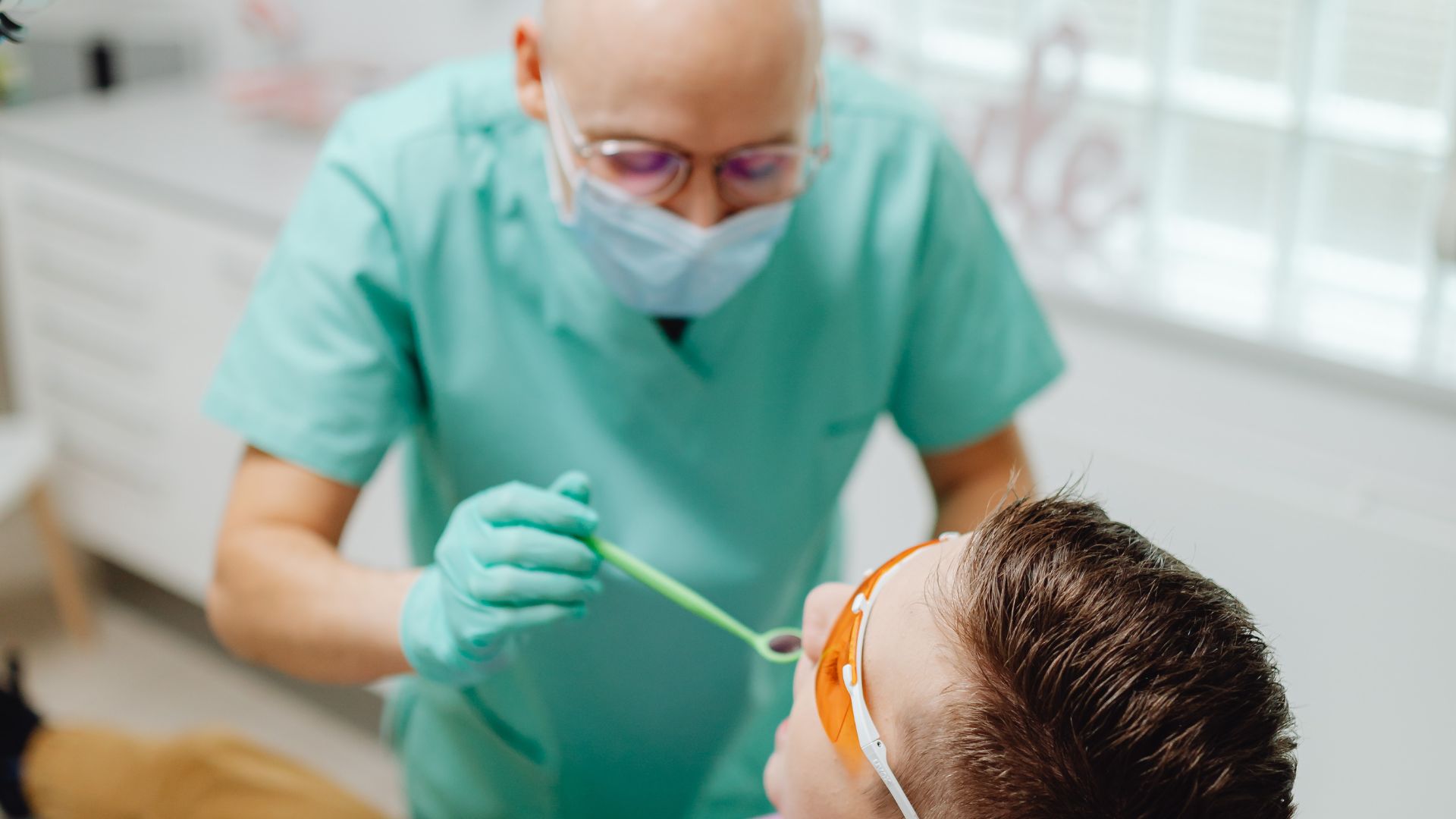
Call Westside Aesthetic Dentistry for Veneer Replacement in Playa Vista
If your veneers look worn, bulky, chipped, stained at the edges, or out of balance with your face, do not settle for a quick cosmetic patch. Veneer replacement in Playa Vista should start with a careful exam, honest answers, and a plan that protects the teeth behind your smile.
At Westside Aesthetic Dentistry, Dr. Kaitie Beetner helps patients understand what changed, what needs correction, and what replacement veneers can realistically improve. The goal is a natural-looking smile that fits your face, supports your bite, and feels comfortable in daily life. Call Westside Aesthetic Dentistry at (424) 216-9669 or contact us to schedule a veneer replacement consultation in Playa Vista.