
Family Dentist in Playa Vista
Dental care becomes easier to manage when one practice understands each person’s changing needs over time. A family dentist in Playa Vista can help patients navigate routine cleanings, cavity prevention, gum health, restorative needs, and long-term oral health goals through different stages of life. At Westside Aesthetic Dentistry, visits are designed to feel educational and personalized so patients understand what is happening in their mouths instead of simply being told what treatment they need. Building familiarity with a dental team can make appointments feel more comfortable and easier to maintain year after year.
Every family brings different priorities, habits, concerns, and dental histories into the office. Family dentistry may include preventive care, exams, cleanings, fillings, gum evaluations, restorative treatment, and ongoing monitoring that changes as patients grow older. Dr. Kaitie Beetner’s Kois-trained approach adds another layer of attention by considering bite function, tooth structure, gum stability, and long-term oral health alongside everyday dental needs. Call Westside Aesthetic Dentistry at (424) 216-9669 to schedule an appointment with a family dentist in Playa Vista today.
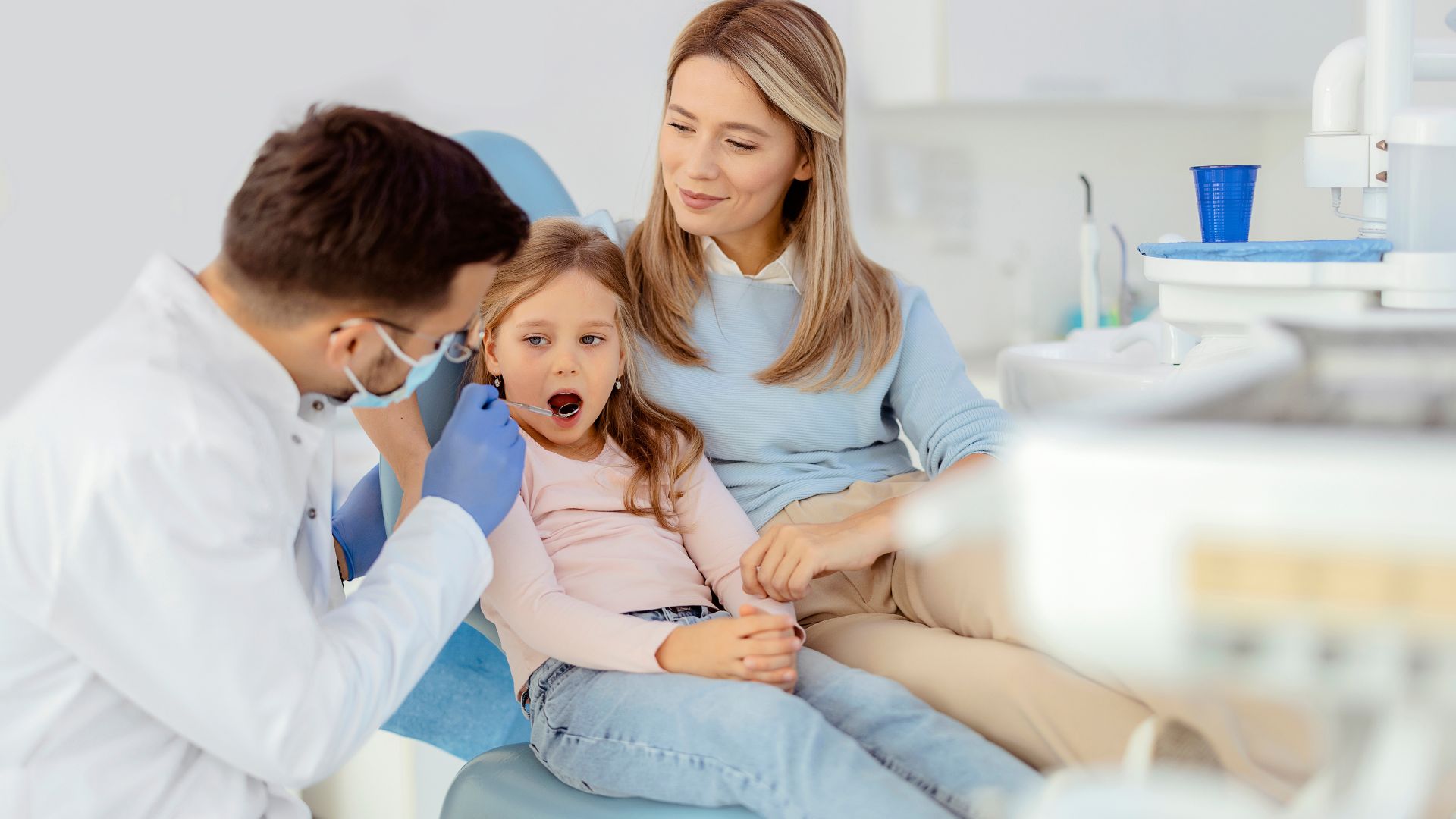
How A Family Dentist in Playa Vista Supports Every Stage Of Care
Westside Aesthetic Dentistry's family dentist in Playa Vista can help patients keep dental care organized as needs change from childhood, teen years, adulthood, and later life. Younger patients may need prevention, hygiene coaching, cavity monitoring, and guidance as permanent teeth develop. Adults may need restorative care, gum health support, bite evaluation, cosmetic planning, or help maintaining older dental work. Having one dental team understand those changes can make care feel more consistent, familiar, and easier to manage over time.
Family dentistry also helps patients build better habits because recommendations can be shaped around real routines, comfort levels, and long-term goals. A family dentist in Playa Vista can monitor how brushing patterns, diet, growth, stress, grinding, and previous dental work affect the mouth over time. This makes each visit more useful than a single appointment focused only on the concern of the day. Consistent care helps patients protect oral health through every stage of life.
Dental priorities change as patients move through different stages of life. Young children may need cavity prevention, oral hygiene education, and monitoring as baby teeth transition into permanent teeth. Teenagers may need additional attention for sports habits, orthodontic concerns, wisdom teeth development, or dietary changes that affect oral health. Adults often benefit from ongoing preventive care, restoration monitoring, gum evaluations, and support for tooth wear or bite changes. A family-focused practice can help patients navigate those transitions without starting over with a new provider.
Oral Health Needs Change With Age
The dental concerns affecting a six-year-old are very different from those affecting a teenager or adult. Growth patterns, enamel development, gum health, and lifestyle habits all influence treatment recommendations. Regular monitoring helps ensure care stays appropriate as those needs evolve.
Long-Term Relationships Improve Continuity Of Care
A dentist who understands a patient's history can identify changes more efficiently over time. Previous findings, treatment history, and established habits provide valuable context during future visits. Consistent relationships can make dental care feel more predictable and personalized.
Preventive care helps families stay ahead of problems that may become more complicated if ignored. Regular exams, cleanings, imaging, and oral health evaluations create opportunities to identify concerns before they affect comfort or daily function. Family dental visits also provide a chance to reinforce healthy habits and discuss questions about brushing, flossing, diet, and oral hygiene routines. These conversations can help family members of different ages understand how their daily choices affect their teeth and gums. Prevention becomes more effective when it is part of a consistent routine.
Routine Exams Can Reveal Early Changes
Many dental concerns begin before pain or visible symptoms appear. Preventive exams allow the dentist to monitor enamel, gums, restorations, and bite patterns over time. Early findings can often be addressed more conservatively than advanced problems.
Professional Cleanings Remove Stubborn Buildup
Plaque and tartar can collect in areas that are difficult to reach during daily brushing and flossing. Professional cleanings help remove that buildup before it contributes to cavities or gum inflammation. Cleaner tooth surfaces support healthier oral environments.
Daily habits can influence oral health just as much as professional treatment. Frequent snacking, acidic beverages, inconsistent home care, clenching, grinding, and oral hygiene technique can all affect teeth and gums over time. A family dentist can help identify patterns that may increase risk and offer practical guidance tailored to each patient. These recommendations become more effective when they reflect real routines rather than generic advice. Better awareness can help families make more informed decisions at home.
Everyday Behaviors Can Influence Dental Health
Small daily habits repeated over months or years can create noticeable changes in the mouth. Some habits increase cavity risk, while others may contribute to enamel wear or gum irritation. Understanding those patterns helps patients make more effective adjustments.
Personalized Recommendations Fit Real Life
The best oral health advice should work within a patient's schedule, lifestyle, and comfort level. Recommendations that fit real routines are more likely to be followed consistently. Practical guidance helps families maintain healthier habits between appointments.
Many adults and older teens already have fillings, bonding, crowns, or other restorations that need periodic review. Family dentistry includes monitoring those restorations for wear, margin changes, bite stress, and signs that additional care may be needed. Regular evaluation can help identify concerns before they affect the surrounding tooth structure or create discomfort. This approach protects previous dental investments while supporting long-term oral health. Consistent monitoring helps restorations remain functional and comfortable.
Existing Restorations Need Periodic Review
Dental materials can change over time because of age, chewing forces, and daily wear. Fillings, crowns, and bonding may require monitoring even when they appear stable. Regular evaluation helps identify changes before larger problems develop.
Early Intervention Can Protect Restored Teeth
Small issues involving existing dental work are often easier to address than advanced restoration failure. Monitoring allows the dentist to recommend treatment before damage spreads beneath the restoration. Earlier action can help preserve more healthy tooth structure.
What A Family Dentist Can Monitor Over Time
A family dentist in Playa Vista can monitor oral health patterns that develop slowly and may not feel urgent at first. Teeth, gums, restorations, bite forces, enamel wear, and home-care habits can all change between visits. Tracking these details over time helps patients understand what is improving, what needs closer attention, and what may require treatment later. This kind of ongoing care can make dental decisions feel clearer and less reactive.
Long-term monitoring is especially helpful because dental concerns do not always appear suddenly. A small area of enamel wear, a deeper gum pocket, a filling edge, or a clenching pattern may become easier to understand when compared across multiple appointments. A family dentist in Playa Vista can use that history to explain changes in a practical way instead of treating each visit like an isolated snapshot. Consistent observation helps patients protect their teeth with better timing and better information.
Cavity risk can change as diet, brushing habits, medications, dry mouth, enamel strength, and daily routines change. A patient who rarely had cavities before may develop new risk when plaque collects in different areas or enamel becomes more vulnerable. Monitoring enamel changes allows the dentist to see whether early weak spots are stable or becoming more concerning. This helps patients understand when better home care may be enough and when a filling should be considered.
Early Enamel Weakness Between Dental Visits
Early enamel weakness may appear before pain, visible holes, or obvious tooth sensitivity develop. These areas can show where bacteria, acids, or cleaning challenges are beginning to affect the tooth surface. Monitoring enamel between visits helps guide prevention before damage becomes larger.
Smaller Findings Can Lead To Simpler Care
Small enamel findings may respond to improved hygiene, fluoride support, or closer professional monitoring. When concerns are found early, treatment can often stay more conservative. Better timing helps patients avoid larger repairs whenever possible.
Gum health can shift gradually, especially when plaque, tartar, inflammation, genetics, or home-care challenges affect the tissue around teeth. A family dental visit can include gum measurements that show whether pockets are stable, improving, or becoming deeper. These measurements matter because gum problems may not cause noticeable discomfort until they are more advanced. Tracking gum health over time gives patients a clearer picture of their foundation. Stable gums help support long-term tooth health.
Gum Pocket Measurements Show Tissue Stability
Pocket measurements help identify areas where gum tissue may be separating from the tooth. Deeper pockets can collect bacteria and become harder to clean effectively at home. Rechecking these measurements helps determine whether gum care is working.
Bleeding Areas Can Show Active Inflammation
Bleeding during gum evaluation can reveal inflammation around specific teeth or gumline areas. These findings can guide better brushing technique, flossing changes, or professional cleaning intervals. Tracking bleeding helps patients see progress more clearly.
Bite wear can reveal clenching, grinding, or uneven pressure patterns before patients realize those habits are affecting their teeth. Flattened edges, small chips, polished enamel, tooth tenderness, or jaw fatigue may point to repeated force over time. A family dentist can monitor these signs and discuss whether stress, sleep habits, bite alignment, or muscle tension may be contributing. This matters because tooth wear can affect comfort, restorations, and long-term enamel strength. Identifying pressure patterns early helps protect the smile.
Worn Tooth Edges Can Reveal Clenching
Worn edges may show that teeth are absorbing repeated pressure during sleep, stress, or concentration. These changes can develop slowly and may be difficult for patients to notice at home. Monitoring wear helps explain why protective care may be needed.
Jaw Comfort Adds Important Context
Morning tightness, temple pressure, or chewing fatigue can support findings seen on the teeth. These symptoms may help connect daily comfort with bite wear patterns. Combining comfort details with tooth changes improves the plan.
Existing dental work needs monitoring because materials and tooth structure can change with age, chewing forces, and daily wear. Fillings, crowns, dental bridges, bonding, and veneers may develop rough margins, staining, bite changes, or areas that trap plaque more easily. A family dentist can check whether previous treatment still protects the tooth properly or needs closer attention. This helps patients avoid hidden decay, sudden discomfort, or larger repair needs later. Ongoing oral review protects prior dental work.
Restoration Margins Can Change Gradually
Margins can become rough, stained, open, or less sealed as years pass. These changes may allow bacteria to collect where the restoration meets the tooth. Regular review helps identify concerns before more serious damage develops.
Older Dental Work Needs Consistent Monitoring
Dental work may still look acceptable while small functional changes begin underneath or around it. Monitoring fit, bite pressure, cleaning access, and surface wear helps protect repaired teeth. Consistent review can extend the usefulness of previous treatment.
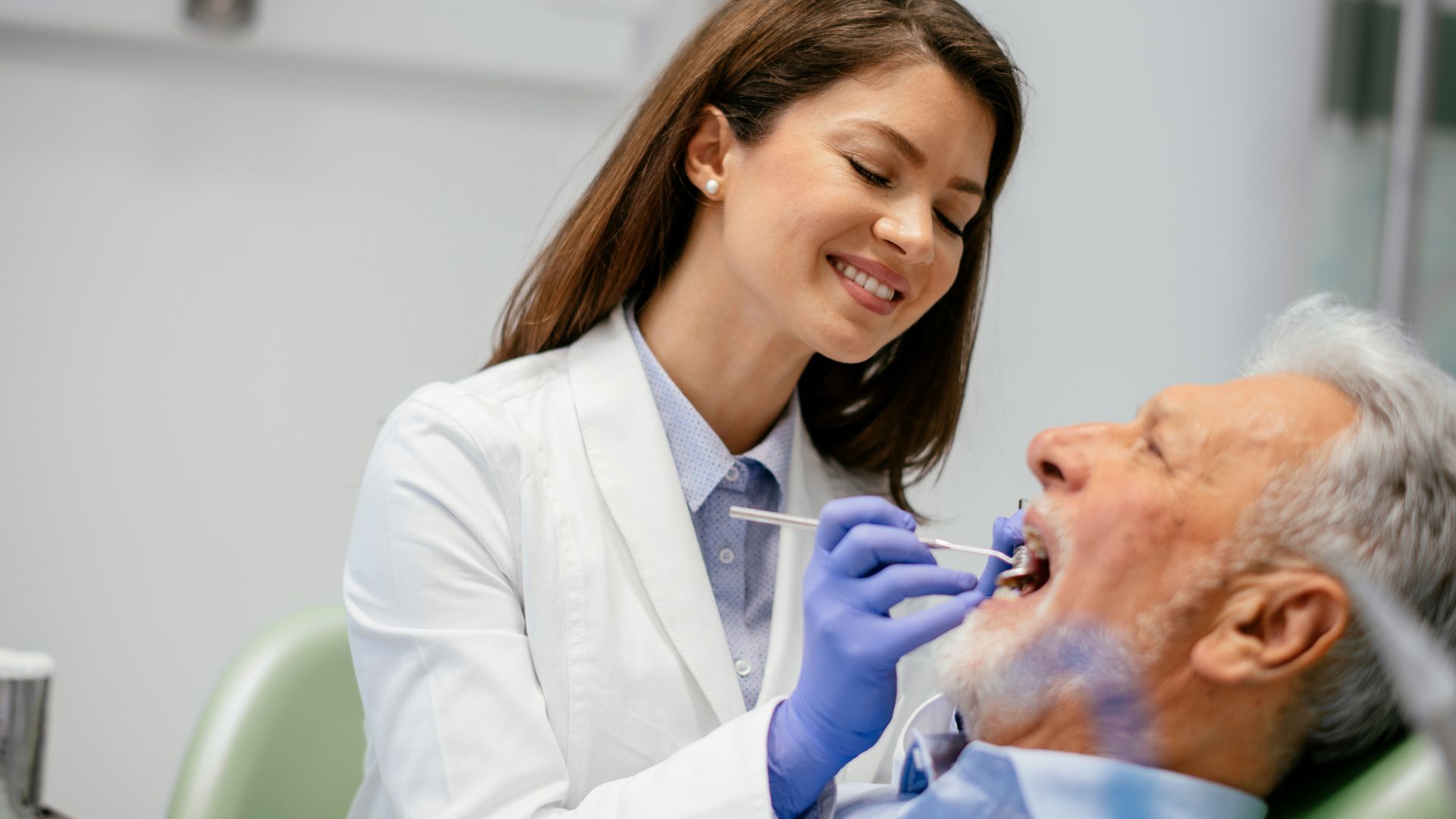
Why Families Choose Westside Aesthetic Dentistry For Dental Care
Westside Aesthetic Dentistry gives families a place where dental care can feel organized, personal, and easier to understand across different ages. A family dentist in Playa Vista should be able to explain prevention, growth changes, gum health, restorative needs, and bite patterns in a way that helps each patient feel more informed. Dr. Kaitie Beetner’s Kois-trained approach adds deeper clinical context by connecting tooth structure, function, comfort, and long-term stability during treatment planning. Families receive care that respects both everyday dental needs and the bigger picture of oral health over time.
Each visit is shaped around education, comfort, and recommendations that make sense for the person in the chair. Westside Aesthetic Dentistry uses thoughtful communication, modern technology, clinical photography, intraoral scanning, and premium materials when restorative care is needed. The practice does not cut corners on supplies or materials because quality affects how dental work looks, feels, and lasts. Patients can feel supported by a dental team that values clarity, trust, and a calm experience.
Dr. Beetner’s Kois-trained background helps family dental care move beyond quick checkups and isolated treatment decisions. Tooth development, enamel strength, bite pressure, gum health, restorations, and patient habits can all influence how care should be planned over time. This perspective can be especially helpful for families who want one dental home that can follow changes across childhood, teen years, adulthood, and later life. Instead of treating each visit as unrelated, the team can use dental history to guide smarter recommendations. Long-term planning helps care feel more connected.
Bite Function And Tooth Wear Across Different Ages
Bite patterns can change as children grow, teens develop habits, and adults experience clenching or restorative needs. Worn enamel, chipped edges, jaw tension, or uneven pressure may reveal concerns that deserve monitoring. Looking at function across different ages helps care stay responsive instead of purely reactive.
Long-Term Dental Records Support Better Decisions
Dental history can show which areas remain stable and which concerns keep returning over time. Previous fillings, gum measurements, imaging, and bite observations create useful context for future visits. Better records help recommendations feel more precise and personal.
Modern dental technology can make appointments easier to understand for patients who want more clarity about their oral health. Clinical photography can show tooth wear, gumline changes, visible buildup, old restorations, and enamel concerns that may not be obvious at home. Intraoral scanning can help patients see tooth shape, spacing, bite relationships, and other details in a more visual way. These tools can make dental conversations feel less abstract because patients can see what the dentist is explaining. Clear visuals help families feel more involved.
Clinical Photos Show Changes Patients May Miss
Clinical photos can reveal small changes that daily mirror checks may not show clearly. A worn edge, inflamed gum area, or restoration margin may become easier to understand through images. Seeing those details helps patients connect recommendations to something visible.
Intraoral Scans Add Helpful Bite And Shape Context
Intraoral scans can show how teeth fit together, where spacing exists, and how tooth shape affects function. This information can support conversations about prevention, restorations, wear, and long-term monitoring. Better visual context helps appointments feel more educational.
Preventive guidance should change with each patient’s age, habits, diet, gum health, and level of cavity risk. Children may need help learning brushing patterns, teens may need support around diet and hygiene consistency, and adults may need monitoring for gum health, bite wear, or existing dental work. Westside Aesthetic Dentistry helps patients understand the specific patterns affecting their mouths instead of offering the same instructions to every family member. This makes prevention more practical because recommendations are connected to real routines. Personalized prevention helps families build better habits.
Home Care Advice Should Match Each Patient
Brushing and flossing challenges can look different for every patient. Some patients miss gumline areas, while others need help around restorations, tight spaces, or orthodontic concerns. Guidance becomes more useful when it reflects the patient’s actual mouth.
Cavity And Gum Risk Can Change Over Time
A patient’s risk can shift because of diet, dry mouth, medications, hygiene habits, or dental work. Monitoring those changes helps prevention stay more accurate between visits. Updated guidance helps patients respond before problems become larger.
Restorative care should protect teeth while still looking and feeling appropriate for the patient’s smile. Westside Aesthetic Dentistry uses premium materials because filling, crown, bonding, or bridge quality affects fit, shade, polish, durability, and daily comfort. This matters for families because dental work should support normal chewing, easy cleaning, and a natural appearance without feeling rough or bulky. Material choices should be made with the tooth’s location, function, and visibility in mind. Better materials create more dependable dental work.
Tooth-Colored Repairs Should Blend With Enamel
Tooth-colored restorations should match nearby enamel in shade, contour, and surface finish. A repair that stands out visually or feels rough can affect confidence and daily comfort. Careful matching helps restorative work feel more natural.
Durable Materials Support Everyday Chewing
Restorations must handle repeated pressure from meals, speaking, and normal bite function. Strong materials can protect the repaired tooth while helping the result feel smooth and stable. Quality materials support comfort during daily routines.
Dental visits can feel easier when patients know what is happening and why each recommendation is being made. Westside Aesthetic Dentistry creates a calm setting where families can ask questions, discuss concerns, and understand findings before treatment decisions are made. This kind of communication can be especially valuable for patients who feel nervous, have had rushed dental experiences, or want more control over their care. A supportive visit helps patients feel respected rather than hurried through the appointment. Trust grows when care feels understandable.
Clear Explanations Before Treatment Recommendations
Patients should understand what the dentist found before hearing a treatment recommendation. Explaining cavity risk, gum findings, bite wear, or restoration concerns helps the next step feel more logical. Clear explanations help families make decisions with greater confidence.
A Calmer Appointment Helps Patients Stay Consistent
A comfortable visit can make regular dental care easier to maintain over time. Patients who feel heard are more likely to ask questions and return for ongoing care. Consistency becomes easier when the experience feels respectful.
Schedule Family Dental Care in Playa Vista
Coordinating cleanings, exams, and follow-up care becomes easier when the same dental team understands each family member’s history. A family dentist in Playa Vista can support cleanings, exams, cavity prevention, restorative needs, gum health, and ongoing monitoring as needs change over time. Westside Aesthetic Dentistry helps patients understand their oral health with clear explanations and thoughtful recommendations. Each visit is designed to feel calm, personal, and useful.
Families deserve dental care that feels consistent without feeling routine. A family dentist in Playa Vista can help children, teens, and adults stay ahead of concerns while building more confidence in daily oral care. Westside Aesthetic Dentistry provides patient-centered care for households that value comfort, education, and long-term oral health. Call Westside Aesthetic Dentistry at (424) 216-9669 or visit our contact page to schedule your family dental visit today.