
Teeth Cleaning in Playa Vista
A professional cleaning can reach buildup that daily brushing and flossing cannot fully remove. Teeth cleaning in Playa Vista helps clear plaque, tartar, and stains from areas where bacteria can collect around the gumline, between teeth, and along harder-to-reach surfaces. At Westside Aesthetic Dentistry, hygiene visits are designed to help patients understand what is collecting, where it is forming, and how daily habits can better protect the smile between appointments. The visit should leave your teeth feeling cleaner while giving you practical guidance for healthier gums and fresher daily comfort.
Clean teeth also make it easier to notice early changes before they become larger concerns. Teeth cleaning in Playa Vista may support gum health, cavity prevention, enamel maintenance, breath freshness, and the long-term stability of existing dental work. Dr. Kaitie Beetner’s Kois-trained approach adds depth by considering gum condition, tooth structure, bite forces, restoration margins, and long-term oral health together. Call Westside Aesthetic Dentistry at (424) 216-9669 to schedule teeth cleaning in Playa Vista today.
What Professional Teeth Cleaning Removes Beyond Daily Home Care
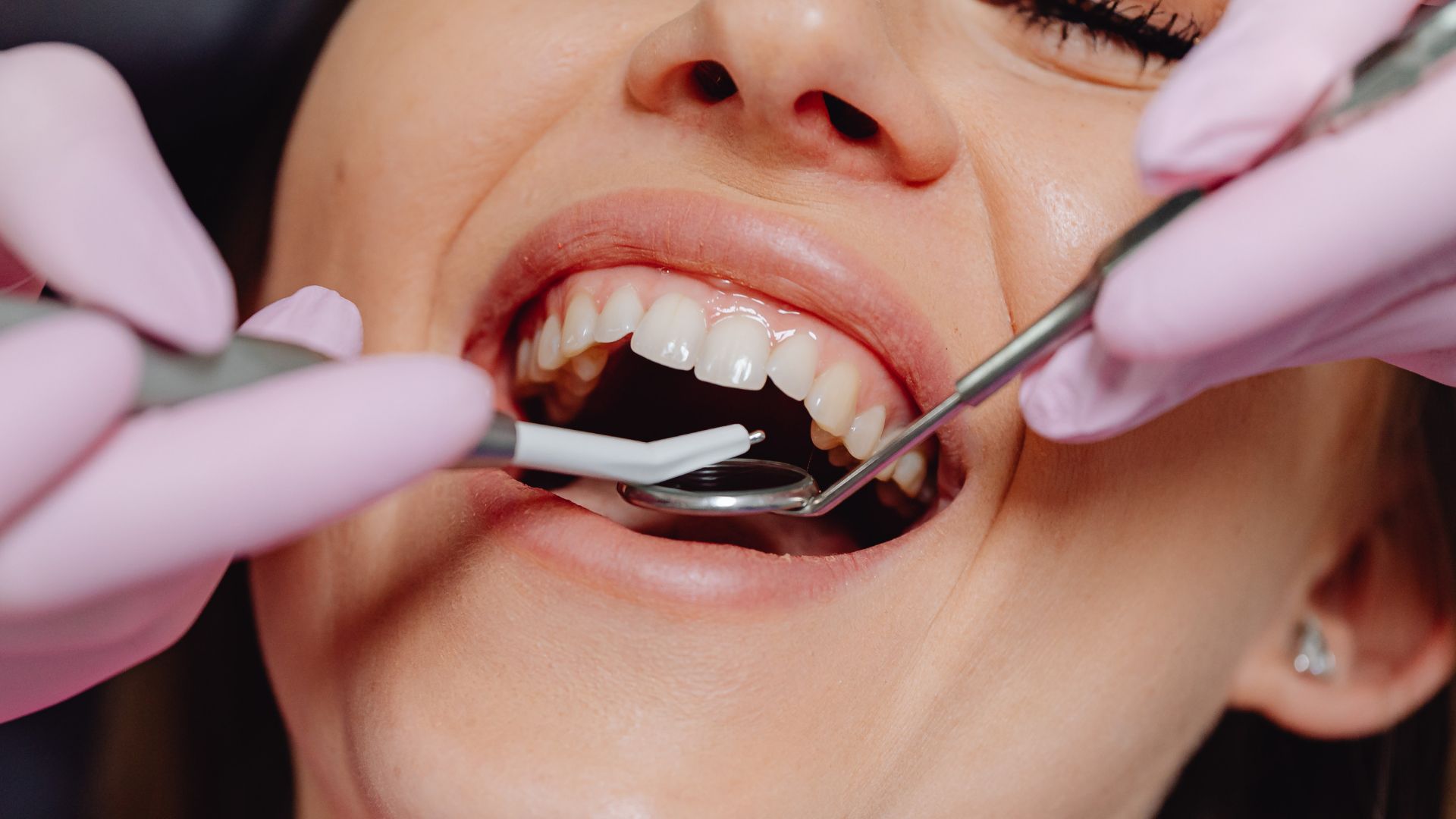
Teeth cleaning in Playa Vista removes buildup that can remain even when patients brush and floss with consistency at home. Some areas collect plaque faster because of tight spacing, tooth position, saliva minerals, gumline contours, or older dental work that creates harder-to-clean edges. Once plaque hardens into tartar, home care cannot safely remove it with a toothbrush, floss, or rinses. Professional cleaning helps reset those areas so the mouth feels smoother, fresher, and easier to maintain between visits. Westside Aesthetic Dentistry can help with your teeth cleaning in Playa Vista.
A cleaning also gives patients a clearer picture of where daily care is working well and where buildup keeps returning. Teeth cleaning can reveal patterns behind gumline irritation, dull tooth surfaces, food trapping, rough texture, and stain accumulation. Instead of giving generic hygiene advice, the visit can identify the exact spaces that need better access, a different tool, or a refined technique. Cleaner teeth should feel more comfortable, more polished, and easier to care for every day.
Mineralized plaque forms when soft buildup stays on the teeth long enough to harden into tartar. This hardened material often settles near the gumline, where bacteria can irritate tissue and make brushing or flossing feel more uncomfortable. Professional removal is important because tartar creates a rough surface that attracts additional plaque and cannot be removed safely at home. Clearing this buildup helps the gumline feel cleaner while giving the tissue a better chance to remain calm. Consistent cleanings help keep gumline buildup from becoming harder to manage.
Hardened Deposits Stay Attached To Enamel
Tartar bonds tightly to enamel after plaque mixes with minerals in saliva. Brushing harder will not remove this material and may irritate the gum tissue instead. Professional instruments are needed to clear hardened deposits without damaging nearby tooth structure.
Cleaner Gumline Areas Support Healthier Tissue
Bacteria held along tartar can contribute to bleeding, tenderness, swelling, and gumline irritation. Removing that buildup helps reduce the source of inflammation around the teeth. Healthier tissue can make brushing and flossing feel more comfortable.
The lower front teeth commonly collect tartar because saliva glands sit nearby and minerals can harden plaque quickly in that area. Patients may feel roughness behind these teeth even when the front surfaces look fairly clean in the mirror. Other buildup zones can include crowded teeth, tight contacts, back molars, and spaces around fixed dental work. A professional cleaning targets these specific areas instead of treating every tooth surface as if the same pattern exists everywhere. Focused removal helps hidden buildup zones feel smoother and easier to clean.
Saliva Minerals Can Speed Up Tartar Formation
Some tooth surfaces develop tartar faster because saliva minerals repeatedly collect in the same areas. The lower front teeth are a common example because of their location near active saliva flow. Recognizing this pattern helps patients understand why buildup may return despite regular brushing.
Hard-To-Reach Areas Need Specific Guidance
Certain tooth angles, tight spaces, and back areas may need a more specific cleaning approach. A hygienist can point out where buildup remains after regular brushing and flossing. More targeted guidance makes home care more effective between visits.
Surface film can make teeth feel less smooth even before heavy discoloration becomes obvious. Coffee, tea, wine, colorful foods, tobacco exposure, textured enamel, and plaque buildup can all influence where stain collects. Professional cleaning can remove external stain and polish the enamel so the teeth feel cleaner against the tongue. This does not replace whitening, but it can make the smile look fresher after deposits and surface film are removed. Polished surfaces can support a cleaner daily feel.
Surface Film Can Change Tooth Smoothness
A thin layer of stain or buildup can change how smooth teeth feel during the day. Patients may notice roughness with their tongue before they notice a visible color change. Cleaning and polishing help restore a smoother surface after deposits are removed.
Polishing Supports A Fresher Smile Feel
Polishing helps refine enamel after tartar, plaque, and external stain are cleared. A smoother surface can make the teeth feel cleaner during normal speaking and eating. This finishing step improves the overall cleaning experience.
Dental restorations can create small edges where plaque collects when cleaning access is limited. Fillings, crowns, bridges, bonding, and veneers need careful cleaning around the margins where material meets natural tooth structure. A professional cleaning can remove buildup around those areas while allowing the team to check whether margins feel smooth, sealed, and stable. This helps protect both the restoration and the natural tooth underneath from irritation or decay. Clean margins help dental work stay healthier.
Restoration Edges Can Trap Bacteria
Plaque can collect where dental material meets natural tooth structure, especially around rough or aging margins. Contour changes, tight spaces, or difficult angles may make these areas harder to clean thoroughly at home. Careful cleaning helps reduce bacteria around restored teeth and supports healthier surrounding tissue.
Clean Margins Help Protect Repairs
Healthy restoration margins lower the risk of decay developing around older dental work. Professional cleaning can also reveal roughness, staining, food-catching areas, or early changes around a restoration. Maintaining these edges helps protect previous treatment and natural tooth structure.
Why Routine Teeth Cleanings Help Protect Long-Term Oral Health
Routine teeth cleanings help keep the mouth healthier by reducing buildup before it contributes to gum irritation, cavities, or problems around older dental work. Teeth cleaning in Playa Vista can also make it easier to notice early changes in enamel, gum tissue, restoration edges, and areas where plaque collects more quickly. These visits support prevention because the dentist and hygienist can track patterns that may not feel obvious at home. Consistent cleanings give patients better information, cleaner tooth surfaces, and a stronger foundation for everyday oral health.
Cleanings also help patients maintain results from previous dental care. A filling, crown, bridge, veneer, or bonding repair needs healthy surrounding teeth and gums to remain comfortable over time. Teeth cleaning can support those areas by removing buildup, checking tissue response, and identifying small concerns before they become harder to manage. Long-term oral health becomes easier to protect when cleanings are part of a steady routine.
Regular cleanings can help reduce bacterial buildup that irritates the gumline and contributes to bleeding, swelling, or tenderness. Gum tissue may become inflamed when plaque and tartar remain near the teeth for too long. Professional cleanings remove those deposits more thoroughly than home care can manage alone. This helps the gums stay calmer and makes brushing or flossing feel more comfortable between visits. Healthier gums support stronger long-term tooth stability.
Bleeding Gums Can Signal Active Inflammation
Bleeding during brushing, flossing, or dental evaluation can suggest that gum tissue needs closer attention. These areas may be reacting to plaque, tartar, or bacteria collecting near the gumline. Regular cleanings help reduce irritants that keep gum tissue inflamed.
Healthier Tissue Makes Home Care Easier
Calmer gum tissue usually feels less tender during brushing and flossing. This can make daily cleaning feel easier and more consistent for patients. Better comfort often leads to stronger home-care habits.
Routine cleanings can help lower cavity risk by removing buildup from areas that toothbrushes and floss may not reach effectively. Tight contacts, deep grooves, crowded areas, and restoration edges can all collect plaque more easily than smoother surfaces. When bacteria stay in those spaces, enamel may weaken before patients notice discomfort. Professional cleanings help reduce that buildup while giving patients more specific guidance for protecting those areas at home. Cleaner surfaces make cavity prevention more manageable.
Plaque Can Weaken Enamel Between Visits
Plaque contains bacteria that produce acids capable of weakening enamel over time. These changes may begin quietly before a cavity becomes visible or painful. Removing plaque regularly helps reduce the conditions that allow decay to spread.
Targeted Guidance Improves Daily Cleaning
Patients benefit from knowing exactly where plaque tends to return. A hygienist can recommend flossing angles, brushing adjustments, or tools suited to those spaces. Specific guidance makes prevention more practical between visits.
Breath freshness can be affected by bacteria collecting around the gumline, between teeth, on the tongue, or near dental work. Routine cleanings help remove buildup that can contribute to persistent odor even when patients brush consistently. Professional care can also identify gum inflammation, dry mouth, or food-trapping areas that may influence breath. This makes cleaning visits useful for both health and daily confidence. Fresher breath often begins with better plaque control.
Hidden Buildup Can Affect Breath
Bacteria between teeth and along the gumline can create odor that brushing alone may not fully address. Food debris, tartar, and inflamed tissue can also make breath feel less fresh. Professional cleanings help remove sources that patients may miss.
Clean Surfaces Support Daily Freshness
Smoother tooth surfaces collect less buildup immediately after a cleaning. This can help brushing, flossing, and rinsing feel more effective throughout the day. Cleaner surfaces support a fresher mouth between appointments.
Dental work usually performs better when surrounding teeth and gums stay clean and healthy. Fillings, crowns, bridges, bonding, and veneers can collect plaque near edges, contacts, and margins when cleaning access is limited. Routine cleanings help protect those areas while allowing the team to check for roughness, staining, or early changes. This matters because small concerns around restorations can become larger if buildup remains unchecked. Better maintenance helps previous dental work stay more dependable.
Margins Around Restorations Need Regular Review
The edge where dental material meets natural tooth structure can collect plaque over time. If bacteria remain near that margin, decay or gum irritation may develop around the restoration. Regular cleaning and review help protect repaired teeth from hidden problems.
Maintenance Protects Comfort And Appearance
Healthy tissue and clean restoration edges help dental work feel smoother and look more natural. Plaque, stain, or rough areas can make restorations feel less polished over time. Consistent maintenance protects both function and smile appearance.
How Westside Aesthetic Dentistry Approaches Teeth Cleaning in Playa Vista
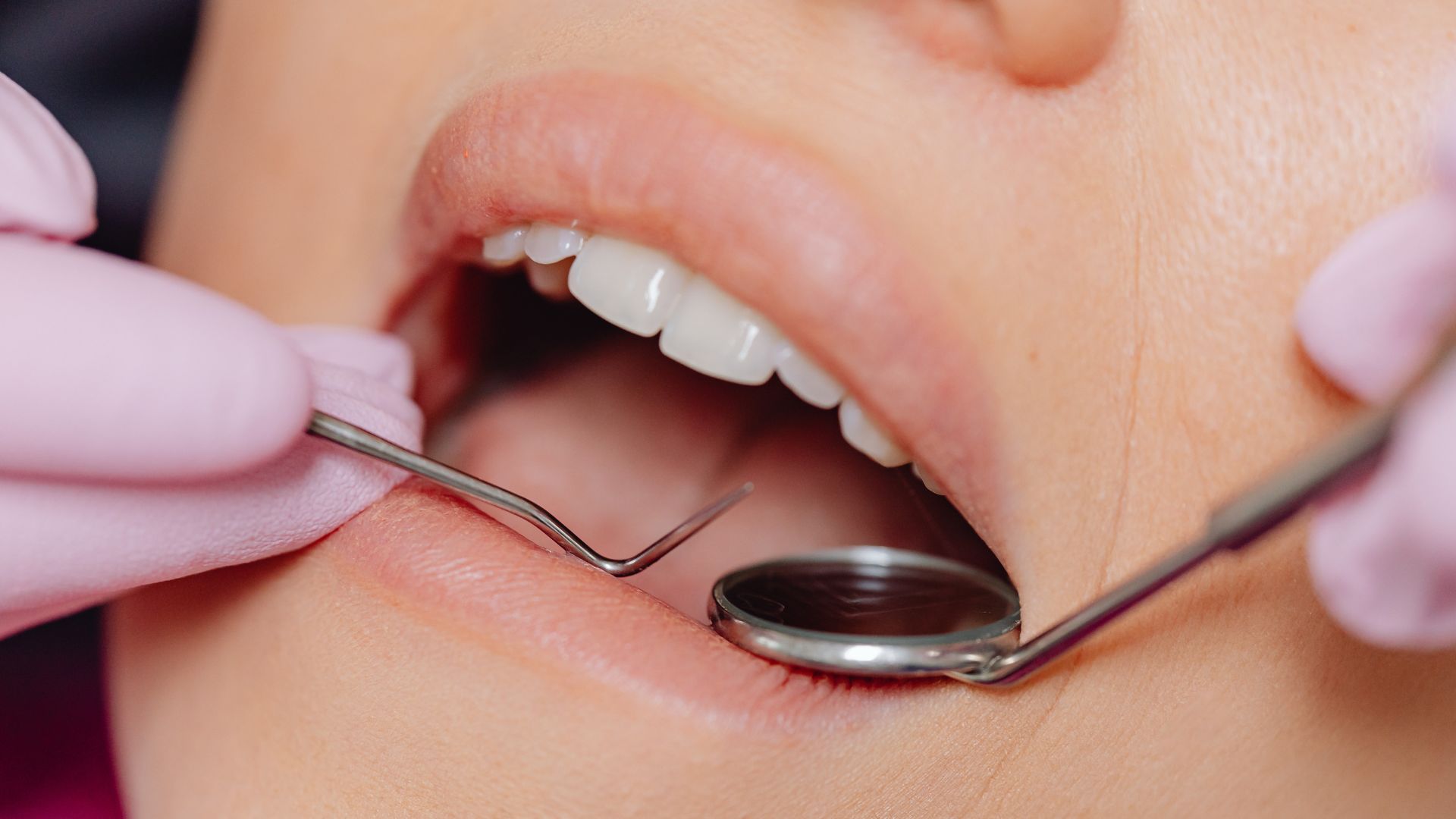
Westside Aesthetic Dentistry approaches teeth cleaning in Playa Vista as a detailed hygiene visit that helps patients understand what is happening around their gums, enamel, restorations, and daily cleaning habits. Each appointment looks at where plaque and tartar collect, which areas feel tender, how the gum tissue responds, and where home care may need more specific support. Dr. Kaitie Beetner’s Kois-trained approach adds deeper context by connecting cleanings with tooth stability, bite forces, restoration maintenance, and long-term smile health. This makes the visit feel more useful than a routine polish because patients leave with clearer information about their mouth.
Teeth cleaning should feel thorough, comfortable, and practical after the appointment ends. Westside Aesthetic Dentistry takes time to explain what was removed, where buildup keeps returning, which gumline areas need attention, and how daily routines can become easier to manage. Patients receive guidance that reflects their actual tooth shape, spacing, restorations, gum condition, and sensitivity concerns instead of generic instructions. The goal is a cleaner smile, healthier gums, and better confidence in daily oral care.
Professional cleaning can show where plaque and tartar return most often between visits. Some patients collect more buildup behind the lower front teeth, while others notice problems around tight contacts, gumline curves, back molars, or dental restorations. Westside Aesthetic Dentistry uses those patterns to make home-care guidance more specific, practical, and easier to apply. This helps patients understand which areas need better brushing angles, flossing technique, or different hygiene tools. Personalized guidance makes cleanings more useful long after the appointment.
Identifying Plaque Around Hard-To-Reach Areas
Plaque often collects in places that feel clean during daily brushing and flossing. Tight spaces, back molars, gumline curves, and restoration edges can hold buildup even when patients are consistent. Identifying those areas helps patients improve daily cleaning with greater precision and less guesswork.
Home Care Tools Should Fit The Mouth
Different mouths need different hygiene tools for effective plaque removal. Floss, interdental brushes, electric toothbrushes, and brushing angles may work differently depending on spacing, gum shape, and dental work. Better tool selection helps patients clean more thoroughly between professional visits.
Gum health is closely connected to how clean, comfortable, and stable the mouth feels over time. During cleaning visits, Westside Aesthetic Dentistry can evaluate bleeding, tenderness, pocket depths, buildup patterns, tissue response, and areas that need closer attention. These details help patients understand whether gum inflammation is improving, staying stable, or becoming more active around certain teeth. Regular monitoring also helps guide cleaning frequency, home-care adjustments, and follow-up recommendations when gum tissue needs additional support. Healthier gums support stronger long-term oral comfort.
Bleeding Points Show Active Gum Irritation
Bleeding can identify specific areas where gum tissue is inflamed or harder to clean. These spots may need more targeted brushing, flossing, professional attention, or changes in daily technique. Tracking bleeding helps patients see whether gum care is improving over time.
Pocket Measurements Guide Hygiene Planning
Pocket depths can show where bacteria may collect below the gumline. Deeper areas may need closer monitoring, more focused cleaning support, or different home-care strategies. Measuring these spaces helps guide better preventive care and healthier gum maintenance.
Dental work needs careful maintenance so it continues to look natural, feel smooth, and protect the tooth underneath. Fillings, crowns, veneers, bonding, and bridges can collect plaque around margins, contours, and edges when cleaning access is limited. Westside Aesthetic Dentistry pays attention to these areas during cleanings because buildup can affect comfort, gum health, tooth structure, and restoration longevity. Cleaning around dental work also helps identify roughness, staining, food-catching areas, or early margin changes before they become larger concerns. Restorative and cosmetic work lasts longer with consistent care.
Margins Need Careful Plaque Removal
The edge where dental work meets tooth structure can trap bacteria when plaque collects repeatedly. Plaque around margins may increase the risk of decay, gum irritation, staining, or roughness near older restorations. Careful cleaning helps protect both the restoration and the natural tooth supporting it.
Polished Surfaces Feel Easier To Maintain
Smooth dental surfaces are easier to clean during daily routines at home. Roughness, stain, or buildup can make restorations feel less comfortable and more noticeable over time. Polishing helps dental work feel cleaner, smoother, and more integrated.
A cleaning visit should feel calm, respectful, and easy to understand from start to finish. Westside Aesthetic Dentistry explains findings during the appointment so patients know what is happening, why certain areas need attention, and how each recommendation connects to their oral health. Patients can ask about sensitivity, gum tenderness, buildup, stains, breath concerns, or changes they notice between visits. Clear communication makes hygiene care feel more personal because patients understand the purpose behind each step. Comfort helps patients stay consistent with care.
Sensitivity Can Be Discussed Before Cleaning
Some patients have sensitivity around gum recession, enamel wear, exposed root surfaces, or older dental work. Discussing those areas before cleaning helps the team adjust care thoughtfully and avoid unnecessary discomfort. This makes the visit feel more comfortable, more respectful, and more patient-centered.
Clear Feedback Makes Prevention Easier
Patients benefit from knowing exactly what improved and what still needs attention. Specific feedback can make daily brushing, flossing, and hygiene tools feel more purposeful between visits. Better understanding helps prevention feel easier to maintain every day.
Book With Westside Aesthetic Dentistry Today for Your Teeth Cleaning in Playa Vista
A cleaner mouth can make brushing, flossing, eating, and smiling feel noticeably easier. Teeth cleaning in Playa Vista removes buildup that home care cannot fully clear once plaque hardens into tartar. Westside Aesthetic Dentistry uses each hygiene visit to help patients understand buildup patterns, gumline health, stain concerns, and restoration maintenance. An appointment should leave your teeth feeling smoother while making daily care feel more practical.
Consistent cleanings can also help reduce avoidable problems before they interrupt your comfort. Teeth cleaning in Playa Vista may support healthier gums, fresher breath, cleaner enamel, and longer-lasting dental work. Westside Aesthetic Dentistry offers thoughtful hygiene care for patients who want clear guidance without feeling rushed through a routine visit. Call Westside Aesthetic Dentistry at (424) 216-9669 or visit our contact page to schedule your teeth cleaning today.