A Thoughtful Look at Breathing, Sleep, and Oral Health

How Aesthetic Dentistry in Culver City Improves Smile

Airway Dentistry Evaluation in Playa Vista

An Airway Dentistry Evaluation in Playa Vista can help you understand how your teeth, jaw, bite, oral structures, and breathing patterns may connect to the way you sleep and feel during the day. If you snore, wake up tired, breathe through your mouth, grind your teeth, or deal with morning jaw tension, your mouth may offer clues worth reviewing with a dentist who looks beyond your teeth alone.

Your airway evaluation is not about rushing you into treatment or giving you a one-size-fits-all answer. It is about taking the time to review what you notice, what your dental exam shows, and whether your symptoms point toward the need for dental care, airway-focused guidance, or a referral for further medical evaluation. At Westside Aesthetic Dentistry, we help you understand what may be happening so you can make informed decisions about your health, comfort, and smile.

Westside Aesthetic Dentistry provides patient-centered dental care for people who want clear answers, careful evaluation, and a more complete view of their oral health. If you are ready to talk about airway health, sleep breathing concerns, or symptoms that keep coming back, call (424) 216-9669 to schedule your visit with our Playa Vista dental team.

Why You May Need an Airway Dentistry Evaluation in Playa Vista

Many people think about their airway only after sleep starts to feel off. You may wake up tired, hear from your partner that you snore, notice dry mouth in the morning, or feel jaw tension before your day even begins. These symptoms can feel separate at first, but your teeth, bite, tongue posture, jaw position, and breathing patterns can all give your dentist useful information.

Westside Aesthetic Dentistry takes these concerns seriously because your mouth is connected to more than chewing and smiling. An airway-focused dental visit helps you slow down, name what you are experiencing, and look for dental clues that may explain why certain symptoms keep coming back. For example, a patient in Playa Vista may come in for worn teeth and learn that nighttime clenching, mouth breathing, and poor sleep quality all deserve a closer conversation.

What an Airway Focused Dental Visit Can Help You Understand

An airway-focused dental visit helps connect what you feel at home with what your dentist can see during an exam. You may not know whether snoring, clenching, dry mouth, or morning headaches relate to your oral health, but those details can help shape a more useful evaluation. The goal is to look at the pattern, not treat one symptom in isolation.

During this type of visit, Westside Aesthetic Dentistry may ask about your sleep quality, breathing habits, jaw comfort, tooth wear, and daily energy. A patient may say they sleep eight hours but still need coffee before they can function. Another patient may report that their teeth feel sore every morning, even though they do not notice clenching during the day. Those small details can point your evaluation in the right direction.

When Snoring and Tired Mornings May Point to a Breathing Concern

Snoring does not always mean something serious, but consistent snoring deserves attention. If you wake up tired, breathe through your mouth, or feel unrested after a full night of sleep, your body may not be getting the quality rest it needs. A dental airway evaluation can help identify oral signs that may support a broader sleep health conversation.

Westside Aesthetic Dentistry does not use guesswork as a treatment plan. Instead, the evaluation helps determine whether your symptoms seem connected to dental factors, jaw function, oral space, or possible sleep breathing concerns that need medical follow-up. This matters because a person can look healthy, brush well, and still struggle with sleep-related symptoms that show up in the mouth.

Loud Snoring That Disrupts Sleep

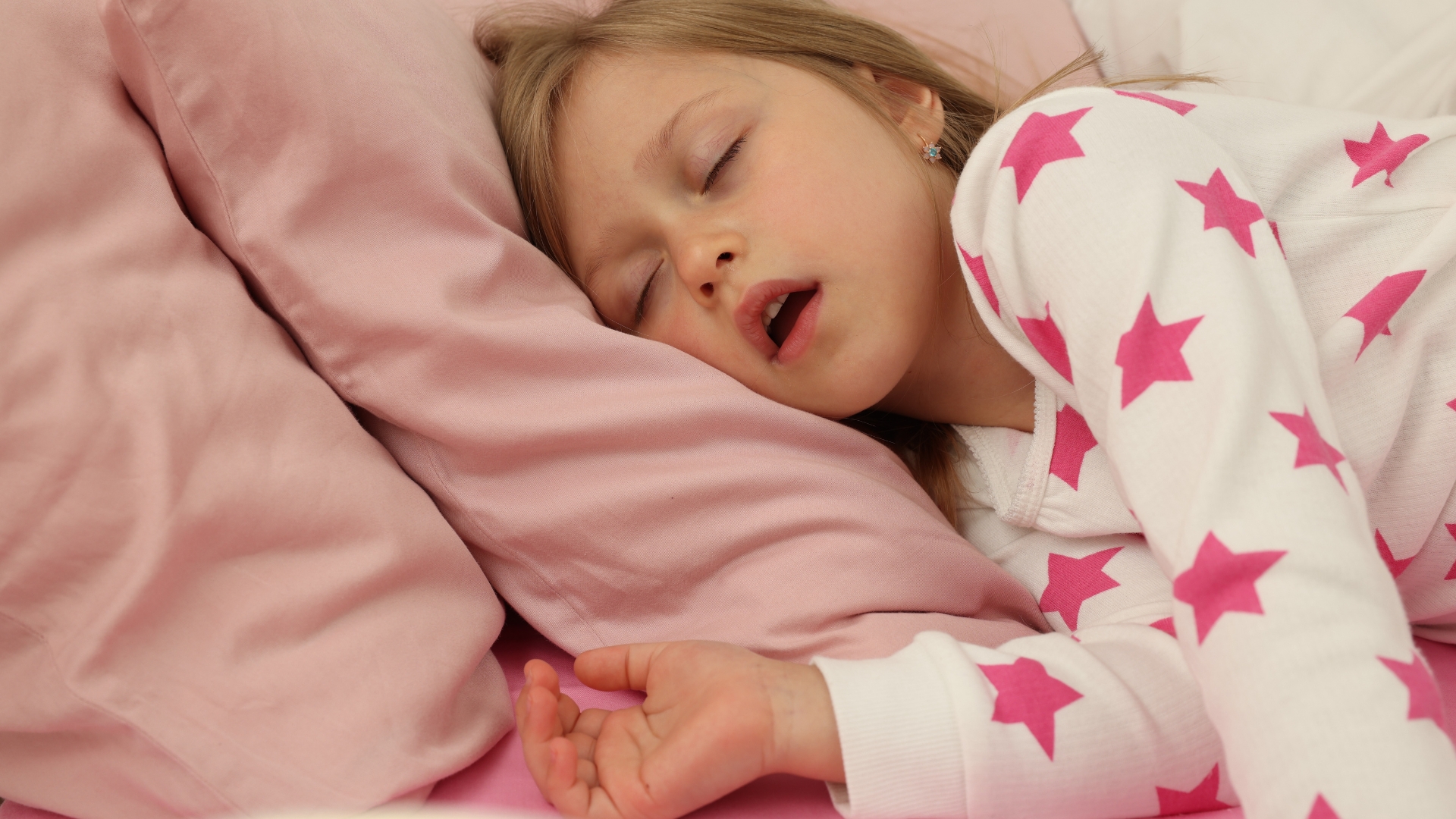
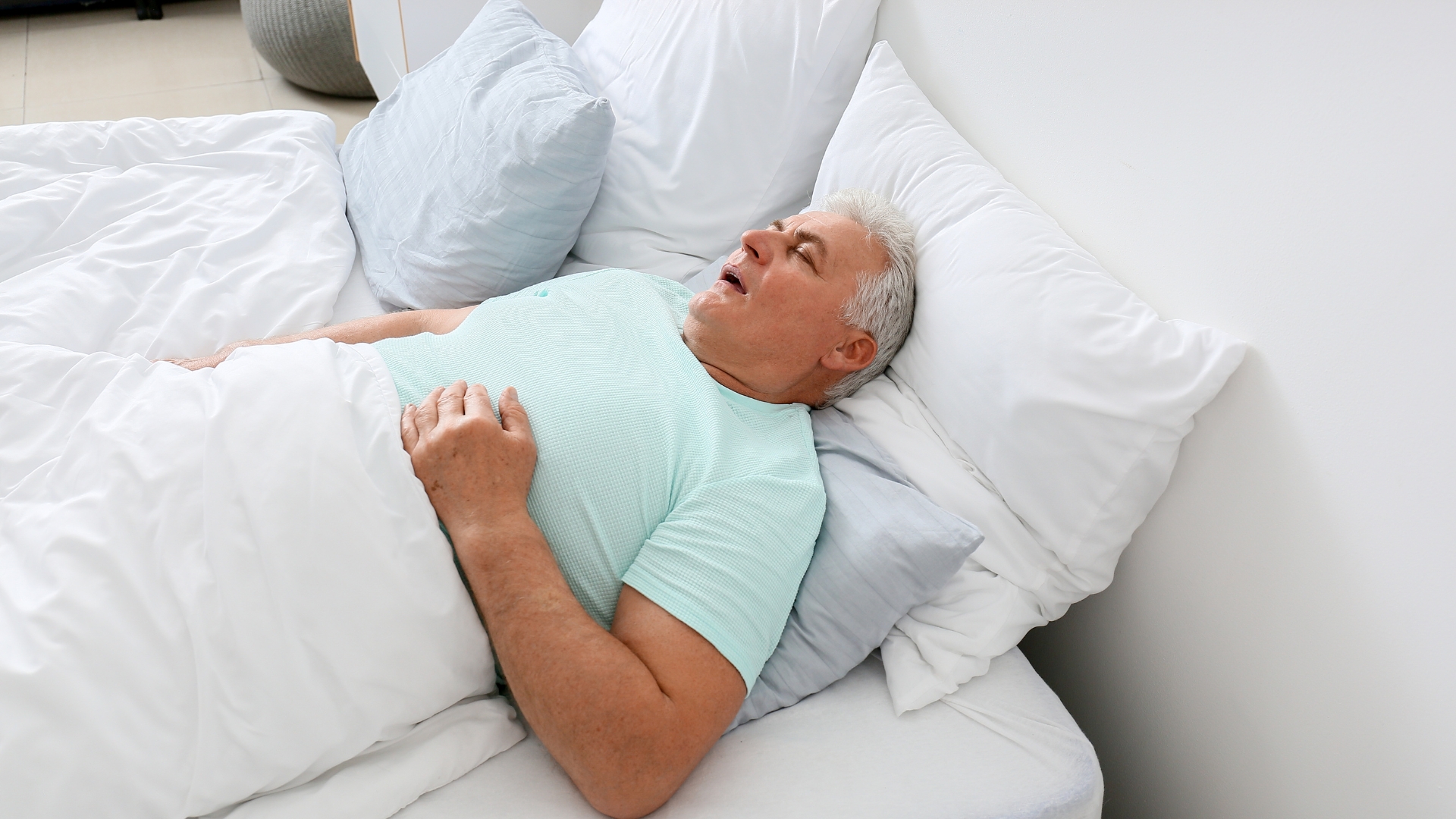
Loud snoring can affect both you and the person sleeping next to you. You may not hear it yourself, but your partner may notice pauses, gasping, or restless movement during the night. That feedback can help your dentist understand whether your symptoms deserve a closer airway discussion.

At Westside Aesthetic Dentistry, snoring is not treated as an isolated complaint. Your dentist may look for tooth wear, bite changes, tongue posture, jaw tension, and signs of dry mouth. These findings do not replace a medical diagnosis, but they can help decide whether further evaluation makes sense.

Waking Up With a Dry Mouth or Morning Headache

Dry mouth in the morning may be a sign that you breathe through your mouth while sleeping. Saliva protects your teeth and gums, so frequent dryness can make your mouth feel sticky, irritated, or more prone to plaque buildup. Morning headaches can also raise questions about clenching, muscle tension, and sleep quality.

A patient may say they keep water by the bed every night or wake up with cracked lips even when they hydrate during the day. Those details matter. Westside Aesthetic Dentistry uses these conversations to better understand what your mouth is showing and how your breathing habits may affect your oral health.

Feeling Tired Even After a Full Night of Sleep

Feeling tired after enough hours in bed can feel frustrating because the problem is not always how long you sleep. The issue may involve how well you breathe, how often your sleep gets interrupted, or how much tension your jaw carries overnight. When fatigue keeps showing up, it makes sense to look beyond bedtime habits alone.

An airway dentistry evaluation gives Westside Aesthetic Dentistry a chance to review your symptoms in the context of your dental health. You may have worn enamel, sore jaw muscles, scalloped tongue edges, or signs that your mouth stays open during sleep. Those findings can help you understand whether your next step should involve dental care, airway guidance, or a medical sleep evaluation.

Why Westside Aesthetic Dentistry Looks Beyond Teeth Alone

Your smile matters, but it does not exist in a vacuum. Teeth, gums, jaw joints, breathing patterns, sleep quality, and daily comfort can affect one another. Westside Aesthetic Dentistry approaches airway evaluations with the same philosophy used throughout the practice, which is to educate you, explain what your exam shows, and help you make decisions without pressure.

This type of care can be especially helpful for health-conscious patients who want more than a quick fix. Maybe you came in because your teeth look shorter from grinding. Maybe your partner is tired of the snoring. Maybe you feel drained every morning and want to know whether your mouth offers any clues. An airway dentistry evaluation gives you a clear place to start.
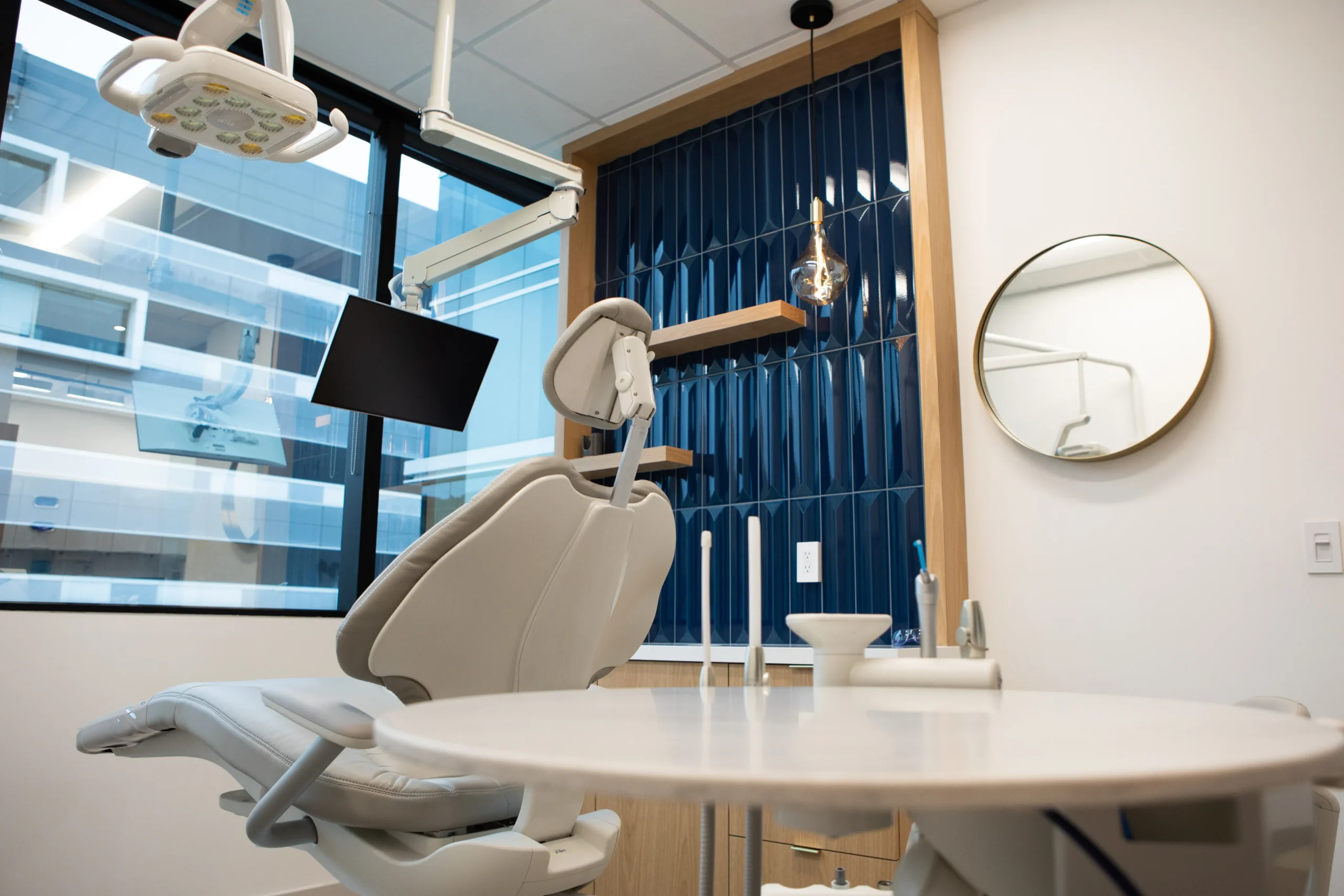

How an Airway Dentist in Playa Vista Looks at Breathing and Oral Health

How an Airway Dentist in Playa Vista Looks at Breathing and Oral Health

An airway dentist in Playa Vista looks at more than whether your teeth are clean or your gums look healthy. Your exam may include a closer review of jaw position, tooth wear, bite balance, oral space, tongue posture, and signs that your mouth may stay dry during sleep. These details can help explain why symptoms like snoring, clenching, mouth breathing, and morning fatigue may keep showing up together.

Westside Aesthetic Dentistry uses this type of evaluation to help you see the bigger picture without turning every symptom into a diagnosis. For example, if you grind your teeth, wake up with a dry mouth, and feel tightness near your jaw joints, those details may deserve one connected conversation. The goal is to understand what your mouth is showing, what you are feeling, and what next step makes sense.

How Your Jaw Position Can Affect Nighttime Breathing

Your jaw position can influence the space available for your tongue and airway during sleep. When the lower jaw rests farther back, the tongue may also sit farther back. For some people, that position can contribute to noisy breathing, restless sleep, or tension in the jaw muscles.

Westside Aesthetic Dentistry reviews jaw position as part of the larger airway and bite conversation. This does not mean every jaw issue creates a breathing problem. It means your jaw, bite, tongue posture, and nighttime symptoms should be reviewed together when you report snoring, clenching, or waking up tired.

How Mouth Breathing Can Change Your Oral Health

Mouth breathing can affect your oral health because your mouth depends on saliva for protection. Saliva helps wash away food particles, buffer acids, and keep soft tissues more comfortable. When your mouth dries out during sleep, your teeth and gums may lose some of that natural protection.

A patient may brush twice a day and still feel like their mouth is sticky every morning. Another patient may notice bad breath, chapped lips, or more plaque along the gumline. Westside Aesthetic Dentistry looks at these patterns during an airway-focused dental evaluation because they can point to breathing habits that affect your dental health.

Dry Mouth and Higher Cavity Risk

Dry mouth can make your teeth more vulnerable to acid and bacteria. When saliva flow drops, food debris and plaque can sit longer on the teeth. This can raise concern for cavities, especially near the gumline or between teeth.

Westside Aesthetic Dentistry may ask when your mouth feels driest and whether it happens mostly in the morning. This helps separate daytime hydration habits from possible sleep-related mouth breathing. If your mouth feels dry every morning, that pattern deserves attention during your evaluation.

Gum Irritation and Poor Saliva Protection

Your gums also need moisture to stay comfortable. Mouth breathing can leave the gum tissue dry, irritated, or more sensitive. You may notice redness, tenderness, or bleeding even when your brushing routine has not changed.

A dry mouth can also make plaque feel harder to control. This can frustrate patients who care about their oral health and still see irritation along the gums. Westside Aesthetic Dentistry can review these signs and explain whether airway-related breathing habits may be part of the problem.

Bad Breath Linked to Mouth Dryness

Bad breath can come from many causes, but mouth dryness is one common factor. When your mouth stays dry overnight, bacteria can build up more easily. You may wake up with a stale taste or feel like brushing only helps for a short time.

This can feel embarrassing, but it is also useful information. Westside Aesthetic Dentistry looks at bad breath in context with dry mouth, plaque patterns, gum health, and breathing habits. When these signs appear together, an airway-focused evaluation can help you understand what may be contributing to the issue.

How Teeth Grinding May Connect to Airway Strain

Teeth grinding can happen for several reasons, including stress, bite imbalance, medication changes, or sleep-related muscle activity. In some patients, nighttime clenching and grinding may also appear alongside snoring, mouth breathing, or restless sleep. That overlap is one reason an airway dentistry evaluation can be helpful.

Westside Aesthetic Dentistry does not assume every grinding habit has the same cause. The exam may look at worn enamel, sore jaw muscles, bite marks on the cheeks or tongue, and reports of morning tightness. If the pattern suggests a broader concern, your dentist can explain whether dental care, airway discussion, or medical sleep evaluation should be considered.

Flattened or Worn Teeth

Flattened teeth can be a clear sign that grinding has been happening for some time. You may notice that your teeth look shorter, edges feel rough, or fillings and restorations wear down faster than expected. Some patients do not realize they grind until a dentist points out the wear.

Tooth wear matters because it can affect both appearance and function. It can also provide clues about what happens while you sleep. Westside Aesthetic Dentistry can document the wear and explain whether the pattern looks consistent with grinding, clenching, bite pressure, or other dental concerns.

Jaw Soreness After Sleep

Jaw soreness in the morning can suggest that your muscles worked hard during the night. You may feel tightness near your cheeks, temples, or around the jaw joints. Some patients notice soreness when chewing breakfast or opening wide to yawn.

Morning soreness should not be ignored when it keeps coming back. Westside Aesthetic Dentistry may evaluate your bite, jaw movement, muscle tenderness, and tooth wear to see how these signs fit together. If soreness appears with snoring or tired mornings, an airway conversation may be appropriate.

Clenching That Happens Without Stress Awareness

Many patients associate clenching with daytime stress, but nighttime clenching can happen without you knowing it. You may feel calm during the day and still wake up with sore teeth or tight jaw muscles. Your partner may hear grinding before you notice symptoms yourself.

This is why dental findings matter. Westside Aesthetic Dentistry can look for evidence that your teeth and jaw are under pressure while you sleep. When those findings appear with dry mouth, snoring, or fatigue, your evaluation can move beyond surface-level explanations and help you decide what to do next.

Booked Your Appointment?

Find information below to help make your visit smooth and easy.

Getting Here

Be sure to visit the parking page to find free street parking around the office.

Paperwork

We ask that you please complete your New Patient forms before you arrive via our Patient Portal.

Questions?

Feel free to reach out to us — we’re happy to help! You can call, text or email us anytime.

Signs You Should Ask About a Dental Airway Evaluation in Playa Vista

Signs You Should Ask About a Dental Airway Evaluation in Playa Vista

You do not need to know the exact cause of your symptoms before asking for an airway-focused dental evaluation. That is the point of the visit. If you keep noticing snoring, mouth breathing, jaw tightness, tooth wear, dry mouth, or tired mornings, those patterns deserve a closer look.

Westside Aesthetic Dentistry helps patients in Playa Vista review these concerns in a clear, practical way. A patient may come in because their partner complains about snoring, then mention they also wake up with headaches and sore teeth. Another patient may schedule a visit because their mouth feels dry every morning, even though they drink plenty of water. These details can help guide the dental exam and shape the next step.

Snoring That Your Partner Notices Before You Do

Snoring can be hard to judge on your own because you are asleep when it happens. Your partner may notice loud snoring, restless movement, or moments when your breathing sounds irregular. That information can help your dentist understand whether your symptoms deserve a broader airway conversation.

Westside Aesthetic Dentistry may ask how often the snoring happens, whether it changes with sleep position, and whether you wake up feeling rested. These questions do not diagnose a sleep disorder. They help your dental team understand whether oral signs and sleep-related symptoms seem to be showing up together.

Mouth Breathing During Sleep or Exercise

Mouth breathing may happen during sleep, exercise, allergies, nasal congestion, or habit. When it happens often, it can affect how your mouth feels and how well your saliva protects your teeth. You may wake up with a dry tongue, cracked lips, or a sticky feeling that returns night after night.

A dental airway evaluation can help identify signs that mouth breathing may be affecting your oral health. Westside Aesthetic Dentistry may look for gum dryness, plaque patterns, soft tissue irritation, and dental wear. If your symptoms suggest nasal or medical involvement, your dentist can explain when another provider may need to evaluate that part of the concern.

Jaw Pain With Poor Sleep Quality

Jaw pain and poor sleep can overlap in ways that feel confusing. You may wake up with tightness near the jaw joint, soreness in your cheeks, or tenderness around your temples. You may also feel tired during the day, even if you do not remember waking up at night.

Westside Aesthetic Dentistry looks at jaw discomfort as part of your full dental and airway picture. The exam may include bite evaluation, muscle palpation, jaw movement review, and discussion of clenching or grinding. When jaw symptoms appear with snoring, mouth breathing, or morning fatigue, the pattern may call for a more complete evaluation.

Morning Jaw Tightness

Morning jaw tightness can suggest that your jaw muscles stayed active overnight. You may feel stiffness when you open your mouth, chew breakfast, or talk early in the day. This can happen even if you do not feel stressed before bed.

Westside Aesthetic Dentistry may look for tooth wear, cheek biting marks, muscle tenderness, and bite pressure patterns. These signs can help explain whether clenching or grinding may be part of the issue. If airway symptoms also appear, your dentist can help you understand why the overlap matters.

Clicking or Popping Near the Jaw Joint

Clicking or popping near the jaw joint can happen when the joint, disc, muscles, or bite do not move smoothly together. Some clicking causes no pain, while other clicking appears with soreness, locking, or tension. When clicking shows up with poor sleep or clenching, it should not be brushed aside as random noise.

Your dentist can evaluate how your jaw opens, closes, and moves side to side. Westside Aesthetic Dentistry may also ask whether symptoms feel worse in the morning or after stressful days. Timing helps separate daytime habits from possible nighttime muscle strain.

Facial Muscle Fatigue

Facial muscle fatigue can make your cheeks, temples, or jaw feel tired before the day has really started. Some patients describe it as pressure rather than sharp pain. Others feel soreness after chewing or talking for long periods.

This type of fatigue may point to clenching, grinding, bite strain, or jaw muscle overuse. Westside Aesthetic Dentistry can compare your symptoms with dental findings like tooth wear, tenderness, and bite marks. If sleep breathing concerns are also present, your evaluation can address the full pattern instead of chasing one symptom at a time.

Teeth Grinding and Clenching That Keep Coming Back

Grinding and clenching can damage teeth, strain jaw muscles, and make dental work wear down faster. You may notice flat edges, small chips, tooth sensitivity, or soreness when you bite. Some patients only learn about grinding after a dentist sees the wear pattern during an exam.

Westside Aesthetic Dentistry evaluates grinding by looking at the teeth, bite, jaw muscles, and symptom history. The goal is to understand what may be driving the pressure. If grinding appears with snoring, dry mouth, or tired mornings, an airway dentistry evaluation can help decide whether breathing-related factors should be part of the conversation.

Brain Fog and Daytime Fatigue After Restless Sleep

Brain fog and daytime fatigue can creep into your routine until they start to feel normal. You may struggle to focus in the afternoon, rely on more caffeine than usual, or feel like your sleep never fully restores you. These symptoms can come from many causes, but they are worth mentioning during an airway-focused dental visit.

Westside Aesthetic Dentistry can review whether your fatigue appears alongside oral signs such as dry mouth, tooth wear, jaw soreness, or mouth breathing. A dental exam cannot explain every energy problem. It can help identify whether your mouth and jaw are giving clues that should lead to a bigger sleep health discussion.

What Happens During an Airway Dentistry Evaluation in Playa Vista

What Happens During an Airway Dentistry Evaluation in Playa Vista

An airway dentistry evaluation in Playa Vista starts with a simple goal. Westside Aesthetic Dentistry wants to understand what you are experiencing, what your mouth shows, and whether your symptoms connect to your teeth, jaw, bite, oral space, or breathing patterns. This visit gives you room to talk through concerns that may not fit neatly into a regular cleaning appointment.

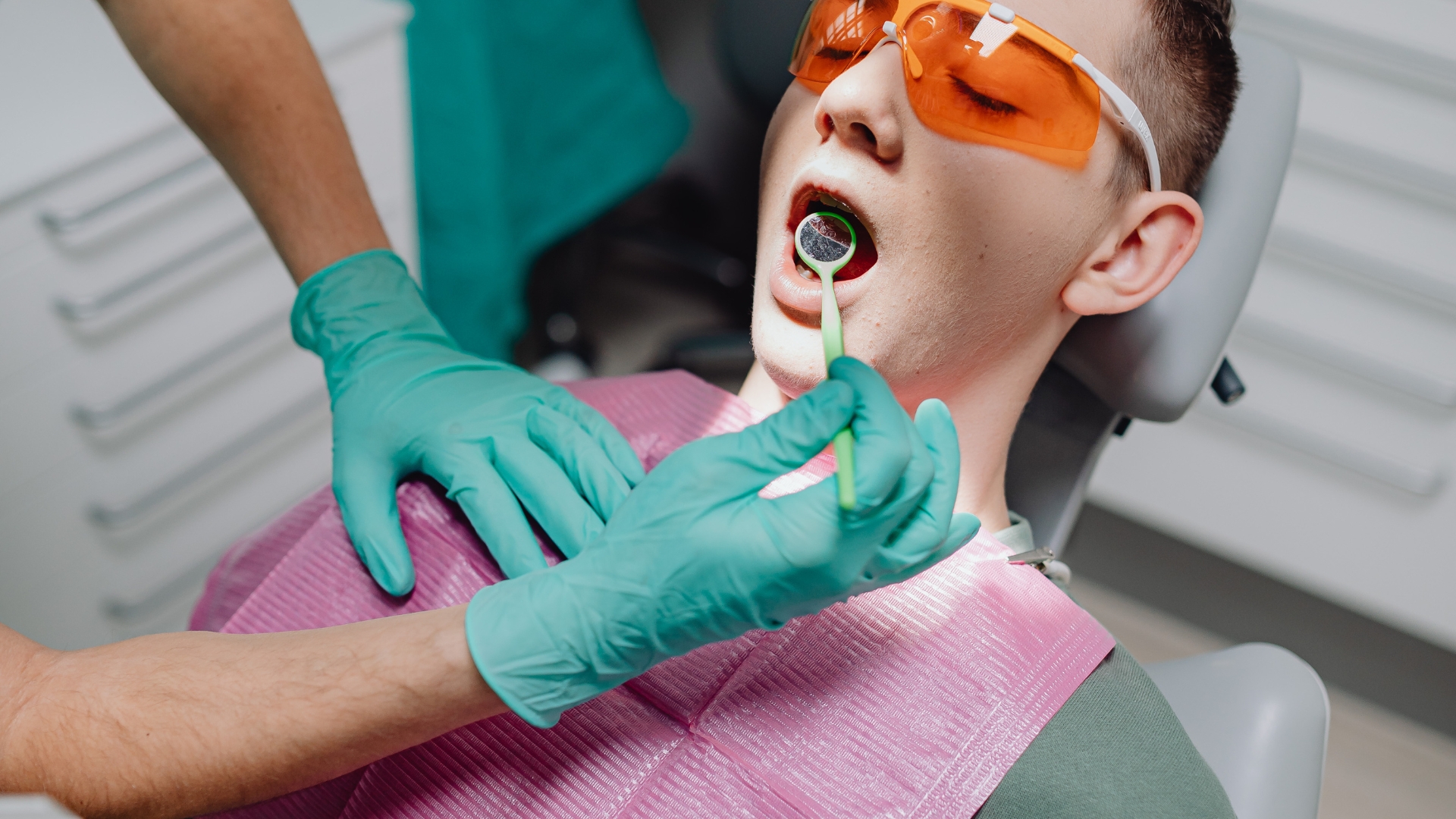
The evaluation may include a conversation about sleep quality, snoring, mouth breathing, jaw tension, dry mouth, tooth wear, and fatigue. It may also include a detailed dental exam that looks for signs of clenching, grinding, bite strain, and oral dryness. For example, a patient may come in because they wake up tired and leave with a better understanding of how worn teeth, sore jaw muscles, and mouth breathing may deserve one connected discussion.

A Conversation About Sleep Breathing Symptoms

Your symptoms give your dental team important context before the exam begins. Westside Aesthetic Dentistry may ask whether you snore, wake up with a dry mouth, feel tired during the day, clench your teeth, or notice jaw soreness in the morning. These questions help your dentist understand the pattern behind your concerns.

This conversation should feel clear, not intimidating. You do not need to arrive with perfect answers or medical terminology. You can simply explain what happens in your normal routine, such as waking up thirsty, needing several alarms, or hearing that you grind your teeth at night.

A Dental Exam That Looks for Airway-Related Clues

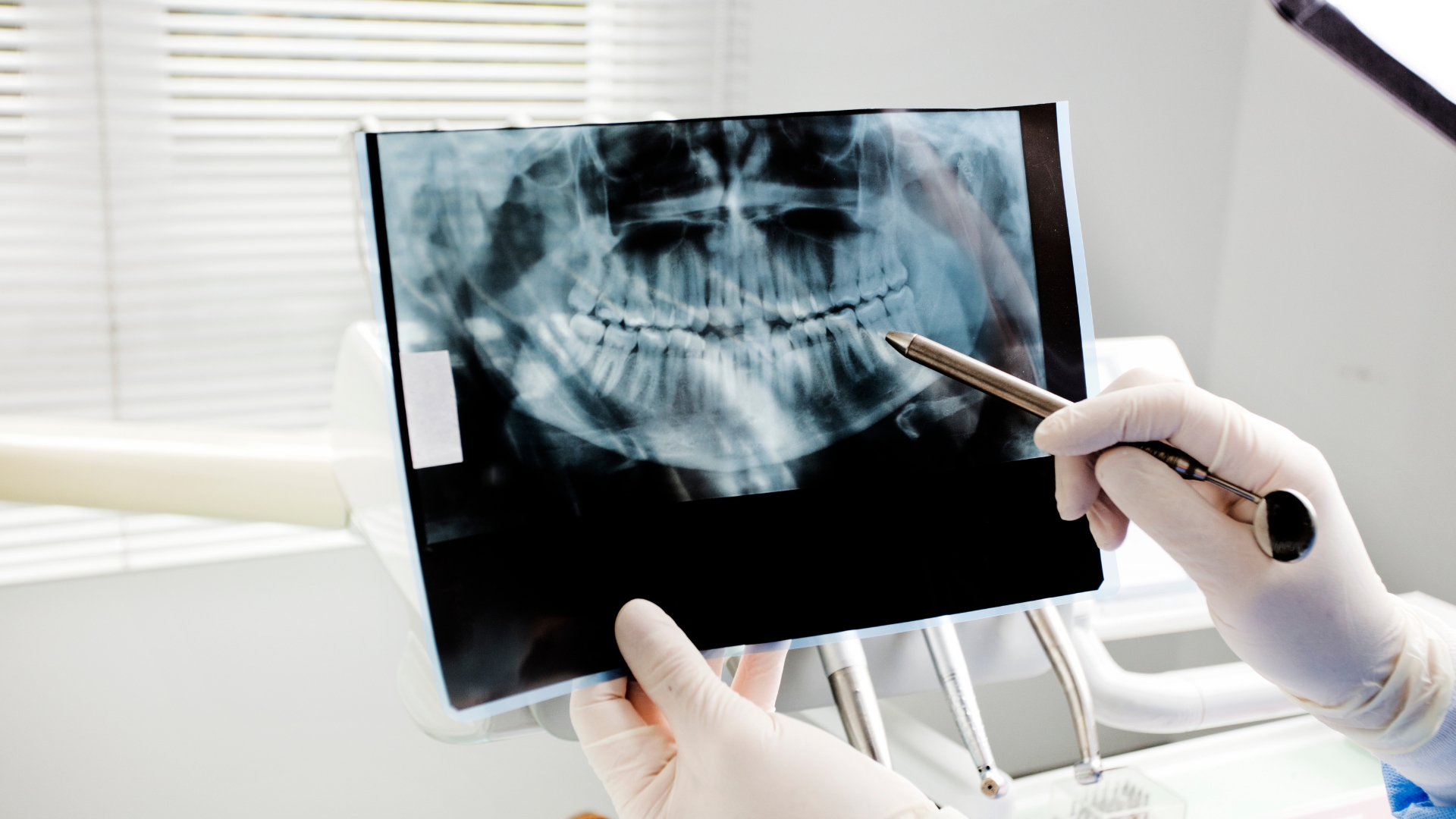
A dental airway exam looks for clues that may appear in your teeth, gums, bite, tongue, jaw muscles, and oral tissues. These findings do not diagnose a sleep disorder on their own. They help Westside Aesthetic Dentistry decide whether your symptoms may relate to oral health, jaw function, airway concerns, or another issue that needs referral.

Your dentist may review tooth wear, gum dryness, tongue position, cheek biting, jaw movement, and muscle tenderness. This exam can be especially helpful when symptoms feel vague. A patient may not know why they wake up with headaches, but a close dental exam may reveal heavy clenching and worn enamel that explain part of the picture.

Tooth Wear and Bite Changes

Tooth wear can tell your dentist how your teeth handle pressure over time. Flattened edges, small chips, worn enamel, or uneven bite marks may suggest grinding or clenching. These signs can appear slowly, so you may not notice them until they affect comfort or appearance.

Westside Aesthetic Dentistry may compare tooth wear with your symptoms and bite pattern. If you report morning soreness, jaw tightness, or restless sleep, the wear may become part of a larger airway and jaw function conversation. This helps your dentist avoid treating the tooth surface without understanding the pressure behind it.

Tongue Position and Oral Space

Tongue position and oral space can affect how your mouth rests during sleep. Your dentist may look at how your tongue sits, whether there are scalloped edges along the tongue, and whether your oral structures leave enough room for comfortable breathing patterns. These details can help explain why some patients breathe through their mouth at night.

A crowded oral space does not automatically mean you have a sleep breathing disorder. It does mean your dentist should consider how your anatomy, symptoms, and dental findings fit together. Westside Aesthetic Dentistry uses these observations to guide a careful discussion, not to jump to a conclusion.

Jaw Function and Muscle Tension

Jaw function matters because your jaw, bite, muscles, and airway can influence one another. Your dentist may check how your jaw opens, whether it moves evenly, and whether the muscles feel tender. Patients who clench or grind at night may feel soreness near the cheeks, temples, or jaw joints.

Westside Aesthetic Dentistry may ask whether jaw symptoms feel worse in the morning or after stressful days. Timing matters because morning pain can point toward nighttime muscle activity. When jaw tension appears with snoring, dry mouth, or fatigue, the evaluation can look at the full pattern.

Clinical Photography and Digital Dental Records When Needed

Clinical photography and digital dental records can help Westside Aesthetic Dentistry explain what your exam shows. Photos may make tooth wear, gum changes, bite concerns, or oral tissue findings easier to understand. Clear records can also help track changes over time.

This matters for patients who want to see the evidence behind a recommendation. Instead of hearing a vague explanation, you can review what your dentist sees and ask questions. A patient who has worn front teeth, for example, may better understand the issue when they can compare images and see how bite pressure has changed the tooth edges.

When a Medical Sleep Evaluation May Be the Next Step

A dental airway evaluation can identify oral signs and symptoms that deserve attention, but it does not replace medical testing when a sleep disorder may be involved. If your symptoms suggest a possible sleep breathing condition, Westside Aesthetic Dentistry may recommend that you speak with a medical provider or sleep specialist. This keeps your care responsible and accurate.

This step can be especially important if you report loud snoring, gasping, witnessed breathing pauses, severe daytime sleepiness, or morning headaches. Your dentist can help you understand why those symptoms matter and what information may be useful for your next provider. The goal is not to scare you. The goal is to help you move toward the right evaluation with better information.

How Airway Focused Dentistry Connects to Whole Health in Playa Vista

How Airway Focused Dentistry Connects to Whole Health in Playa Vista

Airway-focused dentistry looks at how breathing patterns, oral health, jaw comfort, and sleep quality may fit together. Your mouth can show signs of strain before you fully understand what is happening. Dry mouth, worn teeth, sore jaw muscles, and restless sleep can all affect how you feel through the day.

Westside Aesthetic Dentistry brings this whole health mindset into the airway evaluation because dental care should support more than a nice smile. A patient in Playa Vista may schedule an appointment for tooth sensitivity and mention that they also wake up tired, breathe through their mouth, and clench at night. When those details come together, your dental team can help you decide whether the concern belongs in a dental treatment plan, a medical conversation, or both.

Why Breathing Quality Matters During Sleep

Sleep gives your body time to recover, but poor breathing quality can interrupt that process. If your breathing feels restricted, uneven, or noisy during sleep, you may wake up feeling like you never got the rest you needed. Some patients sleep for seven or eight hours and still feel drained before they leave the house.

An airway-focused dental evaluation does not replace medical sleep care. It can help identify oral signs that may support a bigger conversation about sleep breathing. Westside Aesthetic Dentistry can review your dental findings, listen to your symptoms, and explain when another provider may need to evaluate your sleep more closely.

How Restless Sleep Can Affect Your Day

Restless sleep can change the way your whole day feels. You may wake up already tired, struggle to focus during work, or feel more irritable than usual. These issues can seem unrelated to dentistry until your dental exam shows signs of clenching, dry mouth, or airway-related strain.

Westside Aesthetic Dentistry asks about these daily patterns because they help explain what your mouth may be showing. A patient who grinds at night may also wake up with sore jaw muscles and feel foggy by midmorning. Another patient may mouth breathe during sleep and start the day with a dry throat, stale breath, and low energy.

Morning Fatigue Before Work

Morning fatigue can make the first part of your day feel harder than it should. You may hit snooze several times, feel heavy-headed during your commute, or need caffeine before you can think clearly. When this happens often, it is worth asking whether your sleep quality and breathing patterns deserve attention.

Westside Aesthetic Dentistry may ask whether morning fatigue appears with snoring, dry mouth, jaw tightness, or headaches. Those details help your dentist understand whether oral signs may connect to your sleep concerns. If the pattern points beyond dental care alone, your dentist can discuss appropriate referral options.

Trouble Focusing Through the Afternoon

Poor sleep can make concentration harder, especially later in the day. You may reread emails, lose your train of thought in meetings, or feel mentally slow even after lunch. These symptoms can come from many causes, so they should be reviewed honestly and carefully.

During an airway dentistry evaluation, Westside Aesthetic Dentistry does not assume your focus issues come from your mouth. Instead, your dentist looks for dental clues that may belong in the same conversation. Tooth wear, jaw soreness, dry mouth, and reports of snoring can help decide whether sleep breathing concerns should be explored further.

Irritability After Poor Sleep

Poor sleep can affect your mood as much as your energy. You may feel short-tempered, less patient, or emotionally worn down after several nights of restless sleep. This can affect your workday, relationships, and general sense of control.

If irritability appears with snoring, waking up tired, or morning jaw pain, tell your dentist during the evaluation. Westside Aesthetic Dentistry can review whether your oral health shows signs of nighttime strain. That information may help you take the next step instead of treating poor sleep as something you simply have to tolerate.

Why Oral Health and Breathing Patterns Should Be Reviewed Together

Your oral health and breathing patterns can influence each other in practical ways. Mouth breathing can dry out your teeth and gums. Clenching can wear down enamel and strain jaw muscles. Jaw position and tongue posture can affect how your mouth rests during sleep.

Westside Aesthetic Dentistry reviews these issues together because isolated care can miss the bigger pattern. For example, repairing worn teeth without discussing clenching may leave the pressure problem unaddressed. Treating dry mouth without asking about nighttime breathing may overlook why your mouth feels dry every morning. A complete evaluation gives you a clearer path forward.

Airway Dentistry Evaluation for Snoring and Sleep Breathing Concerns in Playa Vista

Airway Dentistry Evaluation for Snoring and Sleep Breathing Concerns in Playa Vista

Snoring can feel easy to dismiss until it starts affecting your sleep, your partner’s sleep, or your energy the next day. Some people snore only during allergy season or after sleeping on their back. Others snore most nights, wake up tired, or hear from a partner that their breathing sounds uneven during sleep.

Westside Aesthetic Dentistry helps patients in Playa Vista treat snoring as useful information, not background noise. An airway-focused dental evaluation can review your oral structures, tooth wear, jaw position, dry mouth symptoms, and sleep-related concerns. For example, a patient may come in because their partner complains about loud snoring, then mention that they also wake up with a dry throat and tight jaw muscles. That pattern gives your dentist more to evaluate than snoring alone.

Why Snoring Deserves More Than Guesswork

Snoring happens when airflow creates vibration in the tissues of the throat or mouth during sleep. It can relate to sleep position, nasal congestion, alcohol use, anatomy, weight changes, jaw position, or other factors. Because several issues can contribute to snoring, guessing at the cause often leads to frustration.

Westside Aesthetic Dentistry uses a careful dental screening approach to review what your mouth may reveal. Your dentist may look for dry mouth, worn teeth, scalloped tongue edges, bite strain, and jaw tension. These signs do not prove the cause of snoring, but they can help decide whether dental care, lifestyle discussion, or medical sleep evaluation should come next.

How Dental Signs Can Support a Bigger Sleep Health Conversation

Your mouth can show signs that connect to your nighttime breathing habits. Mouth breathing may leave your teeth and gums dry. Grinding may leave enamel worn or muscles sore. Tongue position and jaw posture may raise questions about how your oral structures rest during sleep.

Westside Aesthetic Dentistry can use these findings to help you have a more informed conversation about sleep health. A patient who wakes up tired, snores loudly, and shows heavy tooth wear may need more than a nightguard discussion. The evaluation can help identify whether your symptoms point toward a broader sleep breathing concern that should be reviewed with a medical provider.

Why Westside Aesthetic Dentistry Uses a Careful Screening Approach

Airway-focused dentistry should be precise and responsible. Westside Aesthetic Dentistry does not treat every snore as the same problem or make assumptions based on one symptom. Your dental team listens to what you report, reviews what your exam shows, and explains what the findings may mean in plain language.

This approach helps you avoid two common mistakes. One mistake is ignoring symptoms because you assume they are normal. The other is jumping into treatment without understanding whether the issue needs dental care, medical testing, or both. A careful screening gives you a better starting point.

Screening Is Not the Same as a Medical Diagnosis

A dental airway screening can identify signs that deserve attention, but it does not replace a medical sleep diagnosis. Conditions like obstructive sleep apnea require proper medical evaluation and testing. Your dentist can support the process by documenting oral signs and helping you understand why certain symptoms should not be ignored.

Westside Aesthetic Dentistry keeps this distinction clear so you know what your visit can and cannot do. If your symptoms include loud snoring, witnessed breathing pauses, gasping during sleep, or severe daytime sleepiness, your dentist may recommend that you speak with a qualified medical provider. That referral can help you get the right testing instead of relying on assumptions.

Dental Findings Can Help Guide the Next Conversation

Dental findings can give useful context when you speak with a medical provider. Tooth wear, jaw soreness, dry mouth, tongue posture, and reports of snoring may help describe what happens while you sleep. These details can be especially helpful if you do not remember waking up during the night.

Westside Aesthetic Dentistry can explain your dental findings clearly so you understand what to share next. For example, if your exam shows grinding damage and your partner reports loud snoring, those details may belong in the same sleep health conversation. Clear information helps you advocate for yourself without feeling overwhelmed.

Coordinated Care May Be Recommended When Symptoms Suggest More Testing

Some airway concerns require more than one provider. If your symptoms suggest a possible sleep breathing disorder, your dentist may recommend medical follow-up before discussing any dental appliance or treatment option. This protects your health and helps make sure the plan matches the actual concern.

Westside Aesthetic Dentistry values this type of coordinated care because airway symptoms can involve the mouth, nose, throat, jaw, and sleep patterns. A patient may need a dental evaluation, a sleep study, an ENT discussion, or a physician’s review depending on the symptoms. The right path starts with careful evaluation, not a rushed answer.

Begin your care experience

Schedule an Airway Dentistry Evaluation in Playa Vista With Westside Aesthetic Dentistry

If snoring, mouth breathing, dry mouth, jaw tension, tooth grinding, or tired mornings keep showing up in your life, it may be time to look at what your mouth can tell you. An Airway Dentistry Evaluation in Playa Vista can help you better understand how your teeth, bite, jaw, tongue posture, and breathing patterns may connect to your sleep and daily comfort.

Westside Aesthetic Dentistry gives you a calm place to ask real questions without feeling rushed or pressured. Our team can review your symptoms, evaluate your oral health, explain what your dental findings may mean, and help you understand whether your next step should involve dental care, airway-focused guidance, or a medical sleep evaluation.

You deserve answers that make sense. Maybe your partner has mentioned your snoring for months. Maybe you wake up with a dry mouth every morning. Maybe your teeth feel sore when you wake up, and you are tired of guessing whether stress, sleep, or your bite is causing the problem. Westside Aesthetic Dentistry can help you sort through those clues with clear, patient-centered care.

To schedule your Airway Dentistry Evaluation in Playa Vista, call Westside Aesthetic Dentistry at (424) 216-9669 or contact our team through our contact page today.

Schedule an Airway Dentistry Evaluation in Playa Vista With Westside Aesthetic Dentistry

Contact Us

Click below to schedule an appointment with us.

Book an Appointment