
Deep Dental Cleaning in Playa Vista
Bleeding gums, deeper pocket measurements, and tartar below the gumline usually mean the problem is no longer only surface buildup. Deep dental cleaning in Playa Vista focuses on the areas where bacteria collect beneath the gums and continue irritating the tissue around the teeth. At Westside Aesthetic Dentistry, patients are shown why scaling and root planing may be recommended, what the gum measurements mean, and how treatment can support a healthier foundation. The visit is designed to make periodontal care feel clear, calm, and focused on protecting the teeth you already have.
Gum inflammation can progress quietly, even when brushing feels consistent and the teeth look mostly clean above the surface. Deep dental cleaning in Playa Vista may help remove hardened deposits from pocketed areas, reduce bacterial irritation, and support better tissue response after treatment. Dr. Kaitie Beetner’s Kois-trained approach adds careful attention to gum stability, tooth support, bite forces, and long-term oral health. Call Westside Aesthetic Dentistry at (424) 216-9669 to schedule your deep dental cleaning in Playa Vista today.

Why Deep Dental Cleaning in Playa Vista May Be Needed For Gum Health
Deep dental cleaning in Playa Vista may be recommended when bacteria and hardened buildup have moved beneath the gumline where routine cleaning cannot fully reach. These deposits can irritate the tissue, deepen gum pockets, and make the foundation around the teeth less stable over time. Patients may notice bleeding, tenderness, persistent bad breath, gum recession, or changes in how the teeth feel during brushing. A deeper cleaning from Westside Aesthetic Dentistry helps address the source of inflammation so gum tissue has a better chance to respond.
A recommendation for deep dental cleaning in Playa Vista usually comes from specific periodontal findings rather than a routine preference. Gum measurements, bleeding points, tartar location, bone support, and tissue response can all help determine whether scaling and root planing is appropriate. This treatment focuses on cleaning below the gumline, so bacteria have less opportunity to keep irritating the tissue. When inflammation is treated more directly, the gums may become easier to stabilize with follow-up care.
Bleeding during brushing, flossing, or periodontal measurements can signal that gum tissue is inflamed. This does not always mean the patient is brushing too hard, especially when bleeding appears around specific teeth repeatedly. Plaque and tartar below the gumline can keep the tissue reactive until the buildup is removed more thoroughly. Deep cleaning may be recommended when inflammation appears connected to deeper bacterial deposits. Bleeding gums deserve a careful periodontal evaluation.
Gum Bleeding Can Point To Localized Buildup
Bleeding around certain teeth can help identify where bacteria and tartar are irritating the gum tissue. These areas may need more than routine polishing when buildup sits below the gumline. A focused evaluation helps determine how deep the cleaning should go.
Inflammation Can Improve With Targeted Cleaning
Gum tissue may respond better once deeper deposits are removed from the affected areas. Scaling and root planing can reduce the bacterial irritation that keeps gums tender or reactive. Follow-up care helps track whether the tissue is healing properly.
Tartar below the gumline is different from surface buildup because it sits in areas that routine cleaning may not fully address. This hardened material can create rough surfaces where bacteria continue collecting around the tooth roots. If it remains in place, gum tissue may struggle to tighten and heal around the teeth. Deep cleaning can remove those deposits more thoroughly than a standard cleaning. Below-gumline tartar can affect long-term gum stability.
Root Surface Buildup Can Irritate Gum Tissue
Tartar attached to root surfaces can keep the surrounding gum tissue inflamed. These deposits may feel impossible to detect at home because they sit below the visible gumline. Removing root surface buildup helps create a cleaner environment for healing.
Routine Polishing Does Not Reach Deep Deposits
A routine cleaning focuses mainly on visible buildup and shallower gumline areas. Deeper tartar requires scaling and root planing to access the affected pocket areas. The treatment level should match the location of the buildup.
Gum inflammation can contribute to recession and changes in the support around the teeth when it remains untreated. Patients may notice teeth looking longer, spaces near the gumline, sensitivity, or changes in how the gums feel during cleaning. A periodontal evaluation can show whether deeper pockets, tartar, or tissue changes are affecting the tooth foundation. Deep cleaning may be part of stabilizing those areas before more damage develops. Gum support is essential for keeping natural teeth healthier.
Recession Can Expose More Sensitive Tooth Areas
Gum recession can expose root surfaces that feel more sensitive during brushing or temperature changes. These exposed areas may also collect plaque differently than smooth enamel surfaces. Managing inflammation can help reduce further irritation around vulnerable gumline areas.
Tooth Support Depends On Healthier Gum Tissue
Teeth rely on healthy gums and surrounding bone for long-term stability. Inflammation around deeper pockets can weaken that support when it is not addressed. Deep cleaning helps create conditions that support better periodontal maintenance.
What Patients Should Expect During Scaling And Root Planing
Scaling and root planing is a deeper gum treatment that cleans areas regular brushing, flossing, and routine cleanings cannot fully reach. Deep dental cleaning in Playa Vista usually focuses on periodontal pockets where hardened deposits sit below the gumline and continue irritating the tissue. The appointment may involve local anesthetic, careful scaling, smoothing of affected root surfaces, and guidance for healing after treatment. Understanding each step can make the visit feel more manageable and less uncertain.
The process is planned around the patient’s gum measurements, tartar location, sensitivity level, and how much tissue inflammation is present. Deep dental cleaning in Playa Vista may be completed in sections so the dental team can treat the affected areas thoroughly and comfortably. Patients may receive home-care instructions, follow-up recommendations, and maintenance guidance after scaling and root planing is complete. Clear expectations help patients understand how treatment supports healthier gum stability.
Local anesthetic may be used when deeper pocket cleaning could otherwise feel uncomfortable because inflamed tissue and hardened deposits can make the gumline more sensitive. Numbing helps the dental team clean below the gumline with greater precision while allowing the patient to stay more relaxed during treatment. Patients may still feel pressure, vibration, water, or movement, but sharp discomfort should not be part of the appointment. The dental team can also explain how numbness may feel, how long it may last, and what to avoid until normal sensation returns. This step helps scaling and root planing feel more controlled and easier to complete.
Local Anesthetic Helps Reduce Gum Sensitivity
Inflamed gum tissue and deeper buildup can make treatment areas more sensitive. Local anesthetic helps reduce discomfort while the hygienist or dentist cleans below the gumline. Explaining the numbness beforehand helps patients feel more prepared.
Comfort Planning Makes Treatment More Manageable
The team can adjust pacing, sections, and communication based on patient comfort. Patients should feel comfortable asking for a pause or clarification during care. Comfort planning helps the appointment feel more respectful.
Scaling removes plaque and tartar from tooth surfaces and deeper gum pockets where bacteria can remain trapped beneath the gumline. These deposits may stay attached to root surfaces in areas that brushing, flossing, and routine polishing cannot safely reach. Removing buildup helps reduce the bacteria that keep gum tissue inflamed, swollen, bleeding, or reactive during daily home care. The dental team works carefully around pocketed areas so treatment focuses on the specific spaces where periodontal irritation is active. This step is central to helping the gums begin healing after treatment.
Below-Gumline Deposits Require Careful Removal
Tartar below the gumline can attach firmly to root surfaces. Careful instrumentation helps remove these deposits without harming surrounding tissue. Thorough removal helps reduce ongoing irritation inside periodontal pockets.
Cleaner Pockets Support Gum Healing
Gum tissue has a better chance to respond when bacterial deposits are removed. Cleaner pocket areas may become easier to maintain with follow-up care and home routines. This supports healthier periodontal stability over time.
Root planing smooths affected root surfaces after deeper plaque and tartar deposits are removed from below the gumline. Rough root areas can hold bacteria more easily, which may keep the surrounding gum tissue irritated even after surface buildup is cleared. Smoothing those surfaces can help create a cleaner environment where the gums may adapt more comfortably around the tooth. This part of treatment is especially important when periodontal pockets have formed and root surfaces are exposed to bacterial accumulation. Better root surface cleanliness can support healthier maintenance after deep cleaning.
Rough Root Surfaces Can Hold Bacteria
Bacteria and hardened deposits can cling to uneven root surfaces. These areas may keep gum tissue inflamed even after surface buildup is removed. Smoothing the roots helps reduce places where bacteria collect.
Smoother Roots Support Tissue Response
Gum tissue may respond better when root surfaces feel cleaner and smoother. This does not instantly reverse periodontal damage, but it can support healing conditions. Better root surface cleanliness helps long-term maintenance.
Gums may feel tender for a short time after scaling and root planing because deeper deposits have been removed from inflamed areas. Patients may also notice temporary sensitivity, mild soreness, or changes in how the gum tissue feels during brushing and flossing. The dental team may recommend specific home-care steps, cleaning tools, or follow-up timing to help the treated areas heal more comfortably. Healing varies depending on pocket depth, inflammation level, buildup amount, and how consistently the patient follows aftercare instructions. Thoughtful follow-up helps confirm whether the gums are responding well after treatment.
Tenderness Can Improve With Proper Care
Mild tenderness can happen after deeper buildup is removed from inflamed areas. Gentle brushing, careful flossing, and recommended products may help the tissue settle. Persistent or worsening discomfort should be discussed during follow-up.
Follow-Up Visits Track Gum Stability
Follow-up care helps measure how gum tissue responds after treatment. Pocket depths, bleeding, sensitivity, and buildup patterns may be reviewed during future visits. Tracking healing helps guide periodontal maintenance.
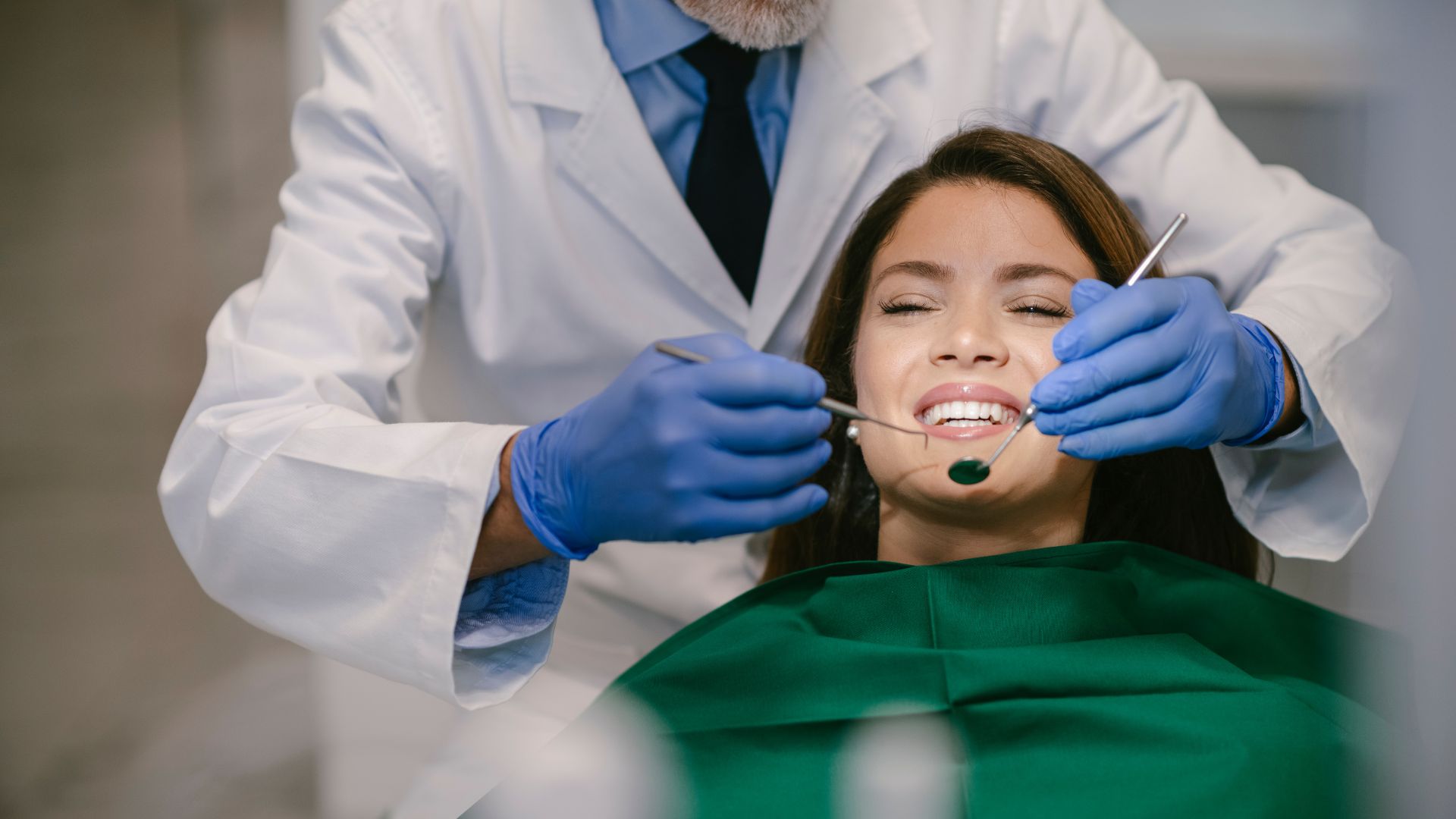
How Westside Aesthetic Dentistry Approaches Deep Dental Cleaning
Westside Aesthetic Dentistry approaches deep dental cleaning in Playa Vista with a focus on clear diagnosis, patient comfort, and healthier gum stability after treatment. Dr. Kaitie Beetner’s Kois-trained perspective supports periodontal care that looks beyond visible buildup by considering pocket depth, bleeding response, tooth support, bite forces, and long-term maintenance needs. Patients are guided through what the findings mean before scaling and root planing begins, so treatment feels understandable rather than intimidating. The goal is to remove deeper bacterial deposits while helping patients understand how to protect their gums between visits.
Deep dental cleaning in Playa Vista should feel thorough, calm, and connected to each patient’s actual gum health needs. Westside Aesthetic Dentistry uses periodontal measurements, clinical evaluation, modern diagnostic tools, and personalized home-care guidance to help patients understand why deeper cleaning may be needed. The practice does not treat gum inflammation like a generic checklist because pocketing, tartar location, sensitivity, and healing response can vary from patient to patient. This approach helps deep cleaning feel more precise, more comfortable, and more useful for long-term oral health.
Periodontal measurements help identify which areas need deeper cleaning and which areas may still be managed with routine preventive care. The dental team measures pocket depths around the teeth, checks for bleeding, and evaluates how gum tissue responds during the exam. These findings help show where bacteria may be collecting below the gumline and where inflammation is more active. Patients can better understand the recommendation when they know exactly which gum areas need closer attention. Clear measurements make treatment planning more specific.
Pocket Depth Readings Around Each Tooth
Pocket depth readings show how closely gum tissue is attached around each tooth. Deeper readings may indicate areas where bacteria, tartar, and inflammation are harder to control with normal home care. Reviewing these numbers helps patients understand why scaling and root planing may be recommended.
Bleeding Points And Gum Tissue Response
Bleeding during measurement can show where gum tissue is actively irritated. These areas may need deeper cleaning, closer maintenance, or improved home-care access after treatment. Tracking tissue response helps guide better periodontal care.
Comfort matters during scaling and root planing because deeper gumline cleaning can feel different from a routine hygiene visit. Westside Aesthetic Dentistry explains each step before treatment begins, including numbing, cleaning depth, expected sensations, and aftercare instructions. Patients may feel pressure, water, vibration, or movement during the appointment, but the visit should be paced with their comfort in mind. This helps treatment feel more manageable for patients who feel nervous about periodontal care. A calmer experience supports better follow-through.
Numbing For Sensitive Gumline Areas
Local anesthetic may be recommended when deeper pocket cleaning could cause sensitivity. Inflamed tissue, exposed root areas, and deeper tartar can make certain areas more reactive during treatment. Numbing helps the dental team clean thoroughly while keeping the patient more comfortable.
Appointment Pacing For Patient Comfort
Scaling and root planing may be completed in sections when needed. This allows the team to focus carefully on affected areas without making the visit feel overwhelming. Thoughtful pacing helps patients feel more in control.
Deep cleaning focuses on removing plaque and tartar from areas beneath the gumline where bacteria continue irritating the tissue. Westside Aesthetic Dentistry explains which areas are being treated, why deeper deposits matter, and how removing them can support a healthier gum response. This education helps patients understand that scaling and root planing is not simply a longer cleaning. The treatment targets specific periodontal pockets where bacteria and hardened buildup are affecting gum stability. Clear explanations make the purpose of treatment easier to understand.
Tartar Attached To Root Surfaces
Tartar can attach firmly to root surfaces below the gumline. These deposits may keep gum tissue inflamed because bacteria remain close to the tooth foundation. Removing root surface buildup helps create a cleaner environment for healing.
Smoother Root Surfaces After Cleaning
Root planing helps smooth affected areas after deeper deposits are removed. Smoother surfaces can make it harder for bacteria to remain attached below the gumline. Cleaner root surfaces support healthier periodontal maintenance.
Follow-up care helps determine how gum tissue responds after scaling and root planing. Westside Aesthetic Dentistry may review pocket depths, bleeding, sensitivity, plaque control, and areas that still need closer monitoring after treatment. Some tenderness or temporary sensitivity can be expected, but symptoms should gradually become easier to manage. These visits help patients understand whether inflammation is improving and whether maintenance timing should be adjusted. Healing should be tracked with care.
Rechecking Pocket Depths After Treatment
Pocket depths may be reviewed after the gums have had time to respond. Improved measurements can show that tissue is becoming easier to maintain around certain teeth. Continued deeper readings may require additional periodontal attention.
Sensitivity And Tenderness Monitoring
Some patients notice temporary tenderness after deeper deposits are removed. The dental team can explain which symptoms are expected and which concerns need follow-up. Monitoring comfort helps patients heal with greater confidence.
Long-term gum stability depends on what happens after deep cleaning is complete. Westside Aesthetic Dentistry gives patients specific guidance for brushing technique, flossing access, interdental tools, cleaning intervals, and areas where buildup may return quickly. This matters because periodontal pockets can become inflamed again when bacteria collect below the gumline. Patients benefit from knowing how to protect treated areas at home and when professional maintenance should continue. Better guidance helps results last longer.
Cleaning Tools For Treated Gum Areas
Some treated areas may need more than standard brushing and flossing. Interdental brushes, specialized flossing techniques, or adjusted brushing angles may improve access around deeper gumline spaces. Matching tools to the mouth makes home care more effective.
Periodontal Maintenance After Scaling And Root Planing
Patients may need more frequent periodontal maintenance after deep cleaning. These visits help control buildup, monitor gum response, and reduce the chance of inflammation returning. Consistent maintenance supports healthier gum stability over time.
Book a Deep Dental Cleaning Appointment With Westside Aesthetic Dentistry Today
Periodontal pockets can keep bacteria trapped beneath the gumline, even when the teeth look clean above the surface. Deep dental cleaning in Playa Vista targets those deeper deposits, so irritated tissue has a better chance to respond to healthier maintenance. Westside Aesthetic Dentistry explains pocket measurements, bleeding areas, root surface buildup, and aftercare expectations before treatment begins. Your care should feel clear, measured, and focused on protecting the foundation around your teeth.
Scaling and root planing can be an important step when routine cleanings no longer reach the areas affecting gum stability. Deep dental cleaning in Playa Vista may help reduce inflammation, improve access for home care, and create a cleaner environment around the tooth roots. Westside Aesthetic Dentistry provides thoughtful periodontal care for patients who want comfort, clarity, and long-term gum support. Call Westside Aesthetic Dentistry at (424) 216-9669 or visit our contact page to schedule your deep cleaning visit today.