
Composite Bonding Versus Porcelain Veneers in Playa Vista
Comparing composite bonding versus porcelain veneers in Playa Vista starts with one honest question. How much change does your smile actually need? Bonding can make a big difference when one front tooth has a small chip, a worn edge, or a narrow space. Veneers may make more sense when several teeth need changes in color, shape, length, and balance.
The better choice depends on enamel, bite pressure, staining, gum health, and how your teeth show when you speak or smile. A patient who drinks coffee daily, clenches at night, or wants a wider smile may need a different plan than someone fixing one uneven edge before an event near Runway Playa Vista or Marina del Rey. At Westside Aesthetic Dentistry, Dr. Kaitie Beetner uses a patient education-first approach, premium materials, clinical photography, and Kois-trained planning to help you compare cosmetic bonding, porcelain veneers, whitening, and other smile design options with less guesswork.
Your smile should look good in photos, feel comfortable when you bite, and still make sense years from now. To talk through composite bonding, porcelain veneers, and the right cosmetic dentistry option for your teeth, call Westside Aesthetic Dentistry at (424) 216-9669.
How Composite Bonding Versus Porcelain Veneers in Playa Vista Compare for Smile Design
At Westside Aesthetic Dentistry, many patients begin researching composite bonding versus porcelain veneers in Playa Vista after noticing a chipped tooth, uneven smile line, stubborn discoloration, or changes that whitening cannot fix. However, the decision involves much more than choosing between two cosmetic procedures. The condition of your enamel, the position of your teeth, your bite forces, and your long-term expectations all influence which treatment may provide the best outcome.
A common mistake is assuming veneers are always the premium option or that bonding is simply a temporary alternative. In reality, each treatment serves a different purpose. The most successful cosmetic dentistry plans start with a detailed evaluation of the patient's smile rather than a predetermined treatment recommendation. A conservative approach often preserves healthy tooth structure while still achieving noticeable cosmetic improvements.
Composite bonding remains one of the most conservative cosmetic dentistry treatments available. Instead of covering the entire front surface of a tooth, bonding allows the dentist to add tooth colored resin only where improvement is needed. This targeted approach makes bonding attractive for patients who want to improve specific concerns without altering otherwise healthy teeth.
Many Playa Vista patients choose cosmetic bonding because they want a natural enhancement rather than a dramatic transformation. Bonding can often be completed in a single visit, making it appealing for busy professionals, students, and individuals preparing for weddings, presentations, or other important events. At Westside Aesthetic Dentistry, patients often appreciate how bonding can improve a smile while preserving healthy enamel.
Bonding Can Repair Localized Tooth Concerns
When a patient chips a front tooth while eating, playing sports, or experiencing minor trauma, the damage often affects only a small portion of the enamel. In these situations, removing healthy tooth structure for a veneer may not be necessary. Composite bonding allows the dentist to rebuild the damaged area while preserving the surrounding enamel.
Similarly, bonding can improve minor spacing issues between front teeth. For example, a patient with a narrow gap between the upper central incisors may achieve a more balanced appearance through carefully placed composite resin rather than orthodontic treatment or veneers. The treatment can also soften sharp corners, restore worn edges, and improve slight asymmetries that become noticeable in photographs.
Why Conservative Treatment Matters
Preserving natural enamel remains one of the most important principles in modern cosmetic dentistry. Healthy enamel cannot regenerate once removed. Therefore, many dentists prefer conservative solutions when they can achieve the patient's goals without unnecessary alteration.
Patients often appreciate knowing they have options that maintain flexibility for future treatment. By preserving more natural tooth structure today, additional cosmetic or restorative procedures may remain available later if needs change.
Bonding May Need More Maintenance
While bonding offers significant advantages, patients should understand its limitations. Composite resin is durable, but it does not behave exactly like natural enamel or porcelain. Over time, staining agents from coffee, tea, red wine, curry, and tobacco can affect the appearance of bonded areas.
Small chips may also occur if patients frequently bite their fingernails, chew ice, open packages with their teeth, or experience untreated teeth grinding. Fortunately, repairs are often straightforward because additional resin can usually be added without replacing the entire restoration.
Understanding Long-Term Bonding Costs
Many patients focus only on the initial treatment fee. However, long-term maintenance deserves equal consideration. A lower upfront investment may still require periodic polishing, refinishing, or repairs over several years.
That does not mean bonding is less valuable. Instead, patients should compare lifetime maintenance expectations alongside immediate costs when evaluating composite bonding versus porcelain veneers in Playa Vista. Westside Aesthetic Dentistry helps patients understand both the short-term and long-term considerations before making a decision.
Porcelain veneers address cosmetic concerns that extend beyond isolated imperfections. Rather than correcting one small flaw, veneers can create consistency across multiple visible teeth. This makes them particularly useful when several cosmetic issues exist simultaneously.
Patients often explore porcelain veneers when they want to improve tooth color, shape, width, length, and overall smile harmony at the same time. In many cases, veneers can accomplish goals that would be difficult or unpredictable using bonding alone.
Veneers Can Create a More Uniform Smile
Natural teeth rarely age at the same rate. One tooth may become darker after trauma. Another may wear down from grinding. Adjacent teeth may vary in shape due to genetics or previous dental work. These differences can create an uneven appearance even when the teeth remain healthy.
Porcelain veneers allow the dentist to design a more cohesive smile by addressing multiple concerns together. Rather than treating each tooth individually, veneers can create continuity across the visible smile zone. This approach often appeals to patients seeking a brighter, more symmetrical appearance.
Smile Design Involves More Than Tooth Color
Many people assume cosmetic dentistry focuses primarily on whitening. In reality, smile design involves proportions, facial balance, lip support, tooth display, and how light reflects from the enamel surface.
For example, two smiles may share the same shade of white yet appear dramatically different because of tooth shape and alignment. Careful planning helps ensure veneers complement facial features rather than appearing artificial or overly uniform.
Veneers Usually Require More Commitment
Unlike bonding, porcelain veneers often require some degree of enamel modification. Although modern techniques may minimize preparation in appropriate cases, veneers generally represent a longer-term commitment.
Patients should understand this distinction before proceeding. Social media trends sometimes promote veneers as a quick cosmetic solution, yet responsible treatment planning requires a thorough evaluation of oral health, bite function, and long-term maintenance needs.
Why Bite Analysis Matters Before Veneers
A beautiful veneer can fail prematurely if excessive bite forces remain unaddressed. Patients who clench or grind their teeth may place significant pressure on cosmetic restorations every day.
Evaluating bite patterns helps identify risks before treatment begins. In some cases, a protective nightguard may become part of the overall treatment plan to help preserve the investment and reduce future complications.
The discussion surrounding composite bonding versus porcelain veneers in Playa Vista often centers on appearance. While aesthetics matter, material science plays an equally important role. The physical properties of composite resin and porcelain influence durability, stain resistance, maintenance requirements, and long-term performance.
Understanding these differences helps patients make informed decisions based on lifestyle and expectations rather than marketing claims. At Westside Aesthetic Dentistry, patients receive guidance that focuses on both cosmetic goals and practical long-term outcomes.
Composite Resin Works Best in Smaller Areas
Composite resin offers remarkable versatility because it can be sculpted directly onto the tooth. This allows precise adjustments during treatment and makes same-day cosmetic improvements possible.
The material performs particularly well when correcting localized concerns. Small chips, edge irregularities, and minor contour adjustments often respond exceptionally well to bonding because the restoration blends into the surrounding enamel.
Direct Sculpting Creates Immediate Results
One advantage of composite bonding is the ability to make refinements during the appointment. The dentist can evaluate shape, contour, and symmetry in real time while building the restoration.
This flexibility often benefits patients seeking subtle cosmetic improvements. Small adjustments can significantly influence how a smile appears without requiring extensive treatment.
Porcelain Can Hold Color More Predictably
Porcelain possesses unique optical properties that contribute to its popularity in cosmetic dentistry. High-quality dental ceramics reflect and transmit light in ways that closely resemble natural enamel.
Porcelain also resists staining more effectively than composite resin. Patients who regularly drink coffee, tea, or red wine often appreciate this feature because it helps the smile keep a more consistent color over time.
Longevity Depends on More Than Material
Although porcelain often lasts longer than bonding, longevity depends heavily on patient habits. Even the strongest ceramic restoration can chip if subjected to excessive force.
Patients who protect their teeth, maintain regular dental visits, and address grinding habits often experience better long-term outcomes regardless of which cosmetic treatment they choose.
The most important factor in cosmetic dentistry is not whether bonding or veneers are objectively better. The real question is which treatment aligns with the patient's goals, oral health, lifestyle, and expectations.
A patient seeking a minor refinement may achieve excellent results with bonding. Another patient pursuing a comprehensive smile makeover may benefit more from veneers. The correct answer varies from person to person. That is why Westside Aesthetic Dentistry takes time to evaluate each smile individually rather than relying on a one-size-fits-all recommendation.
Choose Bonding for Subtle Repairs
Patients who generally like their smile often gravitate toward bonding because it addresses specific concerns without changing the overall appearance. A chipped corner, slight spacing issue, or uneven edge may require only a small enhancement to create a noticeable improvement.
This approach appeals to individuals who want friends and coworkers to notice they look refreshed without immediately identifying dental treatment as the reason.
Ideal Candidates for Cosmetic Bonding
Patients with healthy enamel, stable bites, and isolated cosmetic concerns often make strong bonding candidates. The treatment works particularly well when surrounding teeth already possess attractive color and proportions.
In these situations, bonding can refine details while preserving the natural character of the smile.
Choose Veneers for Smile Redesign
Some cosmetic concerns extend beyond what bonding can realistically accomplish. Significant discoloration, multiple worn teeth, inconsistent shapes, and broader aesthetic goals may require a more comprehensive solution.
Porcelain veneers allow multiple teeth to be redesigned together, creating consistency that can be difficult to achieve through isolated repairs. Patients seeking a brighter, more balanced smile often appreciate the level of customization veneers provide.
Comprehensive Planning Creates Better Results
Successful veneer treatment begins long before any tooth preparation occurs. Careful planning evaluates facial proportions, smile width, tooth display, gum contours, and bite function.
Dr. Kaitie Beetner emphasizes thoughtful cosmetic planning because every smile interacts differently with facial features and oral function. For patients comparing composite bonding versus porcelain veneers in Playa Vista, this individualized approach at Westside Aesthetic Dentistry helps ensure the final result feels natural, comfortable, and appropriate for years to come.
What Costs More Over Time When Comparing Composite Bonding and Porcelain Veneers
Cost matters, but the lowest starting price does not always tell the full story. Many patients researching composite bonding versus porcelain veneers in Playa Vista focus on the initial treatment fee. However, repairs, staining, maintenance needs, and replacement timelines can significantly affect the total investment over time.
At Westside Aesthetic Dentistry, Dr. Kaitie Beetner helps patients evaluate both the short-term and long-term costs of cosmetic dentistry. When comparing composite bonding versus porcelain veneers in Playa Vista, the goal is to choose the option that fits your smile, your habits, and your expectations after treatment.
Composite bonding often has a lower initial cost than porcelain veneers. As a result, many patients choose bonding when they want to repair a small chip, close a minor gap, or improve the shape of a single tooth without committing to a larger cosmetic treatment plan.
This option can work well when the concern is limited to one or two teeth and the surrounding smile already looks healthy. For example, a patient in Playa Vista with a chipped front tooth may achieve an excellent result with bonding while preserving more natural tooth structure.
Smaller Repairs Can Lower Initial Treatment Costs
A bonded repair generally requires less laboratory work and fewer appointments than porcelain veneers. The resin material is applied directly to the tooth and carefully shaped during the visit.
This approach can appeal to patients preparing for a wedding, graduation, professional event, or family photos. Even so, successful bonding still depends on proper color matching, contouring, and bite adjustment to create a natural appearance.
Porcelain veneers typically require a greater upfront investment. The cost reflects detailed planning, custom ceramic fabrication, tooth preparation, and precise placement. Patients should view this investment in the context of their overall smile goals.
Veneers Can Reduce Repeated Small Fixes
Some patients find themselves repairing the same cosmetic issue repeatedly with bonding. A chipped edge may return. A stained area may become noticeable again. Over time, those recurring appointments can add up.
In these situations, porcelain veneers may provide stronger long-term value. Rather than addressing individual concerns separately, veneers can create a more comprehensive smile transformation across several visible teeth.
Custom Ceramics Support Long-Term Appearance
Porcelain is known for its ability to resist staining and maintain a consistent appearance. Daily habits such as drinking coffee, tea, or red wine often affect composite resin more quickly than porcelain.
Patients who want a brighter smile that remains stable for years frequently appreciate this advantage. Even so, veneers still require proper care and protection from excessive biting forces.
The true cost of cosmetic dentistry extends beyond the day the treatment is completed. Composite bonding may require polishing, refinishing, or repairs sooner than porcelain. Meanwhile, porcelain veneers often last longer but may involve higher replacement costs if damage occurs.
For this reason, composite bonding versus porcelain veneers in Playa Vista should be evaluated based on long-term performance rather than initial price alone.
Bonding Repairs Are Often More Flexible
One advantage of bonding is that small repairs can often be completed without replacing the entire restoration. If a minor chip develops, additional resin may be added and polished to restore the appearance.
This flexibility can make bonding attractive for patients seeking conservative cosmetic improvements. However, repeated maintenance visits should still be considered when evaluating overall value.
Veneer Replacement Can Cost More
Porcelain veneers are durable, but they are not permanent. Over time, replacement may become necessary due to wear, fracture, gum changes, or evolving cosmetic goals.
Because veneers are custom fabricated, replacement costs are generally higher than simple bonding repairs. Patients should understand this commitment before moving forward with treatment.
Color stability plays an important role when comparing cosmetic treatments. Composite bonding can produce beautiful results, but it may absorb stains more readily than porcelain over time.
Porcelain veneers generally maintain their appearance more predictably. This benefit often appeals to patients who want a consistently bright smile with fewer cosmetic touch-ups in the future.
Daily Habits Matter More Than Patients Expect
Coffee, tea, red wine, berries, and other highly pigmented foods can influence the appearance of cosmetic dental materials. Composite resin tends to show these effects sooner than porcelain.
In addition, habits such as chewing ice, biting pens, or using teeth as tools can shorten the lifespan of both bonding and veneers. Protecting your investment requires healthy daily habits.
Whitening Does Not Change Dental Materials
Many patients are surprised to learn that whitening treatments only affect natural tooth enamel. Composite resin and porcelain do not respond to whitening products.
As a result, patients considering cosmetic treatment often benefit from whitening before bonding or veneers are placed. This allows Dr. Beetner to match the restorations to the desired tooth shade from the beginning.
The best value is not always the lowest price. Instead, it is the treatment that addresses your concerns effectively while supporting long-term satisfaction. One patient may benefit from a simple bonded repair, while another may achieve better results with porcelain veneers.
At Westside Aesthetic Dentistry, every cosmetic treatment plan is customized around the patient's goals, oral health, and lifestyle. This personalized approach helps patients understand exactly what they are investing in and why.
Bonding May Fit a Shorter-Term Goal
Composite bonding may be ideal for patients seeking a focused cosmetic improvement. It can repair a chipped tooth, refine a tooth shape, or close a small gap without requiring extensive treatment.
For patients who already like most aspects of their smile, bonding can provide a conservative and effective solution.
Veneers May Fit a Larger Smile Investment
Porcelain veneers may be the better choice when multiple teeth require improvement. They can address discoloration, uneven proportions, worn enamel, and smile symmetry within a coordinated treatment plan.
For patients comparing composite bonding versus porcelain veneers in Playa Vista, a consultation with Dr. Kaitie Beetner at Westside Aesthetic Dentistry can provide clarity. By evaluating your smile, bite, goals, and long-term expectations, she can help determine which option offers the strongest value for your unique situation.
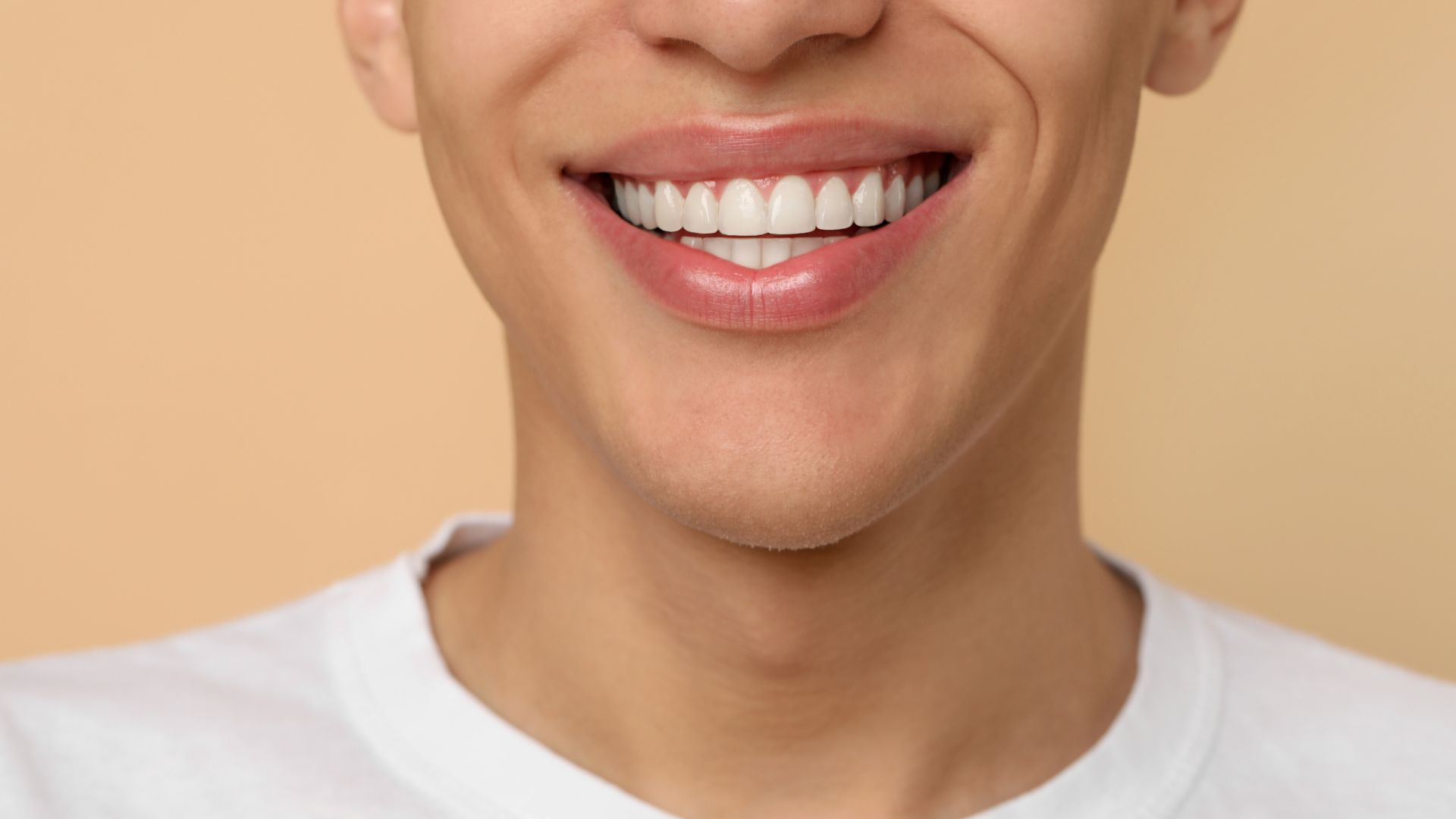
Get Help Comparing Composite Bonding Versus Porcelain Veneers in Playa Vista
Choosing between composite bonding and porcelain veneers should feel clear before you move forward. At Westside Aesthetic Dentistry, Dr. Kaitie Beetner helps patients compare their options with honest guidance, premium materials, and a patient-education-first approach.
If you are comparing composite bonding versus porcelain veneers in Playa Vista, your next step is a personalized cosmetic consultation. Dr. Beetner can evaluate your enamel, bite, tooth color, smile shape, and long-term goals before recommending bonding, veneers, whitening, or another option that fits your teeth.
Call Westside Aesthetic Dentistry at (424) 216-9669 or contact us to schedule your visit and talk through the best cosmetic dentistry option for your smile.