
Veneers for Stained Teeth in Playa Vista
Veneers for stained teeth in Playa Vista are often worth discussing when the discoloration sits deeper than surface stains. Coffee, wine, aging enamel, older dental work, trauma, medication history, and naturally thin enamel can all cause tooth discoloration. Whitening may brighten the outer layer, but it cannot always create an even shade when the stain comes from inside the tooth or when one front tooth looks darker than the others.
This is where cosmetic planning matters. At Westside Aesthetic Dentistry, Dr. Kaitie Beetner does not treat stained teeth like a simple shade change. She evaluates tooth shape, gum symmetry, bite pressure, enamel thickness, facial balance, and how the smile looks in natural expression. Her Kois training supports that bigger-picture approach, which helps patients avoid veneers that look too flat, too bright, or disconnected from the rest of the face.
Playa Vista patients often want dentistry that fits a polished, health-conscious lifestyle without looking overdone. Whether you work near Runway Playa Vista, live off Jefferson Boulevard, or commute through West LA, your smile should feel clean, balanced, and believable in person. To talk through porcelain veneers for discolored teeth with a cosmetic dentist, call Westside Aesthetic Dentistry at (424) 216-9669.
Are Veneers for Stained Teeth in Playa Vista Better Than Whitening
At Westside Aesthetic Dentistry, many patients ask whether veneers for stained teeth in Playa Vista are a better solution than whitening. While both treatments can improve the appearance of discolored teeth, they address different concerns. The best option depends on the cause of the staining, the condition of your teeth, any existing dental work, and the cosmetic result you want to achieve.
Many people assume all stains respond similarly to whitening products. In reality, dentists classify discoloration into different categories because each type reacts differently to treatment. Surface stains from coffee, tea, tobacco, and dark foods often respond well to whitening. Internal discoloration caused by trauma, medication exposure, enamel defects, aging dentin, or previous dental procedures may remain visible even after multiple whitening treatments.
At Westside Aesthetic Dentistry, Dr. Kaitie Beetner evaluates much more than tooth color before recommending treatment. She examines enamel quality, existing restorations, bite function, gum architecture, facial proportions, and smile dynamics. This comprehensive approach helps determine whether whitening can realistically achieve your goals or whether veneers for stained teeth in Playa Vista may provide a more predictable and lasting cosmetic improvement.
Professional whitening remains one of the most conservative cosmetic dental treatments available. Because it preserves natural tooth structure, many patients benefit from exploring whitening before considering more comprehensive cosmetic procedures.
Whitening works by penetrating enamel and breaking apart stain molecules that have accumulated over time. Patients with healthy enamel and relatively uniform discoloration often see noticeable improvements. Yellow-toned staining typically responds better than gray or brown discoloration, which is one reason professional evaluation matters before treatment begins.
Many Playa Vista residents seek whitening before weddings, professional events, family photographs, or career opportunities. When staining is primarily external, whitening can brighten the smile significantly while maintaining the natural characteristics of the teeth.
Surface Stains Often Respond Predictably
Coffee drinkers frequently notice gradual yellowing along the front teeth. Similarly, tea, red wine, dark berries, and tobacco products can leave visible staining on enamel surfaces. These stains generally develop slowly and remain concentrated within the outer layers of the tooth.
Professional whitening treatments often remove or reduce these stains effectively because the discoloration has not penetrated deeply into the tooth structure. Patients with this type of staining frequently achieve a brighter smile without altering tooth shape, size, or contour.
Signs Whitening May Be Enough
Several indicators suggest whitening may provide the desired outcome. Teeth that appear uniformly yellow rather than patchy often respond well. Likewise, patients without extensive crowns, veneers, bonding, or fillings in visible areas may achieve more consistent results.
Another positive sign involves stain history. If your teeth looked noticeably brighter in the past and gradually darkened due to lifestyle habits or aging, whitening may restore much of that lost brightness. During a consultation at Westside Aesthetic Dentistry, Dr. Beetner can evaluate whether your discoloration falls into this category.
Not all stains originate on the enamel surface. Some develop within the tooth itself, making them far more resistant to bleaching agents. This distinction explains why certain patients spend years trying whitening products without achieving meaningful improvement.
Internal discoloration often develops because of changes within the dentin layer beneath the enamel. As people age, dentin naturally darkens and becomes more visible through thinning enamel. Trauma can also trigger internal color changes that leave a tooth looking gray, brown, or noticeably darker than neighboring teeth.
Patients who experienced childhood exposure to certain medications or developmental enamel conditions may also develop discoloration that whitening cannot fully correct. In these situations, the issue extends beyond stain removal because the underlying tooth structure itself contributes to the unwanted color.
Trauma-Related Tooth Discoloration Creates Unique Challenges
Single-tooth discoloration often tells a different story than generalized yellowing. Previous sports injuries, falls, accidents, or dental trauma can alter the internal structure of a tooth. Even when the tooth remains healthy and functional, it may gradually darken over time.
Whitening treatments frequently struggle to create symmetry when only one tooth has experienced internal discoloration. As surrounding teeth become lighter, the darker tooth may become even more noticeable. This scenario often leads patients to explore veneers for stained teeth in Playa Vista or other cosmetic solutions designed to mask the discoloration directly.
Existing Dental Work Can Affect Whitening Results
Another common challenge involves older restorations. Crowns, veneers, composite bonding, and tooth-colored fillings do not whiten like natural enamel. As a result, whitening may create mismatched shades throughout the smile.
For example, a patient may whiten natural teeth successfully while older bonding remains unchanged. The result can be a patchwork appearance that draws attention to previous dental work. In these situations, veneers may provide a more uniform cosmetic outcome because they allow comprehensive shade coordination across visible teeth.
One reason veneers remain popular among cosmetic dentistry patients is their versatility. While whitening focuses exclusively on color, veneers can address multiple concerns simultaneously.
Porcelain veneers cover the front surface of the tooth with a custom-crafted restoration designed to enhance appearance while maintaining a natural look. Beyond masking discoloration, veneers can improve proportions, close small gaps, correct minor asymmetries, and restore worn enamel.
Patients often discover that staining is only one aspect of their cosmetic concerns. Teeth may also appear uneven, chipped, flattened, narrow, or irregularly shaped. Veneers allow these issues to be addressed together rather than treating each concern separately.
Veneers Create Consistency Across The Smile
Natural teeth rarely age at the same rate. One tooth may darken after trauma, while another develops wear along the edge. Existing bonding may discolor differently from surrounding enamel. Over time, these variations can create an uneven appearance.
Porcelain veneers help establish visual harmony by creating consistency in color, translucency, shape, and surface texture. Rather than focusing on a single dark tooth, treatment can improve how the entire smile works together.
Natural-Looking Veneers Depend On Detailed Planning
Many patients worry about veneers appearing unnaturally white or overly artificial. Modern cosmetic dentistry focuses on creating restorations that mimic the optical properties of natural enamel rather than producing a uniform bright white appearance.
At Westside Aesthetic Dentistry, Dr. Beetner carefully evaluates translucency, light reflection, facial proportions, lip position, and smile dynamics during treatment planning. These details influence how veneers appear in daylight, photographs, professional settings, and everyday conversations. The goal is not simply to create whiter teeth. The goal is to create a smile that looks healthy, balanced, and authentic.
The decision ultimately depends on the source of the discoloration and the outcome you hope to achieve. Patients with healthy enamel and surface staining often benefit from whitening because it preserves natural tooth structure while improving brightness.
Patients dealing with deep intrinsic stains, trauma-related discoloration, uneven tooth color, aging restorations, or multiple cosmetic concerns may find that veneers for stained teeth in Playa Vista provide a more comprehensive solution. In many cases, veneers offer greater control over the final appearance because they address both color and form.
A Personalized Evaluation Provides The Clearest Answer
Online photos and whitening advertisements cannot determine which treatment will work best for your smile. Two people with similar-looking discoloration may require completely different approaches based on enamel thickness, restoration history, bite function, and underlying tooth structure.
A thorough cosmetic consultation at Westside Aesthetic Dentistry allows Dr. Beetner to identify the true cause of discoloration and explain realistic treatment options. Instead of relying on trial and error, patients receive recommendations based on clinical findings and long-term cosmetic goals.
Understanding Your Options Before Treatment Matters
Cosmetic dentistry should begin with education, not assumptions. Patients deserve to understand why their teeth appear stained, what whitening can realistically accomplish, and when veneers may provide a better outcome.
By comparing both options carefully, Playa Vista patients can make informed decisions that align with their appearance goals, oral health needs, and long-term expectations. Whether whitening or veneers for stained teeth in Playa Vista proves to be the better choice, the process starts with understanding the source of the discoloration rather than simply treating the symptom.
Can Veneers for Stained Teeth Get Stained Again
Porcelain veneers resist staining far better than natural enamel because the ceramic surface is less porous and less likely to absorb pigments from food and drinks. That advantage is one reason many patients choose veneers for stained teeth in Playa Vista after struggling with discoloration that whitening could not fully correct. When designed and maintained properly, veneers can keep their appearance for many years.
Even so, veneers still require ongoing care. While porcelain itself resists most stains, the edges of the restoration, the bonding material, and the surrounding natural teeth can still be affected by daily habits. At Westside Aesthetic Dentistry, Dr. Kaitie Beetner helps patients understand how maintenance, oral hygiene, and treatment planning influence long-term cosmetic results.
Coffee, tea, red wine, and berries can darken natural enamel over time. Porcelain veneers resist these stains better because their smooth surface makes pigment harder to absorb.
Still, veneers need care. Plaque can collect near the gumline, and discoloration may appear around restoration edges without consistent brushing, flossing, and cleanings.
Natural Teeth Around Veneers Still Change Color
A veneer covers only the visible portion of the treated tooth. Any untreated teeth nearby will continue to respond to aging, dietary habits, smoking, and other factors that influence tooth color. Over time, those natural teeth may appear darker than the veneers.
For this reason, cosmetic planning plays a major role in achieving a balanced result. Dr. Beetner often evaluates whether whitening surrounding teeth before treatment may improve overall harmony. This approach helps create a smile that looks natural both immediately after treatment and years later.
Veneer Edges Need Careful Cleaning
The area where porcelain meets natural tooth structure deserves special attention. Plaque, tartar, and surface discoloration can collect along these margins when brushing and flossing are neglected. Even if the veneer itself remains bright, buildup around the edges can affect the appearance of the smile.
Patients can reduce this risk through consistent home care and regular professional cleanings. Gentle brushing and daily flossing help maintain healthy gums and cleaner restoration margins. In contrast, aggressive brushing may irritate gum tissue and expose more tooth structure near the veneer.
The quality of the porcelain used for veneers influences both appearance and longevity. High-quality materials reflect light more naturally and tend to maintain their color better over time. As a result, patients often achieve a more realistic and durable cosmetic outcome.
At Westside Aesthetic Dentistry, material selection is an important part of treatment planning. Patients seeking veneers for stained teeth in Playa Vista often want a smile that looks bright without appearing artificial. Premium porcelain helps support that goal while maintaining color stability.
Surface Texture Affects Long-Term Brightness
The finish of a veneer affects how easily plaque and pigments accumulate. A highly polished surface generally resists staining more effectively than one with imperfections or roughness. Even small differences in texture can influence how clean a veneer looks over time.
This is one reason cosmetic dentistry requires precision. Careful planning, proper fabrication, and attention to detail all contribute to restorations that maintain their appearance longer and continue to blend naturally with surrounding teeth.
Bite Pressure Can Affect Veneer Edges
Color stability is important, but long-term success also depends on function. Excessive bite pressure can place stress on veneer margins and bonding areas. Habits such as clenching, grinding, chewing ice, or biting hard objects may increase wear over time.
Dr. Beetner's Kois training supports a comprehensive approach that considers both aesthetics and function. By evaluating bite forces before treatment, she helps patients achieve results that not only look attractive but also remain stable for years.
Patients do not need to eliminate every favorite beverage or food after receiving veneers. Instead, healthy habits can help preserve the appearance of the smile. Drinking water after coffee, maintaining a consistent oral hygiene routine, and attending regular dental visits all contribute to long-term success.
Smoking and vaping can increase discoloration around restoration margins and on nearby natural teeth. Similarly, frequent consumption of coffee or red wine without proper cleaning may affect the overall appearance of the smile. Although porcelain resists stains, surrounding tissues and teeth still respond to lifestyle choices.
Cleanings Help Keep Veneers Looking Fresh
Professional cleanings remove plaque and tartar that daily brushing may miss. These visits also allow the dental team to monitor gum health, restoration margins, and bite changes before small concerns become larger problems.
For busy professionals and families throughout Playa Vista and nearby communities, routine maintenance appointments help protect the investment made in cosmetic dentistry. Consistent care often plays a major role in preserving long-term results.
Whitening Products May Create Uneven Color
Whitening products do not change the shade of porcelain veneers for stained teeth in Playa Vista. However, they can lighten nearby natural teeth. As a result, excessive use of whitening strips or other products may create noticeable differences between veneers and untreated teeth.
Before starting any whitening regimen, patients should consult Westside Aesthetic Dentistry. Dr. Beetner can recommend options that support a balanced appearance while helping patients avoid unwanted shade discrepancies.
Porcelain veneers can maintain their appearance for many years when supported by thoughtful planning and proper care. If you are considering veneers for stained teeth in Playa Vista, understanding long-term care is an important part of the decision. Westside Aesthetic Dentistry helps patients evaluate treatment options, protect their investment, and maintain a natural-looking smile that continues to look healthy and vibrant over time.
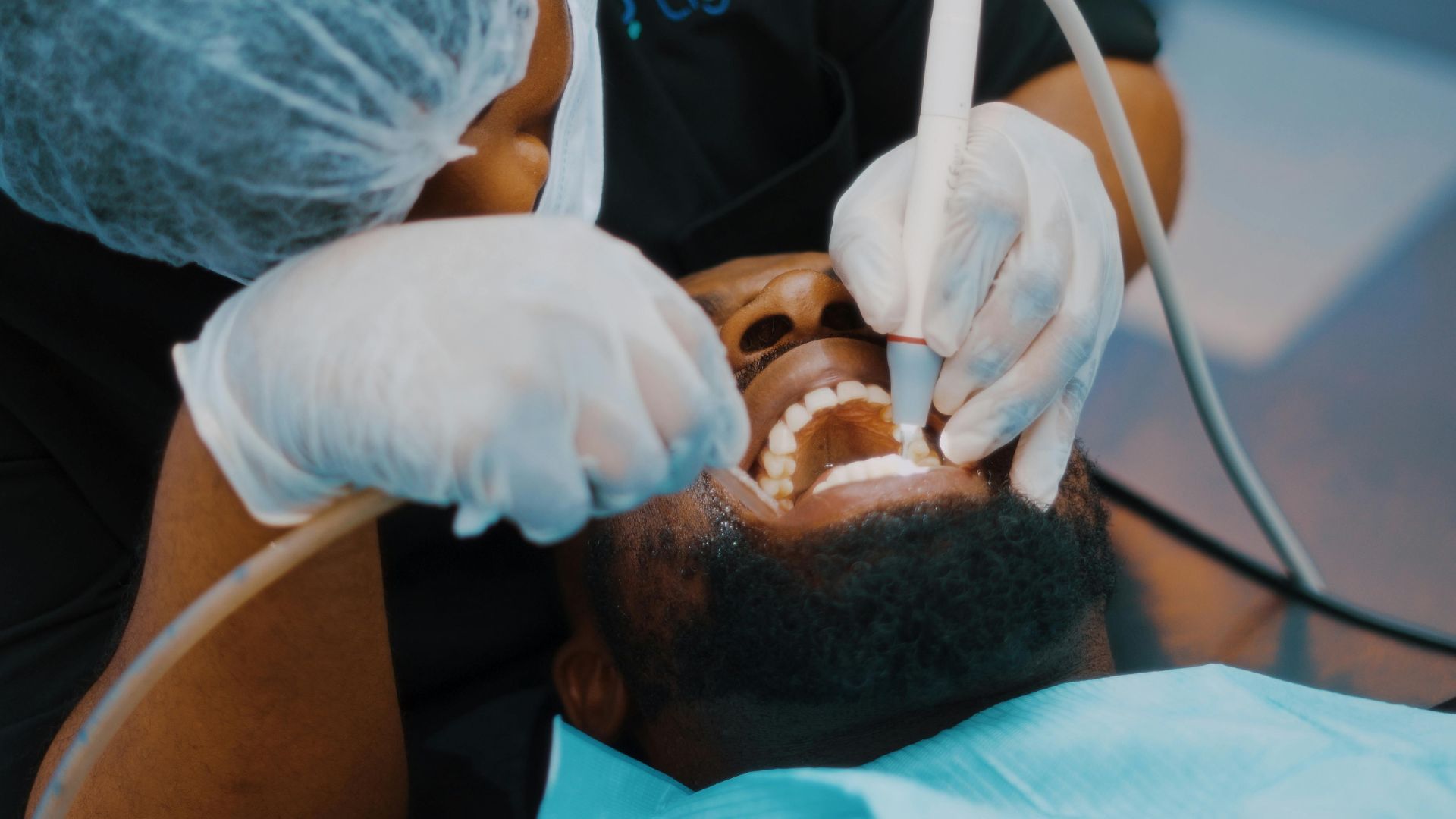
Talk With Westside Aesthetic Dentistry About Veneers for Stained Teeth in Playa Vista
If stained teeth still bother you after whitening, guesswork will not help you choose the right next step. Westside Aesthetic Dentistry can evaluate your enamel, existing dental work, bite, gumline, and smile goals to see whether veneers for stained teeth in Playa Vista make sense for you.
Dr. Kaitie Beetner takes time to explain your options before treatment begins. That means you can compare whitening, porcelain veneers, bonding, and long-term maintenance with clear expectations. To schedule a cosmetic consultation with Westside Aesthetic Dentistry, call (424) 216-9669 or contact us today.