
Teeth Whitening Before Veneers in Playa Vista
Veneers look more seamless when the surrounding natural teeth have the right shade before porcelain color is selected. Teeth whitening before veneers in Playa Vista helps patients establish a brighter baseline so future veneer planning does not depend on stained or uneven enamel. This step can be especially important when veneers will cover only some visible teeth instead of the entire smile. Westside Aesthetic Dentistry evaluates natural tooth color, existing dental work, enamel brightness, and cosmetic goals before guiding patients toward a whitening and veneer sequence. Better shade planning helps the final smile look coordinated rather than patched together.
Teeth whitening before veneers in Playa Vista can help create a more accurate shade reference before veneer materials are chosen and crafted. Dr. Kaitie Beetner brings a detailed, patient-centered approach to cosmetic planning, including education around shade goals, smile balance, and natural-looking results. Dr. Kaitie Beetner’s Kois training supports a broader view of how tooth color, facial features, bite relationships, and long-term function work together during aesthetic care. Call Westside Aesthetic Dentistry at (424) 216-9669 to schedule a visit and discuss whether whitening should happen before your veneers.
What Patients Should Know Before Whitening And Veneer Treatment
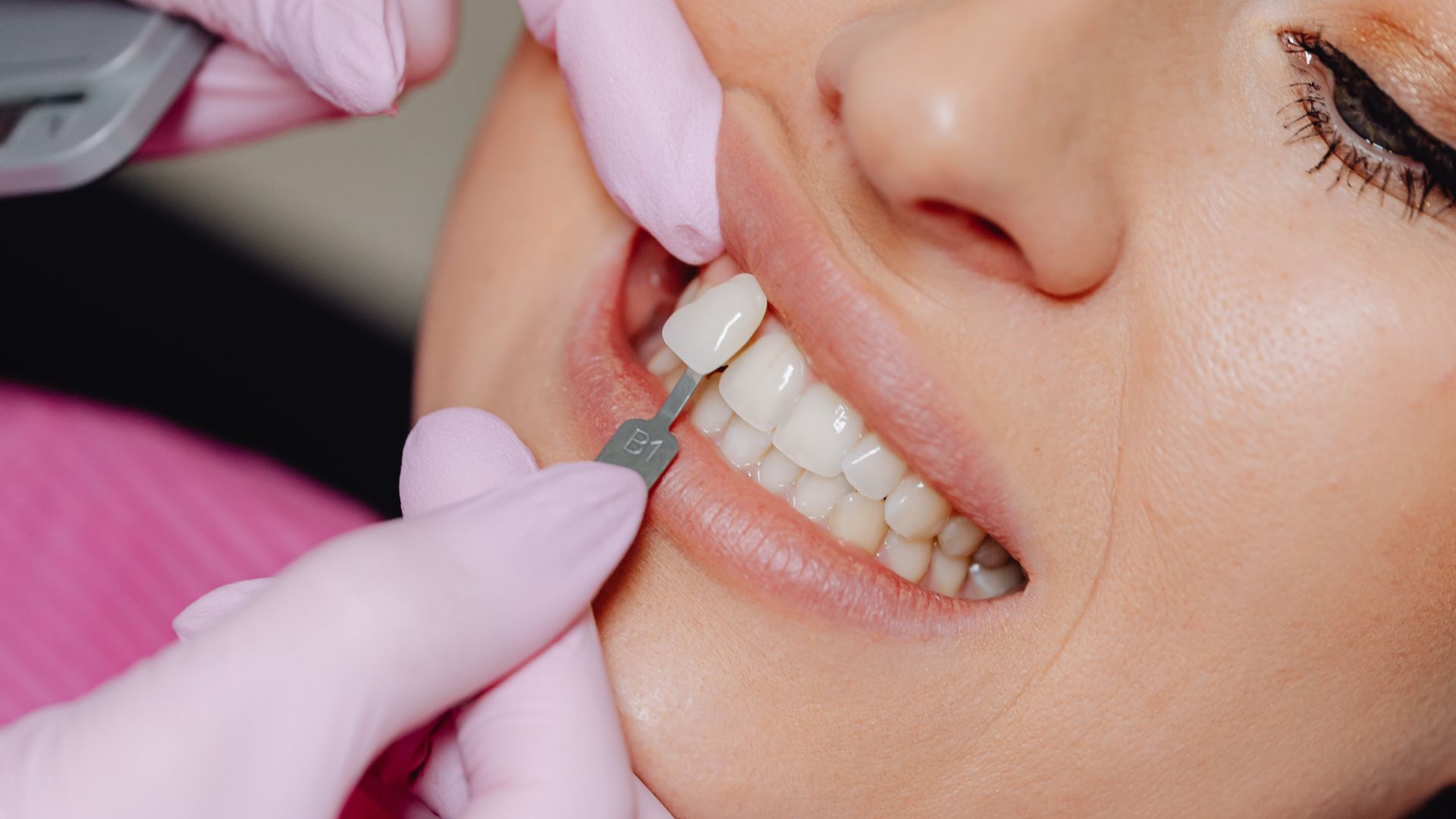
Teeth whitening before veneers in Playa Vista should be discussed before porcelain shade selection begins because veneers are designed to match a planned smile color, not a color chosen after treatment is finished. Natural enamel can brighten with whitening, while porcelain restorations keep the shade selected during the design process. Westside Aesthetic Dentistry evaluates that updated shade before veneer design so porcelain color choices feel coordinated with the patient’s real enamel. When patients whiten first, the dentist can use the updated tooth color as a more accurate reference for veneer planning. This step matters most when veneers will cover only certain front teeth while nearby natural teeth remain visible. Better timing helps the final smile look intentionally designed.
Whitening and veneers also need different expectations because they solve different cosmetic concerns. Whitening can improve discoloration across natural enamel, but veneers can change tooth shape, size, surface texture, edge appearance, and deeper color issues that whitening may not fully correct. Teeth whitening before veneers can help clarify which concerns improve with shade change and which concerns still require porcelain design. A dentist can explain why whitening may come first even when veneers remain part of the larger plan. The sequence helps patients avoid choosing veneer color too early.
Whitening is designed to brighten natural enamel, while veneers are designed to reshape visible tooth surfaces and mask deeper cosmetic concerns. Patients sometimes think whitening and veneers compete with each other, but the two treatments can work together when the sequence is planned correctly. Whitening may improve surrounding natural teeth before veneers are designed for teeth that need stronger cosmetic changes. Veneers may then address chipped edges, uneven shapes, old discoloration, spacing, or surface concerns that whitening cannot correct. Understanding the difference helps patients make clearer cosmetic decisions.
Whitening Changes Color Without Changing Tooth Shape
Whitening can brighten natural enamel without altering the size, contour, or position of the teeth. This makes it useful when the main concern involves stains rather than shape or structural appearance. Patients with well-proportioned teeth may only need whitening before deciding whether veneers are necessary.
Veneers Can Correct Shape And Deep Discoloration
Veneers can improve concerns that whitening cannot change predictably. Porcelain can cover resistant discoloration, worn edges, small gaps, and surface irregularities. This makes veneers a stronger option when color improvement alone cannot create the desired smile.
Porcelain veneers are crafted in a selected shade that does not lighten later with whitening products. If a patient whitens after veneers are placed, the surrounding natural teeth may become brighter while the porcelain stays the same color. That difference can create a mismatch around the smile, especially when veneers sit beside untreated natural teeth. Planning whitening first gives the dentist a stable shade target before porcelain design begins. Teeth whitening before veneers helps reduce avoidable color problems later.
Veneers Keep The Shade Selected During Design
Porcelain shade remains stable after placement because whitening materials do not change ceramic color. This makes the initial shade decision especially important for long-term smile balance. Patients should understand that veneer color needs to be planned around the desired final tooth shade.
Natural Teeth Can Brighten Around Porcelain
Natural teeth may respond to whitening even after veneers are already in place. If those teeth brighten later, porcelain restorations may look darker by comparison. Whitening first helps avoid a final smile with uneven color relationships.
Partial veneer cases require especially careful planning because some visible teeth will receive porcelain while others will remain natural. A shade mismatch can become more noticeable when veneers sit directly next to untreated enamel. Whitening before the veneer design stage can help natural teeth reach a brighter target before porcelain is matched. This planning supports a more blended transition between restored teeth and natural teeth. Teeth whitening before veneers in Playa Vista can be valuable when the full smile will not receive veneers.
Front Teeth Show Small Color Differences Clearly
Front teeth reveal subtle shade differences during speech, smiling, and close-up photography. Even a small mismatch can draw attention when porcelain and natural enamel sit side by side. Planning shade before veneer fabrication helps protect the most visible part of the smile.
Smile Width Affects Which Teeth Need Matching
Smile width influences how many teeth show during natural expression. Patients with broader smiles may reveal more side teeth that need shade coordination. Evaluating smile width helps determine where whitening, veneers, or both may be needed.
Whitening should happen early enough to let the shade stabilize before porcelain color decisions are finalized. Teeth can look slightly different immediately after whitening because hydration, lighting, and enamel characteristics may affect the first impression. A dentist can recommend an appropriate timeline so veneer shade selection reflects a more settled tooth color. This timing helps the lab and clinical team design porcelain that blends with the patient’s updated smile. Careful scheduling protects the final cosmetic outcome.
Shade Stabilization Helps Porcelain Matching
Tooth shade can appear brighter immediately after whitening than it may look later. Allowing shade to stabilize gives the dentist a more dependable color reference. This step helps porcelain veneers blend more naturally with nearby teeth.
Treatment Sequencing Prevents Rushed Decisions
Rushing from whitening into veneer shade selection can make color planning less predictable. A coordinated sequence gives patients time to review brightness before final decisions are made. This approach helps the veneer process feel more organized and confident.
Why Whitening Natural Teeth First Improves Veneer Shade Matching
Teeth whitening before veneers in Playa Vista helps establish the final color of the surrounding enamel before porcelain is selected. This matters because veneer shade should be chosen from the smile the patient plans to keep, not from teeth that still carry removable discoloration. When natural teeth are whitened first, the dentist can compare porcelain options against a cleaner and more stable shade reference. This step becomes especially valuable when veneers will cover only the upper front teeth while nearby lower teeth, side teeth, or opposing teeth remain natural. Shade matching works better when the untreated enamel has already reached its intended brightness.
Veneer planning also depends on how tooth color appears in motion, under different lighting, and beside the patient’s lips and gums. Teeth whitening before veneers can reveal whether the patient prefers a soft natural lift or a brighter cosmetic shade before porcelain design begins. A dentist can then guide veneer color with more precision because the surrounding teeth no longer create uncertainty around the final smile color. This sequence also helps patients avoid choosing porcelain that looks appealing at first but later feels too dark once natural enamel is brightened. Better sequencing creates a more coordinated cosmetic result.
Natural enamel gives the dentist an important shade reference when veneers will not cover every visible tooth. Once whitening is complete, the updated enamel shade helps guide porcelain color selection more accurately. This reference can include lower teeth, side teeth, and any front teeth that will remain untouched. Without that information, porcelain may be chosen against a darker shade that does not reflect the patient’s final cosmetic goal. Teeth whitening before veneers in Playa Vista helps create a cleaner starting point for color planning.
Lower Teeth Can Influence Upper Veneer Shade
Lower teeth often show during speech, laughter, and relaxed facial movement. If upper veneers are much brighter than lower natural teeth, the difference can look more noticeable in conversation. Whitening lower teeth first can help the full smile appear more balanced.
Side Teeth Need Coordinated Color Planning
Side teeth may show when patients smile broadly or speak naturally. Their shade can affect how seamless front veneers appear from different angles. Evaluating these teeth before porcelain selection helps prevent obvious color transitions.
Porcelain veneers are custom selected, so the chosen shade should reflect the patient’s final whitening goal. If natural teeth are still stained during veneer planning, the porcelain may be matched to a color the patient does not actually want long-term. Whitening first gives the patient a clearer sense of how bright the surrounding enamel can become. That information helps the dentist avoid porcelain that feels too warm, too bright, or disconnected from the rest of the smile. Veneer color should be planned around the completed shade direction.
Porcelain Does Not Change With Whitening Later
Porcelain keeps the color selected when the veneer is made. Whitening products can brighten natural teeth, but they do not lighten ceramic restorations. This difference makes the whitening sequence important before porcelain shade decisions become final.
Final Shade Choices Need Stable Enamel
Freshly whitened teeth may need time before their shade appears consistent. A stable enamel color gives the dentist and patient a more dependable reference. This timing helps porcelain blend with the smile more naturally.
Partial veneer treatment needs precise shade planning because porcelain and natural enamel will sit close together. A small mismatch can become visible when treated and untreated teeth meet near the smile line. Whitening first helps bring the natural teeth closer to the patient’s preferred final color before the porcelain is designed. This can reduce the risk of veneers looking separate from the surrounding smile. Teeth whitening before veneers in Playa Vista is especially useful when the treatment plan includes only selected teeth.
Adjacent Teeth Can Reveal Small Mismatches
Adjacent teeth create the strongest comparison point for veneer color. If a veneer sits beside natural enamel that remains darker, the transition can draw attention. Matching works best when those neighboring teeth have already been whitened.
Smile Line Visibility Changes Shade Needs
Each patient shows different teeth when smiling, speaking, or laughing. A broader smile may reveal more natural enamel beside porcelain veneers. Reviewing smile line visibility helps determine how much whitening should happen first.
Some patients realize after veneer placement that they would have preferred a brighter overall smile. That problem becomes harder to solve once porcelain has already been created. Whitening first allows the patient to test a brighter natural enamel shade before committing to veneer color. A dentist can then design porcelain around a shade goal that feels more confident and complete. Better planning reduces the chance of second-guessing the final result.
Patients Can Preview A Brighter Baseline
Whitening gives patients a better sense of how their natural teeth look with less discoloration. That brighter baseline can make veneer shade decisions feel more informed. Patients can choose porcelain with more confidence after seeing that change.
Early Planning Protects Long-Term Satisfaction
Veneers are a long-term cosmetic decision that deserves careful color planning. Choosing shade too early can create disappointment when surrounding enamel changes later. Early whitening helps the entire veneer plan feel more dependable.
How Westside Aesthetic Dentistry Coordinates Whitening And Veneer Design
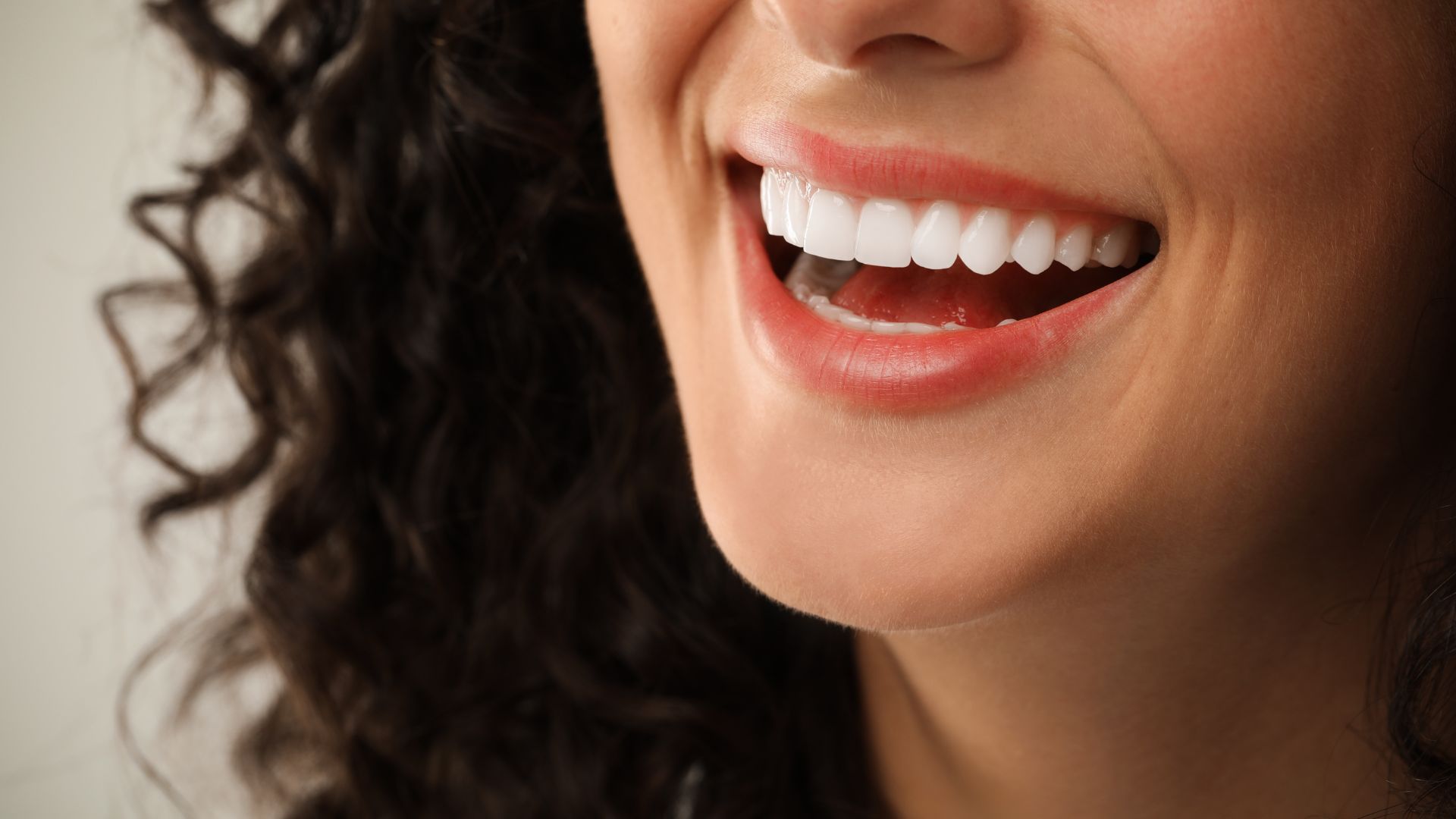
Westside Aesthetic Dentistry coordinates whitening and veneer planning so porcelain shade decisions reflect the patient’s intended final smile, not the color of enamel before cosmetic treatment begins. Dr. Kaitie Beetner evaluates which teeth will receive veneers, which natural teeth will remain visible, and how whitening may change the shade relationship across the smile. Teeth whitening before veneers can help create a cleaner baseline before porcelain color, translucency, and brightness are selected. This planning matters because veneer shade should blend with nearby enamel during speech, photos, and everyday facial movement. A coordinated sequence helps the final result look designed with purpose.
Dr. Beetner’s Kois training supports a more complete cosmetic process because veneer planning involves more than choosing a whiter shade. Tooth proportion, edge position, enamel character, bite function, lip movement, and long-term maintenance all influence how veneers should look and feel. Clinical photography and digital evaluation can help patients see shade differences, smile width, and visible tooth zones before treatment decisions become final. Teeth whitening before veneers in Playa Vista should feel organized from the first cosmetic conversation through the final porcelain design. A thoughtful plan helps patients understand every step before committing.
Coordinated planning helps whitening and veneers work together instead of competing for attention within the same smile. Dr. Beetner can identify which natural teeth need whitening before porcelain shade selection and which teeth need veneer coverage for shape, size, or deeper discoloration concerns. This distinction helps patients avoid using veneers to solve stains that whitening may improve more conservatively. It also helps prevent porcelain from being matched to enamel that may later become brighter. Teeth whitening before veneers gives the cosmetic plan a more accurate color foundation.
Natural Teeth Remaining Visible Need Shade Review
Natural teeth that remain outside the veneer plan still influence the final cosmetic result. Lower teeth, side teeth, and untreated front teeth may all show during normal expression. Reviewing their shade before veneer design helps porcelain blend more smoothly.
Porcelain Brightness Needs A Realistic Reference
Porcelain shade should be chosen after the surrounding enamel reaches a more stable color. A realistic reference helps prevent veneers from looking too bright or too warm. This step gives the final smile better visual continuity.
Clinical photography gives patients and the dental team a clearer view of tooth color than casual mirrors or phone images can provide. Photos can show how enamel looks under controlled lighting, where stains remain after whitening, and which teeth appear most visible during smiling. Dr. Beetner can use these details to explain why certain veneer shades may look more natural than others. This visual information makes the design conversation more specific and easier to understand. Better images support better cosmetic choices.
Smile Width Can Change Veneer Planning
Smile width affects how many natural teeth appear beside planned veneers. Patients with broader smiles may need more attention to side tooth shade before porcelain is created. Evaluating smile width helps prevent color gaps at the edges of the smile.
Tooth Translucency Affects Porcelain Selection
Natural enamel often shows translucency near edges and thinner areas. Porcelain selection should account for that detail so veneers avoid looking flat. Matching translucency helps porcelain appear more lifelike beside natural teeth.
Kois-trained cosmetic planning considers how tooth color fits within a larger system of function, facial balance, and long-term oral health. Dr. Beetner can evaluate whitening and veneers with attention to bite forces, tooth position, enamel condition, and the patient’s desired appearance. This matters because veneers should not only look attractive on the day they are placed. They also need to support comfortable function and maintainable results over time. A broader planning process creates cosmetic dentistry that feels more responsible.
Bite Function Influences Veneer Longevity
Bite forces can affect how veneers handle daily chewing, speaking, and jaw movement. Planning should account for those forces before porcelain shape and edge length are finalized. Functional review helps protect the cosmetic result after placement.
Tooth Position Shapes Cosmetic Design Choices
Tooth position can influence whether whitening, veneers, or another treatment sequence makes the most sense. Rotated, crowded, or unevenly positioned teeth may affect how porcelain thickness and shade appear. Evaluating position early helps the design feel more precise.
Westside Aesthetic Dentistry does not cut corners on materials because porcelain quality, shade detail, and preparation precision influence the final appearance. Veneers should reflect light in a way that complements natural enamel instead of creating a flat, opaque look. Premium materials can help support lifelike brightness, subtle translucency, and a more refined surface appearance. Teeth whitening before veneers helps those material choices align with the final shade of surrounding enamel. Careful material selection makes the smile look brighter without looking manufactured.
Porcelain Quality Affects Light Reflection
High-quality porcelain can reflect and transmit light more naturally than lower-quality materials. This matters when veneers sit next to natural enamel that still shows during speech. Better optical properties help the restored teeth blend more convincingly.
No Shortcut Care Supports A Better Finish
Cosmetic details depend on preparation, material selection, shade communication, and final refinement. Rushed planning can make veneers look mismatched, bulky, or overly opaque. A no-shortcut process helps the final smile feel polished and cohesive.
Learn More About Teeth Whitening Before Veneers in Playa Vista at Westside Aesthetic Dentistry
Teeth whitening before veneers in Playa Vista helps establish the color of the natural enamel first, so porcelain is not matched to stains that the patient never planned to keep. Westside Aesthetic Dentistry reviews which teeth will stay natural, which teeth may receive veneers, and how lower or side teeth may show during normal speech and smiling. Dr. Kaitie Beetner uses that information to guide porcelain shade planning around the full visible smile, rather than only the teeth being restored.
A stronger veneer plan starts before the lab selects the porcelain color. Teeth whitening before veneers may help prevent new veneers from looking too bright against darker natural enamel. Call Westside Aesthetic Dentistry at (424) 216-9669 or visit our contact page to schedule an appointment today.