
Dental Crowns in Playa Vista
A damaged tooth can change the way you chew, smile, and trust that part of your mouth during the day. Dental crowns in Playa Vista can protect a weakened tooth while restoring a more natural shape, comfortable bite, and healthier appearance. At Westside Aesthetic Dentistry, crown recommendations are explained with clarity so patients understand why the tooth may need coverage and how the final restoration should function. The goal is to rebuild strength without making the tooth look or feel separate from the rest of the smile.
Some teeth need more than a filling when cracks, large old restorations, deep decay, heavy wear, or structural loss leave the remaining tooth vulnerable. A crown can help distribute chewing pressure more safely while improving the visible surface of the tooth. Dr. Kaitie Beetner’s Kois-trained approach supports careful planning around bite forces, material quality, tooth structure, and long-term comfort. Call Westside Aesthetic Dentistry at (424) 216-9669 to schedule dental crowns in Playa Vista today.
When Dental Crowns in Playa Vista May Be Recommended
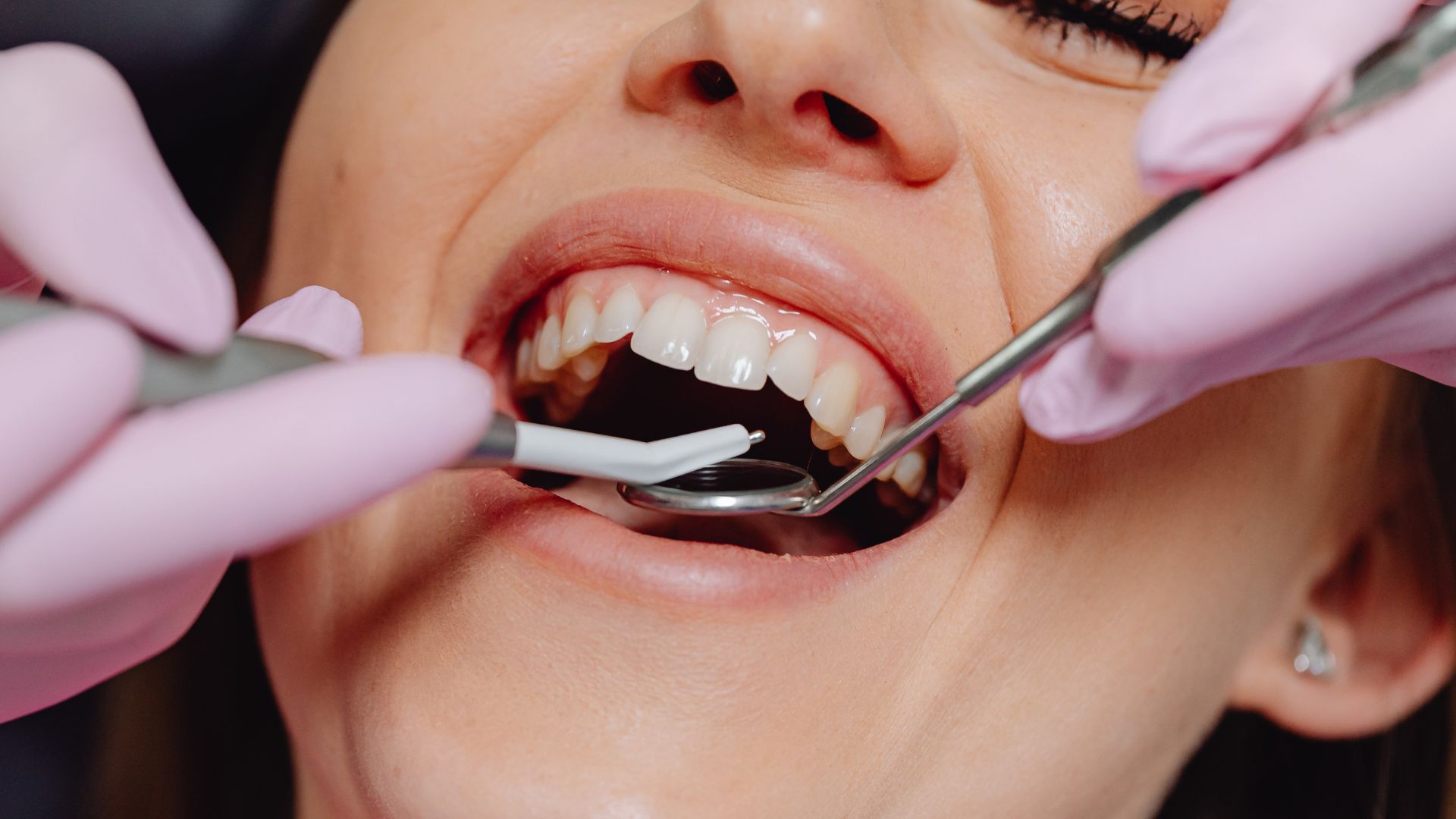
Dental crowns in Playa Vista may be recommended when a tooth needs more support than a filling can provide. A crown covers and protects the visible portion of the tooth, which can help when cracks, deep decay, large fillings, heavy wear, or structural weakness make the tooth more vulnerable during chewing. The purpose is not only to repair damage, but to help the tooth function more safely inside the bite. A well-planned crown can restore strength while keeping the smile looking natural and balanced. Westside Aesthetic Dentistry is here for all of your dental needs.
A tooth may still feel manageable even when the structure has become too weak for a smaller repair. Patients may notice chewing sensitivity, rough edges, dark areas around old fillings, repeated fractures, or a tooth that feels less dependable than it used to. Dental crowns in Playa Vista can help protect teeth that need stronger coverage before damage becomes more complicated. Earlier evaluation can make the treatment conversation feel clearer, calmer, and more informed.
A large filling can protect a tooth for years, but it may leave less natural structure available as time passes. When more filling than tooth remains, the tooth may become more likely to crack, flex, or break under normal chewing pressure. A dental crown may be recommended when the remaining structure needs full coverage instead of another filling. This helps protect the tooth from forces that a smaller repair may not handle well. Stronger coverage can make chewing feel more dependable.
Older Fillings Can Weaken Over Time
Older fillings may develop worn edges, small gaps, or fractures around the surrounding tooth structure. These changes can allow pressure, bacteria, or moisture to affect the tooth more easily. Evaluating older fillings helps determine whether a crown would provide better protection.
Crown Coverage Can Reduce Fracture Risk
A crown can help hold weakened tooth structure together during daily chewing. This matters when the tooth has already lost significant support from decay, wear, or older repairs. Better coverage can lower the chance of further breakage.
A cracked tooth may cause sharp chewing pain, temperature sensitivity, or discomfort that appears only when pressure hits the tooth at a certain angle. Some cracks are difficult to see without a dental evaluation, but symptoms can still affect meals and daily comfort. A crown may help protect the tooth by covering the weakened structure and reducing movement along the crack. Treatment planning depends on crack depth, symptoms, tooth condition, and whether the nerve is involved. Early evaluation can protect more tooth structure.
Cracks Can Spread Under Pressure
Chewing forces can make a crack deepen or extend through the tooth over time. A tooth may feel fine between meals but hurt when pressure separates the cracked area. Crown protection can help reduce that stress when the tooth is still restorable.
Symptoms Should Not Be Ignored
Recurring pain during chewing can suggest that the tooth needs more support. Sensitivity, soreness, or repeated discomfort around one tooth deserves a closer look. A timely exam can prevent guesswork about the cause.
Teeth can wear down when grinding, clenching, or uneven bite pressure places repeated force on enamel. Over time, the tooth may become shorter, flatter, sensitive, or more vulnerable to cracks. A crown may be recommended when wear has removed enough structure that the tooth needs stronger protection. The treatment plan should also consider bite forces so the crown can function comfortably after placement. Durable restoration starts with understanding pressure.
Bite Pressure Can Affect Crown Planning
Bite forces influence how a crown should be shaped, fitted, and material-selected. A patient who clenches or grinds may need additional planning to protect the restoration. Evaluating pressure patterns helps the crown perform more reliably.
Worn Teeth Need Stable Support
A worn tooth may need coverage when enamel loss affects strength or comfort. Crown treatment can rebuild shape while helping protect the remaining tooth. Stability matters when daily pressure continues.
Deep decay can remove enough tooth structure that a filling may not provide lasting support. When decay affects a larger portion of the tooth, a crown may be needed after the damaged area is cleaned and rebuilt. This approach helps protect the remaining tooth while restoring a stronger chewing surface. The dentist may also evaluate whether the nerve is healthy before recommending the final restoration. A crown can help preserve a compromised tooth.
Decay Can Leave Teeth Vulnerable
A tooth affected by deeper decay may lose strength even after the damaged area is removed. Thin walls, missing cusps, or weakened enamel can make the tooth harder to restore with a filling alone. Crown coverage can provide more complete protection.
Strong Repairs Support Daily Function
A crown should help the tooth handle chewing, speaking, and daily oral care more comfortably. The fit, contour, and material choice all influence how natural the restoration feels. A well-planned repair can make the tooth feel more dependable.
How Dental Crowns Restore Strength, Comfort, And Appearance
Dental crowns in Playa Vista can restore a damaged tooth by rebuilding the part of the tooth that needs stronger coverage. A crown can improve chewing support, protect weakened structure, and recreate a more natural tooth shape after decay, cracks, wear, or older dental work has changed the tooth. The restoration should feel stable during daily function while also blending with the surrounding smile. When strength, comfort, and appearance are planned together, crown treatment can feel more complete and reassuring.
A dental crown should not feel like a bulky cover placed over a tooth without careful design. The shape, bite fit, material, shade, and edge detail all influence how the crown looks and performs over time. Dental crowns in Playa Vista can help patients regain confidence in a tooth that previously felt fragile, sensitive, or visually distracting. A thoughtful crown should support the tooth while helping the full smile feel more balanced.
A crown can give a weakened tooth better protection during normal chewing, speaking, and daily oral function. When natural tooth structure has been reduced by decay, fracture, grinding, or older repairs, the remaining tooth may need more support than a filling can provide. A crown surrounds the visible tooth structure so pressure can be distributed more safely across the restoration and the tooth underneath. This helps the tooth feel less vulnerable during meals, especially when chewing firmer foods or using the tooth repeatedly throughout the day. Stronger coverage can make chewing feel more comfortable.
Chewing Pressure Needs Better Support
Chewing pressure can place significant force on a damaged or weakened tooth during normal meals. When the tooth no longer has enough natural structure, that pressure may increase the risk of cracks, fractures, or further breakdown. Crown coverage helps support the tooth during repeated daily use while helping pressure move more evenly.
Better Support Can Protect The Tooth
A crown can help protect a tooth that has lost strength from wear, decay, cracks, or older dental work. This support can reduce movement in weakened areas during chewing and help the tooth feel more stable. Better protection helps the tooth feel more dependable during everyday function.
A crown should restore the shape of the tooth without making it look oversized, flat, bulky, or mismatched. Tooth shape affects chewing, speech, smile balance, and the way the restoration blends with nearby natural teeth. The crown should be designed to match the tooth’s role in the mouth, including its height, contour, chewing surface, and contact with surrounding teeth. Careful shaping can help the restoration feel less noticeable during daily use while still improving the tooth’s appearance. Good design supports both appearance and function.
Tooth Contour Affects The Final Result
The contour of a crown influences how it looks, feels, and functions inside the mouth after placement. A crown that is too bulky, too flat, or poorly shaped may feel distracting during chewing, brushing, or speaking. Careful shaping helps the restoration feel more natural and easier to maintain.
The Crown Should Blend Quietly
A well-designed crown should not draw attention when the patient smiles, speaks, or chews. Shade, shape, polish, proportion, and edge detail all influence how seamlessly the crown blends with nearby teeth. The best restoration feels visually integrated and comfortable inside the smile.
A crown must fit the bite carefully so it does not feel high, uneven, or uncomfortable during chewing. Even a small bite imbalance can make the tooth feel tender or cause the restoration to receive too much pressure. Crown planning should consider how the upper and lower teeth meet during normal jaw movement, not only how the crown looks when the mouth is still. This helps the final restoration feel comfortable during meals, speech, brushing, and everyday function. A balanced bite makes the crown easier to trust.
A High Bite Can Cause Soreness
A crown that contacts too heavily may create soreness, pressure, or tenderness when chewing. Patients may notice the tooth feels different from nearby teeth after treatment, especially when biting down. Adjusting bite contact helps improve comfort and reduces unnecessary stress on the restoration.
Bite Balance Supports Longevity
Balanced bite pressure helps protect both the crown and the tooth underneath during daily use. When pressure is spread more evenly, the restoration can function more comfortably and predictably. Proper bite fit supports longer-lasting crown results and improved patient comfort.
Crown material affects the restoration’s appearance, durability, comfort, and ability to blend with nearby teeth. Some materials may be chosen for strength in back teeth, while others may offer more natural translucency and shade detail in visible areas. The right choice depends on tooth location, bite forces, cosmetic goals, gumline position, and the condition of the remaining tooth. Material planning matters because a crown must function every day while still looking natural inside the smile. Better materials can create a more lifelike result.
Material Choice Depends On Tooth Location
A back tooth may need more strength because it handles heavier chewing forces throughout the day. A front tooth may need more attention to translucency, shade, edge detail, and natural appearance. Choosing material by location helps the crown meet the tooth’s specific functional and cosmetic needs.
Quality Materials Improve Confidence
A crown made with quality materials can feel smooth, stable, and natural during daily use. Shade matching, polish, contour, and strength can also make the restoration look more refined inside the smile. Strong materials help patients feel more confident in both appearance and function.

Why Patients Choose Westside Aesthetic Dentistry For Dental Crowns
Westside Aesthetic Dentistry approaches dental crowns in Playa Vista with a focus on strength, comfort, natural appearance, and patient understanding. Dr. Kaitie Beetner’s Kois-trained approach brings deeper planning to crown treatment by evaluating tooth structure, bite forces, material needs, and long-term stability together. The practice uses modern tools, clear explanations, and careful recommendations so patients understand why a crown may be needed and how the restoration should function. This helps crown treatment feel thoughtful instead of rushed or unclear.
A crown should protect the tooth while still feeling like it belongs in the smile. Westside Aesthetic Dentistry does not cut corners on materials because fit, strength, polish, shade, and contour all affect how the final restoration looks and feels. Dental crowns in Playa Vista should be planned with the same attention to health and aesthetics, especially when the tooth shows during smiling or speaking. Patients receive care that respects comfort, durability, and natural-looking results.
Dr. Beetner’s Kois-trained background supports a more complete view of crown treatment because a damaged tooth rarely exists in isolation. Tooth structure, chewing pressure, bite balance, enamel wear, existing restorations, and patient comfort can all influence how a crown should be planned. This perspective helps patients understand why crown design involves more than simply covering the tooth. A well-planned crown should protect the remaining structure while supporting how the mouth functions every day. Long-term stability begins with better diagnosis.
Bite Forces Shape Crown Recommendations
Chewing forces can affect how a crown is designed, shaped, and material-selected for lasting comfort. A tooth exposed to grinding, clenching, or uneven pressure may need a more carefully planned restoration. Evaluating bite forces helps reduce avoidable stress on the crown and tooth.
Stability Depends On The Full Tooth
A crown performs best when the remaining tooth structure can support it properly. Cracks, decay, large fillings, and worn enamel can all affect the final plan. Understanding the full tooth helps treatment feel more predictable.
Modern dental tools can make crown planning easier to understand before treatment begins. Intraoral scanning and clinical photography can help show cracks, worn edges, old restorations, tooth shape, and bite-related concerns more clearly. These visuals give patients more context when discussing why a crown may be recommended instead of a filling or another repair. Seeing the tooth can make the decision feel less abstract and more grounded in real information. Clear visuals support clearer choices.
Images Make Tooth Damage Easier To See
Clinical images can show details that may be difficult to understand from symptoms alone. A crack, failing filling, dark margin, or worn surface may become clearer when viewed directly. Visual information helps patients connect the recommendation to the tooth’s condition.
Scanning Adds Helpful Design Context
Digital scans can show tooth shape, spacing, bite contact, and surrounding structures with more detail. This information can help guide crown design, fit, and comfort. Better context supports a restoration that feels more natural.
Material quality matters because crowns must handle daily chewing while still blending with the surrounding smile. Westside Aesthetic Dentistry treats crown materials as part of the final work product because shade depth, translucency, durability, fit, and polish all influence the patient’s experience. A crown should not look flat, bulky, mismatched, or separate from nearby teeth. Material selection should reflect tooth location, bite demands, cosmetic goals, and long-term comfort. Better materials help crowns look more lifelike.
Shade Matching Supports Smile Harmony
A crown should match nearby teeth in color, brightness, translucency, and surface character. This matters especially when the crown appears in a visible part of the smile. Careful shade matching helps the restoration blend more quietly.
Strength Should Not Sacrifice Appearance
A crown needs durability, but it should also look natural inside the smile. Material planning can balance chewing strength with the aesthetic qualities patients value. The best crown supports both function and beauty.
Patients deserve to understand why a crown is being recommended before treatment starts. Westside Aesthetic Dentistry explains the tooth condition, available options, material considerations, bite concerns, and what the crown is meant to protect. This helps patients compare a crown with other possible treatments when appropriate. Education also reduces uncertainty by showing how the restoration fits into long-term oral health. Informed patients can choose care with more confidence.
Clear Explanations Reduce Treatment Uncertainty
A crown can feel like a major decision when patients do not understand the reason behind it. Clear explanations help separate structural needs from cosmetic preferences and optional improvements. Better understanding makes treatment feel more manageable.
Patients Should Understand Their Options
Some teeth need crowns, while others may still qualify for smaller repairs. The right recommendation depends on remaining tooth structure, symptoms, and long-term risk. Understanding those options helps patients feel respected.
Crown treatment should feel calm, organized, and respectful of the patient’s comfort from the first conversation through final placement. Westside Aesthetic Dentistry takes time to explain each step so patients know what to expect during preparation, temporary protection, and final crown delivery. The fit, bite, texture, and shape are all important because a crown should feel comfortable during daily routines. Patients should be able to ask questions throughout the process without feeling rushed. A comfortable visit creates a better overall experience.
Temporary Crowns Need Clear Guidance
A temporary crown helps protect the tooth while the final restoration is being prepared. Patients should understand how to chew, clean, and care for the temporary restoration. Clear guidance helps reduce avoidable discomfort between visits.
Final Fit Should Feel Comfortable
The final crown should feel smooth, stable, and natural when biting, speaking, and brushing. Bite adjustments may be needed so the restoration works comfortably with nearby teeth. Careful finishing helps the crown feel integrated.
Schedule Dental Crowns in Playa Vista With Westside Aesthetic Dentistry
A tooth that feels fragile can make normal chewing, smiling, and daily routines feel less predictable. Dental crowns in Playa Vista can rebuild damaged tooth structure with a restoration designed for strength, comfort, and a natural appearance. Westside Aesthetic Dentistry plans crown treatment around fit, bite, material quality, and the way the tooth belongs within the full smile. The right dental crown should help the tooth feel protected without making the restoration stand out.
Repairing a compromised tooth can also bring peace of mind when older dental work, cracks, decay, or wear have made the tooth harder to trust. Dental crowns in Playa Vista may help preserve function while improving the visible shape and stability of the tooth. Westside Aesthetic Dentistry offers careful, education-centered care for patients who want aesthetic dentistry. Call Westside Aesthetic Dentistry at (424) 216-9669 or visit our contact page to schedule your dental crown visit today.