
Teeth Whitening for Stained Teeth in Playa Vista
Teeth whitening for stained teeth in Playa Vista gives patients a professional way to address visible discoloration from coffee, tea, wine, sauces, aging, and everyday enamel changes. Before whitening begins, the type of stain should be identified because surface discoloration and deeper tooth color do not always respond the same way. Westside Aesthetic Dentistry helps patients understand what whitening can realistically improve before choosing treatment. That educational approach keeps the process grounded in tooth health, comfort, and natural-looking brightness.
Playa Vista teeth whitening for stained teeth can refresh the smile when discoloration affects natural enamel and the shade goal still fits the patient’s features. Dr. Kaitie Beetner evaluates stain patterns, enamel condition, sensitivity history, and existing restorations before recommending a whitening approach. Patients receive direct, practical information about what may brighten well and what may need a different cosmetic solution. Call Westside Aesthetic Dentistry at (424) 216-9669 to schedule a visit regarding teeth whitening for stained teeth in Playa Vista.
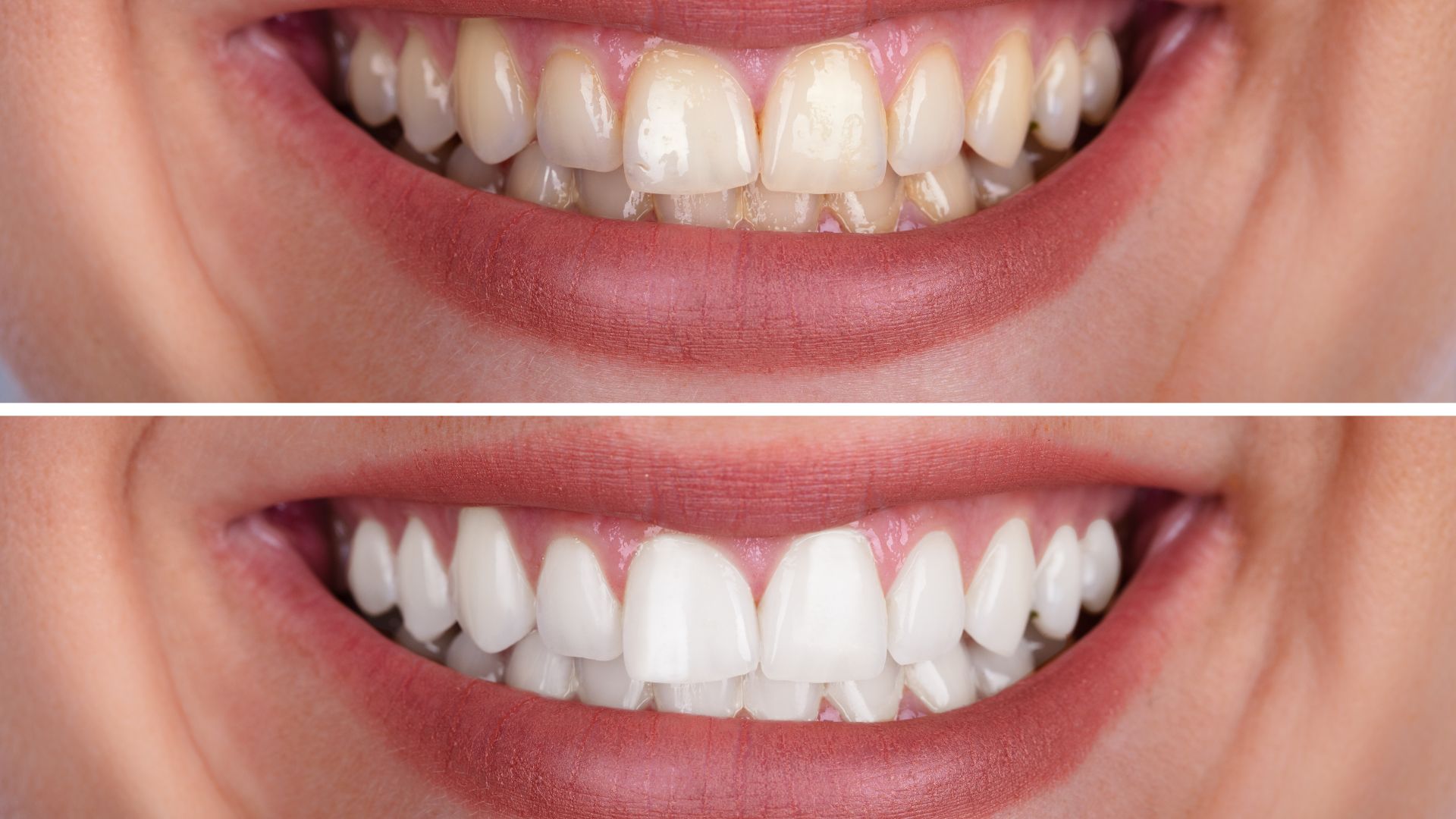
How Smile Discoloration Is Evaluated Before Teeth Whitening Treatment
Teeth whitening for stained teeth in Playa Vista should begin with a closer look at where discoloration sits, how long it has been present, and how evenly it appears across the smile. Some stains develop from foods and drinks that leave pigment on enamel, while other color changes come from aging, tooth structure, medication history, or older dental treatment. A professional evaluation helps separate stains that are likely to brighten from shade concerns that may need a different cosmetic plan. Westside Aesthetic Dentistry gives patients a more informed whitening experience by explaining these differences before treatment begins. Strong whitening decisions start with identifying the source of discoloration.
The evaluation also considers how the stained teeth appear during normal smiling, speaking, and facial movement. Teeth whitening for stained teeth in Playa Vista can be most effective when the dentist understands which teeth show most, which stains draw attention, and which areas may respond unevenly. Front teeth, gumline areas, textured enamel, and spaces between teeth can all collect or reveal stains differently. Existing crowns, veneers, fillings, and bonding must also be reviewed because those materials will not whiten like natural enamel. A careful evaluation helps patients avoid unrealistic expectations and choose a path that fits their actual smile.
Surface stains usually come from daily contact with coffee, tea, red wine, dark sauces, berries, or tobacco exposure, and they often affect the outer enamel first. Internal discoloration can involve deeper tooth structure, which may make the shade appear yellow, gray, brown, or uneven despite consistent brushing. A dental evaluation helps identify whether the visible color sits mostly on the enamel surface or comes from inside the tooth. This difference matters because surface stains may respond more predictably than discoloration connected to trauma, medications, or natural dentin color. Teeth whitening for stained teeth in Playa Vista works best when the stain source shapes the treatment expectation.
Coffee, Tea, And Wine Stains Collect On Enamel Texture
Coffee, tea, and wine pigments can cling to tiny surface irregularities that regular brushing may not fully smooth away. These stains can gradually make the smile look warmer, duller, or less reflective during normal conversation. Professional evaluation helps determine whether enamel-surface staining is the main reason the teeth look darker.
Gray Or Brown Tones May Need Closer Review
Gray or brown tooth tones can signal deeper discoloration that whitening may not lift evenly. These shades may come from trauma, developmental changes, older dental treatment, or internal tooth color. A closer review helps patients understand when whitening alone may not create the intended result.
Stains near the gumline can change the way teeth appear because darker edges can make the smile look less clean even when the teeth are healthy. These areas may collect pigment more noticeably when enamel texture, recession, plaque retention, or exposed root surfaces affect the tooth border. A dentist can evaluate whether gumline discoloration comes from removable stain, root exposure, buildup, or material changes around existing restorations. This detail matters because whitening materials may brighten enamel differently than exposed root surfaces or dental work. A precise evaluation helps protect comfort while addressing the most visible discoloration.
Root Exposure Can Change Whitening Response
Exposed root surfaces do not have the same enamel covering as the visible crowns of teeth. These areas may look darker and feel more sensitive during whitening discussions. Identifying root exposure early helps patients understand comfort limits and likely shade differences.
Stains Between Teeth Need Targeted Attention
Discoloration between teeth can make the smile look uneven because narrow spaces catch pigment and shadows. These areas may need cleaning, polishing, or specific whitening guidance before results can look balanced. Evaluating interproximal staining helps the treatment plan address details patients notice in photos.
Crowns, veneers, bonding, and tooth-colored fillings can create important limitations during whitening because restorative materials keep their original shade. When natural enamel brightens, older dental work may appear darker, warmer, or more visible than it did before treatment. A dentist can identify these restorations before whitening so patients understand how the final smile may look afterward. This review becomes especially important when restorations appear on front teeth or near the smile line. Whitening decisions feel more predictable when existing dental work gets evaluated first.
Bonding Can Stand Out After Enamel Brightens
Bonding may match the current tooth shade before whitening begins. Once surrounding enamel becomes brighter, that bonding can look more yellow or dull by comparison. Planning ahead helps patients decide whether restoration updates may be needed later.
Front Tooth Crowns Need Shade Coordination
Front tooth crowns do not change color with whitening materials. If nearby natural teeth brighten, the crown may no longer blend as smoothly. Shade coordination helps patients avoid uneven color across the most visible teeth.
Sensitivity history gives important information before treating stained teeth because whitening can affect patients differently depending on enamel wear, recession, and prior reactions. Some patients already notice sensitivity from cold drinks, brushing near the gumline, or past whitening products. A dentist can evaluate these concerns before choosing whitening strength, timing, or comfort-focused recommendations. Teeth whitening for stained teeth in Playa Vista should account for comfort as much as visible brightness. A safer whitening plan starts by listening to how the teeth already feel.
Previous Whitening Sensitivity Should Guide Treatment
Patients who experienced sensitivity during past whitening may need a more measured approach. Product strength, treatment length, and preparation steps can all influence comfort during care. Discussing previous reactions helps prevent the same uncomfortable pattern from repeating.
Worn Enamel Can Affect Comfort Levels
Worn enamel may allow temperature changes and whitening materials to feel sharper than expected. Thin edges, brushing abrasion, or bite-related wear can all influence sensitivity risk. Evaluating enamel condition helps match whitening choices to the patient’s comfort needs.
How Whitening Responds To Everyday And Deeper Tooth Stains
Everyday stains usually build slowly as pigments from coffee, tea, wine, sauces, and highly colored foods settle into enamel texture. These stains can make teeth look dull because they change how light reflects from the outer tooth surface. Teeth whitening for stained teeth in Playa Vista may improve this type of discoloration when the stains sit within areas that whitening materials can safely reach. Patients often notice the smile looks cleaner and more even when surface-level staining begins to lift. A professional evaluation helps connect the whitening approach to the way stains actually behave.
Deeper stains require more careful planning because they may come from aging, enamel thickness, older trauma, medication history, or the natural color beneath enamel. Whitening may still brighten the smile, although deeper discoloration may not lift as quickly or evenly as surface stains. Teeth whitening for stained teeth in Playa Vista should be discussed with realistic expectations when internal color changes influence the visible shade. A dentist can explain when whitening is likely to help and when another cosmetic option may create a smoother result. Better outcomes begin with knowing which stains whitening can truly improve.
Daily staining habits can gradually change enamel brightness even when patients brush consistently and maintain healthy teeth. Coffee, tea, red wine, dark berries, tomato sauces, and certain spices can leave pigments that settle into microscopic surface texture. These stains may become more noticeable across front teeth because those surfaces show during speech, smiling, and photos. Whitening can help when discoloration comes from pigments that have collected within treatable enamel areas. Understanding the source of daily stains makes whitening expectations more realistic.
Coffee And Tea Stains Can Build Gradually
Coffee and tea stains usually develop slowly, which makes the change easy to miss at first. Pigments can settle across the front teeth and create a warmer overall shade. Whitening may help brighten these stains when enamel remains healthy enough for treatment.
Dark Foods Can Leave Visible Surface Pigment
Dark foods can contribute to visible staining when pigments remain on enamel texture after meals. Sauces, berries, and deeply colored spices may affect teeth that already have surface roughness. Professional guidance helps patients understand which habits may dull their whitening results.
Deeper stains can respond differently because they may involve tooth structure beneath the outer enamel surface. Age-related color changes, older trauma, and naturally warmer dentin can influence how much brightness whitening can create. Some teeth may improve while still keeping a warmer undertone that cannot be completely erased. A dentist can explain why deeper stains may need patience, alternative planning, or a different cosmetic treatment. Realistic shade goals prevent whitening from feeling disappointing.
Internal Color Can Limit Whitening Results
Internal tooth color can influence the final shade even after surface stains improve. Whitening may brighten the smile without fully changing the deeper tone beneath enamel. Patients benefit from knowing this limitation before treatment begins.
Trauma-Related Stains Need Careful Evaluation
A tooth darkened by past trauma may not whiten like the surrounding teeth. Internal discoloration can develop differently than stains from foods or drinks. Careful evaluation helps determine whether whitening alone can create enough improvement.
Enamel texture can affect how stains collect, how teeth reflect light, and how whitening materials interact with visible surfaces. Teeth with small grooves, rough areas, worn edges, or uneven surfaces may hold pigment more easily than smoother enamel. These details can make staining look patchy, especially near biting edges or between teeth. Professional whitening planning considers texture because even stain removal depends on more than product strength. Smooth, clean enamel usually supports a more balanced cosmetic result.
Grooves Can Hold Pigment Between Teeth
Small grooves and tight spaces can trap pigment where brushing may not reach consistently. These areas can look darker because stains collect beside natural shadows. Evaluating these spaces helps identify where whitening may need extra support.
Worn Edges Can Affect Final Brightness
Worn edges may reflect light differently after whitening because enamel thickness can vary there. These areas may appear more translucent, warmer, or less even than thicker enamel. A dentist can account for those differences during shade planning.
Whitening can improve many stains, but some discoloration may need additional cosmetic support for a more even final appearance. Old bonding, visible fillings, crowns, veneers, trauma-related color, and enamel defects can limit what whitening alone can change. Patients may still choose whitening first when natural enamel needs brightening before future cosmetic work. A dentist can explain when bonding, veneers, or restoration replacement may provide a better match after whitening. The strongest plan treats whitening as one part of a larger smile decision.
Old Dental Work Does Not Whiten Naturally
Crowns, veneers, fillings, and bonding keep their original color during whitening. Brightening nearby enamel can make older dental work look more noticeable. Planning ahead helps patients avoid unexpected color differences after treatment.
Cosmetic Options Can Improve Uneven Stains
Some uneven stains respond better when whitening is combined with other cosmetic care. Bonding or veneers may cover areas that whitening cannot brighten predictably. A complete plan helps stained teeth look more consistent.
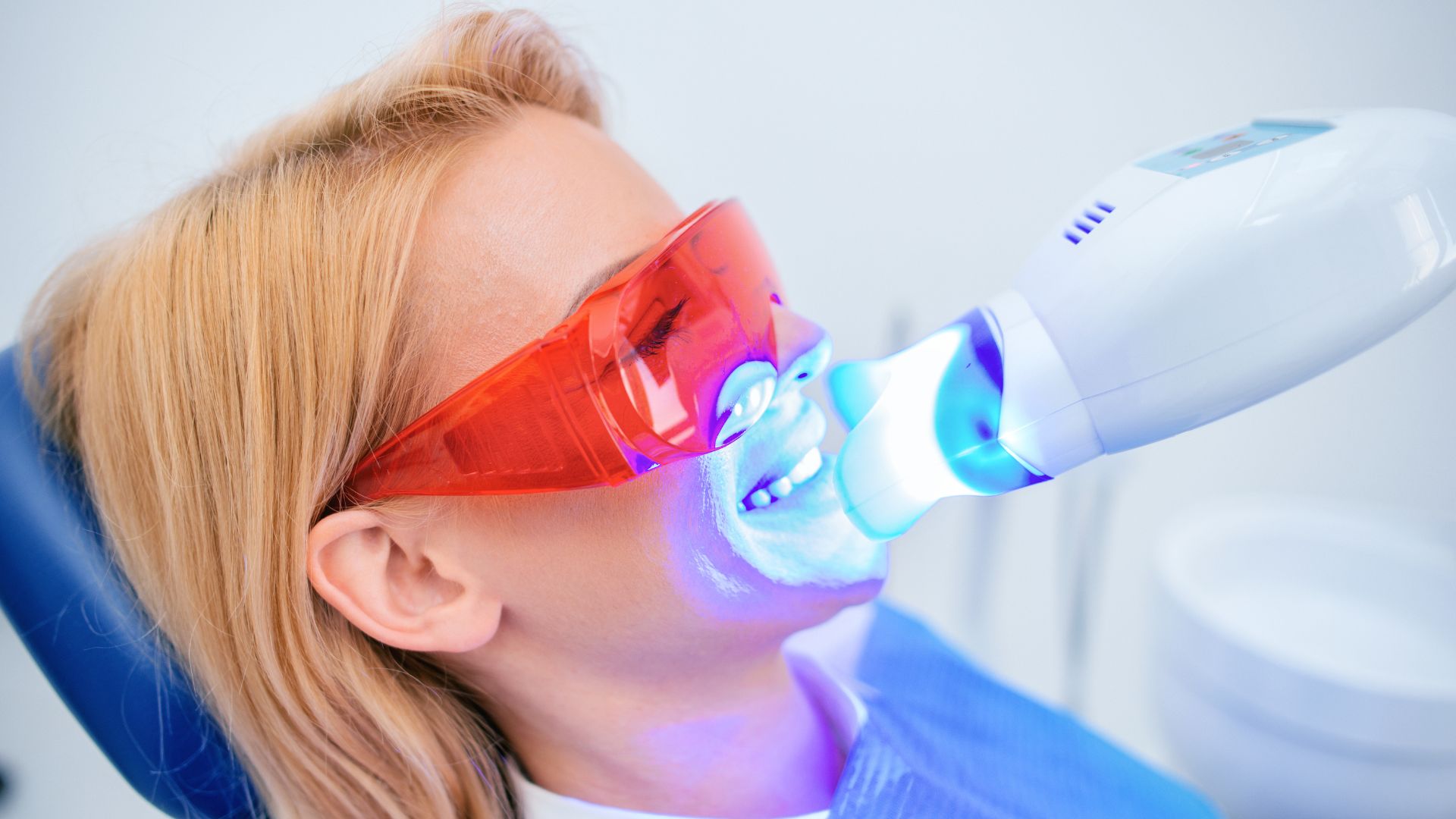
How Westside Aesthetic Dentistry Personalizes Whitening For Stained Teeth
Westside Aesthetic Dentistry personalizes whitening by looking at the full story behind the stains rather than treating discoloration as one simple cosmetic concern. Some patients have staining from daily coffee or tea habits, while others have deeper shade changes related to enamel thickness, aging, older dental work, or past dental trauma. Dr. Kaitie Beetner evaluates where discoloration appears, how the teeth respond to light, and whether the shade pattern looks consistent across the smile. Teeth whitening for stained teeth in Playa Vista becomes more predictable when the treatment plan begins with this level of detail. Patients receive information that helps them understand what whitening can improve before treatment begins.
This patient-centered approach also protects the natural appearance of the smile because stain removal should not make teeth look flat, chalky, or disconnected from surrounding features. Dr. Beetner’s Kois training supports a more complete view of cosmetic care, including how tooth color, enamel structure, bite function, and long-term dental health work together. Clinical photography and intraoral scanning may help patients see stain patterns, texture changes, and visible dental work with more clarity before choosing treatment. Teeth whitening for stained teeth in Playa Vista should feel educational, comfortable, and specific to the patient’s actual smile. Better planning creates brighter results that still look natural.
Personalized whitening begins by identifying where stains collect across the visible teeth, especially near the gumline, between teeth, and along textured enamel. These details matter because uneven stain patterns can make one part of the smile appear darker than another, even when overall tooth health remains strong. Dr. Beetner can explain how surface pigment, internal shade, older restorations, and enamel wear may each influence the final result. Teeth whitening for stained teeth in Playa Vista works best when those differences guide the treatment plan from the beginning. Stain mapping helps patients understand the reason behind their discoloration.
Gumline and Between-Tooth Stains Need Separate Review
Gumline stains can come from pigment, root exposure, plaque retention, or changes around existing dental work. Stains between teeth may appear darker because tight spaces collect color and create natural shadows. Reviewing each area separately helps the whitening plan address the most visible concerns.
Front Teeth Deserve Extra Shade Attention
Front teeth shape the smile’s appearance during speech, photos, and normal facial movement. Even small shade differences can become noticeable when these teeth sit near the center of the smile. Careful front tooth evaluation helps whitening look balanced across the most visible area.
Natural tooth character includes translucency, enamel texture, edge shape, and the small variations that keep a smile from looking artificial. Whitening should reduce distracting stains without erasing the visual depth that makes teeth look real. Dr. Beetner helps patients choose shade goals that brighten discoloration while respecting those natural details. This matters because teeth that become too opaque or overly white can look less refined than teeth with balanced brightness. The strongest whitening result keeps the smile recognizable while making it cleaner.
Translucent Edges Can Change Brightness Perception
Translucent tooth edges can appear darker or grayer after whitening if the shade goal becomes too aggressive. These areas reflect light differently because the enamel is thinner near the biting surface. Recognizing translucency early helps patients choose a more believable whitening target.
Enamel Texture Affects How Light Reflects
Textured enamel can hold stain differently than smoother enamel surfaces. It can also make brightness appear uneven under direct light or close photography. Evaluating texture helps patients understand why whitening results may vary across different teeth.
Westside Aesthetic Dentistry does not cut corners on materials because comfort and consistency depend on the details behind the appointment. Whitening products, isolation techniques, preparation steps, and aftercare recommendations all influence how patients feel during and after treatment. Patients with sensitivity, gum recession, or worn enamel may need a more thoughtful approach than a generic whitening schedule. Teeth whitening for stained teeth in Playa Vista should support cosmetic improvement without ignoring how the teeth already feel. Premium care helps the process feel safer and more controlled.
Sensitive Areas Should Be Identified Early
Sensitive areas can appear near exposed roots, worn edges, or enamel that has become thinner over time. Identifying these areas before whitening helps shape product selection and treatment timing. Early comfort planning reduces the chance of unnecessary irritation during care.
Better Materials Improve The Care Experience
Higher-quality materials can help the whitening visit feel more consistent and carefully managed. Product selection should reflect the patient’s enamel condition, staining pattern, and sensitivity history. Thoughtful material choices support comfort while helping stains brighten more predictably.
Whitening stained teeth can sometimes serve as the first step before additional cosmetic dentistry, especially when older restorations or uneven tooth color affect the smile. Natural enamel usually needs to reach the desired shade before bonding, veneers, or replacement fillings are matched. Dr. Beetner can explain whether whitening alone may create enough improvement or whether another option may eventually complete the result. This sequencing helps patients avoid mismatched shades after cosmetic work begins. A personalized whitening plan keeps future smile decisions organized.
Whitening First Helps Restoration Matching
Natural teeth should usually be whitened before visible restorations are updated. Once enamel reaches a brighter shade, new materials can be selected to blend more accurately. This order helps avoid restorations that look too dark after whitening.
Uneven Stains May Need A Combined Plan
Some stains cannot be corrected completely with whitening alone. Bonding, veneers, or restoration replacement may create a smoother appearance when discoloration sits too deeply. A combined plan helps patients understand every available path.
Book an Appointment With Westside Aesthetic Dentistry Today for Teeth Whitening for Stained Teeth
Teeth whitening for stained teeth in Playa Vista helps identify whether discoloration comes from coffee, tea, wine, aging enamel, older bonding, or deeper tooth color. Westside Aesthetic Dentistry evaluates those details before treatment so patients understand which stains may brighten and which areas may need another cosmetic approach. Dr. Kaitie Beetner plans whitening around visible stain location, sensitivity risk, existing dental work, and a shade goal that still fits the patient’s natural smile.
A whitening visit should answer practical questions about stain source, expected shade change, comfort, and aftercare before treatment begins. Teeth whitening for stained teeth in Playa Vista may be especially helpful when natural enamel has become dull from daily habits or gradual discoloration. Call Westside Aesthetic Dentistry at (424) 216-9669 or visit our contact page to schedule a visit regarding teeth whitening for stained teeth.