Refined Dental Care for Naturally Confident Del Rey Smiles

What Aesthetic Dentistry in Del Rey Can Help Improve

Aesthetic Dentistry in Del Rey

Aesthetic dentistry in Del Rey can help patients bring more intention to the way their smile looks, feels, and supports daily confidence. A smile may need a brighter shade, smoother edges, healthier gums, updated dental work, or a more balanced relationship with the face. At Westside Aesthetic Dentistry, each conversation begins with what the patient wants to understand, improve, preserve, and feel more confident about over time. The experience is designed for people who want dental care that feels educational, health-conscious, and genuinely personal.

Del Rey patients often look for aesthetic dental care that does not feel artificial or disconnected from their overall well-being. Aesthetic dentistry in Del Rey may include whitening, bonding, veneers, hygiene care, restorative dentistry, dental Botox, laser treatment, airway evaluation, and other services that support a healthier-looking smile. Dr. Kaitie Beetner’s Kois-trained approach adds depth to planning by considering tooth structure, bite function, facial balance, material quality, and lasting comfort together. Call Westside Aesthetic Dentistry at (424) 216-9669 to schedule aesthetic dentistry in Del Rey today.

Where Aesthetic Dentistry in Del Rey Can Make A Meaningful Difference

Aesthetic dentistry in Del Rey can make a meaningful difference when patients want their smile to look more polished while still feeling healthy, comfortable, and true to their natural features. The right care may involve brightening enamel, reshaping worn edges, improving visible restorations, strengthening weakened teeth, refreshing gum health, or softening facial tension around the smile. Westside Aesthetic Dentistry connects these details through personalized planning, so aesthetic care feels coordinated rather than pieced together. A well-planned dental strategy can help patients understand which improvements may create the greatest change without making the smile feel overdone.

Different patients notice different details when they look at their smile in photos, conversations, or everyday routines. Aesthetic dentistry in Del Rey can support someone who wants subtle improvement, a more refined smile line, better tooth balance, or a healthier-looking foundation before considering cosmetic treatment. The goal is to match each recommendation to the specific part of the smile that affects appearance, comfort, or confidence most. When the plan feels personal, dental care becomes easier to understand and more connected to real life.

Tooth Color That Looks Less Vibrant Than Expected

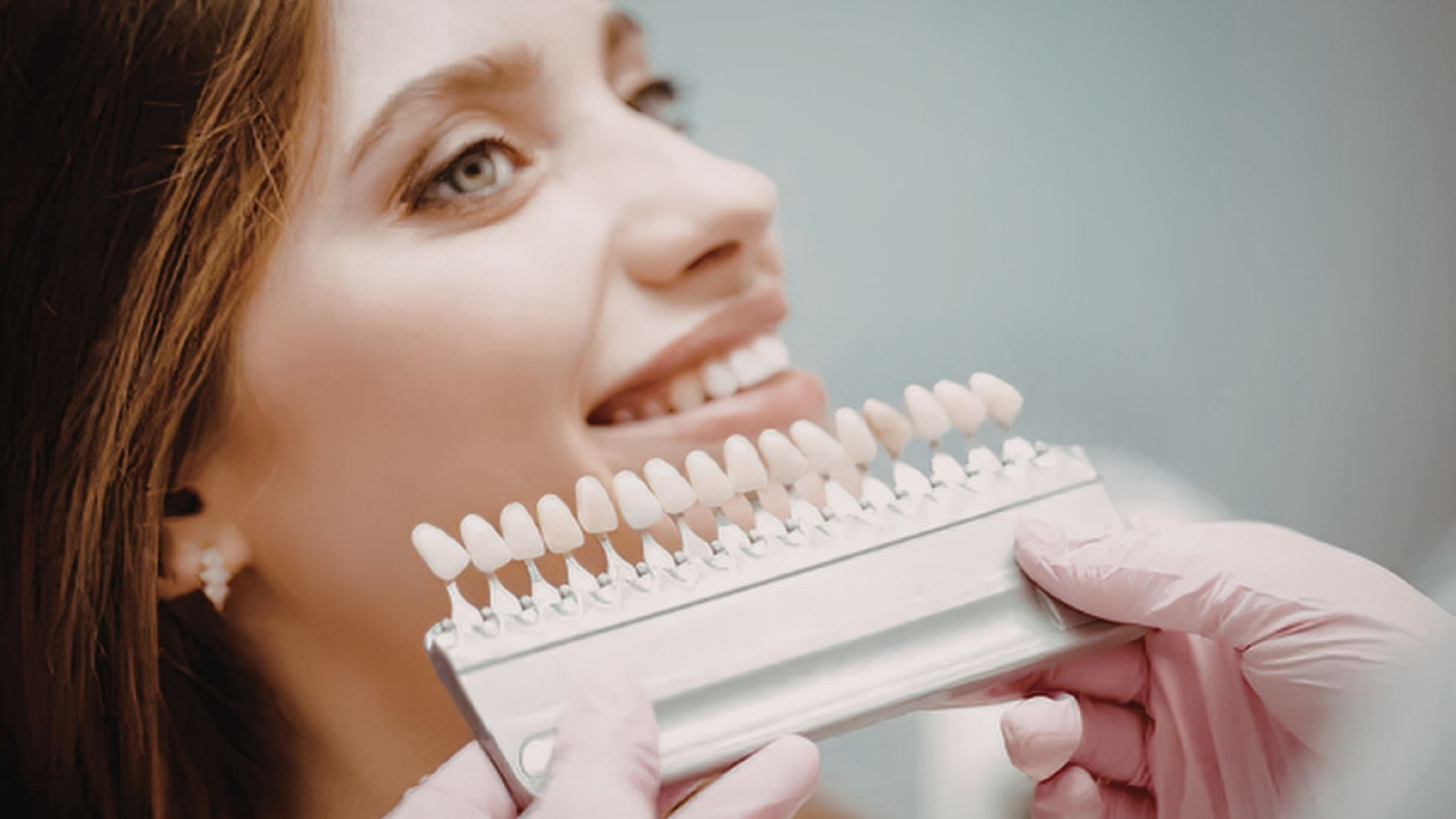
Tooth shade can influence how fresh, rested, and healthy a smile appears during daily interactions. Some patients notice that their teeth look darker in photos, warmer under certain lighting, or less polished than they feel after brushing. Professional whitening may help when discoloration comes from enamel stains, aging, or everyday pigment from coffee, tea, wine, and colorful foods. A dentist can also explain when whitening may not be the best option, especially if discoloration involves restorations or deeper tooth changes. Better color planning can make the smile look more awake.

Shade Changes Can Affect Facial Freshness

A duller tooth shade can make facial features appear less bright, even when the teeth are otherwise healthy. Patients may notice this more during close conversations, professional photos, or social events. Evaluating the cause of shade change helps choose the right cosmetic direction.

Natural Brightness Should Fit The Person

Whitening goals should respect enamel quality, facial tone, and the patient’s comfort with visible change. A brighter smile should not look disconnected from the rest of the face. The best result feels refreshed, not artificial.

Edges, Shapes, and Surfaces That Disrupt Smile Flow

The outline of the teeth can affect whether a smile looks smooth, balanced, and naturally expressive. Worn edges, small chips, rough surfaces, uneven contours, and minor gaps may draw attention even when the concern appears small. Bonding, reshaping, veneers, or restorative care may be considered depending on the tooth structure and the reason the irregularity developed. Aesthetic planning looks at how these details affect the entire smile instead of treating one tooth in isolation. Small refinements can change the overall rhythm.

Worn Areas May Reveal More Than Appearance

Flattened edges or chipped enamel can suggest clenching, grinding, bite pressure, or long-term wear. Treating the visible area without understanding the cause may make the results less durable. Evaluation helps protect the tooth while improving appearance.

Smoother Contours Can Feel More Balanced

A refined tooth edge can change how light moves across the smile. Small adjustments may help the teeth look more even without creating an obvious cosmetic change. Subtle contour improvements can feel surprisingly meaningful.

Dental Work That No Longer Matches The Smile

Older crowns, fillings, bonding, or veneers can become more noticeable as surrounding teeth change over time. A restoration may look darker, flatter, bulkier, or less translucent than nearby natural enamel. Patients who once felt satisfied with dental work may later notice that the restoration no longer fits the smile’s current color, shape, or texture. Aesthetic dentistry in Del Rey can help evaluate whether updating visible dental work would create a more seamless appearance. Well-matched dentistry should blend quietly.

Restorations Can Age Differently Than Teeth

Natural enamel and dental materials do not always change color or texture at the same pace. This can make older dental work stand out more over time, especially near the front teeth. A careful review helps determine which updates may be worthwhile.

Seamless Results Depend On Detail

Shape, shade, translucency, and margin design all influence whether dental work looks natural. Even small mismatches can affect the overall smile. Detailed planning helps restorations disappear into the surrounding teeth.

Smile Support That Includes Comfort And Function

Aesthetic dentistry can also improve the way a smile feels during chewing, speaking, and daily movement. Teeth that look worn, strained, sensitive, or unsupported may need care that improves both appearance and function. Crowns, fillings, bite evaluation, gum care, or other supportive treatments can strengthen the foundation behind a more attractive smile. This matters for patients who want beauty to feel connected to wellness rather than separated from oral health. Comfort gives aesthetic results more purpose.

Strength Matters Behind A Beautiful Smile

A tooth may need support when decay, cracks, wear, or older restorations affect its structure. Restoring strength can also improve the way the tooth looks within the smile. Functional support can make aesthetic care more dependable.

Healthy Foundations Create Better Results

A polished smile depends on more than visible cosmetic improvement. Gum health, enamel strength, bite balance, and restoration quality all influence how results feel over time. A stable foundation makes beauty easier to maintain.

How Cosmetic Oral Smile Treatments Refine Color Shape And Proportion

How Cosmetic Smile Treatments Refine Color, Shape, and Proportion

Aesthetic dentistry in Del Rey can help refine the visual details that shape how a smile is perceived, especially when tooth color, edge contour, spacing, and display feel slightly out of sync. This section is different from a service overview because it focuses on design relationships rather than listing treatments. A brighter shade may change facial freshness, a smoother edge may soften expression, and a better proportion may make the smile feel more balanced in motion. When those details work together, cosmetic care can look intentional without making the smile appear overly designed.

The strongest aesthetic results often come from adjusting the right detail rather than changing everything at once. Aesthetic dentistry in Del Rey can help patients understand why one small refinement may create more visual improvement than a larger treatment that does not address the true imbalance. Tooth color, contour, proportion, and smile framing each influence the way the face reads during speech, photos, and everyday expression. Thoughtful cosmetic planning helps the final result feel polished, personal, and easy to wear.

Tooth Shade Can Influence Facial Freshness

Tooth shade affects more than brightness because color can change how rested, polished, and vibrant the face appears. A warmer or duller shade may make the smile feel less fresh, even when the teeth remain healthy. A professional evaluation can determine whether the concern comes from surface stain, natural tooth tone, age-related darkening, or visible dental work. This distinction helps patients avoid choosing a whitening option when another approach may create a better result. Balanced color can make the full expression feel brighter.

Shade Goals Should Match The Whole Smile

The most flattering tooth shade should work with enamel quality, tooth shape, lip tone, and surrounding dental work. A shade that looks appealing on a guide may not always suit the full smile. Personalized color planning helps brightness look refined rather than disconnected.

Subtle Brightness Can Feel More Elevated

Many patients want a cleaner shade without creating an overly white result. A controlled improvement can refresh the smile while keeping natural depth and character. Polished brightness often looks more sophisticated than extreme whiteness.

Edge Shape Can Change Smile Movement

The edges of the front teeth influence how the smile appears during speech, laughter, and relaxed expression. Flattened, chipped, uneven, or sharp edges can interrupt the natural rhythm of the smile, even when the concern seems small. Cosmetic planning may consider contouring, bonding, veneers, or protective care, depending on why the edge changed. Evaluating movement matters because teeth can look different while speaking than they do in a still photo. A better edge design can make the expression feel smoother.

Front Teeth Guide Visual Rhythm

Front teeth create much of the smile’s visible shape during conversation and photos. When the edges look uneven or worn, the whole smile can appear less fluid. Refining those details can improve the smile without making it look redesigned.

Softer Contours Can Look More Natural

Edges should not look overly sharp, identical, or manufactured. Natural contours usually include slight variations that keep the smile believable. Thoughtful shaping can improve balance while preserving personality.

Tooth Proportion Can Create Better Balance

Tooth proportion involves the relationship between length, width, spacing, and how much tooth shows when the lips move. Teeth that appear too short, narrow, wide, crowded, or unevenly displayed can make the smile feel less harmonious. Aesthetic dentistry in Del Rey can evaluate whether the concern comes from tooth size, tooth position, gum framing, or wear patterns. This helps patients understand why the solution may involve more than simply making teeth whiter. Proportion gives the smile its structure.

Length And Width Affect Visual Harmony

Small differences in length or width can change how balanced the smile looks. A tooth may appear out of place because it is undersized, worn, rotated, or visually crowded. Measuring proportions helps cosmetic planning feel more exact.

Balance Should Avoid A Perfectly Artificial Look

Aesthetic dentistry should create harmony without removing every natural variation. Perfect uniformity can make teeth look less lifelike. Refined balance should still feel human and expressive.

Smile Display Changes In Real Expression

A smile is not static because teeth show differently during speech, laughter, rest, and posed photos. Cosmetic planning should consider how much tooth appears, which areas draw attention, and how the lips frame the smile in motion. This prevents treatment from being planned around one angle instead of a real-life expression. Patients benefit when aesthetic decisions reflect the way they actually speak, laugh, and move through the day. Real expression gives the smile design better context.

Lip Movement Affects What People Notice

Some patients show more upper teeth while speaking, while others reveal more detail during laughter. These patterns can influence which cosmetic changes will matter most. Observing expression helps prioritize the right areas.

Facial Context Makes Results Feel Integrated

Teeth should work with the lips, cheeks, and lower face rather than compete for attention. Color, contour, and proportion all influence how naturally the smile fits the face. Integrated planning helps cosmetic results look effortless.

Booked Your Appointment?

Find information below to help make your visit smooth and easy.

Getting Here

Be sure to visit the parking page to find free street parking around the office.

Paperwork

We ask that you please complete your New Patient forms before you arrive via our Patient Portal.

Questions?

Feel free to reach out to us — we’re happy to help! You can call, text or email us anytime.

Why Healthy Teeth And Gums Shape Better Aesthetic Dental Results

Why Healthy Teeth And Gums Shape Better Aesthetic Results

Aesthetic dentistry in Del Rey works best when the visible smile has a healthy foundation beneath it. Teeth, gums, enamel, bite function, and existing dental work all influence how cosmetic results look, feel, and last over time. A beautiful result can lose its value when inflammation, sensitivity, weak tooth structure, or unstable restorations interfere with daily comfort. Health-focused planning helps patients pursue aesthetic goals without separating appearance from long-term dental wellness.

A refined smile should feel as dependable as it looks. Aesthetic dentistry in Del Rey can include hygiene support, restorative updates, gum evaluation, fillings, crowns, bridges, and bite-related planning when those details affect the final cosmetic direction. This approach gives patients a better understanding of what should be strengthened, refreshed, or stabilized before aesthetic improvements begin. When oral health supports the design, the final result can feel more natural and more lasting.

Gum Health Creates A Cleaner Smile Frame

Healthy gums influence how the teeth appear during speech, laughter, photos, and relaxed expression. Redness, swelling, recession, uneven tissue, or bleeding can distract from otherwise attractive teeth and make the smile look less polished. A gum evaluation can show whether inflammation, buildup, brushing habits, or previous dental work is affecting the smile frame. Addressing gum health before cosmetic treatment can make aesthetic results look cleaner, calmer, and more balanced. A healthier gumline gives the smile stronger visual support.

Gum Tissue Influences Tooth Appearance

Gums can make teeth look longer, shorter, uneven, or less defined, depending on tissue position and health. Inflammation may also make the smile appear less refined, even when the teeth themselves are structurally sound. Evaluating tissue health helps cosmetic planning account for the full frame around the teeth.

Healthier Gums Support Better Design

Cosmetic care looks more natural when gum tissue feels calm, stable, and proportionate around the teeth. A healthy frame helps whitening, bonding, veneers, and restorations blend more smoothly with the surrounding smile. Strong gum support makes aesthetic results easier to maintain over time.

Tooth Structure Determines Treatment Options

Tooth strength affects which aesthetic treatments may be appropriate, especially when enamel wear, cracks, decay, or older fillings are present. A tooth may need restorative support before cosmetic changes can be planned safely and comfortably. This matters because bonding, veneers, whitening, or crowns all require different levels of healthy structure to perform well. A careful evaluation helps patients understand which options can preserve strength while improving appearance. Stronger teeth allow better aesthetic choices.

Enamel Condition Shapes Cosmetic Planning

Enamel thickness, surface texture, and sensitivity can influence how teeth respond to whitening, bonding, veneers, or restorative updates. Weakened enamel may need protection before appearance-focused treatment begins, especially when sensitivity or wear already affects daily comfort. Understanding tooth structure helps prevent plans that look appealing at first but feel uncomfortable later.

Strength Protects Long-Term Results

Aesthetic improvements last longer when the tooth underneath can support the treatment being placed. Cracks, large fillings, worn edges, and weakened enamel may need added planning before cosmetic work begins. Durable results begin with stable tooth structure and thoughtful preparation.

Bite Balance Helps Protect Cosmetic Dentistry

Bite forces can affect how cosmetic dentistry performs during chewing, speaking, sleeping, and nighttime clenching. Uneven pressure may cause bonding to chip, veneers to wear, crowns to feel strained, or sensitive teeth to become more reactive. Aesthetic planning should consider how the upper and lower teeth meet before final recommendations are made. Patients who want lasting results benefit when function becomes part of the cosmetic conversation from the beginning. Balanced bite forces help protect the smile.

Clenching Can Affect Aesthetic Work

Clenching can place repeated stress on front teeth, restorations, and cosmetic materials throughout the day or during sleep. Patients may not realize this habit is shaping tooth wear, creating small fractures, or shortening the life of previous dental work. Identifying clenching patterns helps protect future treatment and improve the comfort of the final result.

Function Gives Beauty More Stability

Aesthetic dentistry should look beautiful and work comfortably during daily life. Bite evaluation helps reduce strain on cosmetic improvements by identifying pressure patterns before treatment begins. Stable function makes results feel more dependable after the smile is refined.

Restorative Care Can Improve Smile Appearance

Restorative dentistry can support aesthetics when damaged, weakened, missing, or heavily repaired teeth affect the smile. Crowns, fillings, bridges, and updated restorations may improve both appearance and daily function when planned with careful attention to fit and material quality. A restoration should blend with nearby teeth while also helping the tooth handle normal chewing, speaking, and cleaning. This makes restorative care an important part of many aesthetic plans, especially when health and appearance need to improve together. Strong dental work can still look beautifully natural.

Older Restorations May Need Updating

Older fillings, crowns, or bridges can become visible as materials age or surrounding teeth change. Color mismatch, worn edges, dark margins, and bulky shapes may affect the overall appearance of the smile. Updating restorations can improve harmony while supporting oral health and daily comfort.

Natural Materials Improve Smile Cohesion

Material choice influences how dental work reflects light, matches enamel, and feels during normal function. A carefully matched restoration can look lifelike while supporting chewing comfort and smile balance. Quality materials help dental work disappear into the surrounding smile.

How Personalized Smile Planning Helps Del Rey Patients Choose Dental Care

How Del Rey Patients Can Choose The Right Level Of Aesthetic Care

Aesthetic dentistry in Del Rey can feel easier to navigate when patients understand the difference between a small refresh, a focused repair, and a more complete smile enhancement. Not every concern needs a dramatic treatment plan, and not every goal can be reached with the simplest option. The right level of care depends on what the patient notices, how much change feels comfortable, and how the teeth, gums, restorations, and bite currently support the smile. This approach helps patients avoid both undertreatment and unnecessary treatment.

Some patients want one visible detail improved, while others want several parts of the smile to feel more balanced together. Aesthetic dentistry in Del Rey can help patients compare conservative options, restorative support, cosmetic enhancements, and phased treatment paths without feeling pressured toward one direction. The goal is to choose care that fits the smile’s condition, the patient’s timeline, and the desired level of visible change. A better match between concern and treatment level can make the final result feel more natural.

Subtle Smile Refreshes For Smaller Concerns

A subtle refresh may be appropriate when the smile already feels healthy, but one or two details make it look less polished. This could involve light shade improvement, minor contour adjustment, small bonding repair, or replacement of a visible restoration that no longer blends well. Patients who prefer a natural look often appreciate care that improves the smile without making the change obvious to others. The right small improvement can make the smile feel cleaner, softer, and more current. Subtle care can still create meaningful confidence.

Small Changes Can Have Visual Impact

Minor refinements can stand out when they involve the front teeth or visible smile line. A smoother edge, better shade match, or small repair may change how balanced the smile appears. These changes can feel valuable without requiring a larger treatment plan.

Conservative Care Can Preserve Character

A conservative approach can keep the smile’s natural personality intact while improving the detail that feels distracting. This matters for patients who want refinement rather than reinvention. Preserving character helps results feel easier to recognize as their own.

Focused Treatment For One Main Smile Concern

Focused treatment may fit patients who have one concern that consistently draws attention. A single darker tooth, chipped edge, uneven restoration, small gap, or worn front tooth may affect confidence more than the rest of the smile. In those situations, the plan can center on solving the most noticeable issue before considering broader changes. This prevents treatment from becoming larger than the patient’s actual goal. Focused care can make decisions feel simpler.

One Concern Can Shape The Whole Smile

A single detail can interrupt the balance of an otherwise attractive smile. When one tooth looks darker, shorter, rougher, or mismatched, the eye may notice that area first. Treating that concern well can improve the full smile’s appearance.

Clear Priorities Reduce Unnecessary Treatment

Patients do not always need several services to feel better about their smile. Identifying the main concern can help narrow the plan to the most useful option. Clear priorities make aesthetic care feel more comfortable.

Comprehensive Changes For Bigger Smile Goals

A more comprehensive plan may be appropriate when several concerns affect the smile at once. Color, tooth size, spacing, worn edges, older dental work, gum framing, and facial balance can all influence the final appearance. Patients seeking a broader change may need several services coordinated carefully so the result feels cohesive instead of pieced together. This level of care requires more planning because each choice can influence the next. Comprehensive treatment should still look personal and natural.

Multiple Concerns Need A Coordinated Plan

When several smile details affect the final appearance, treatment should not happen randomly. Whitening, bonding, veneers, restorations, or supportive dental care may need to be considered together. Coordinated care helps each step contribute to one shared result.

Bigger Changes Should Still Feel Balanced

A larger smile transformation should not erase the features that make the patient look like themselves. Shape, shade, proportion, and facial context all need thoughtful restraint. Balanced design keeps comprehensive care from looking overdone.

Restorative Support Before Cosmetic Changes

Some patients need stronger tooth support before cosmetic treatment becomes the right next step. Cracks, decay, large fillings, worn enamel, missing teeth, or unstable restorations can affect both appearance and function. In these cases, crowns, fillings, bridges, or updated dental work may create the foundation needed for a better aesthetic result. Starting with support can protect comfort while improving how the smile looks. A healthier structure makes cosmetic care more dependable.

Weak Teeth May Need Protection First

A tooth with structural damage may not be ready for purely cosmetic treatment. Decay, cracks, or large old fillings can limit which aesthetic options are appropriate. Strengthening the tooth first can create safer long-term results.

Function Supports Aesthetic Longevity

A beautiful smile should remain comfortable during chewing, speaking, and daily care. Restorative support can help cosmetic improvements perform better over time. A stronger function gives aesthetic changes more stability.

Phased Care For Patients Who Want Flexibility

Phased care can help patients move toward larger goals without completing every treatment at once. This approach can organize care around urgency, visual impact, comfort, budget, travel, work schedules, or upcoming events. Aesthetic dentistry in Del Rey may begin with foundational care, then move into cosmetic refinements when the timing feels right. Patients can still work toward a clear smile goal while taking manageable steps. Flexible planning helps care fit real life.

Timing Can Shape The Best Starting Point

The first step may depend on the patient’s schedule, comfort level, or most visible concern. Some patients start with whitening, while others begin with repairs, hygiene, or replacement of older dental work. Choosing the right starting point helps the rest of the plan feel easier.

Flexibility Can Make Care More Approachable

Patients may feel more confident when treatment does not have to happen all at once. A phased plan can keep the long-term goal intact while respecting pace and priorities. Flexible care makes aesthetic improvement feel more realistic.

How Westside Aesthetic Dentistry Approach Aesthetic Dentistry in Del Rey

How Westside Aesthetic Dentistry Approaches Aesthetic Dentistry in Del Rey

Westside Aesthetic Dentistry approaches aesthetic dentistry in Del Rey with a focus on helping patients understand what can be improved, what should be protected, and what kind of result will feel natural in daily life. Dr. Kaitie Beetner’s Kois-trained approach adds depth to treatment planning by looking at tooth structure, bite function, facial balance, material quality, and lasting comfort together. The practice uses clinical photography, intraoral scanning, and patient-centered conversation to make aesthetic choices easier to understand before treatment begins. This creates a setting where care feels thoughtful, visually guided, and connected to both health and appearance.

Aesthetic dentistry in Del Rey should feel personal because every patient brings a different reason for wanting a healthier-looking smile. Westside Aesthetic Dentistry does not cut corners on supplies or materials because quality directly affects how dental work looks, feels, and lasts. Patients can explore whitening, bonding, veneers, restorative updates, dental Botox, hygiene support, and other services through recommendations that respect their goals and comfort level. Aesthetic dentistry in Del Rey becomes more meaningful when patients feel informed enough to choose care with confidence.

Kois-Trained Aesthetic Planning For Del Rey Smile Goals

Dr. Beetner’s Kois-trained background supports aesthetic planning that looks beyond the visible surface of the teeth. Smile design can involve tooth shape, bite pressure, gum support, facial movement, enamel condition, and the patient’s comfort with change. This broader perspective helps patients avoid treatment decisions that improve one detail while ignoring another factor that may affect comfort or longevity. For patients who want natural-looking results, planning should account for both the beauty and biology behind the smile. A stronger planning process creates more dependable aesthetic care.

Bite And Facial Balance Guide Better Planning

Bite function and facial balance can influence how aesthetic treatment looks, feels, and performs after care is completed. A tooth may need support, reshaping, restoration, or protection depending on how chewing forces move through the smile. Evaluating those details helps cosmetic care feel more precise, more comfortable, and less one-dimensional.

Stronger Planning Supports Natural Results

Natural-looking outcomes usually come from understanding the full smile before treatment begins. Tooth structure, gum health, material choice, bite patterns, and expression habits can all affect the final result. Better planning helps the smile feel integrated with the patient’s face, comfort, and long-term oral health.

Advanced Visual Tools For Clearer Aesthetic Decisions

Modern dental technology can make aesthetic planning more understandable because patients can see details that may be difficult to explain with words alone. Clinical photography can show shade differences, edge wear, tooth proportions, gum framing, restoration margins, and smile symmetry from helpful angles. Intraoral scanning can provide a more detailed view of tooth shape, spacing, and bite relationships before treatment is selected. These tools help patients participate in the conversation instead of feeling like decisions are being made for them. Visual planning makes aesthetic care feel more transparent.

Clinical Photos Make Smile Details Visible

Clinical photos can reveal subtle differences in color, contour, wear, and balance across the visible smile. Patients may better understand why one tooth draws attention, why an old restoration looks noticeable, or why a certain treatment path makes sense. Seeing these details can make treatment recommendations feel more connected to reality and easier to evaluate.

Digital Scans Add Helpful Treatment Context

Digital scans can show how teeth relate to one another in shape, space, and function. This information may support conversations about veneers, bonding, crowns, restorative updates, bite-related planning, or cosmetic sequencing. Better context helps patients understand their options with less uncertainty and more confidence.

Premium Materials for Natural-Looking Dental Work

Material quality matters in aesthetic dentistry because the final result must function inside the mouth while still blending with natural teeth. Westside Aesthetic Dentistry treats materials as part of the work product because translucency, strength, fit, polish, and shade all influence how dental work performs. A restoration or cosmetic enhancement should not look flat, bulky, mismatched, or disconnected from the surrounding smile. Patients who invest in aesthetic care deserve results planned with materials that support both beauty and daily function. Better materials help dental work look more lifelike.

Material Choice Affects Smile Realism

Different dental materials reflect light, absorb color, and blend with enamel in different ways. Shade depth, translucency, surface texture, edge blending, and contour all affect whether the treatment looks natural in real expression. Careful material selection helps dental work blend quietly with nearby teeth instead of standing out.

Quality Also Supports Daily Comfort

Aesthetic dental work should feel smooth, stable, and comfortable during normal use. Fit, contour, polish, and material strength can influence chewing, speaking, brushing, and overall ease inside the mouth. Quality choices support results that feel dependable while still looking refined and natural.

Education First Care That Respects Patient Choice

Patients deserve to understand every aesthetic option before choosing treatment. Westside Aesthetic Dentistry explains the benefits, limitations, timing, maintenance, and the difference between conservative updates and more comprehensive plans. This helps patients compare choices without feeling pushed toward a service that does not fit their goals. The process is built around education because informed patients can choose care with more confidence and less uncertainty. Clear information makes aesthetic decisions feel calmer.

Options Should Feel Easy To Compare

Whitening, bonding, veneers, restorative updates, and dental Botox each serve different aesthetic and functional purposes. Patients benefit when these options are explained in everyday language with realistic expectations, likely maintenance needs, and possible limitations. Clear comparisons help the right choice feel more obvious without making the decision process feel pressured.

Patient Goals Shape The Recommendation

Aesthetic care should respond to what the patient wants to improve, preserve, or avoid. Some patients want subtle refinement, while others prefer a broader smile transformation that changes several visible details. Personal goals keep the plan from feeling generic and help recommendations feel more connected to real preferences.

A Calm Experience For Thoughtful Aesthetic Dentistry

Aesthetic dental care can feel personal because smile concerns may affect confidence, photos, conversations, and self-expression. Westside Aesthetic Dentistry creates a calm environment where patients can discuss these concerns without feeling rushed, judged, or pushed toward dramatic change. Appointments focus on listening, explaining, and building a plan that respects comfort as much as appearance. This kind of experience is especially important for patients who want elevated dental care with warmth and trust. Aesthetic care should feel supportive from the start.

Comfort Matters During Planning And Treatment

Patients often feel more at ease when the visit moves at a thoughtful pace. Time for questions can reduce uncertainty, clarify expectations, and make treatment decisions feel more manageable before any care begins. A comfortable process helps patients stay engaged while feeling respected throughout the planning experience.

Trust Grows Through Thoughtful Communication

Trust develops when recommendations feel understandable, specific, and connected to the patient’s goals. Clear communication helps patients understand what is possible, what should be protected, and why a certain option may fit best. Better communication supports stronger long-term relationships and more confident aesthetic decisions.

Begin your care experience

Book an Aesthetic Dentistry Appointment With Westside Aesthetic Dentistry Today in Del Rey

The way your smile presents itself can influence how expressive and confident you feel each day. Aesthetic dentistry in Del Rey gives you space to explore thoughtful improvements across color, shape, balance, comfort, and long-term oral health. Westside Aesthetic Dentistry helps patients understand which changes can create a meaningful impact without making the smile feel overworked. The right dental plan should feel natural and be built around the way you want to look and feel.

A more confident smile begins with a conversation that respects your goals, your comfort, and your timeline. Aesthetic dentistry in Del Rey may include subtle refinements, restorative updates, facial aesthetic support, or a fuller smile plan, depending on what fits your needs. Westside Aesthetic Dentistry offers an educational experience for patients who want premium care without pressure for treatments. Call Westside Aesthetic Dentistry at (424) 216-9669 or visit our contact page to schedule your visit today.

Westside Aesthetic Dentistry

Contact Us

Click below to schedule an appointment with us.

Book an Appointment