
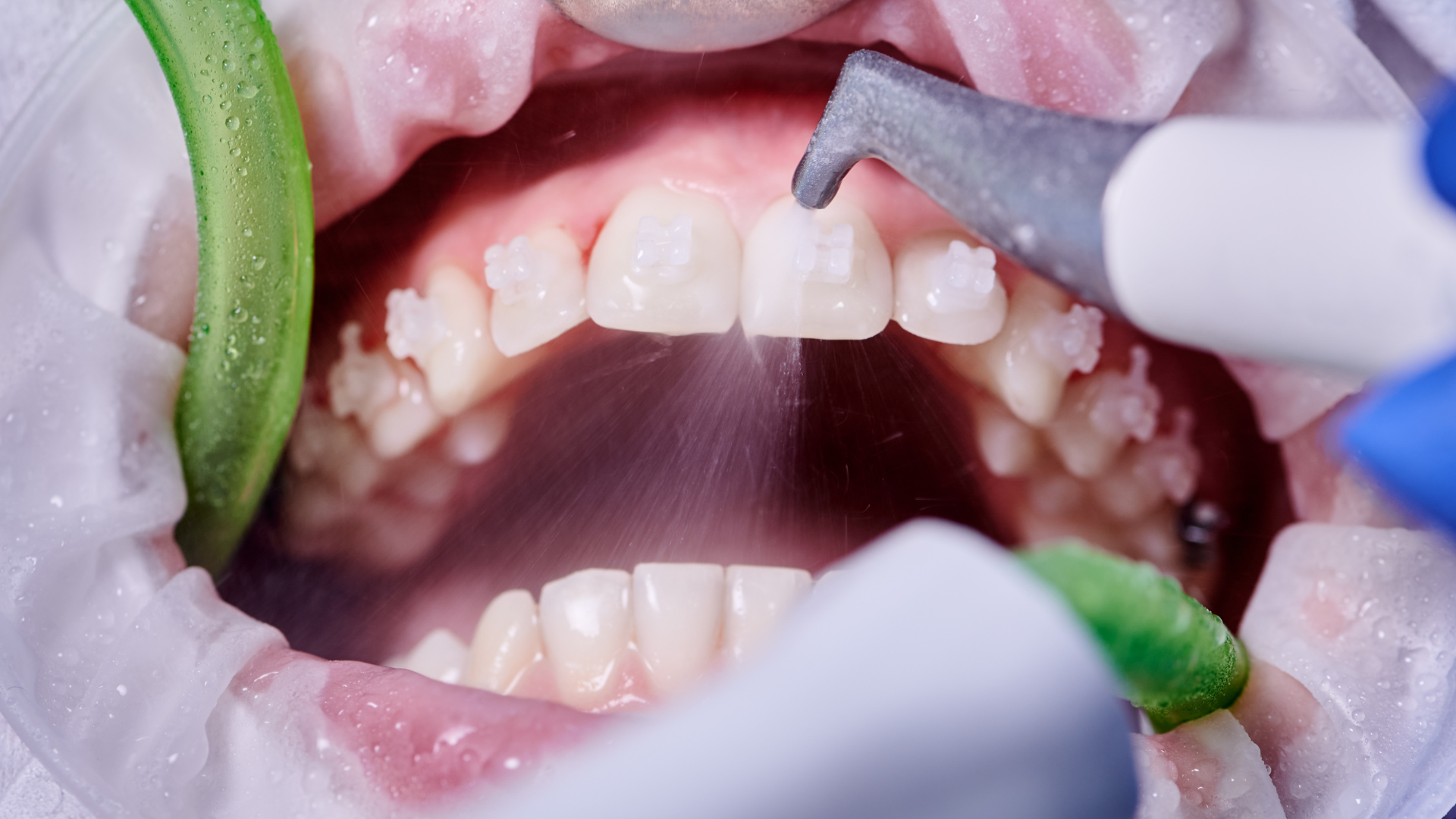
What Does a Deep Dental Cleaning Involve?
A deep dental cleaning helps remove plaque, tartar, and bacteria that collect below the gumline and contribute to gum disease. Unlike a routine dental cleaning, this treatment targets areas that regular brushing and standard cleanings cannot fully address. Deep dental cleaning in Playa Vista may help reduce inflammation, improve gum health, and prevent periodontal disease from progressing further. Understanding what the procedure involves can help patients feel more comfortable and confident before their appointment.
Maintaining healthy gums plays an important role in protecting your overall oral health and preserving your natural teeth for years to come. At Westside Aesthetic Dentistry, we provide personalized treatment plans designed to address each patient’s unique dental needs while making every visit as comfortable as possible. Our experienced team takes time to explain every step of the treatment process so patients understand what to expect before, during, and after their appointment. If you are experiencing signs of gum disease or have been told you need periodontal treatment, call us at (424) 216-9669 to schedule your consultation today.
What to Expect From a Deep Dental Cleaning in Playa Vista
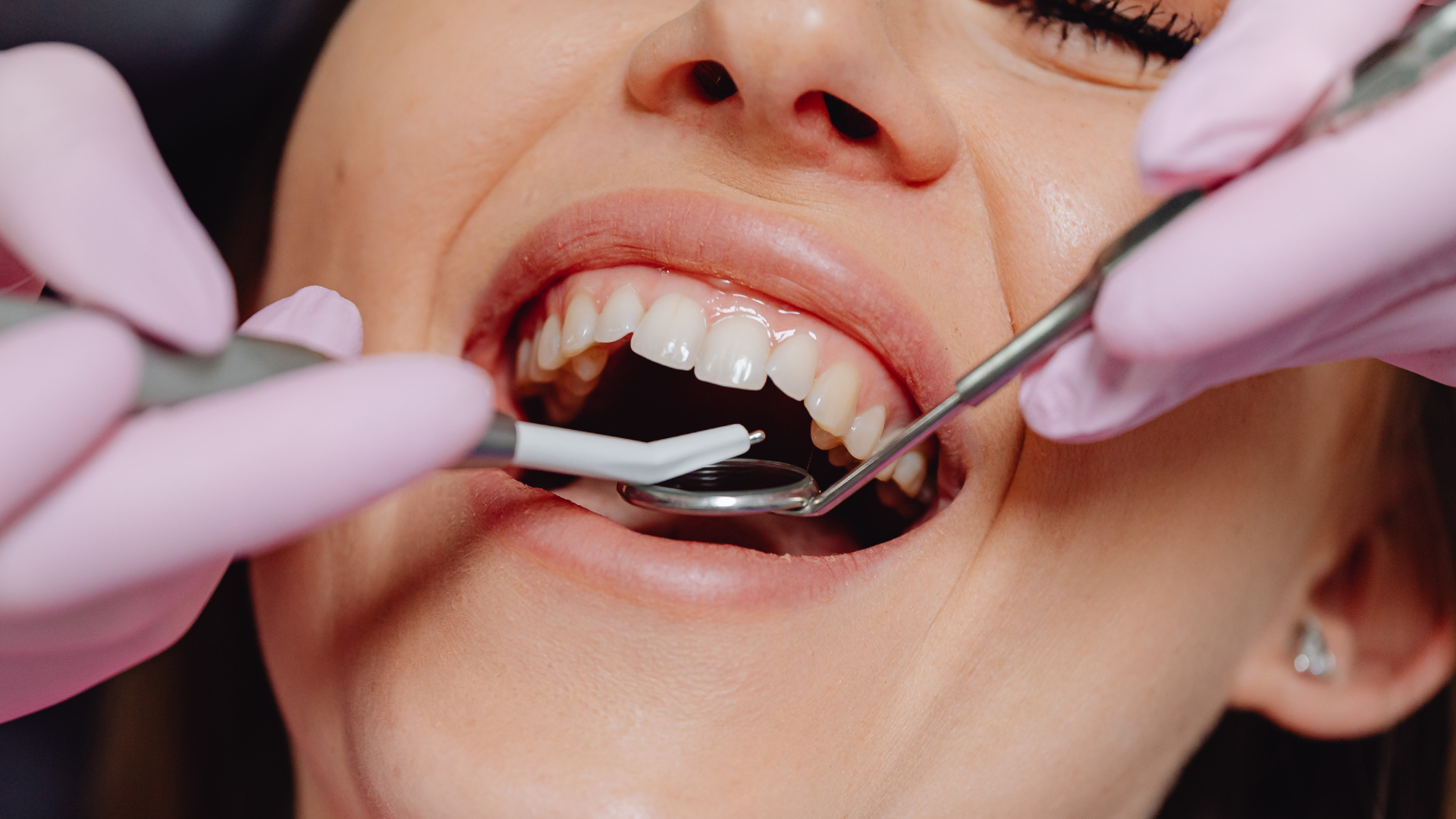
Westside Aesthetic Dentistry provides personalized deep dental cleaning in Playa Vista to help patients improve their gum health while preventing periodontal disease from becoming more advanced. We begin every visit with a thorough examination to evaluate the condition of the gums, measure periodontal pockets, and determine the most appropriate treatment plan. Our team explains each step of the procedure carefully so patients understand how treatment supports long-term oral health and what they can expect throughout the appointment. We also focus on creating a comfortable environment while using advanced techniques designed to improve both treatment effectiveness and patient comfort. Our goal is to help every patient achieve healthier gums while protecting their smile for years to come.
Every patient’s treatment plan depends on the severity of gum disease and the amount of plaque and tartar beneath the gumline. Therefore, we carefully remove harmful buildup while minimizing discomfort and protecting healthy tooth structure whenever possible. We also provide detailed aftercare instructions and personalized recommendations that help patients maintain healthier gums between visits. Additionally, we monitor healing during follow-up appointments while making recommendations based on each patient’s progress. Our commitment to preventive care allows us to help patients reduce future dental complications through ongoing support and education.
Evaluating Your Gum Health
A comprehensive examination allows the dental team to determine whether a deep cleaning is necessary before treatment begins. Measuring gum pockets, evaluating inflammation, and reviewing dental X-rays provide valuable information regarding the overall health of the gums and supporting bone. This assessment also helps identify areas requiring additional attention during the procedure. Careful evaluation supports a personalized treatment plan.
Measuring Periodontal Pockets
Healthy gums fit snugly around each tooth, creating shallow pockets that remain easy to clean. Gum disease may cause these pockets to deepen as bacteria continue accumulating beneath the gumline. Measuring pocket depths helps determine the severity of periodontal disease while guiding treatment decisions. Accurate measurements also establish a baseline for future evaluations.
Monitoring Changes Over Time
Periodontal measurements provide useful information during future dental visits. Comparing new measurements with previous records helps evaluate how well the gums respond to treatment. Monitoring these changes also allows the dental team to recommend additional care when appropriate. Regular evaluations support long-term gum health.
Reviewing Dental X-Rays
Dental X-rays provide valuable insight into the condition of the bone supporting the teeth. They help identify bone loss, infection, and other concerns that may not be visible during a routine examination. Reviewing these images supports more accurate treatment planning. Comprehensive evaluations improve patient outcomes.
Identifying Hidden Concerns
Some periodontal problems develop below the gumline where they remain difficult to detect during a visual examination. X-rays help reveal these hidden conditions before they become more severe. Early identification often allows treatment to begin sooner. Timely care supports healthier smiles.
Removing Plaque and Tartar Below the Gumline
The primary goal of a deep dental cleaning involves removing hardened plaque and tartar from beneath the gums. Eliminating harmful bacteria helps reduce inflammation while creating an environment that encourages healthier gum tissue. Thorough cleaning also decreases the risk of additional periodontal damage. Removing buildup remains an essential part of treatment.
Scaling the Teeth
Scaling removes plaque, tartar, and bacterial deposits from the surfaces of the teeth and below the gumline. Specialized instruments allow dental professionals to clean areas that remain inaccessible during routine brushing and flossing. Removing these deposits helps improve gum health while reducing infection. Careful scaling supports successful treatment.
Reaching Difficult Areas
Bacteria often collect around tooth roots where routine oral hygiene cannot remove them completely. Specialized dental instruments allow providers to access these challenging areas safely and effectively. Thorough cleaning reduces bacterial buildup while promoting healthier gums. Precision improves treatment results.
Root Planing
Root planing smooths the surfaces of the tooth roots after scaling removes plaque and tartar. Smoother root surfaces make it more difficult for bacteria to attach while encouraging gum tissue to reattach more closely to the teeth. This process supports long-term healing and periodontal stability. Root planing often complements scaling during deep cleanings.
Encouraging Gum Reattachment
Healthy gum tissue may begin reattaching more securely after bacteria and rough deposits are removed from the root surfaces. Improved attachment helps reduce pocket depth while protecting the supporting structures around the teeth. Successful healing depends on consistent oral hygiene following treatment. Long-term maintenance remains important.
Keeping Patients Comfortable During Treatment
Many patients feel concerned about discomfort before scheduling a deep dental cleaning. Modern techniques and local anesthetics help improve comfort throughout the procedure while allowing treatment to proceed efficiently. Discussing concerns beforehand also helps create a more positive experience. Patient comfort remains a priority during every visit.
Using Local Anesthetic
Local anesthetic helps numb the treatment area before scaling and root planing begin. Numbing the gums allows the dental team to perform the procedure comfortably while minimizing discomfort. Most patients tolerate treatment well after anesthesia takes effect. Proper preparation improves the experience.
Monitoring Patient Comfort
The dental team checks patient comfort throughout the appointment and makes adjustments whenever necessary. Open communication helps address concerns immediately if additional numbing becomes appropriate. Maintaining comfort encourages a more relaxed treatment experience. Personalized care supports better outcomes.
Treating Multiple Areas
Some patients receive treatment during more than one appointment depending on the extent of periodontal disease. Dividing treatment into sections allows each area to receive careful attention while improving patient comfort. Staged treatment also supports effective healing between visits. Individualized planning benefits recovery.
Scheduling Follow-Up Visits
Follow-up appointments allow the dental team to evaluate healing and determine whether additional treatment remains necessary. These visits also provide opportunities to reinforce healthy oral hygiene habits. Continued monitoring supports long-term periodontal health. Ongoing care helps maintain successful results.
Caring for Your Gums After Treatment
Proper aftercare plays an important role in supporting healing after a deep dental cleaning. Following home care instructions helps reduce discomfort while encouraging healthier gum tissue. Consistent oral hygiene also decreases the likelihood of future periodontal problems. Daily care remains essential after treatment.
Following Home Care Instructions
Patients often receive personalized recommendations regarding brushing, flossing, rinsing, and dietary choices following treatment. Following these instructions carefully supports healing while reducing unnecessary irritation. Good home care also helps maintain treatment results. Consistency promotes healthier gums.
Maintaining Daily Oral Hygiene
Brushing twice each day, flossing regularly, and attending routine dental visits help prevent plaque from returning beneath the gums. Daily care remains the most effective way to maintain healthy periodontal tissues after treatment. Long-term commitment supports lasting oral health. Preventive habits protect your smile.
Scheduling Periodontal Maintenance Visits
Patients with a history of gum disease often benefit from periodontal maintenance appointments scheduled more frequently than routine cleanings. These visits help remove new plaque buildup before it progresses into more serious periodontal problems. Regular maintenance also allows ongoing monitoring of gum health. Preventive care supports long-term success.
Preventing Future Gum Disease
Ongoing professional cleanings combined with excellent home care reduce the likelihood of future periodontal complications. Early intervention also helps identify developing concerns before they require more extensive treatment. Consistent preventive care protects both the gums and supporting bone. Healthy habits contribute to lasting results.
How Deep Gum Cleaning Helps Prevent Periodontal Disease
Deep gum cleaning plays an important role in preventing periodontal disease from progressing into a more serious oral health condition. Removing harmful bacteria and hardened tartar beneath the gumline helps reduce inflammation while creating a healthier environment for the gums to heal. Additionally, early treatment may lower the risk of bone loss, gum recession, and tooth instability associated with advanced periodontal disease. Understanding how deep gum cleaning supports long-term oral health allows patients to appreciate the value of preventive care.
Removing Bacteria Below the Gumline
Routine brushing and flossing help remove plaque from visible tooth surfaces, but they cannot always reach bacteria beneath the gums. Deep gum cleaning targets these difficult-to-access areas where harmful bacteria continue accumulating over time. Removing these deposits helps reduce infection while encouraging healthier gum tissue. Thorough cleaning creates a healthier foundation for long-term oral health.
Eliminating Plaque and Tartar
Plaque naturally forms on the teeth each day, and it can harden into tartar when it remains untreated. Tartar provides an ideal surface for bacteria to continue growing below the gumline. Removing both plaque and tartar helps reduce irritation while slowing the progression of gum disease. Professional treatment remains the most effective way to eliminate hardened deposits.
Reaching Areas Home Care Cannot
Even patients with excellent oral hygiene habits may develop tartar below the gumline over time. Professional instruments allow dental providers to clean these areas more thoroughly than brushing or flossing alone. Removing hidden bacteria supports healthier gums while reducing future complications. Comprehensive cleaning improves long-term periodontal health.
Reducing Harmful Bacterial Growth
Bacteria trapped beneath the gums continue irritating surrounding tissues if left untreated. Deep cleaning reduces bacterial populations while helping the body’s natural healing process begin. Lower bacterial levels also decrease ongoing inflammation throughout the gums. Healthier tissues often respond more positively following treatment.
Creating a Healthier Oral Environment
Reducing bacterial buildup creates conditions that support healthier gums moving forward. Clean root surfaces make it more difficult for harmful bacteria to quickly return. Maintaining this healthier environment encourages long-term periodontal stability. Ongoing preventive care supports lasting results.
Reducing Gum Inflammation
Inflamed gums often represent one of the earliest signs of periodontal disease. Deep gum cleaning removes the source of irritation while allowing swollen tissues to begin healing. Reducing inflammation also helps improve overall gum health and comfort. Early treatment frequently prevents additional damage from developing.
Improving Gum Tissue Health
Healthy gum tissue fits closely around the teeth while protecting the supporting bone underneath. Removing plaque and tartar allows inflamed tissues to recover more effectively over time. Improved gum health also reduces tenderness and bleeding during daily oral hygiene. Strong gums provide important protection for the teeth.
Supporting Natural Healing
The body begins repairing irritated gum tissue after bacterial buildup has been removed. Consistent oral hygiene and routine professional care support this healing process between dental visits. Healthy habits also help maintain treatment results over time. Continued care encourages stronger periodontal health.
Decreasing Bleeding During Brushing
Many patients notice bleeding gums while brushing or flossing when inflammation is present. Deep gum cleaning addresses one of the underlying causes by removing bacterial deposits below the gumline. As inflammation improves, bleeding often becomes less frequent. Healthier gums respond better to regular oral hygiene.
Encouraging Better Daily Hygiene
Patients often find brushing and flossing more comfortable after inflammation decreases. Improved comfort encourages consistent oral hygiene habits that help prevent future bacterial buildup. Daily care remains an important part of maintaining healthy gums. Good habits support long-term success.
Helping Prevent Bone Loss
Untreated periodontal disease may gradually damage the bone supporting the teeth. Deep gum cleaning helps reduce the bacterial infection responsible for this destructive process. Early treatment often slows disease progression before more significant damage develops. Protecting supporting bone remains an important goal of periodontal care.
Preserving Tooth Stability
Healthy bone and gum tissue work together to keep teeth securely in place. Preventing periodontal disease from advancing helps maintain this important support system. Strong supporting structures contribute to long-term oral function. Healthy foundations protect natural teeth.
Supporting Long-Term Tooth Retention
Maintaining healthy gums and supporting bone improves the likelihood of preserving natural teeth throughout life. Preventive treatment reduces the risk of future complications requiring more extensive care. Early intervention often produces better long-term outcomes. Consistent maintenance protects the smile.
Supporting Long-Term Periodontal Maintenance
Deep gum cleaning represents the beginning of ongoing periodontal care rather than the final step. Regular maintenance visits help monitor gum health while removing new bacterial buildup before it becomes more serious. Continued professional care supports long-term treatment success. Preventive maintenance remains essential for protecting healthy gums.
Monitoring Healing Progress
Follow-up appointments allow dental professionals to evaluate how the gums respond after treatment. Measuring gum pockets and examining tissue health help determine whether additional care becomes necessary. Ongoing evaluations support personalized treatment recommendations. Regular monitoring promotes healthier smiles.
Maintaining Healthy Results
Successful periodontal treatment depends on consistent professional care combined with excellent home oral hygiene. Routine maintenance appointments help preserve healthy gums while reducing the likelihood of future disease progression. Preventive care protects treatment results over time. Long-term commitment supports lasting oral health.
The Difference Between a Routine Cleaning and Deep Periodontal Cleaning
Routine dental cleanings and deep periodontal cleanings both help improve oral health, but they serve different purposes depending on the condition of the gums. A standard cleaning focuses on preventing disease by removing plaque and tartar above the gumline, while a deep periodontal cleaning addresses bacteria and hardened deposits below the gums. Additionally, each procedure follows a different treatment approach based on the patient’s individual needs. Understanding these differences helps patients feel more confident when discussing treatment recommendations.
Understanding the Purpose of Each Treatment
Each type of dental cleaning addresses a specific stage of oral health. Routine cleanings help maintain healthy teeth and gums before significant disease develops. Deep periodontal cleanings treat active gum disease by removing harmful bacteria below the gumline. Selecting the appropriate treatment depends upon the condition of the gums.
Preventive Care
Routine cleanings play an important role in preventing plaque and tartar from accumulating over time. Regular preventive care helps maintain healthy gums while reducing the likelihood of developing periodontal disease. Consistent professional cleanings also support long-term oral health. Prevention remains the most effective approach.
Maintaining Healthy Smiles
Preventive dental care helps identify developing concerns before they require more extensive treatment. Regular cleanings allow dental professionals to monitor changes while providing personalized recommendations. Early intervention often simplifies future care. Healthy habits preserve long-term oral health.
Periodontal Treatment
Deep periodontal cleanings become appropriate when bacteria and tartar have accumulated beneath the gums. Removing these deposits helps reduce inflammation while supporting healthier gum tissue. This treatment also addresses active periodontal disease before additional damage occurs. Thorough cleaning promotes better healing.
Addressing Active Gum Disease
Patients with periodontal disease require treatment beyond routine preventive cleanings. Deep cleaning targets the underlying bacterial infection affecting the supporting tissues around the teeth. Comprehensive care helps stabilize periodontal health. Early treatment improves long-term outcomes.
Comparing the Cleaning Process
Although both procedures involve removing plaque and tartar, the techniques used differ depending on treatment goals. Routine cleanings focus primarily on visible tooth surfaces, while deep periodontal cleanings extend below the gumline. Each procedure follows established clinical methods designed to improve oral health. The treatment approach reflects the patient’s needs.
Routine Dental Cleaning
Routine cleanings remove plaque, tartar, and surface stains from the visible portions of the teeth. Polishing and fluoride treatment may also be included depending on the patient’s preventive care plan. These appointments help maintain healthy smiles through regular maintenance. Consistent preventive visits support oral health.
Supporting Everyday Oral Hygiene
Routine cleanings complement brushing and flossing by removing deposits that daily home care cannot fully eliminate. Professional cleanings also reinforce healthy oral hygiene habits between visits. Preventive maintenance contributes to healthier gums. Regular care supports long-term success.
Deep Periodontal Cleaning
Deep periodontal cleaning includes scaling and root planing to remove bacteria and tartar beneath the gumline. Cleaning these deeper areas helps reduce infection while encouraging healthier gum attachment. This procedure addresses active periodontal concerns rather than routine prevention. Comprehensive treatment supports gum healing.
Cleaning Below the Gumline
The primary difference between deep cleaning and routine cleaning involves the depth of treatment. Specialized instruments reach beneath the gums where harmful bacteria remain inaccessible during regular cleanings. Thorough removal of these deposits supports healthier periodontal tissues. Precision improves treatment effectiveness.
Recovery Expectations
Recovery experiences differ slightly depending on the type of cleaning performed. Routine cleanings generally require little recovery time, while deep periodontal cleanings may produce temporary sensitivity as the gums begin healing. Understanding these differences helps patients prepare for their appointments. Proper aftercare supports successful recovery.
After a Routine Cleaning
Most patients resume normal activities immediately after a routine dental cleaning. Minor sensitivity occasionally occurs but usually resolves quickly. Maintaining regular brushing and flossing helps preserve treatment results. Preventive care continues between appointments.
Continuing Good Oral Hygiene
Daily brushing, flossing, and routine dental visits remain essential after preventive cleanings. Consistent home care helps prevent plaque from returning quickly. Healthy habits protect both teeth and gums. Ongoing maintenance supports lasting oral health.
After a Deep Periodontal Cleaning
Patients may experience mild tenderness or sensitivity following deep periodontal treatment while the gums heal. Following personalized aftercare recommendations supports recovery while minimizing discomfort. Regular follow-up appointments also allow dental professionals to monitor healing. Careful maintenance protects treatment results.
Supporting Long-Term Gum Health
Deep periodontal cleaning represents one step within an ongoing periodontal maintenance plan. Continued professional care and consistent home oral hygiene help reduce future bacterial buildup while supporting healthy gums. Long-term commitment remains important for lasting success. Preventive maintenance protects the health of the entire smile.
Schedule an Appointment for Deep Dental Cleaning in Playa Vista Today

Healthy gums provide the foundation for a healthy smile, making early treatment an important part of preventing more serious periodontal problems. Westside Aesthetic Dentistry provides personalized periodontal care designed to improve gum health while helping patients feel comfortable throughout every stage of treatment. We take the time to evaluate each patient’s oral health, explain every recommendation, and create individualized treatment plans that support long-term success. Our team remains committed to providing compassionate care while helping every patient protect their smile through preventive dentistry and advanced periodontal treatment. Every visit focuses on improving oral health while delivering a positive patient experience.
Taking action at the first signs of gum disease may help prevent more extensive dental treatment in the future. We proudly provide comprehensive periodontal care for patients throughout Playa Vista and the surrounding communities with personalized attention and modern treatment techniques. Our experienced team remains available to answer questions, explain every procedure, and help you feel confident about your oral health decisions. We look forward to helping you achieve healthier gums and a stronger smile through personalized care. Call us at (424) 216-9669 or reach out online today to schedule your appointment.