
How Long Does Dental Botox Last for Jaw Clenching
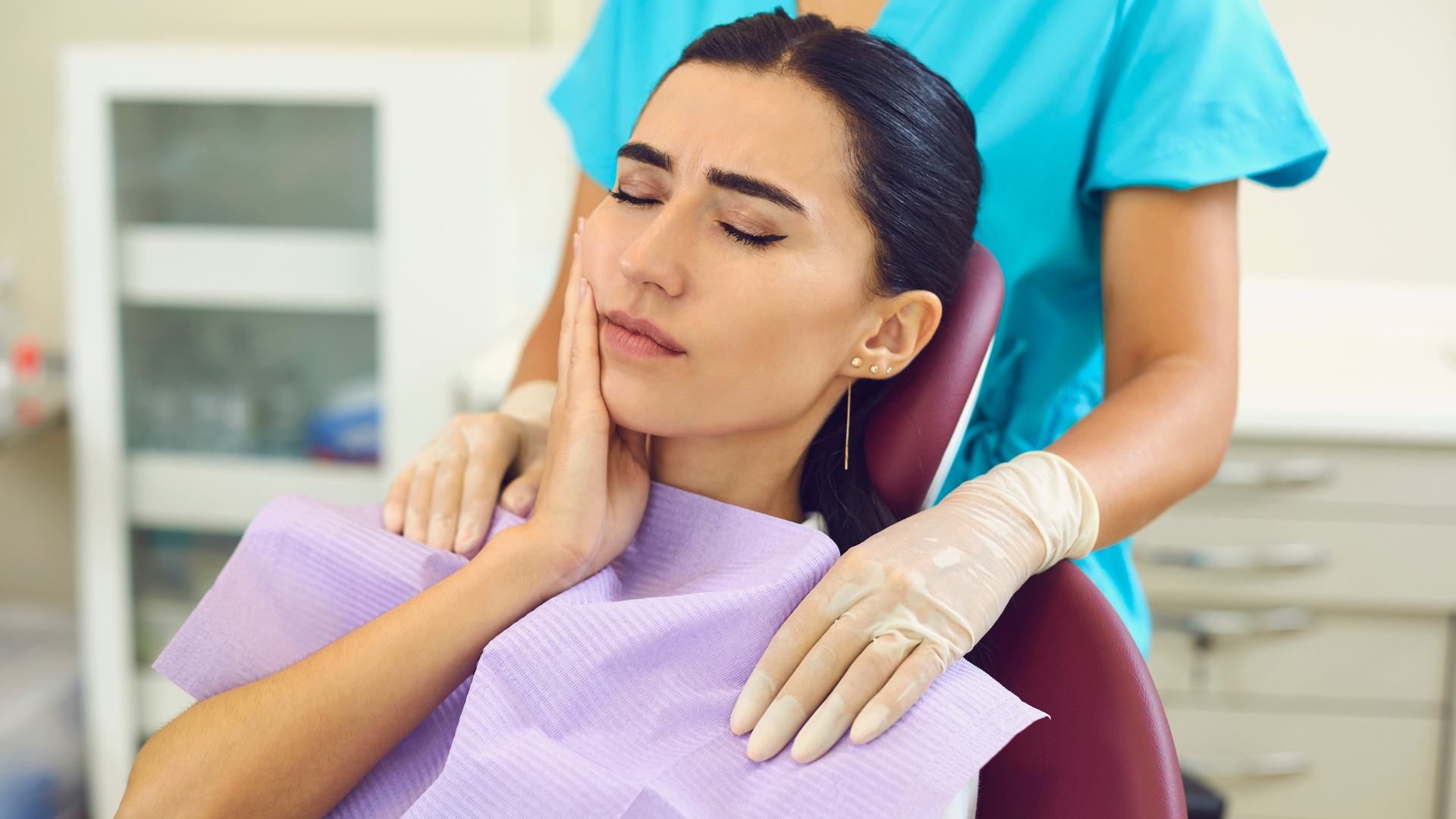
Your jaw finally feels quieter. You wake up without the same heavy pressure along your cheeks. The familiar urge to clench no longer seems quite as powerful. Then one question appears almost immediately. How long does dental Botox last for jaw clenching?
Many patients notice an effect for roughly three to four months. That range is a useful starting point, not a guarantee. One person may feel muscle activity return sooner, while another may notice benefits for longer. Jaw muscle size, injection pattern, dose, metabolism, clenching intensity, and personal response can all influence the timeline.
Dental Botox is also temporary. It may reduce excessive contraction in selected jaw muscles, but it does not permanently stop bruxism or erase every possible cause of jaw pain.
Here is the exciting part. Your first treatment cycle can reveal how your own muscles respond. At Westside Aesthetic Dentistry, Dr. Kaitie Beetner evaluates your symptoms, bite, tooth wear, jaw movement, and muscle activity before discussing treatment. Follow-up then turns a broad estimate into a timeline built around you. Call Westside Aesthetic Dentistry at (424) 216-9669 to schedule your jaw-clenching consultation with Dr. Kaitie.
How Dental Botox Temporarily Changes Jaw Muscle Activity
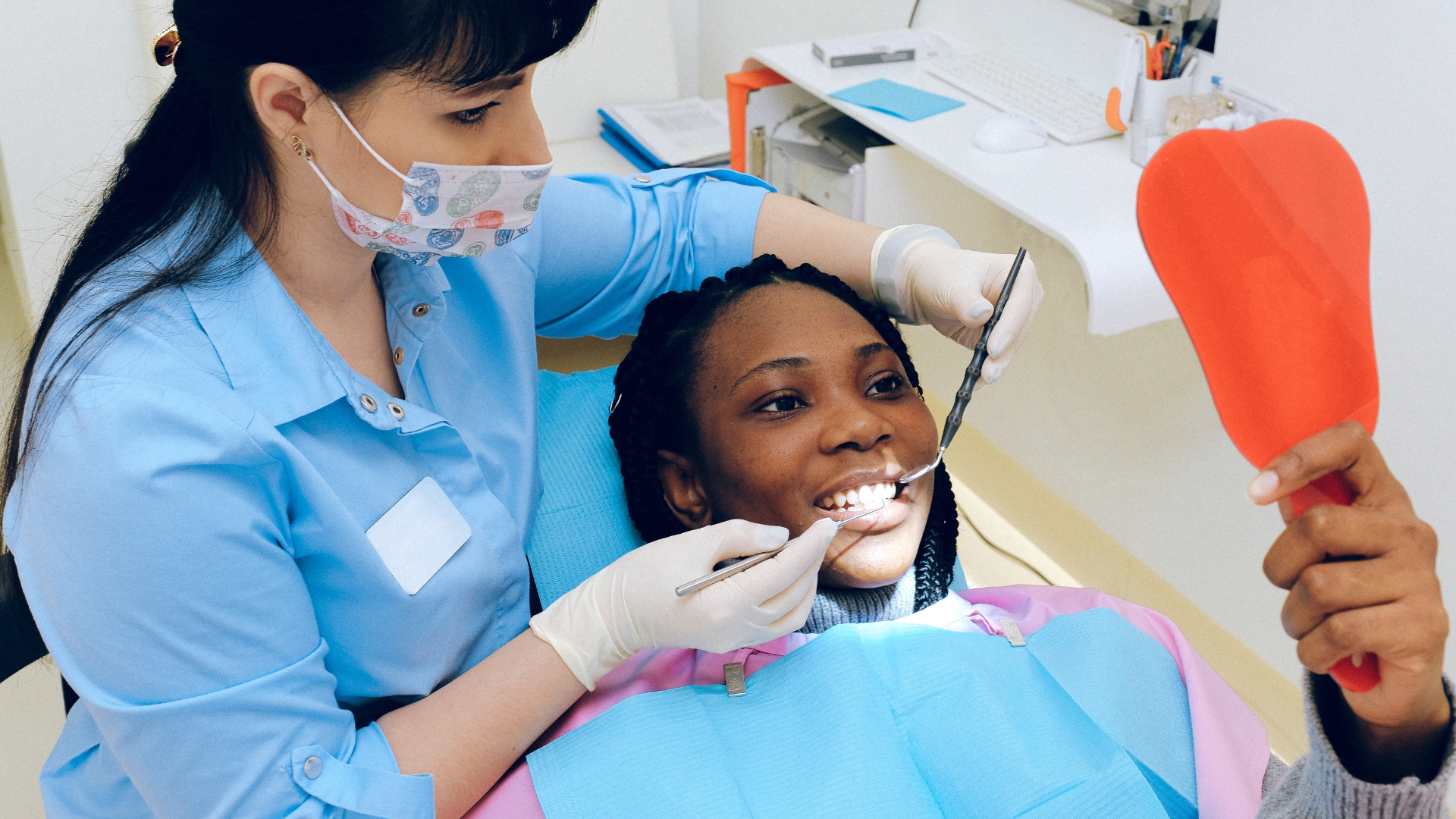
Dental Botox uses botulinum toxin type A to reduce communication between nerves and targeted muscle fibers. This can decrease the force of selected contractions while preserving the movement needed for normal chewing, speaking, and facial expression.
Place your fingers near the back corners of your jaw and gently clench. The firm muscles you feel are your masseters. They help close the jaw and generate considerable chewing force.
Repeated daytime clenching or sleep bruxism can leave these muscles tender, tired, enlarged, or difficult to relax. When overactive masseters contribute to a patient’s symptoms, dental Botox may reduce the intensity of their contractions.
The goal is not to freeze the jaw. Treatment should calm unnecessary force while allowing comfortable daily function. The location, amount, and treatment plan must match the person’s anatomy and clinical findings.
Why Botox Does Not Cure Jaw Clenching
Botox changes muscle activity for a limited period. It does not automatically remove the reason a person clenches.
Stress, focused work, sleep-related muscle activity, certain medications, habits, and other health factors may influence bruxism. Jaw pain can also come from the joint, teeth, muscles, an injury, or another condition. Treating a masseter will not solve a problem that comes from a different source.
That is why diagnosis comes first. Westside Aesthetic Dentistry looks for muscle tenderness, tooth wear, damaged restorations, restricted movement, joint symptoms, and bite pressure before recommending care.
What Dental Botox Cannot Repair
Reducing muscle force does not rebuild worn enamel. It cannot restore a chipped tooth, seal a crack, or repair a broken crown. Those concerns may need restorative treatment even if the muscles begin to feel better.
Botox also does not place a barrier between the teeth. A custom nightguard may still be recommended to protect enamel and dental work during sleep.
When Dental Botox Results Begin and Wear Off

The treatment cycle develops gradually. Understanding each stage prevents two common mistakes. Patients should not judge the final result too early, and they should not wait for severe discomfort before discussing follow-up.
Do not expect your jaw to feel completely different before you leave the office. Botulinum toxin needs time to affect communication between the nerves and treated muscle fibers.
Some patients notice subtle changes within several days. The jaw may feel easier to relax, or morning pressure may begin to soften. Others notice little during the first week.
The First One to Two Weeks
The response often becomes easier to judge during the first one to two weeks. You may notice less morning tightness, reduced facial fatigue, or weaker clenching force.
This does not mean every headache or jaw symptom will disappear. If pain comes from a joint disorder, damaged tooth, infection, nerve problem, or another source, muscle injections may not address it.
A planned follow-up gives Dr. Kaitie a chance to review comfort, movement, chewing, facial balance, and symptom changes after the treatment has had time to develop.
The Three-to-Four-Month Range
Many patients use three to four months as a practical estimate for how long dental Botox may last. As the effect fades, communication between the nerves and muscles gradually returns. Contraction strength can then build again.
The calendar does not tell the whole story. A patient with powerful masseter muscles and intense nightly clenching may follow a different pattern from someone with occasional daytime tension. Your first cycle provides better information for future planning.
How the Effect Usually Fades
Botox does not normally switch off at midnight on a certain date. The change tends to fade gradually.
You might first notice more tension during a stressful workday. Morning tightness may return once or twice each week. Chewing muscles may feel stronger, or you may catch yourself pressing your teeth together again.
What Affects How Long Masseter Botox Lasts
Why can two people receive treatment during the same week and report different timelines? Their muscles, habits, symptoms, and treatment plans are not identical.
Muscle Size and Clenching Intensity
Large, highly active masseter muscles may respond differently from smaller muscles. A person who clenches during sleep, exercise, driving, and concentrated work may also place more demand on the treated area.
Dose and Injection Placement
The amount of product and the selected injection sites can affect the response. Too little may not adequately address an overactive muscle. Too much or poorly planned placement may create unwanted weakness, chewing fatigue, facial imbalance, or smile changes.
There is no responsible universal unit count for every reader. The treatment must consider anatomy, muscle strength, health history, previous response, and the specific product being used.
Metabolism and Personal Response
Bodies process botulinum toxin differently. Your first experience may not match a friend’s treatment, even if both of you clench your teeth.
Daily Habits and Muscle Triggers
Botox may reduce contraction strength, but your daily patterns still matter. Gum chewing, nail biting, jaw tightening during exercise, and clenching through long periods of concentration can keep the muscles busy.
Awareness creates an opportunity to interrupt daytime tension. Keep your teeth apart when you are not chewing or swallowing. Notice what happens during stressful meetings, difficult commutes, intense workouts, or focused screen time. Small habit changes can support the broader care plan.
What to Know Before Choosing Dental Botox in Playa Vista
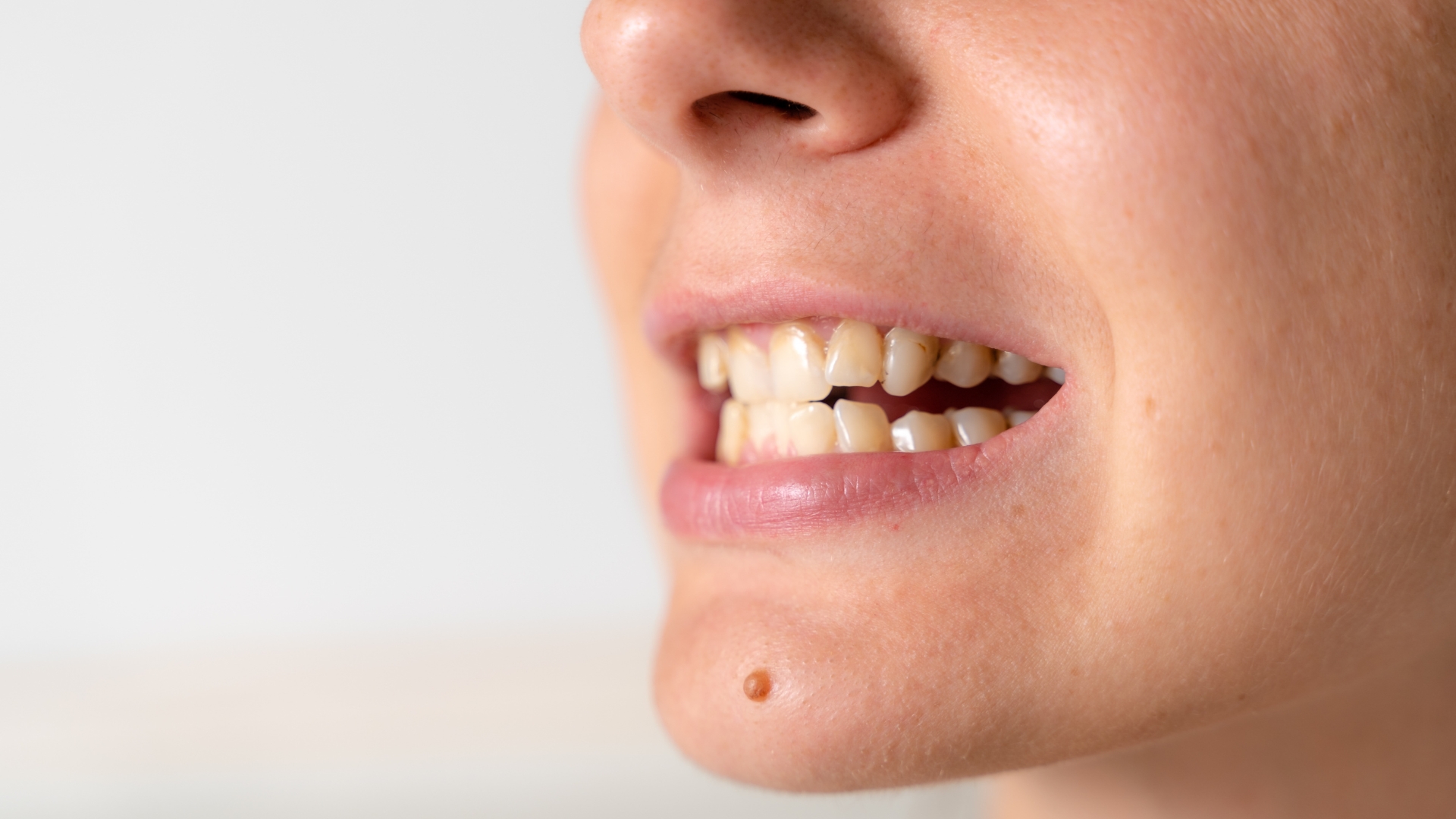
Transparency matters here. Botulinum toxin type A has several FDA-approved uses, but treating bruxism or temporomandibular disorders is not among them. Dental Botox for jaw clenching is an off-label use.
Research into botulinum toxin for bruxism has reported possible reductions in pain, jaw stiffness, bite force, or grinding activity. However, studies use different doses, injection sites, follow-up periods, and methods. Results remain mixed, and stronger research is needed.
Signs That Jaw Muscle Activity May Be Returning
Several recurring changes can suggest that clenching force is building again. Pay attention when these signs become more frequent or begin affecting normal activities.
- Morning jaw stiffness begins returning more often
- Pressure builds again along the sides of your jaw
- Your face feels tired after normal chewing or speaking
- Temple tension returns when you catch yourself clenching
- Your nightguard shows heavier contact or faster wear
- Daytime jaw tightening becomes harder to interrupt
Track Your Symptoms Before Scheduling Follow-Up
Write down when these changes begin and whether they affect comfort, sleep, meals, or dental work. A short symptom record can make the follow-up conversation far more useful.
Do not schedule injections based only on a countdown. Dr. Kaitie should first confirm that muscle overactivity remains the right treatment target and that repeating treatment fits your health and goals.
Off-Label Use Requires a Clear Conversation
Off-label does not mean a treatment is automatically improper. It means the FDA has not specifically approved the product for that condition.
Your provider should explain the reason for recommending it, the limits of current evidence, other options, expected timing, and possible risks. You deserve to understand exactly what treatment may accomplish before deciding whether it belongs in your care plan.
Current Research on Bruxism Has Limits
Research into botulinum toxin for bruxism has reported possible reductions in pain, jaw stiffness, bite force, or grinding activity.
However, studies use different doses, injection sites, follow-up periods, and evaluation methods. Results remain mixed, and stronger research is still needed. Dental Botox should therefore be discussed as one possible part of care rather than a guaranteed cure for clenching or jaw pain.
Side Effects and Medical History Need Attention
Temporary tenderness, bruising, chewing fatigue, asymmetry, or smile changes may occur. Rare toxin effects can spread beyond the injection area.
Seek immediate medical care for trouble swallowing, speaking, or breathing, or for widespread muscle weakness after treatment.
Share your full medical history, medications, previous toxin treatments, allergies, and neuromuscular conditions before injections. A safe conversation needs complete information.
How Westside Aesthetic Dentistry Plans Dental Botox Treatment

Dental Botox should never feel like a rushed response to a sore jaw. Westside Aesthetic Dentistry starts by identifying what hurts, when it happens, and which structures appear involved.
Dr. Kaitie Evaluates Teeth and Muscles Together
Dr. Kaitie Beetner can check the masseter and temporalis muscles for tenderness, enlargement, and asymmetry. She can also examine jaw movement, bite pressure, enamel wear, cracks, chipped restorations, and nightguard contact.
Her Kois-trained perspective supports a wider view of function and aesthetics. A treatment that softens muscle activity must still respect chewing, facial expression, tooth protection, and long-term oral health.
Follow-Up Builds a Personal Timeline
Your first treatment cycle creates real information. When did the jaw begin feeling different? Did morning tightness improve? Did chewing remain comfortable? When did clenching force seem to return?
Westside Aesthetic Dentistry can use those answers to discuss whether another treatment makes sense and when to consider it. The goal is not endless injections on an automatic calendar. The goal is a measured plan that continues only when the benefits, risks, and alternatives still make sense for you.
Schedule a Jaw Clenching Consultation in Playa Vista
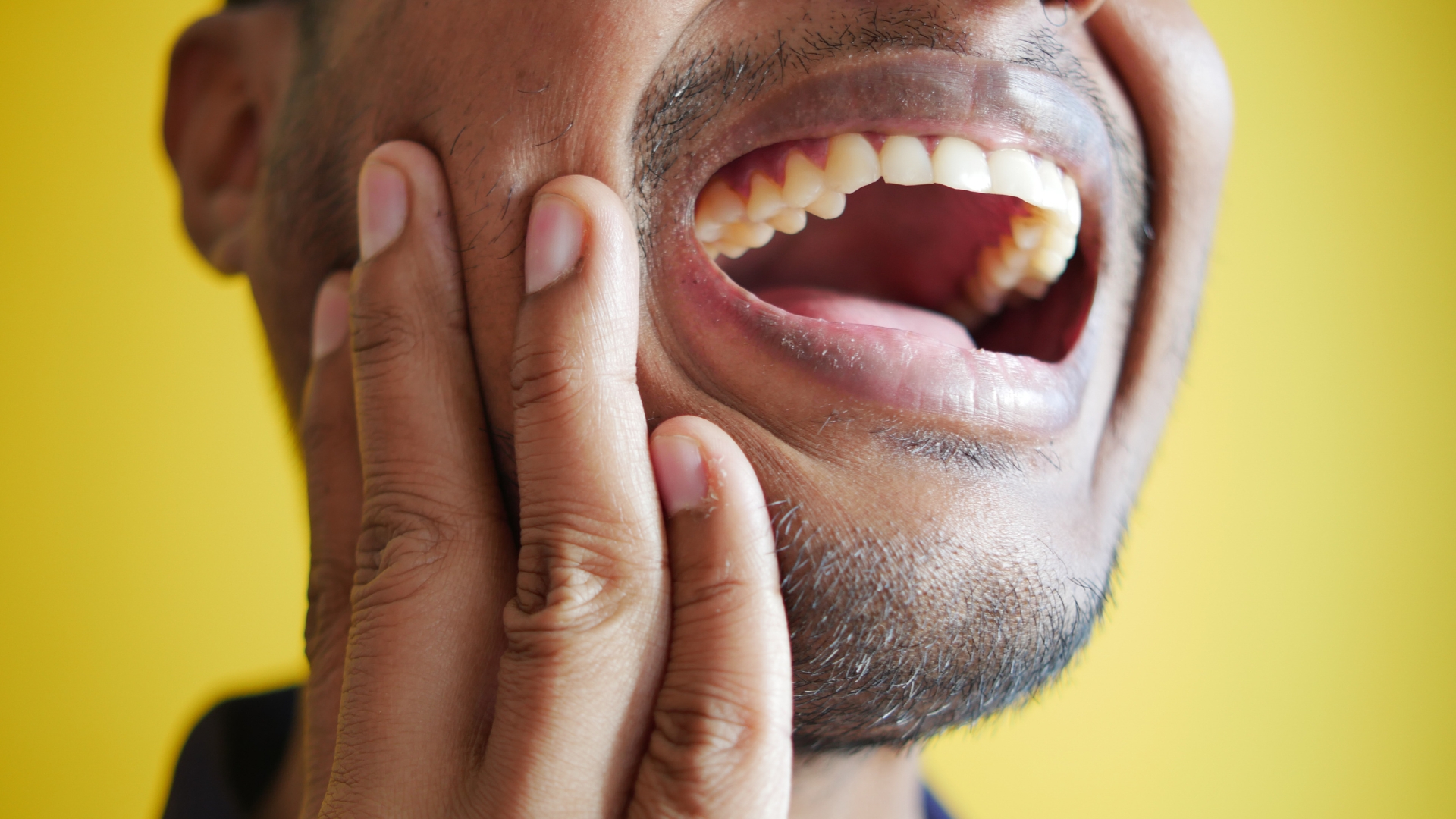
So, how long does dental Botox last for jaw clenching in Playa Vista? Many patients use three to four months as an estimate, but your personal timeline may be shorter or longer. Results develop gradually, fade gradually, and depend on far more than the appointment date.
If jaw tension, morning soreness, worn teeth, or repeated clenching has captured too much of your attention, get a clear evaluation. Contact Westside Aesthetic Dentistry to schedule a consultation with Dr. Kaitie Beetner. You can also call (424) 216-9669 to speak with the Playa Vista team and learn whether dental Botox belongs in your care plan.