
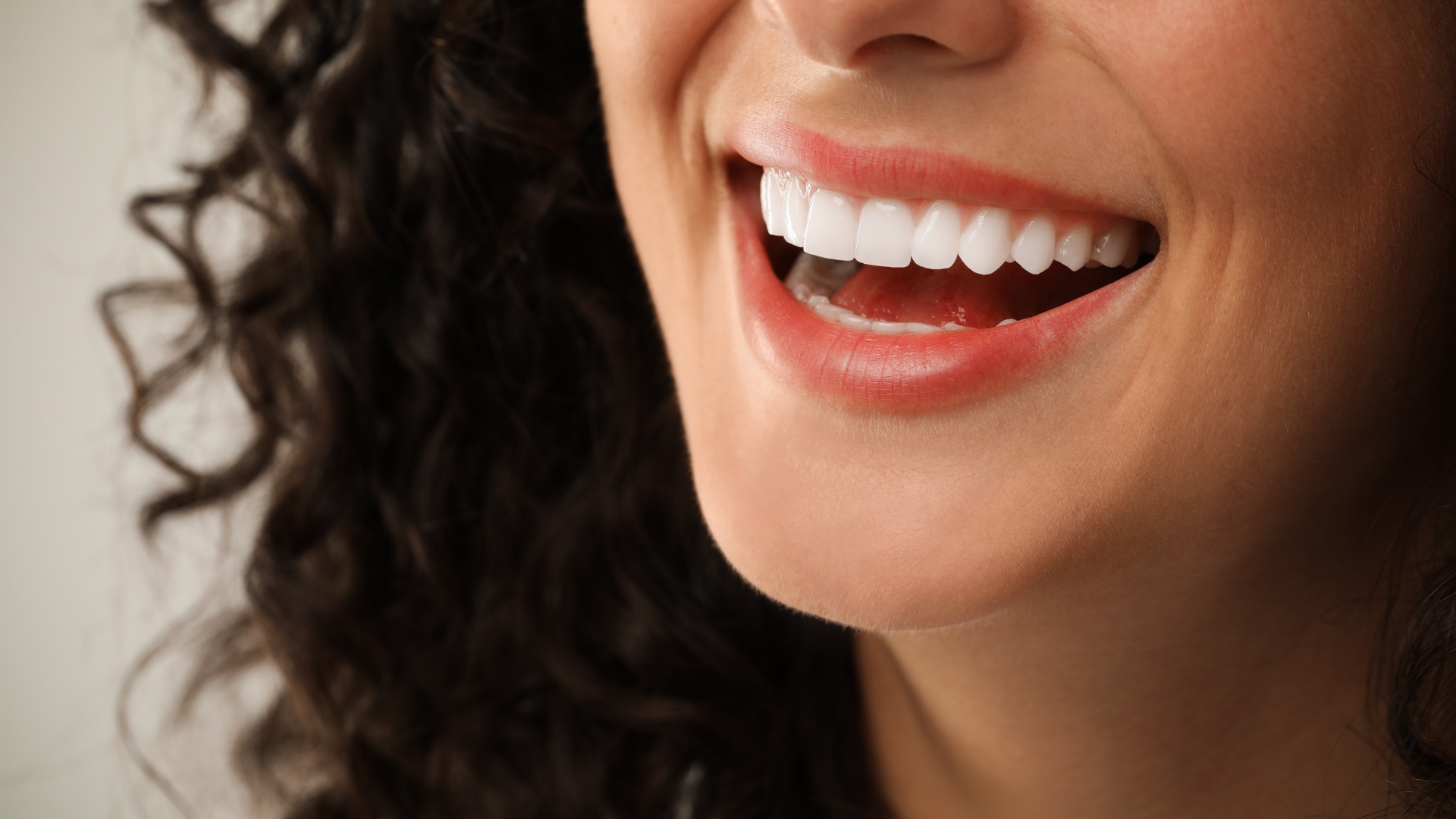
Do Veneers Ruin Your Natural Teeth
Do veneers ruin your natural teeth in Playa Vista? The honest answer deserves more than a quick yes or no. Veneers permanently change the teeth they cover because treatment usually requires removing some enamel. However, permanent treatment does not automatically mean damaged teeth. Careful planning can preserve healthy tooth structure, respect your bite, and create a result that looks natural.
Many patients become interested in veneers after years of hiding worn edges, deep discoloration, uneven tooth shapes, or small spaces. Then the worry starts. Will the dentist remove too much enamel? Will the teeth become sensitive? What happens if a veneer chips years later? These are smart questions. You should understand the long-term commitment before approving cosmetic treatment.
Westside Aesthetic Dentistry gives you time to see what Dr. Kaitie Beetner sees and compare your options without pressure. Call (424) 216-9669 to schedule a veneer consultation in Playa Vista and receive a plan based on your teeth, bite, facial features, and goals.
What Happens to Your Enamel When You Get Veneers in Playa Vista
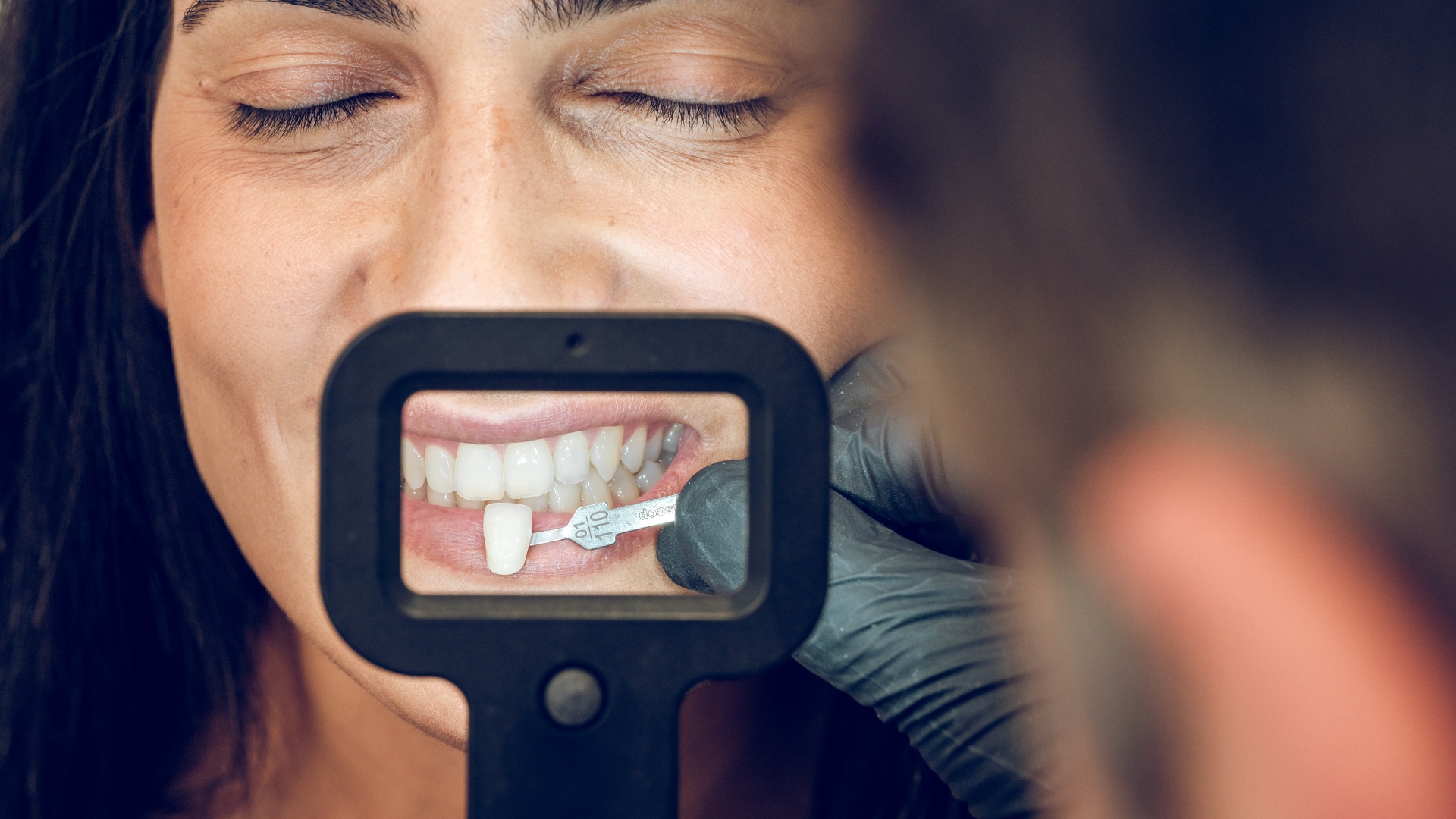
A porcelain veneer is a thin restoration bonded to the visible surface of a tooth. It can change color, shape, length, proportion, and symmetry. The natural tooth remains beneath it, which means the health of that tooth still matters before, during, and after treatment.
The dentist may remove a controlled amount of enamel to create room for the porcelain. Without enough space, the finished veneer could look bulky or create an edge that is difficult to keep clean. The required preparation depends on the tooth and the change you want to make. There is no universal measurement that is responsible for every patient.
Why Porcelain Veneer Treatment Is Usually Irreversible
Enamel does not grow back after it is removed. Once a tooth has been prepared, it will usually need a veneer or another restoration moving forward. That remains true even if the first veneer eventually needs replacement.
This permanent commitment should slow the decision down in a good way. You deserve to know which teeth need treatment, what will change, and what future maintenance may involve. A consultation should give you specific answers rather than rushing toward a dramatic before-and-after result.
How Much Natural Tooth Structure Must Be Removed for Veneers
Some veneer cases require very limited preparation. Other cases require more room because a tooth is rotated, protrudes forward, contains a dark restoration, or needs a substantial change in shape. A patient correcting one chipped edge has a different starting point than someone addressing heavy wear across several teeth.
Minimal-preparation and no-preparation veneers may work in selected cases, but they are not automatically the healthiest choice. Adding porcelain without enough space can create teeth that appear thick or overcontoured. The most conservative plan is the one that solves your concern while removing the least healthy structure the case reasonably allows.
Do Veneers Ruin Your Natural Teeth in Playa Vista When Properly Planned
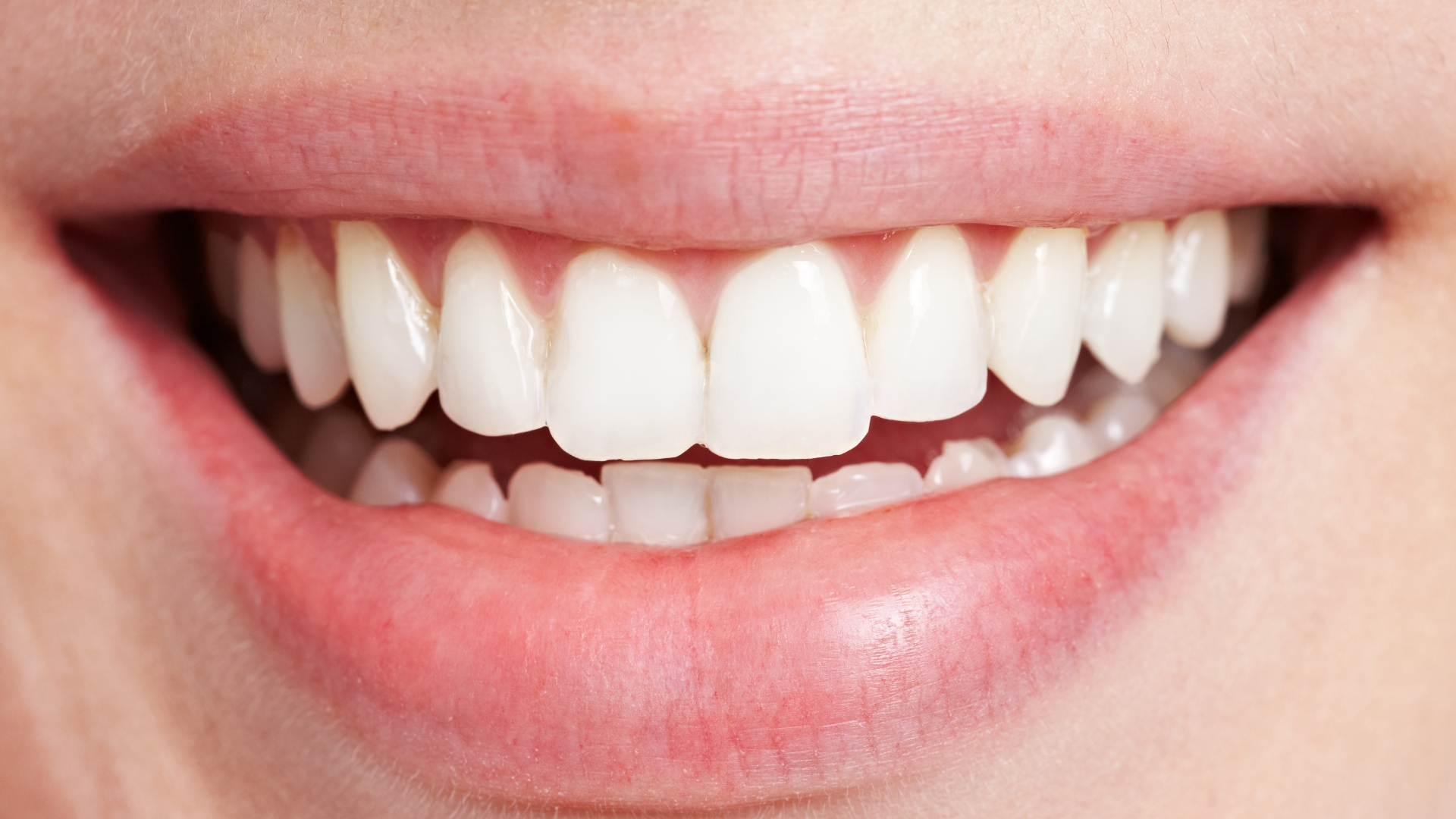
Veneers do not automatically ruin natural teeth when an experienced dentist selects the case carefully and plans treatment around long-term health. They can still create risks, and they still require maintenance. The difference comes from what happens before the porcelain is bonded.
Dr. Beetner evaluates the condition of the enamel, existing dental work, gum health, tooth position, bite forces, and cosmetic goals. She also considers whether another treatment could reach the same goal with less alteration. That conversation protects you from approving veneers simply because they are popular or look impressive in a photograph.
Here is the part patients often miss. The porcelain is only one piece of the result. Preparation, bonding, bite function, and daily care decide what happens next.
Why Preserving Healthy Enamel Supports Veneer Bonding
Porcelain veneers generally bond most predictably when the dentist can preserve a strong enamel surface. Dentin sits beneath enamel and responds differently during bonding. Limiting unnecessary dentin exposure gives the dentist a more favorable foundation when the clinical situation allows it.
This is one reason precise preparation matters. Removing too little may compromise the shape and fit. Removing too much sacrifices healthy structure and can complicate bonding. Good cosmetic dentistry works within that narrow space with discipline.
How Bite Function and Gum Health Affect Veneer Planning
A beautiful veneer still has to survive chewing, speaking, clenching, and grinding. If your front teeth repeatedly hit with excessive force, porcelain may chip or loosen. Worn edges can also signal a bite problem that needs attention before new restorations are placed.
Healthy gums matter for the fit and appearance of veneers. Inflammation, bleeding, recession, and uneven gum levels can change the treatment plan. Dr. Beetner may recommend hygiene care, gum treatment, bite management, or a protective appliance before completing cosmetic work. Fixing the foundation first can save you from avoidable trouble later.
When Bonding, Whitening, or Alignment May Be More Conservative
Veneers can address several concerns at once, but they are not the answer to every cosmetic complaint. Professional whitening may be enough when color is the primary concern. Composite bonding may repair a small chip or close a limited gap without requiring the same type of porcelain preparation.
Clear aligners may move crowded or rotated teeth into better positions before cosmetic work. That can reduce how much reshaping a tooth needs. Some patients ultimately choose a combined plan with whitening, alignment, bonding, and fewer veneers. The best result is not measured by how many teeth receive porcelain. It is measured by whether the final plan makes sense for your mouth.
What Problems Can Develop When Veneers Are Poorly Planned
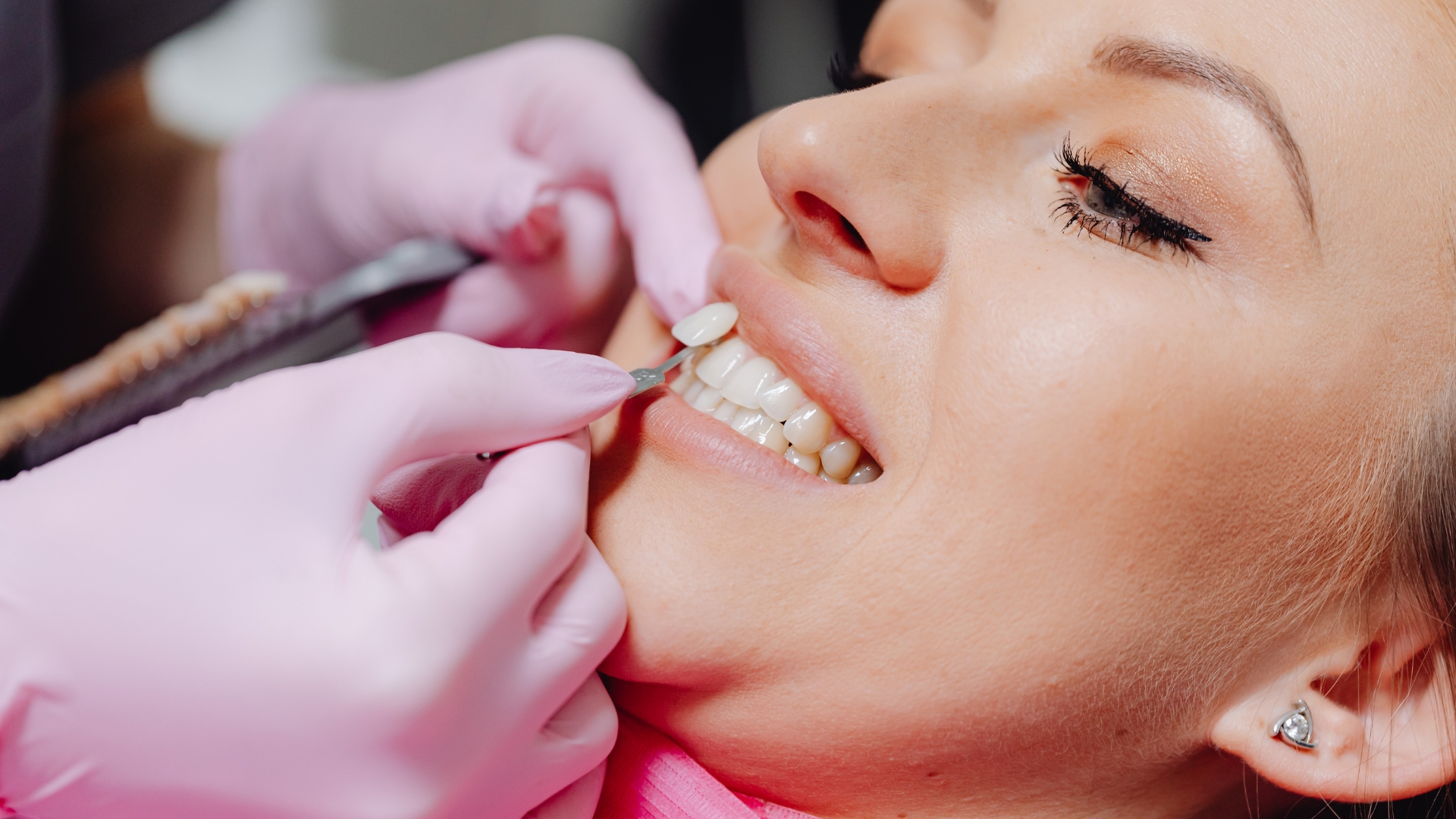
Veneers require clinical judgment and technical precision. Problems can develop when treatment begins before decay, gum disease, grinding, or bite instability receives proper attention. Trouble can also appear when the restoration does not fit the tooth or the final contours are difficult to clean.
These risks do not mean you should avoid veneers. They mean you should ask better questions before treatment. A polished photograph cannot tell you how much enamel remains, whether the bite feels comfortable, or whether the gums stay healthy six months later.
Can Natural Teeth Still Develop Cavities Around Veneers
A veneer does not make the underlying tooth immune to decay. The back, sides, and areas near the gumline still contain natural tooth structure. Plaque and bacteria can collect around the edges when brushing, flossing, and professional care fall behind.
Decay may also develop when an older veneer no longer fits correctly or when gum recession exposes a vulnerable area. Regular examinations give the dentist a chance to inspect the margins and address changes early. Your home routine still matters every day, even when the visible porcelain looks flawless.
Why Veneers May Chip, Loosen or Need Replacement
Porcelain is strong, but it is not indestructible. A veneer can chip, crack, wear, or loosen after years of use. Grinding, nail biting, chewing ice, opening packages with teeth, and direct facial trauma can increase stress on the restoration.
Replacement is part of the long-term conversation. Some veneers serve patients well for many years, while others need earlier attention because of bite forces, gum changes, material damage, or decay. Be cautious with anyone who promises a lifetime result. Dentistry happens in a living mouth that changes with age, habits, health, and daily use.
How Poor Margins Can Affect the Gums and Final Appearance
A veneer should meet the tooth with a smooth, carefully finished edge. Thick or poorly positioned margins may collect plaque, irritate the gums, or create an unnatural transition. Overcontoured veneers can also make teeth look heavy even when the shade appears attractive.
Natural results depend on proportion, translucency, surface texture, edge shape, and the relationship between the teeth and lips. Brighter does not always look better. Dr. Beetner uses clinical photography and digital records to study these details before the final design is approved.
What Should You Ask During a Veneer Consultation in Playa Vista
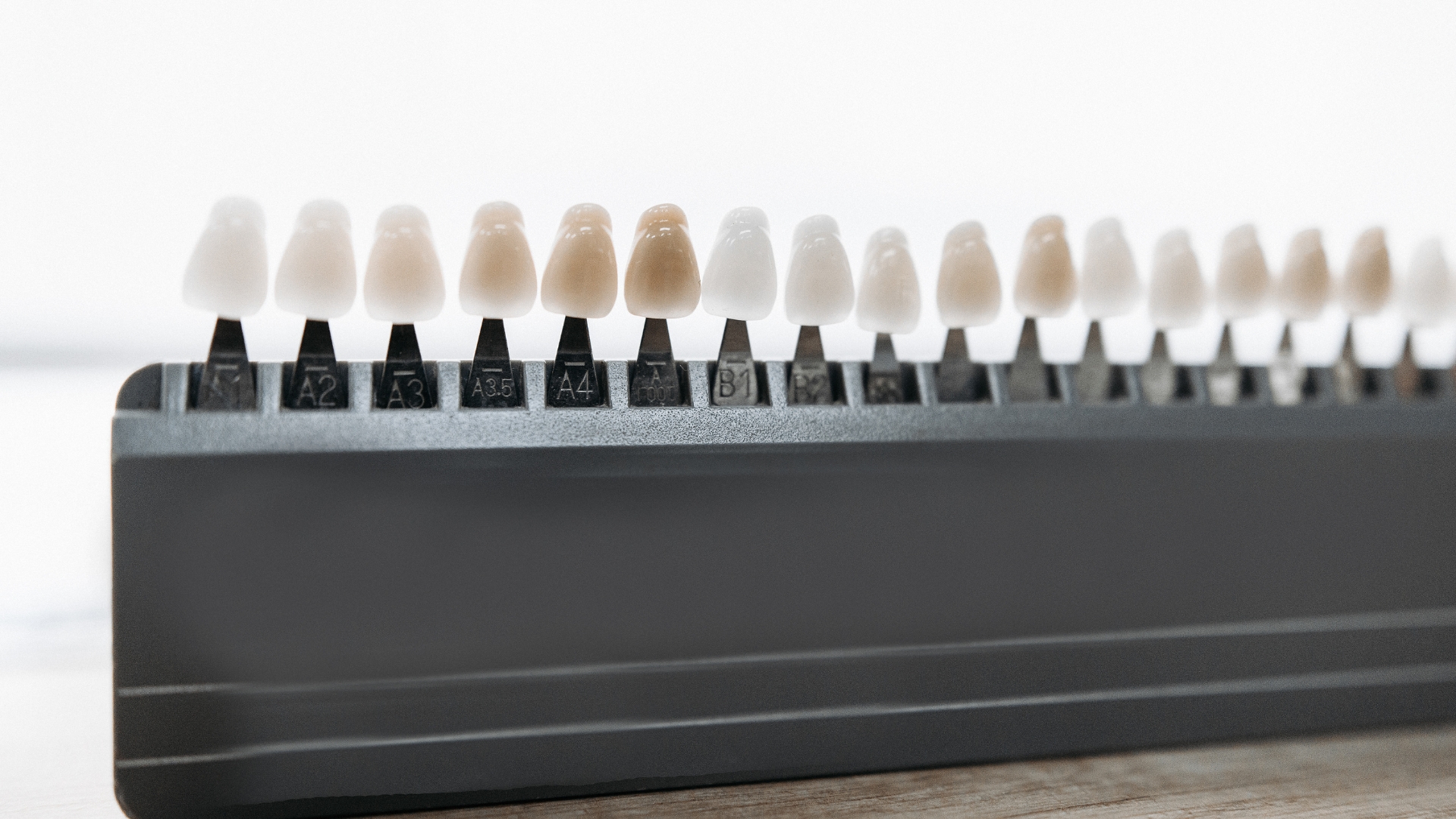
Your consultation should give you usable answers. You should leave understanding the condition of your teeth, the proposed preparation, the alternatives, and the maintenance commitment. If the explanation feels rushed or vague, keep asking.
This is your smile and your decision. These questions can help you start a more productive conversation with your cosmetic dentist.
- How much enamel do you expect to remove from each tooth?
- Can whitening, bonding, or clear aligners address part of my concern?
- How will you evaluate grinding, clenching, and my bite before treatment?
- What records will you use to plan the shape, shade, and proportions?
- What maintenance and future replacement should I expect?
The answers should connect directly to your examination. A dentist cannot decide the right amount of preparation from a social media photo or a quick glance at your smile. Your enamel, tooth position, gums, previous dental work, and functional movement all affect the plan.
How Dr. Beetner Plans Veneers Around the Whole Smile
Dr. Beetner is a Kois-trained dentist. Her training supports a detailed approach to function, aesthetics, bite health, and long-term stability. Other Kois dentists across the country refer patients to her because they understand the care and judgment behind that training.
At Westside Aesthetic Dentistry, planning can include an intraoral scanner and high-resolution clinical photography. These tools help you examine details that are difficult to see in a bathroom mirror. They also support a more precise conversation about tooth length, spacing, symmetry, wear, and how the smile relates to your face.
Why Premium Materials and Careful Design Matter
Westside Aesthetic Dentistry does not cut corners on materials or supplies. Porcelain selection, shade communication, bonding systems, and finishing affect how veneers look and perform. Good material cannot rescue poor planning, but careful planning deserves material that supports it.
The final smile should still feel like your smile. It should fit your features, work with your bite, and look believable during a conversation or photograph. Cosmetic treatment becomes far more satisfying when the design reflects you instead of copying someone else’s teeth.
Schedule a Thoughtful Veneer Consultation With Westside Aesthetic Dentistry
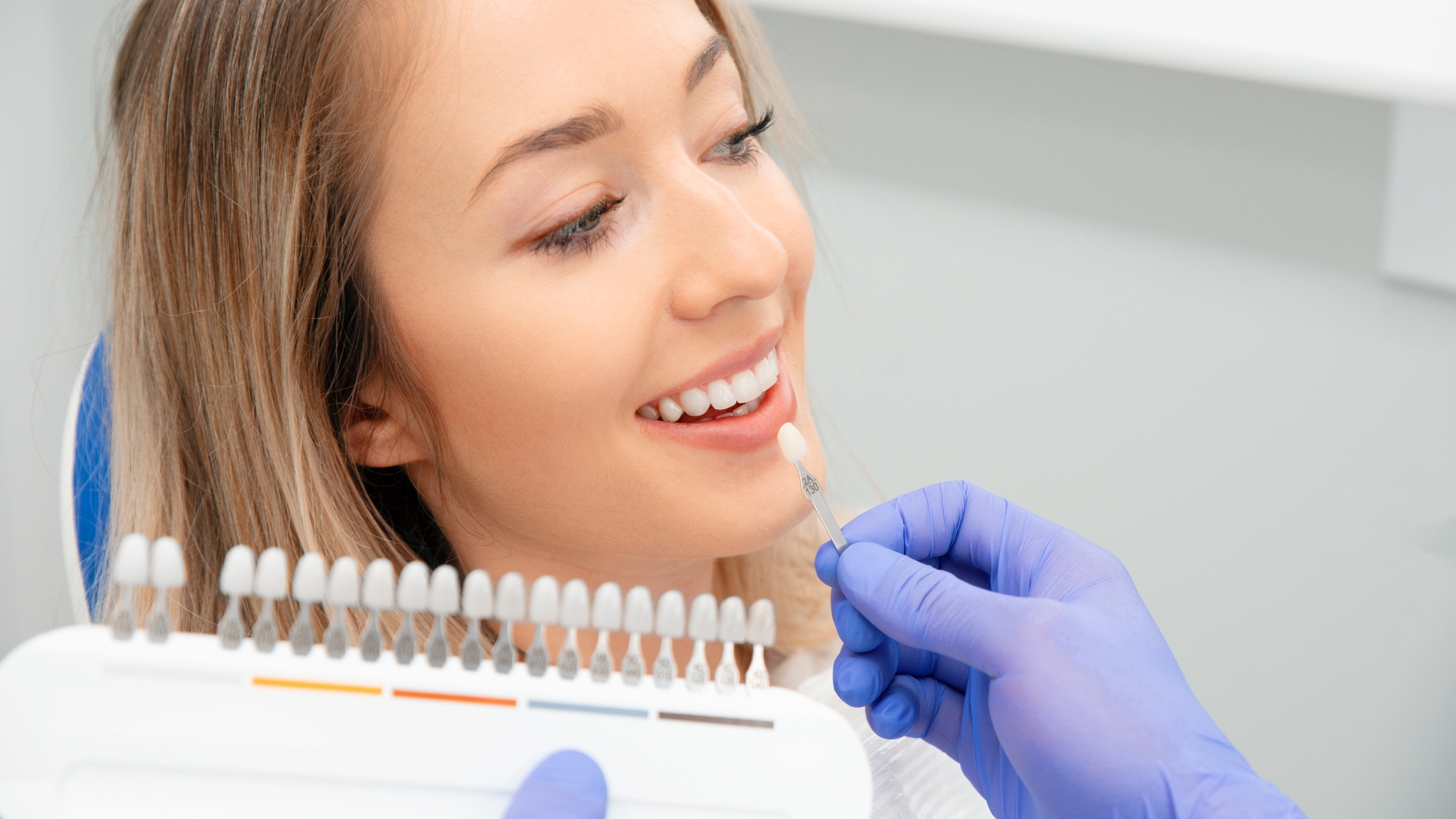
Veneers are a serious cosmetic decision because they permanently change the treated teeth. You deserve an explanation that respects both sides of that decision. The right plan can correct discoloration, worn edges, uneven shapes, and small spaces while preserving healthy structure wherever possible.
Dr. Kaitie Beetner combines Kois training, clinical photography, digital scanning, premium materials, and detailed communication during veneer planning. She studies how your teeth look and how they function before recommending treatment. If whitening, bonding, alignment, or a smaller number of veneers makes more sense, that option belongs in the conversation.
Westside Aesthetic Dentistry welcomes patients from Playa Vista, Marina del Rey, Culver City, Mar Vista, Del Rey, and nearby West Los Angeles communities. The goal is straightforward. You should understand what will happen to your natural teeth before you make a permanent choice.
If you are considering veneers and want a careful evaluation, use our contact page or call Westside Aesthetic Dentistry at (424) 216-9669 to schedule your consultation in Playa Vista today.