
Can You Whiten Composite Bonding
You love the shape of your bonded teeth. The small chip is gone. That distracting gap looks balanced. Then your smile starts to lose some of its brightness, and one question jumps straight to the front of your mind. Can you whiten composite bonding?
Here is the direct answer. Teeth whitening can brighten natural enamel, but it does not reliably lighten composite bonding in the same way. Your natural teeth may become several shades brighter while the bonding stays close to its original color. Suddenly, dental work that once blended beautifully can look darker or warmer than the teeth around it.
That sounds frustrating, but it does not mean your entire smile needs to be redone. Surface polishing may refresh bonding that looks dull. A small repair may improve a discolored edge. Older or deeply stained resin may need replacement to match your brighter enamel.
The exciting part is finding the right solution. At Westside Aesthetic Dentistry, Dr. Kaitie Beetner evaluates the bonding, natural teeth, bite, and final shade you want before recommending treatment. Call us today to book your appointment.
Why Composite Bonding Does Not Whiten Like Natural Teeth
Whitening and composite bonding both change the way a smile looks, but they work in completely different ways. Understanding that difference explains why one product cannot create the same color change across every visible tooth.
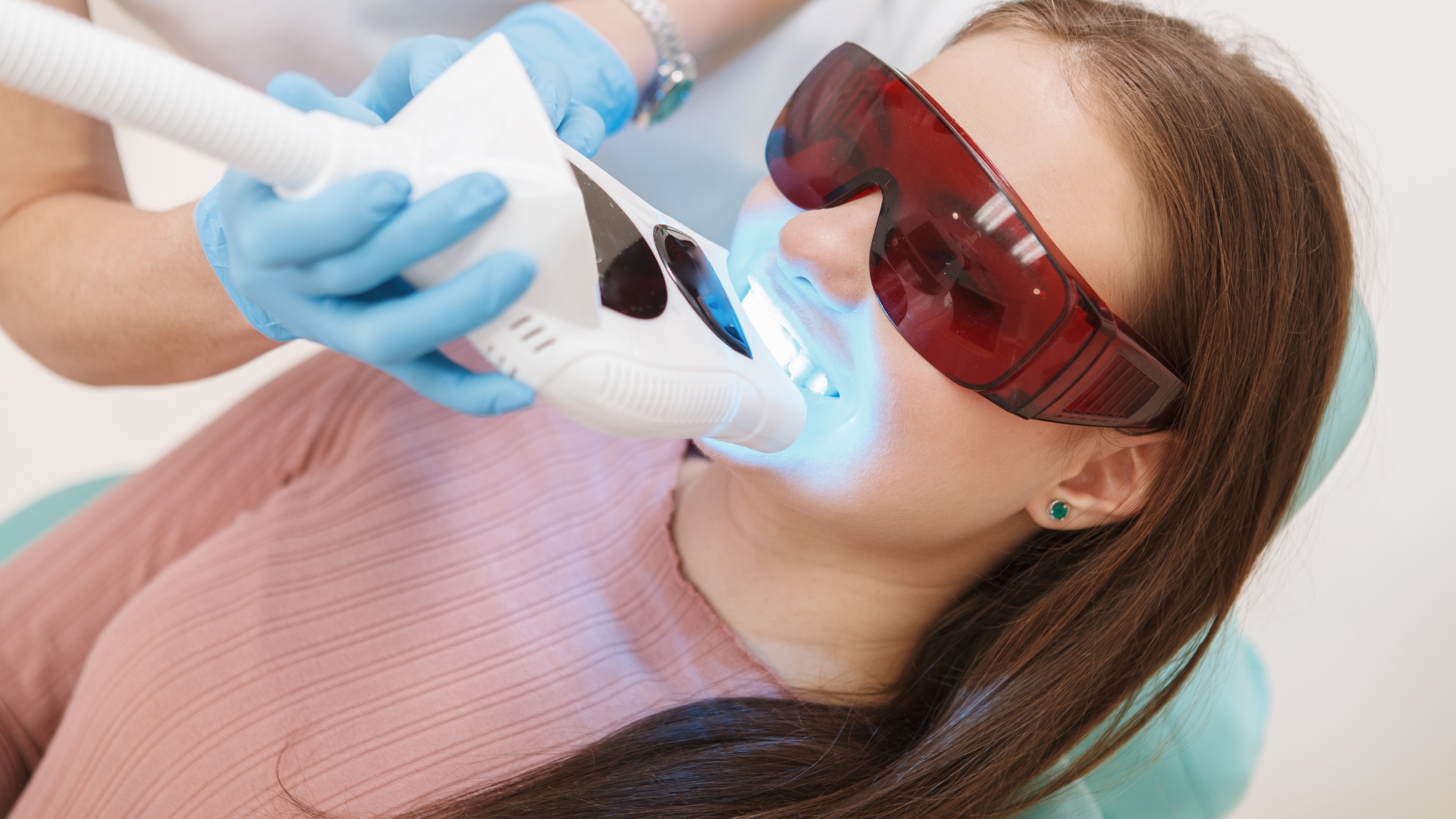
Professional whitening uses peroxide-based ingredients to break down colored compounds within natural tooth structure. As those pigments become less concentrated, the teeth reflect light differently and appear brighter.
The response varies by stain type. Yellow or age-related discoloration can respond differently than gray tones, medication stains, or color changes caused by an injured tooth.
Composite Resin Keeps the Shade Chosen When It Was Placed
Composite bonding uses a tooth-colored resin selected to match the smile at the time of treatment. The dentist shapes that material directly on the tooth, hardens it, refines the contour, and polishes the surface.
Once cured, composite does not respond to whitening gel like natural tooth structure. Some products may reduce limited surface staining on certain resin materials. However, that response varies, and it cannot be counted on to create a lighter, even shade.
Whitening toothpaste also has clear limits. It may remove some surface stain, but it cannot reset the composite color. A highly abrasive formula may roughen the resin and make new pigments easier to collect.
Bonding Can Look Darker After the Surrounding Teeth Whiten
This is the surprise many patients never see coming. The composite may not have darkened at all. Instead, the natural teeth around it became brighter.
Imagine one front tooth with bonding matched to the original enamel shade. After whitening, the nearby natural enamel changes while the resin remains the same. That contrast can make the bonded area look yellow, gray, or flat under bright light.
Westside Aesthetic Dentistry plans around this possibility. If you want whitening and composite bonding in Playa Vista, treatment order can make the difference between a distracting shade mismatch and a smooth final result.
What Can Improve Stained or Dull Composite Bonding in Playa Vista
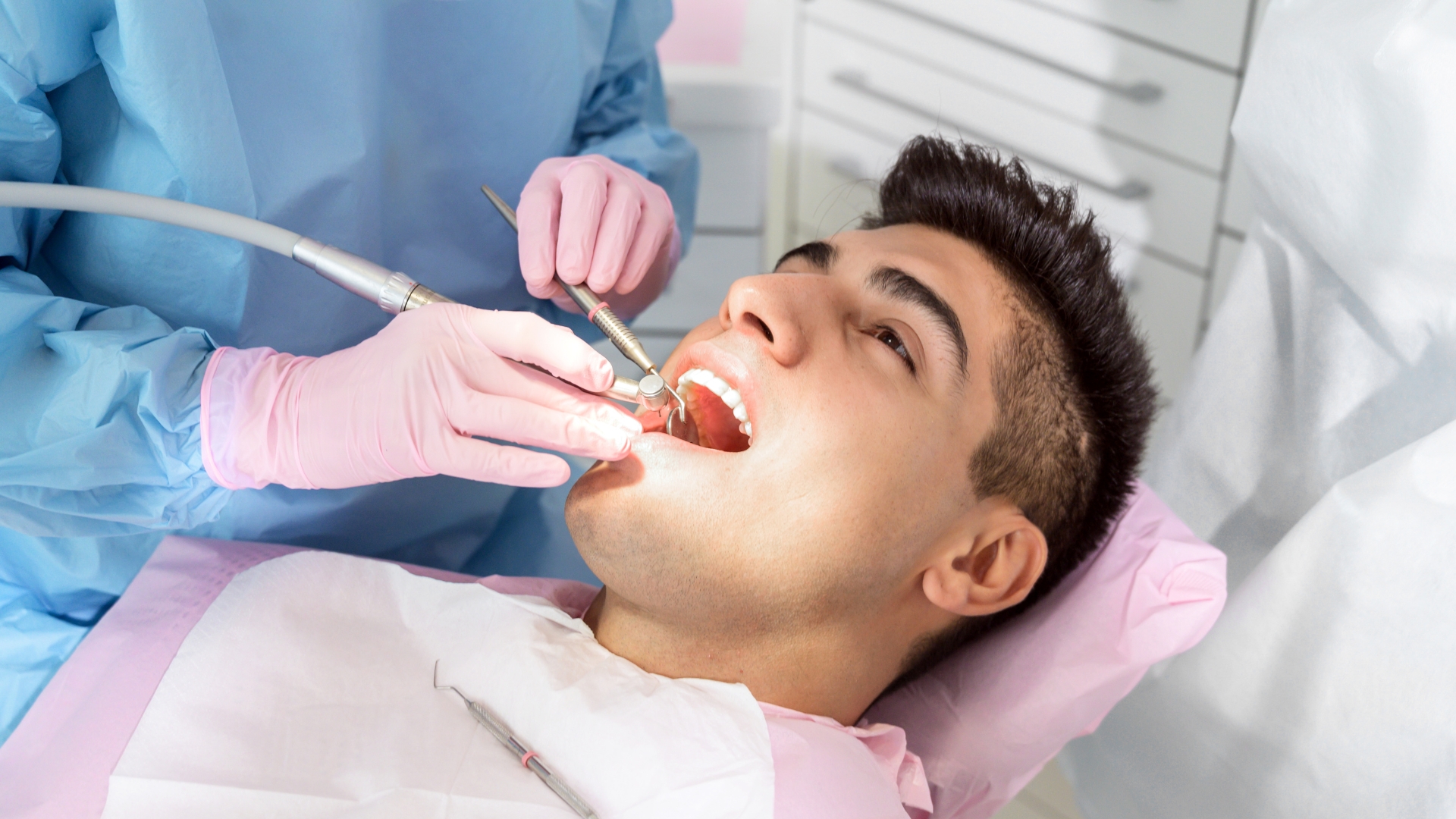
Not every color concern needs the same fix. Dr. Kaitie first determines whether the problem sits on the surface, extends through the resin, appears near a margin, or comes from the natural tooth beneath it.
Professional Polishing Can Refresh Surface Shine
Composite can lose its gloss after years of brushing, eating, drinking, and normal use. Coffee, tea, red wine, tobacco, and dark foods can also leave pigments on the surface. When the resin remains healthy and the discoloration is shallow, professional polishing may restore a cleaner appearance.
Polishing uses dental instruments and materials designed to smooth composite safely. It can remove certain surface stains, refine minor roughness, and help the resin reflect light more naturally again.
However, polishing does not bleach resin. If discoloration extends into the material, polishing will not produce a brighter underlying color.
A Small Repair May Correct a Limited Problem
What if most of the bonding still looks great, but one edge has become rough or discolored? A localized repair may offer a conservative answer.
The dentist may remove the affected section, prepare the existing material, add fresh composite, and polish the repaired area. This approach can preserve sound bonding instead of replacing the entire restoration.
Repair depends on the condition and location of the original work. The new resin must join securely, match the surrounding color, and function under your bite.
Replacement May Create a More Predictable Shade Match
Replacement often becomes the clearer option when bonding has deep discoloration, several visible stains, multiple repairs, worn contours, chips, or a shade that no longer fits the smile.
The old material can be removed carefully. Dr. Kaitie can then select a new composite shade after evaluating the surrounding teeth. She can also refine shape, texture, and edge position during the same process.
Healthy dental work should not be removed without a reason. The goal is the smallest treatment that can produce a stable, natural-looking result.
Dark Edges Need More Than a Whitening Product
A dark line around bonding deserves an examination. It may come from surface stain, a rough margin, a small space between the resin and tooth, or decay near the restoration. Whitening gel cannot diagnose or repair those problems.
Do not scrub the area aggressively or experiment with charcoal, lemon juice, baking soda, or household peroxide. Those methods will not predictably lighten composite. They may irritate your gums, wear natural tooth structure, or roughen the restoration.
Westside Aesthetic Dentistry can photograph the area closely and explain what the discoloration represents. That answer determines whether you need polishing, repair, replacement, or simple monitoring.
Should You Whiten Before or After Composite Bonding

Treatment order becomes especially important when you want a brighter smile and new bonding. Plan the color first, then create the restoration around that color.
If you plan to whiten and replace visible bonding, whitening usually comes first. This allows your natural teeth to reach a brighter shade before Dr. Kaitie selects the new resin.
Think of the natural teeth as the color reference for the finished smile. If bonding is placed first and you whiten later, the reference changes. The restoration may then look darker even though it matched perfectly on the day it was placed.
Whitening first gives you control over the final brightness. Once you like the natural tooth color, the bonding can be designed to join that smile rather than compete with it.
Teeth Need Time Before Final Shade Matching
Freshly whitened teeth may appear especially bright immediately after treatment. Their color can settle as the teeth rehydrate. Recent whitening can also temporarily affect how resin bonds to tooth structure.
For these reasons, your dentist may recommend waiting before completing new bonding. The exact interval depends on the whitening method, enamel condition, treatment area, and adhesive plan. One person may follow a different schedule than another.
Dr. Kaitie can tell you when the shade looks stable and the teeth are ready for bonding. That pause is not wasted time. It protects the accuracy of shade selection and supports the adhesive process.
Existing Bonding Needs a Plan Before Whitening Begins
You can still whiten natural teeth when you already have bonding. The first step is identifying which visible surfaces contain resin and predicting where a mismatch may appear.
Some patients complete whitening and remain happy with the result. Others decide to polish or replace bonding afterward. Westside Aesthetic Dentistry can discuss those possibilities before you start, so the final contrast does not come as a shock.
How Westside Aesthetic Dentistry Plans a Balanced Result
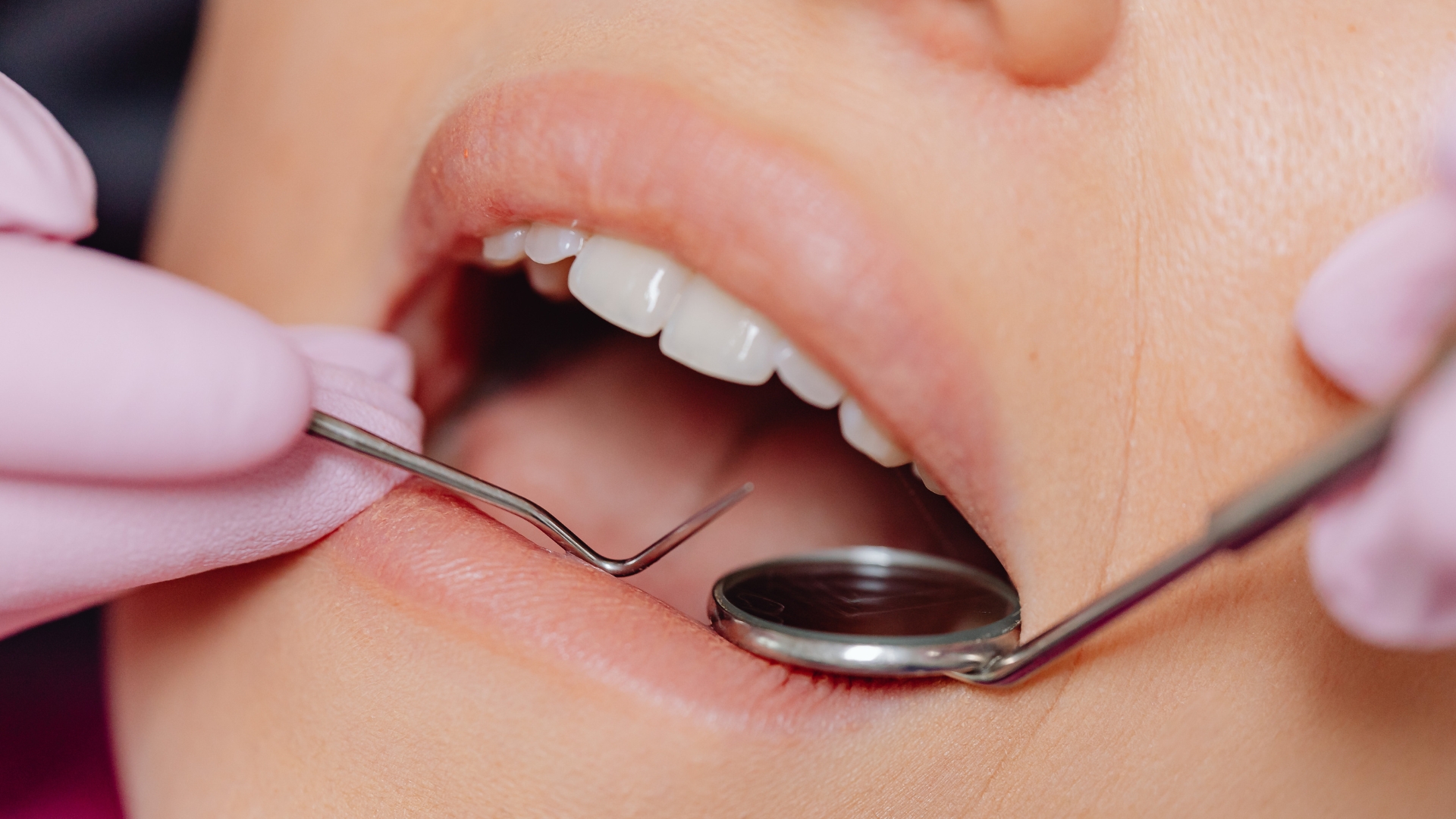
A shade tab alone cannot capture everything that makes dental bonding look natural. Shape, translucency, surface texture, tooth position, lip movement, and light reflection all influence the final appearance.
Clinical Photography Makes Small Differences Easier to See
High-resolution dental photographs can reveal stain patterns, rough margins, chips, and subtle shade differences that are difficult to study in a bathroom mirror. They also give you a close view of the concern.
At Westside Aesthetic Dentistry, those images support an honest conversation. You can see what Dr. Kaitie sees and understand why one solution may work better than another. If polishing is enough, you should know why. If replacement offers a more predictable result, you should understand that reasoning too.
Digital Scanning and Bite Evaluation Protect the New Bonding
Composite must do more than match your tooth color. It also needs to fit the way your teeth meet. Heavy contact, grinding, or clenching can chip bonding or wear its polished surface.
Dr. Kaitie uses her Kois-trained perspective to evaluate aesthetics and function together. Digital scanning can capture tooth contours and bite relationships, while an oral examination can identify wear patterns or overloaded edges.
This wider view matters when old bonding keeps chipping or losing its finish. Replacing the resin without addressing the pressure may repeat the same problem. A thoughtful plan can refine the smile and account for how you use it every day.
Premium Materials Support Natural-Looking Detail
Composite materials differ in polish, strength, translucency, and how they handle light. Material selection should fit the tooth, location, bite pressure, and cosmetic goal.
Westside Aesthetic Dentistry uses premium materials and careful shade planning to create bonding that belongs in your smile. The goal is not a flat block of bright resin. It is a restoration with the shape, finish, and color needed to blend with nearby teeth.
Refresh Your Composite Bonding in Playa Vista

So, can you whiten composite bonding in Playa Vista? Not reliably in the same way you can whiten natural teeth. Yet you have several ways to bring an uneven smile back into balance.
Surface polishing may revive dull resin. A focused repair may correct one imperfect area. Replacement may give older or deeply discolored bonding a cleaner match. If you also want whiter natural teeth, planning the sequence before treatment can prevent a frustrating color difference.
Ready to find out what your bonding actually needs? Contact Westside Aesthetic Dentistry to schedule a cosmetic consultation with Dr. Kaitie Beetner. You can also call (424) 216-9669 to speak with the Playa Vista team. The right answer may be simpler than you expect, and it starts with seeing the full picture.