
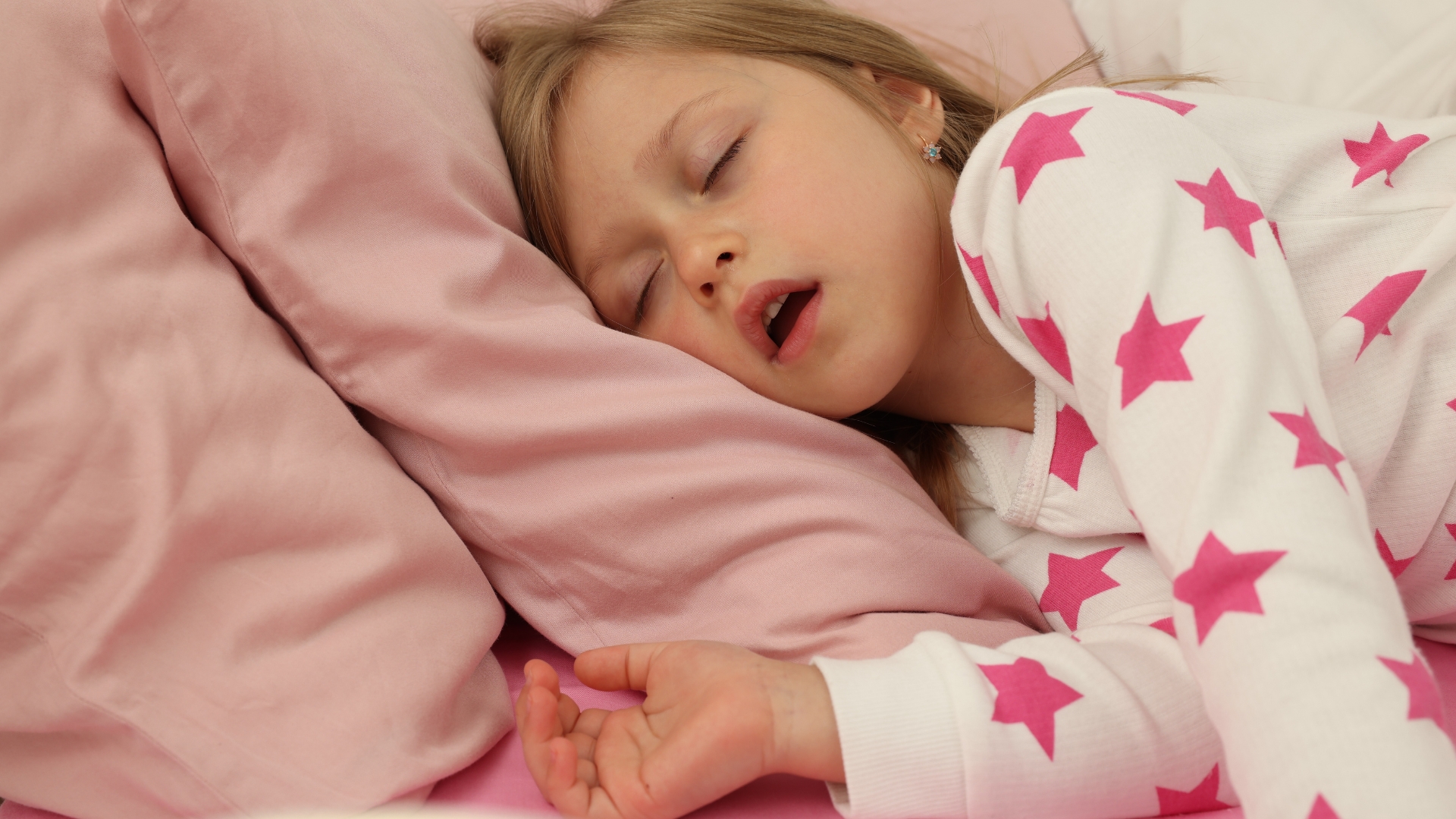
Can Mouth Breathing Affect Your Sleep and Teeth
Can mouth breathing affect your sleep and teeth in Playa Vista? Yes, frequent mouth breathing during sleep can dry your mouth and reduce the protection your saliva gives your teeth and gums. It may also appear alongside snoring, restless sleep, morning headaches, jaw tension, and daytime fatigue. That combination deserves attention.
Your mouth may reveal useful clues about what happens after you fall asleep. You might wake with cracked lips or feel as if brushing never fully clears your morning breath. Your partner may hear snoring or grinding that you never notice. One symptom cannot explain the whole picture, but a repeating pattern gives you a strong reason to ask questions.
Westside Aesthetic Dentistry helps patients examine those patterns without jumping to conclusions. Call (424) 216-9669 to schedule an airway dentistry evaluation in Playa Vista and learn what your teeth, gums, bite, jaw, and reported sleep symptoms may be showing.
Why Do Some Playa Vista Adults Breathe Through Their Mouth While Sleeping
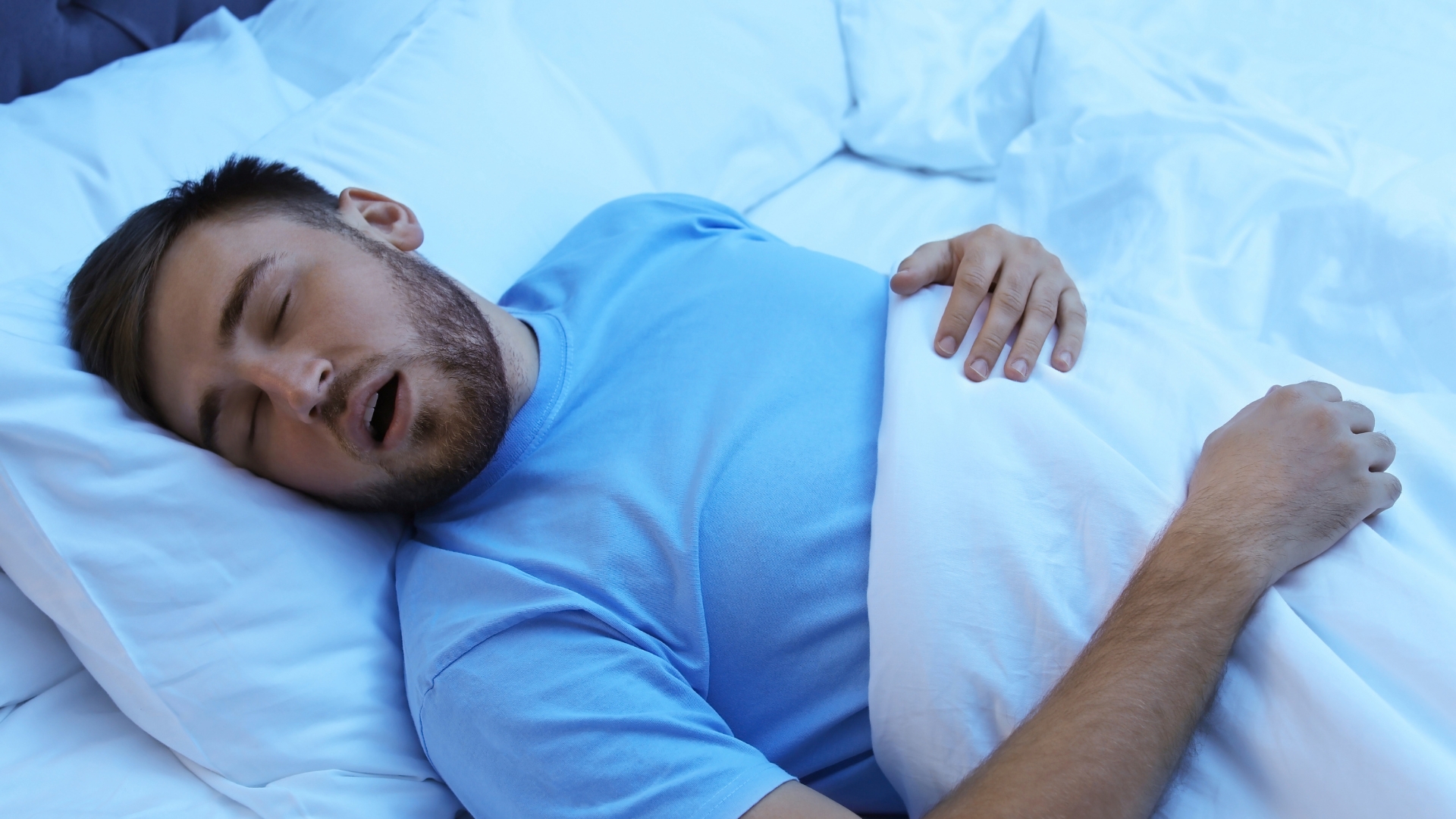
Mouth breathing describes the route air takes. It does not identify the reason your mouth opens during sleep. Some people breathe through their mouth because nasal breathing feels difficult. Others may have a temporary problem, an established habit, or a sleep-related breathing concern that needs further evaluation.
The cause matters because the correct response changes with it. Treating dental dryness does not clear a blocked nasal passage. Treating nasal congestion does not automatically address a sleep disorder. A useful evaluation starts by identifying the symptoms, timing, and oral signs before deciding what should happen next.
Nasal Congestion, Allergies, and Other Possible Causes
Seasonal allergies, a cold, sinus congestion, or another nasal concern can make nighttime nasal breathing difficult. Sleeping position and alcohol use may also change breathing or snoring for some adults. Structural concerns involving the nose or airway require evaluation from an appropriate medical provider.
Dry mouth has its own list of possible causes. Medications, dehydration, health conditions, and reduced saliva production can all leave your mouth dry even when mouth breathing is not the main problem. This is exactly why one symptom should start a conversation instead of ending it.
Why Mouth Breathing Is a Clue Rather Than a Diagnosis
Waking with an open mouth or dry tongue does not confirm sleep apnea. Snoring does not confirm it either. Sleep apnea involves repeated interruptions in breathing during sleep and requires proper medical assessment.
Still, the clues matter. Loud snoring, witnessed pauses, gasping, frequent waking, morning headaches, and serious daytime sleepiness should not be brushed aside. A dentist can document oral findings and screen for concerns, while a physician or qualified sleep provider determines whether formal testing is needed.
Can Mouth Breathing Affect Your Sleep and Teeth in Playa Vista Over Time
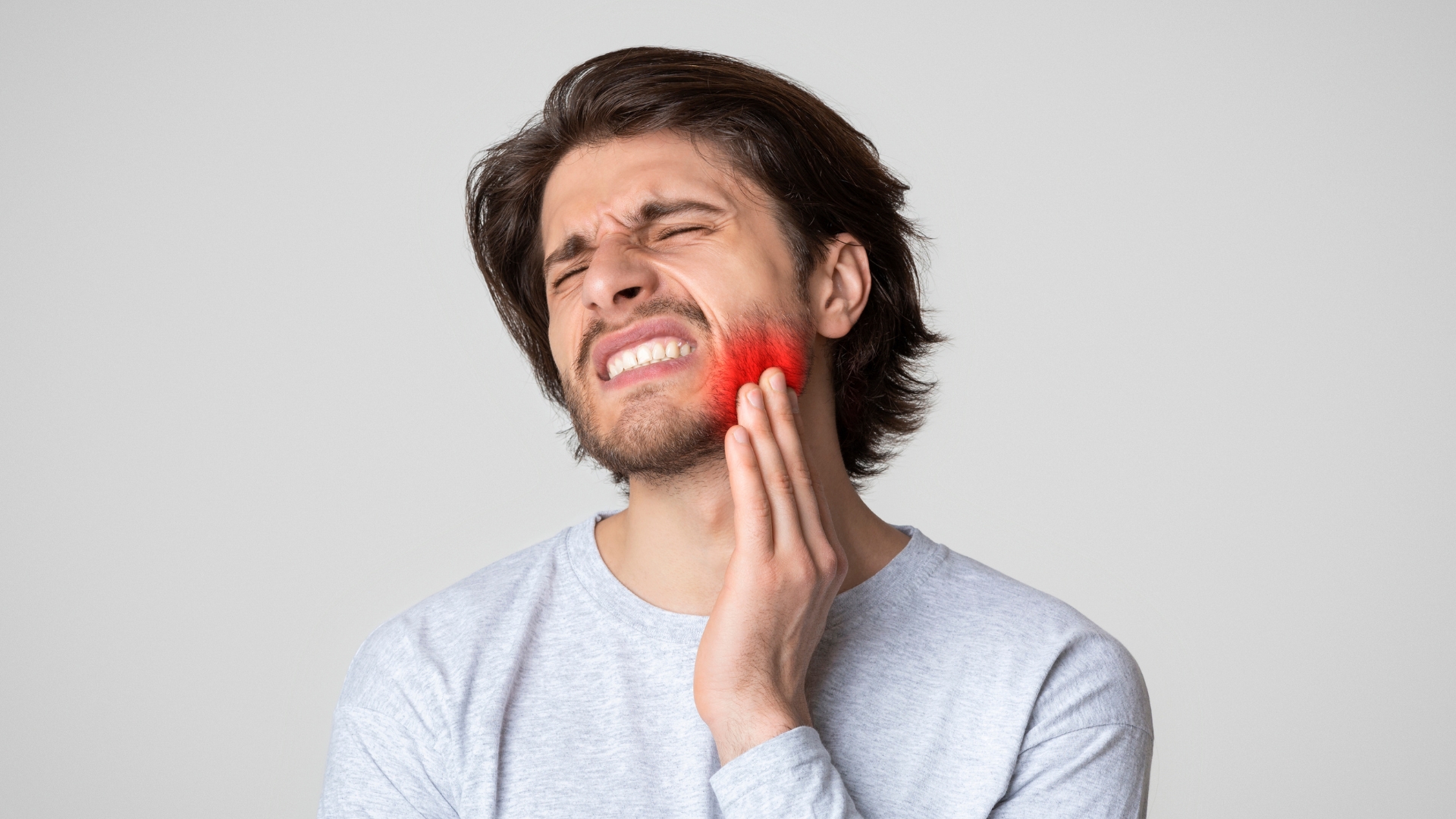
Frequent mouth breathing can expose the teeth, gums, tongue, and lips to moving air for hours. That can leave oral tissues feeling dry and reduce the protective work saliva performs. If you repeatedly wake with a sticky mouth, the concern reaches beyond temporary discomfort.
Sleep presents a separate question. Mouth breathing may appear with snoring or disrupted breathing, but it does not prove that those problems exist. The useful question is whether dryness, noisy breathing, fatigue, headaches, and dental findings keep appearing together.
How Dry Mouth Reduces Saliva Protection
Saliva does far more than keep your mouth comfortable. It washes food particles from teeth and gums, helps control harmful germs, and supplies minerals that support enamel. When saliva protection drops, acids and bacteria can remain in contact with the teeth longer.
An occasional dry morning after a late night or temporary congestion may pass quickly. Dryness that returns most mornings deserves a closer look. The goal is to identify whether mouth breathing, medication, hydration, a health condition, or several factors are contributing.
How Mouth Dryness Can Affect Teeth, Gums, and Breath
Less moisture can make plaque feel harder to control. You may notice rough teeth, a stale taste, tender gums, cracked lips, or breath that returns soon after brushing. Persistent dry mouth also raises concern for tooth decay because saliva normally helps control bacteria and neutralize acids.
Gum tissue can become irritated when it stays dry. Plaque along the gumline may add to redness, tenderness, or bleeding. These findings do not establish the cause by themselves, but they give your dentist concrete information to examine during an airway-focused visit.
How Nighttime Breathing Problems Can Affect Morning Energy
Eight hours in bed does not guarantee restorative sleep. Repeated interruptions can leave someone tired, unfocused, or irritable even when the clock suggests they slept long enough. Morning headaches, dry mouth, insomnia, and daytime sleepiness can occur with sleep apnea, but they can also have other causes.
Pay attention to combinations. Dry mouth plus loud snoring tells a different story than dry mouth after taking a medication known to reduce saliva. Fatigue plus witnessed gasping deserves faster medical attention than one restless night. Patterns make the conversation more useful.
How Can Mouth Breathing Connect With Snoring and Teeth Grinding
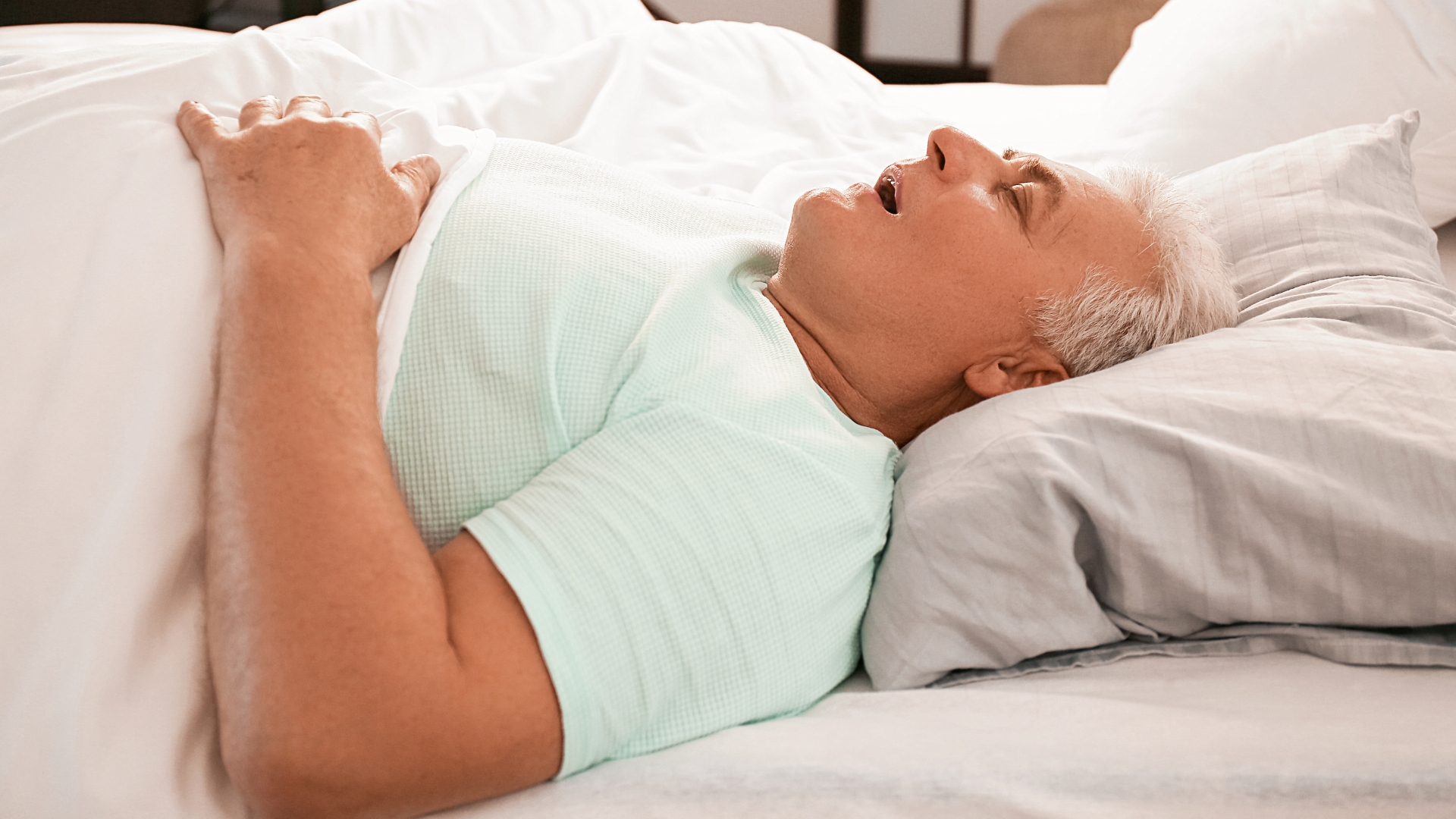
Patients often arrive with symptoms that seem unrelated. Their partner complains about snoring. Their dentist notices worn enamel. Their jaw feels tight at breakfast. Their mouth feels dry despite drinking water throughout the day.
Those details may belong in the same evaluation, but they do not prove one shared cause. Grinding can relate to stress, bite conditions, medications, sleep-related muscle activity, and other factors. Snoring can occur without sleep apnea. Careful assessment keeps the treatment plan from chasing the wrong explanation.
Why Snoring Does Not Automatically Mean Sleep Apnea
Snoring happens when tissues vibrate as air moves through the upper airway. Many people snore occasionally, especially during congestion or after alcohol use. Some people who snore have sleep apnea, while others do not.
The details change the level of concern. Loud habitual snoring, choking, gasping, witnessed breathing pauses, and strong daytime sleepiness deserve discussion with a healthcare provider. Your dentist can help identify the pattern and recommend the appropriate next step, but a dental examination alone cannot diagnose the disorder.
Why Grinding and Jaw Tension May Appear in the Same Pattern
Nighttime grinding can leave flattened edges, small chips, sensitive teeth, damaged fillings, or sore jaw muscles. You may not hear or feel the grinding while it happens. The evidence often appears the next morning or during a dental examination.
When grinding appears with snoring, dry mouth, or poor sleep, an airway conversation may be appropriate. That does not mean restricted breathing caused the grinding. It means the overlap deserves more than a quick nightguard recommendation without reviewing the broader pattern.
What Signs Should You Discuss During an Airway Dentistry Evaluation in Playa Vista

You do not need to identify the cause before scheduling an evaluation. Bring the details you notice and anything a partner observes. The timing, frequency, and combination of symptoms help Dr. Kaitie Beetner understand what deserves attention.
Ask yourself these questions before your appointment.
- Do you wake with a dry or sticky mouth?
- Has someone noticed loud snoring, gasping, or irregular breathing?
- Do you wake with headaches, sore teeth, or jaw tension?
- Are your teeth becoming worn, flattened, chipped, or sensitive?
- Do you feel tired after spending enough time in bed?
- Is breathing through your nose frequently difficult?
Write down how often each issue occurs. A symptom that appears once during a cold provides different information than one that returns every morning for months. Clear details help the evaluation stay focused.
What Dr. Beetner Can Examine During a Dental Airway Evaluation
Dr. Beetner can review tooth wear, gum dryness, plaque patterns, bite relationships, jaw movement, muscle tenderness, tongue position, oral space, and soft tissue. She can also ask about morning symptoms, snoring, grinding, nasal breathing, and daytime energy.
Her Kois training supports a detailed approach to oral function, bite stability, and patient education. Kois training is not a sleep medicine diagnosis or a replacement for medical testing. It supports the careful thinking needed to connect dental findings, patient concerns, and appropriate referrals.
When a Physician or Sleep Study May Be Needed
Suspected sleep apnea requires medical diagnosis. If your symptoms raise concern, the next step may involve your primary care provider, an ear, nose, and throat specialist, a sleep physician, or an overnight sleep study. The right referral depends on the symptoms and suspected cause.
Dentists can participate in screening and coordinated care, but collaboration matters. A sleep study can determine whether breathing stops during sleep, how often it happens, and how the pattern affects oxygen levels and rest. That information cannot be replaced by looking at tooth wear or dry gums.
Schedule an Airway Dentistry Evaluation With Westside Aesthetic Dentistry
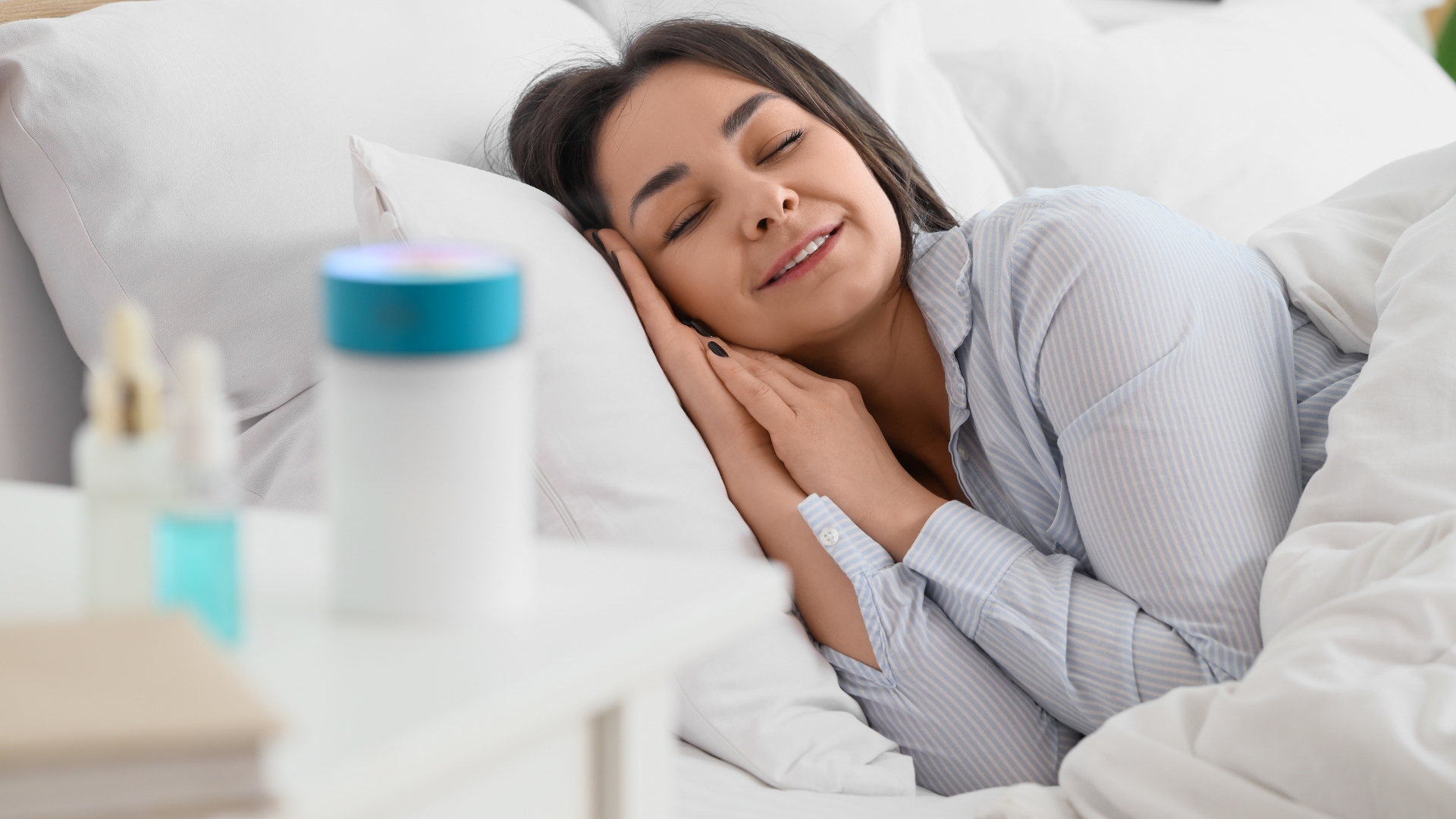
Mouth breathing may affect how your mouth feels, how saliva protects your teeth, and how refreshed you feel in the morning. The bigger concern is the pattern. Dryness, snoring, headaches, grinding, jaw tension, and fatigue become more useful when they are examined together.
Westside Aesthetic Dentistry provides airway-focused dental evaluations for patients who want clear information without a rushed diagnosis. Dr. Beetner reviews the oral signs she can see, listens to what you experience at home, and explains whether dental care or medical follow-up should come next.
The practice welcomes patients from Playa Vista, Marina del Rey, Culver City, Mar Vista, Del Rey, and surrounding West Los Angeles communities. You do not need to keep guessing why you wake with a dry mouth or why your jaw feels exhausted before breakfast.
If mouth breathing, snoring, worn teeth, or poor sleep keeps returning, use our contact page or call Westside Aesthetic Dentistry at (424) 216-9669 to schedule an airway dentistry evaluation in Playa Vista today.